Featured Topics

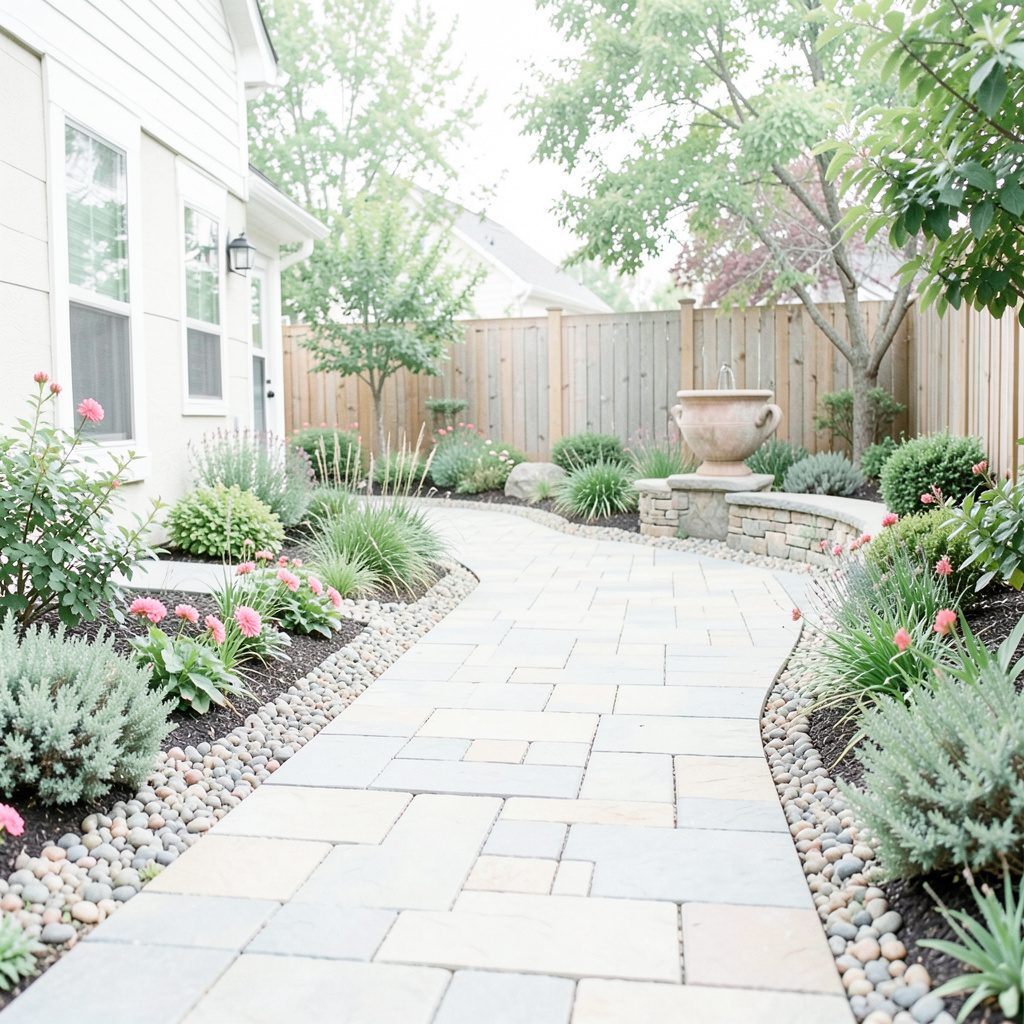
Solar Rock Lights for Natural-Looking Landscape Accents
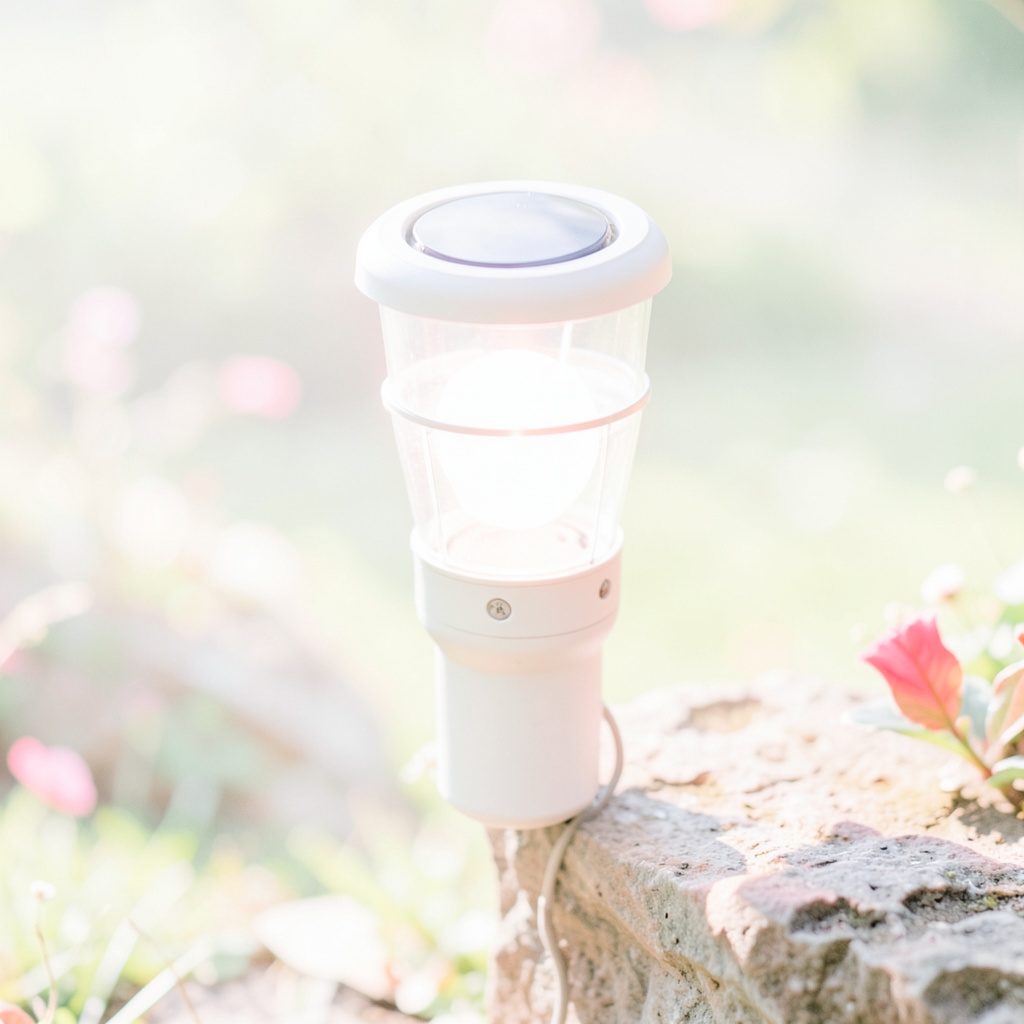
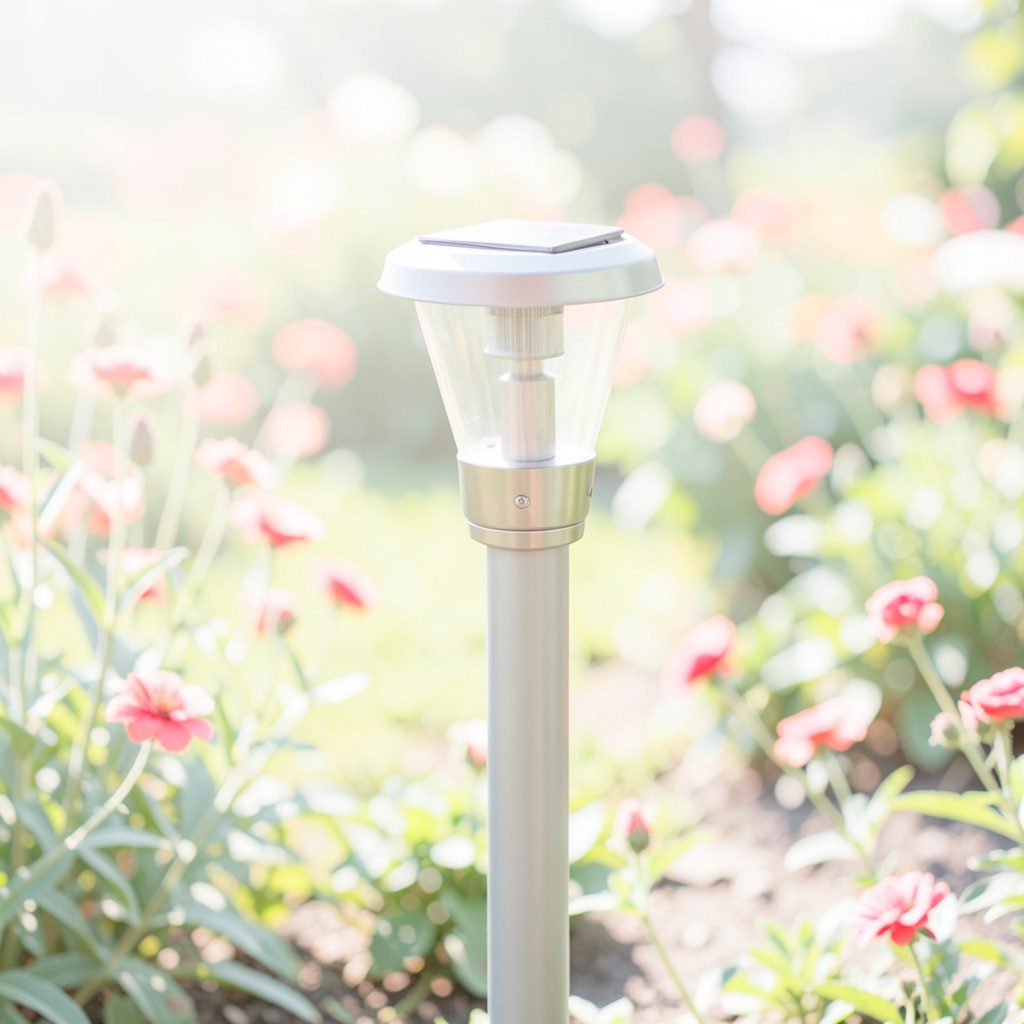
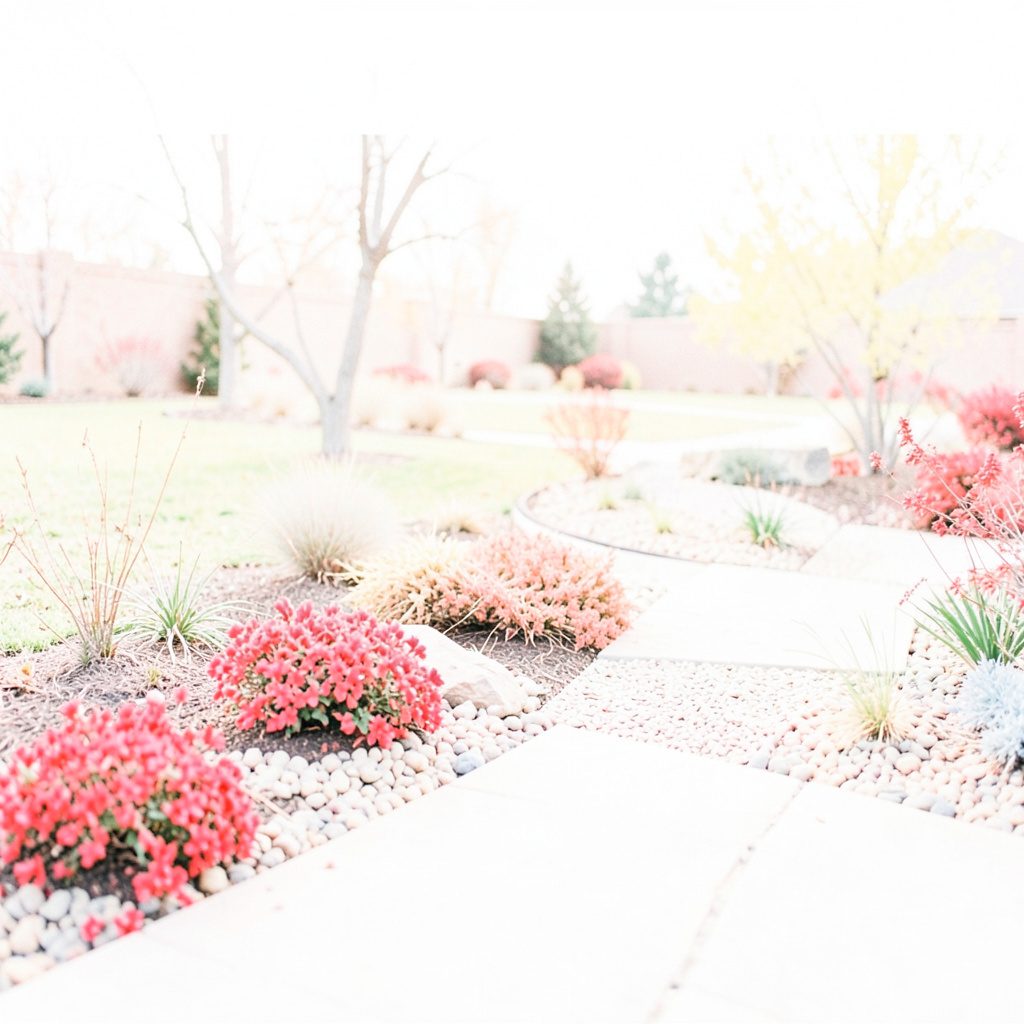
Solar rock lights bring a gentle glow to gardens without making the landscape feel over-designed. Disguised as stones, pebbles, or small boulders, they can highlight a planting bed, define a pathway, or add a quiet shimmer around a pond while retaining the informal character of an Australian outdoor space. Learn more about Best Outdoor Lights For A 2.
The best designs work with the garden rather than competing with it. A warm white LED, a realistic mineral finish, and careful placement can make the light appear to come from the landscape itself. With Australia’s long summers, bright sunlight, and strong outdoor living habits, these compact fixtures are especially useful for patios, terraces, courtyards, and suburban front gardens.
Choosing A Convincing Rock Finish
Realistic texture is the most important feature when the light is switched off. Look for irregular edges, varied grey or sandstone tones, and a surface that avoids excessive plastic shine. A perfectly symmetrical “stone” often looks artificial, while a slightly uneven shape blends more naturally among mulch, gravel, native grasses, and ground covers.
Scale matters as well. Small pebble-style lights suit a narrow Melbourne courtyard or a planter beside a balcony, while larger faux boulders work better beside a Brisbane lawn or a broad Sydney entertaining area. Grouping several sizes creates a more believable formation than lining up identical units at equal distances.
The lamp should remain subtle after dark. Warm white illumination between roughly 2700K and 3000K generally complements timber decking, brick, sandstone, and foliage better than a cold blue-white beam. For visual inspiration beyond product listings, this garden lighting video can help clarify how concealed sources and gentle contrast shape an outdoor setting.
Balancing Light, Weather, And Solar Performance
A solar rock light needs a clear view of the sky during the charging period. Overhanging branches, pergolas, dense hedges, and tall fences can reduce the energy reaching the panel. A decorative position may look perfect at midday but produce a weak glow after sunset if the solar cell sits in afternoon shade.
Australia’s high UV exposure and sudden weather changes make construction important. Check for a stated outdoor protection rating, sealed battery housing, corrosion-resistant hardware, and a finish designed for prolonged sunlight. Coastal homes near Perth, Adelaide, or the Gold Coast should pay particular attention to salt air and choose fixtures with robust plastic, stainless components, or a well-protected coating.
Battery performance also changes with the seasons. Long summer evenings can provide excellent charging conditions, while winter cloud cover and shorter daylight hours may reduce operating time. Rechargeable batteries are replaceable on some models, but not all, so check the product details before buying. A unit from a recognised range such as Philips may offer clearer specifications, while less expensive InnoGear-style products can still work well when positioned carefully.
Placing Accents Around The Garden
Use rock-shaped lights to reveal transitions rather than illuminate everything evenly. A pair near the beginning and end of a path can provide orientation, while one or two fixtures beside a retaining wall can show a change in level. Around steps, place lights where they improve visibility without shining directly into approaching eyes.
Natural groupings usually look more convincing than a precise border. Tuck one stone partly beneath lomandra, dianella, or low-growing native ground cover, and leave another visible beside a cluster of pebbles. Around a water feature, keep the lamp far enough from the edge to avoid reflections becoming harsh or the fixture being exposed to standing water.
For planters and container gardens, a small integrated stone can draw attention to foliage without requiring a cable. Advice on solar lights for planters is useful when deciding whether the fixture should sit on the soil, hang above the leaves, or be placed beside the container. In compact Australian courtyards, this approach adds depth without taking up valuable floor space.
Creating A Layered Outdoor Lighting Scheme
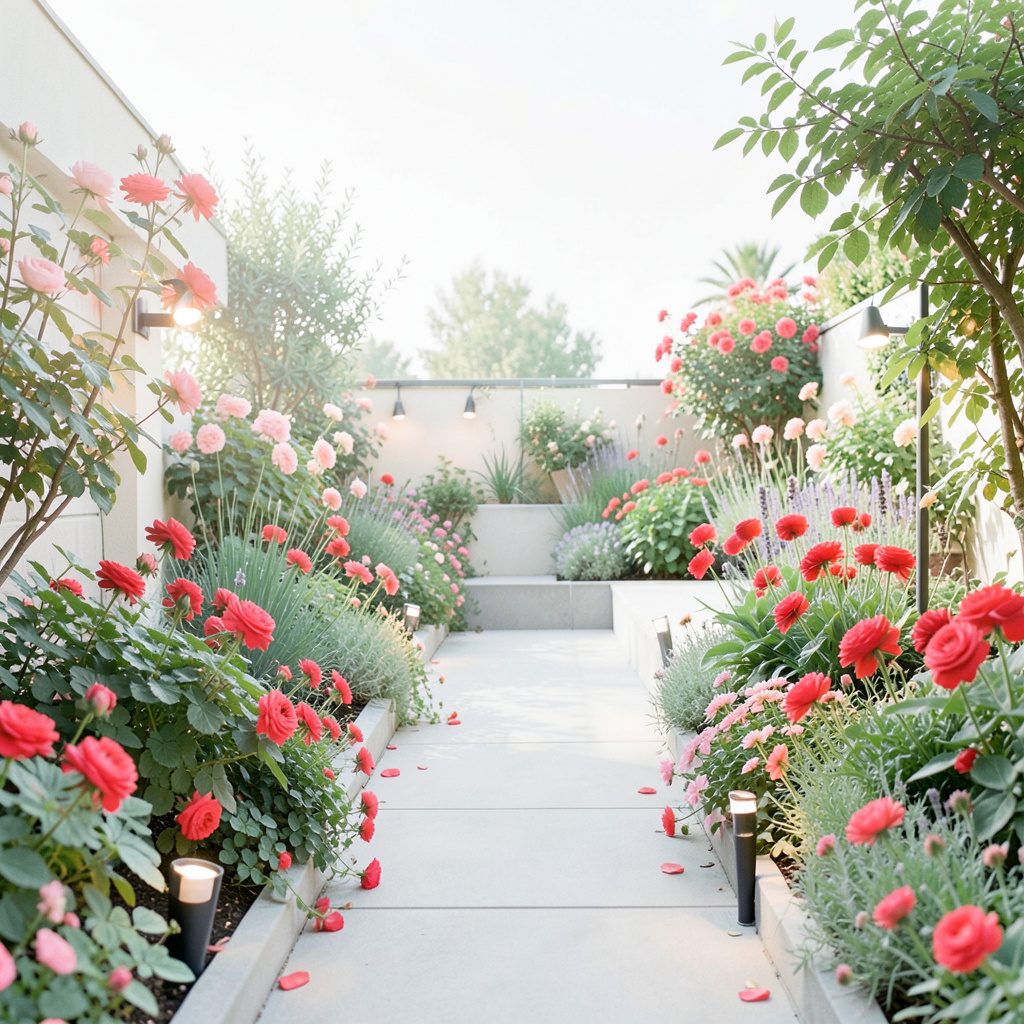
Rock lights are accent lighting, not a complete security or task-lighting system. Combine them with low path lights, a wall-mounted lantern near the back door, or discreet step lighting. The aim is to create several levels of brightness: enough light to move safely, softer points to guide the eye, and darker areas that preserve the garden’s depth.
Avoid placing every fixture along the same line. Staggered positions on either side of a pathway feel less formal and prevent a runway effect. Around a lawn, use a few low points to frame a tree or planting island rather than outlining the entire perimeter. This keeps the scene relaxed and reduces unnecessary glare for neighbours.
Colour consistency helps the installation look intentional. Mixing warm white rock lights with cool white security floodlights can make the garden appear disjointed, so reserve brighter, cooler illumination for functional areas such as bins, side gates, or driveways. Guidance on combining solar lighting can help coordinate colour, spacing, and brightness across several fixture types.
Australian regulations and local conditions should also shape the design. Self-contained solar lights generally avoid the complexity of mains wiring, but any fixed electrical installation should comply with applicable Australian electrical standards and be handled by a licensed electrician. Check body corporate rules in apartments and local council requirements before adding permanent lighting near shared paths or boundaries.
Practical Buying And Installation Recommendations
A successful purchase depends on more than appearance. Read the expected runtime, charging requirements, light output, sensor behaviour, and battery type rather than relying on decorative photographs. Some products turn on automatically at dusk, while others include an off switch or multiple brightness modes that help conserve power during cloudy periods.
Use the following checklist when comparing models available through Australian retailers, Amazon Australia, garden centres, or large hardware stores:
- Choose warm white LEDs for sandstone, timber, brick, mulch, and dense green foliage.
- Select an outdoor-rated housing with sealed seams and strong resistance to rain and UV exposure.
- Match the rock size to its surroundings so a small planter does not look crowded.
- Test the solar panel position for several hours of direct or bright open-sky light.
- Prefer replaceable rechargeable batteries when long-term maintenance matters.
- Use fewer, better-placed fixtures instead of creating a continuous row of identical lights.
- Keep accent lights away from mowing edges, irrigation spray, and areas likely to flood.
Before installation, leave each light in its proposed location for an evening or two. This simple trial reveals whether the glow is visible from the patio, whether the panel receives enough sunlight, and whether the fixture looks like a natural part of the garden during daylight. A small adjustment of 30 centimetres can prevent glare or make the surrounding planting appear much more dimensional.
For Australian households, maintenance is usually straightforward. Wipe dust and salt from the solar panel, clear leaves from the top surface, and inspect the housing after severe storms. In bushfire-prone regions, avoid placing decorative plastic units directly against dry leaf litter or combustible garden debris, and follow local fire authority advice about vegetation management and outdoor equipment.
A thoughtful arrangement can make a garden feel finished without turning it into a brightly lit display. Rock-shaped solar fixtures are most effective when they suggest moonlight on stones, guide movement quietly, and leave enough shadow for plants and trees to retain their character. The practical takeaway is simple: choose a convincing texture, give the panel real sunlight, and place each light where it reveals a feature rather than demanding attention.