Featured Topics

Best outdoor lights for a Mediterranean garden style
The best outdoor lights for a Mediterranean garden style should suggest a warm holiday courtyard, not a brightly lit showroom. Pair restrained fixtures with olive trees, lavender, terracotta walls, limestone and a pergola. Soft amber light reveals texture without flattening the garden, while darker gaps make the evening feel atmospheric and intimate.
Australian conditions make this more than a styling exercise. Melbourne’s changeable winters, Sydney’s humid summers, Perth’s dry heat and Adelaide’s cool evenings can all shape a fixture’s performance. Choose weather-rated products, allow for UV exposure and strong sunlight, and position lights where they create safe paths without generating glare for neighbours.
Build a warm evening scheme
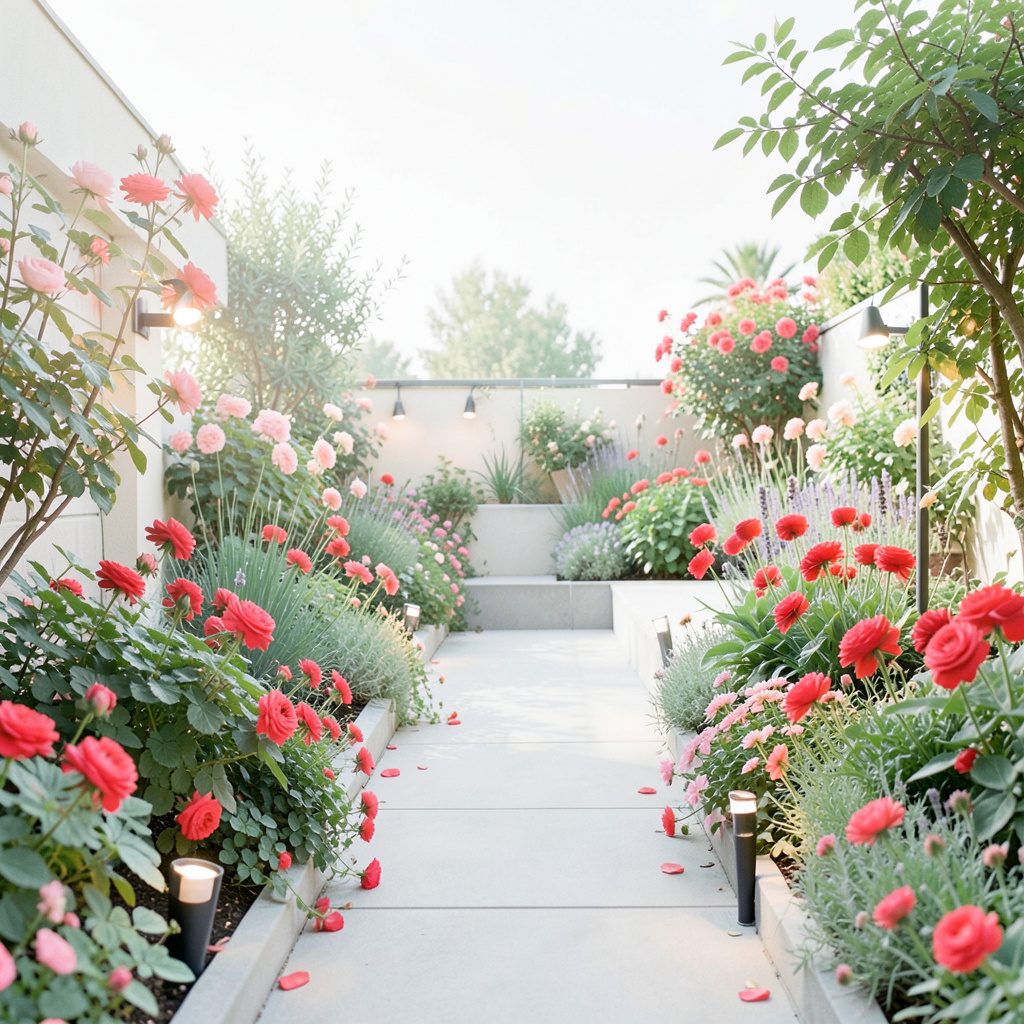
Begin with the garden’s main circulation route, then add light vertically. Low bollards or stake lights should define a terrace edge, while small uplights can reveal an olive trunk, sculptural shrub or stone arch. Decorative lanterns belong near seating, where their pattern matters more than their output.
Keep the palette between 2200K and 2700K for a soft amber finish. This warm-white spectrum complements limestone, aged brass, wrought iron and terracotta better than cool blue-white light. Use brighter, whiter illumination selectively for safety-sensitive steps, while leaving garden beds gently textured and partially shadowed.
Light walls, arches and focal points
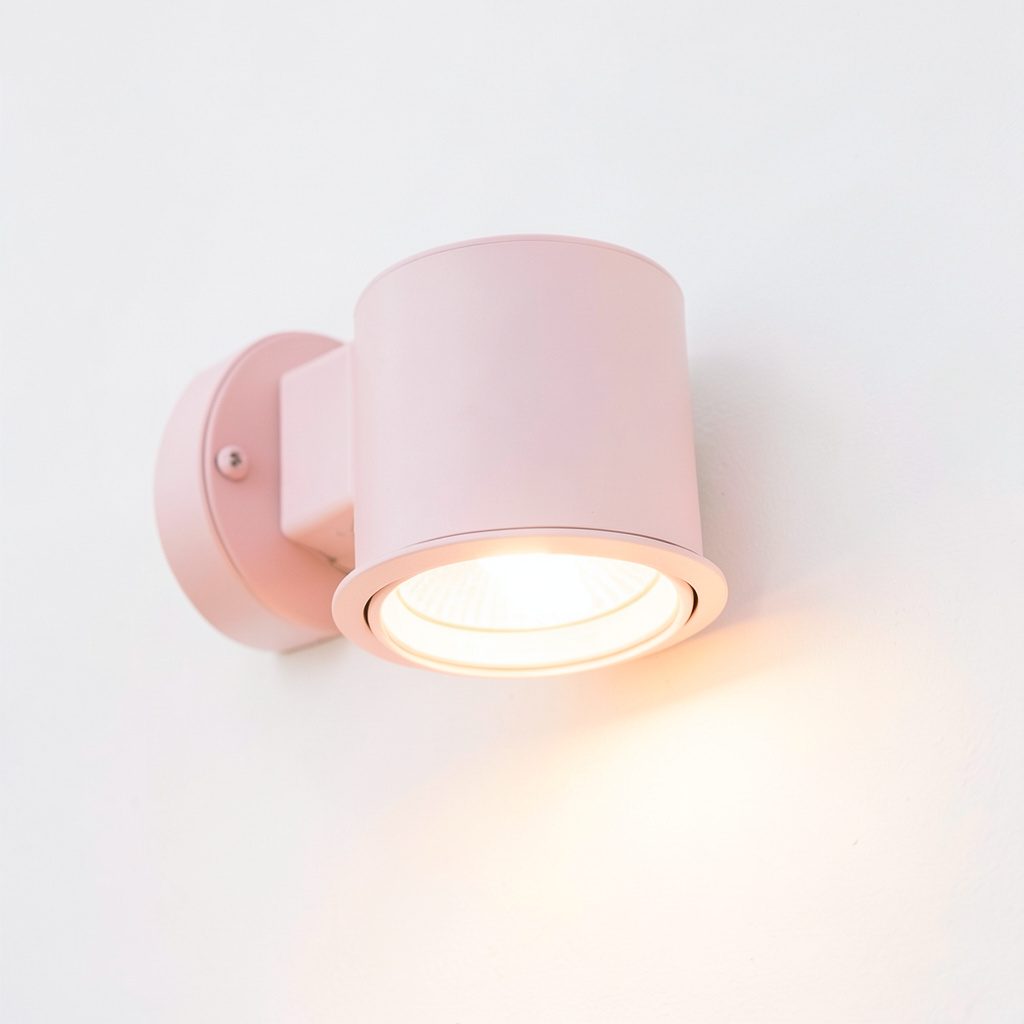
Masonry looks particularly good with wall sconces, narrow uplights and shielded lanterns. Mount fixtures beside an arch or above a bench to create a warm wash across textured plaster. Position lights low and aim them across an olive tree or climbing plant, allowing shadows to provide depth.
Select fixtures with an appropriate ingress protection rating: IP44 suits many sheltered locations, while IP65 is safer for exposed walls, pergolas and garden beds. “Water resistant” alone is vague, so check the rating and the manufacturer’s installation guidance. Metal finishes should also suit coastal air and intense summer sun.
Illuminate paths and garden edges
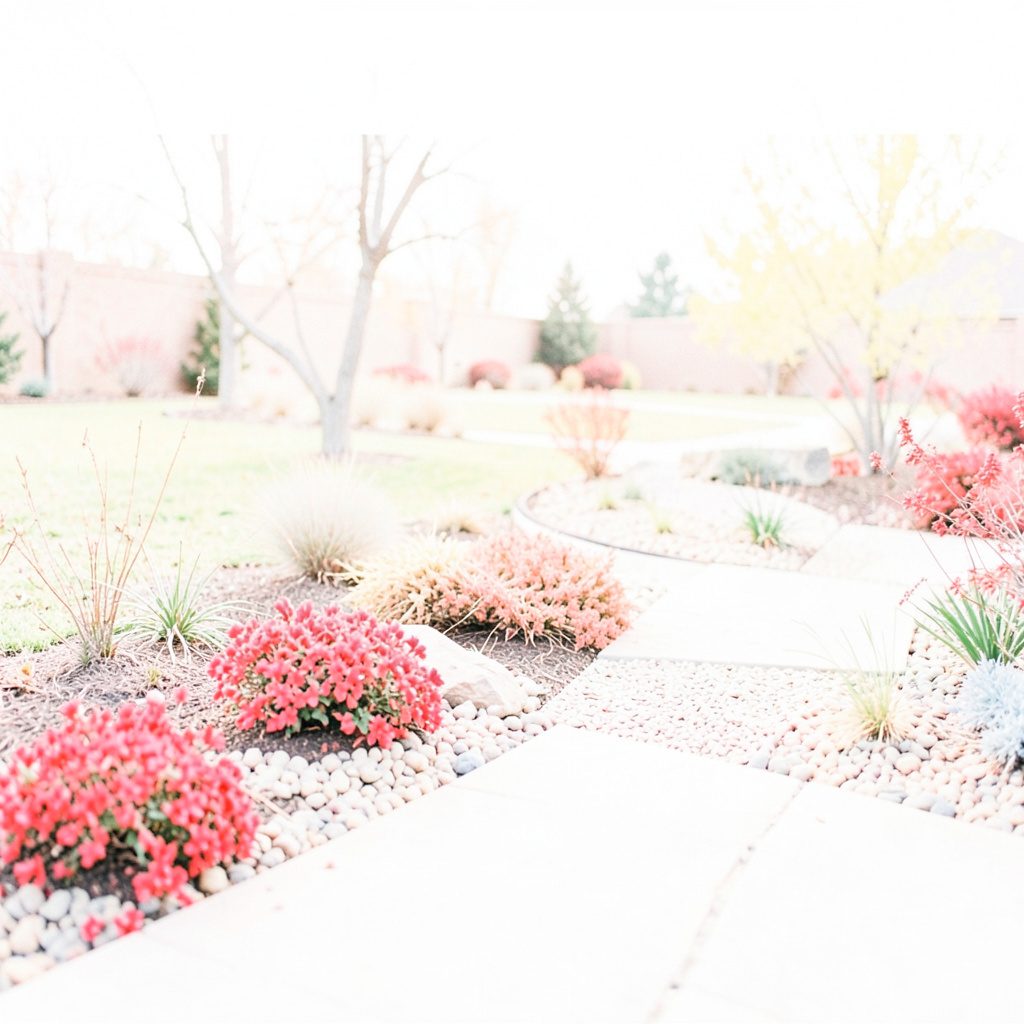
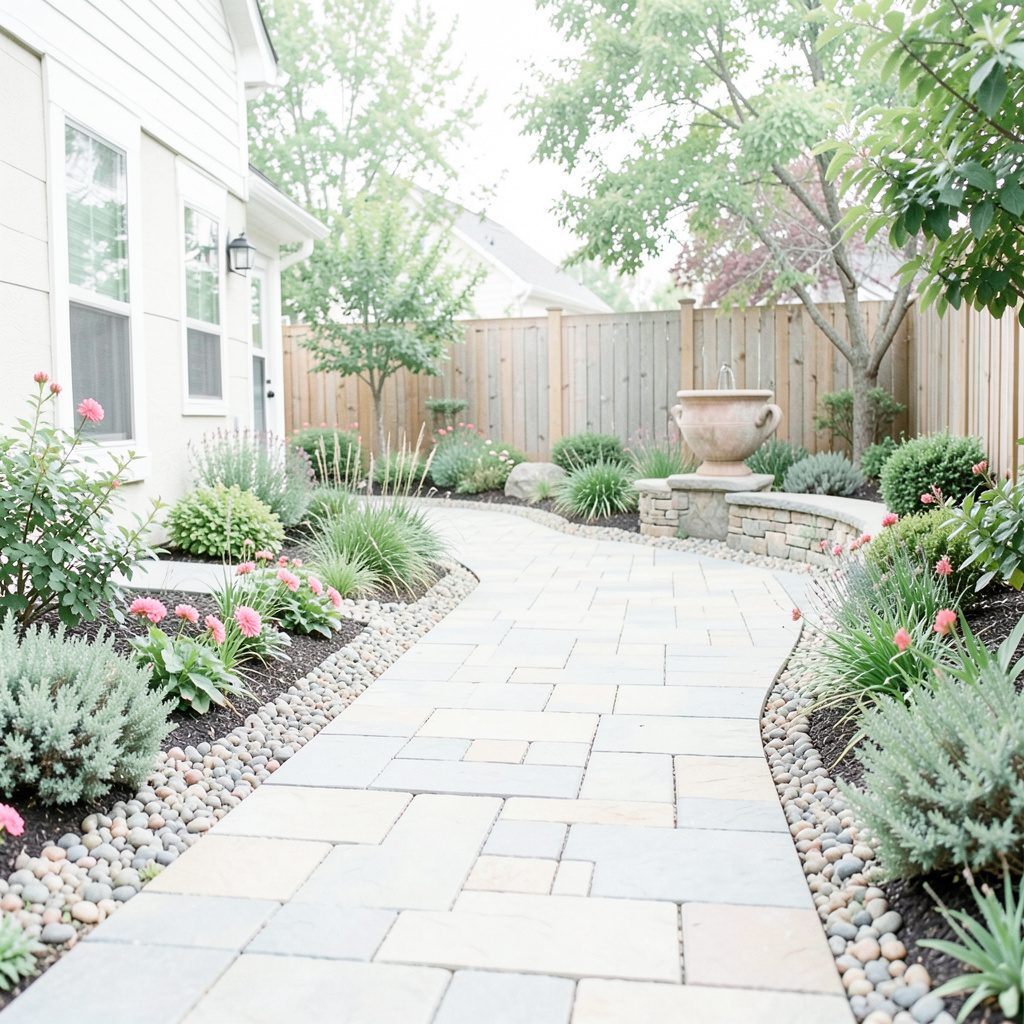
Path lighting should guide guests without turning the garden into an airport runway. Use low fixtures with shielded beams and space them evenly, avoiding bright pools that expose every paving joint. Keep lights close to the ground where they can illuminate feet, leaf texture and edging plants.
A practical guide to choosing suitable fixtures can help separate decorative products from practical path lighting. Check bulb type, operating voltage, cable length, weather rating and whether replacement bulbs are readily available in Australia.
- Low-voltage bollards for edging paths and terraces, spaced to create an even rhythm
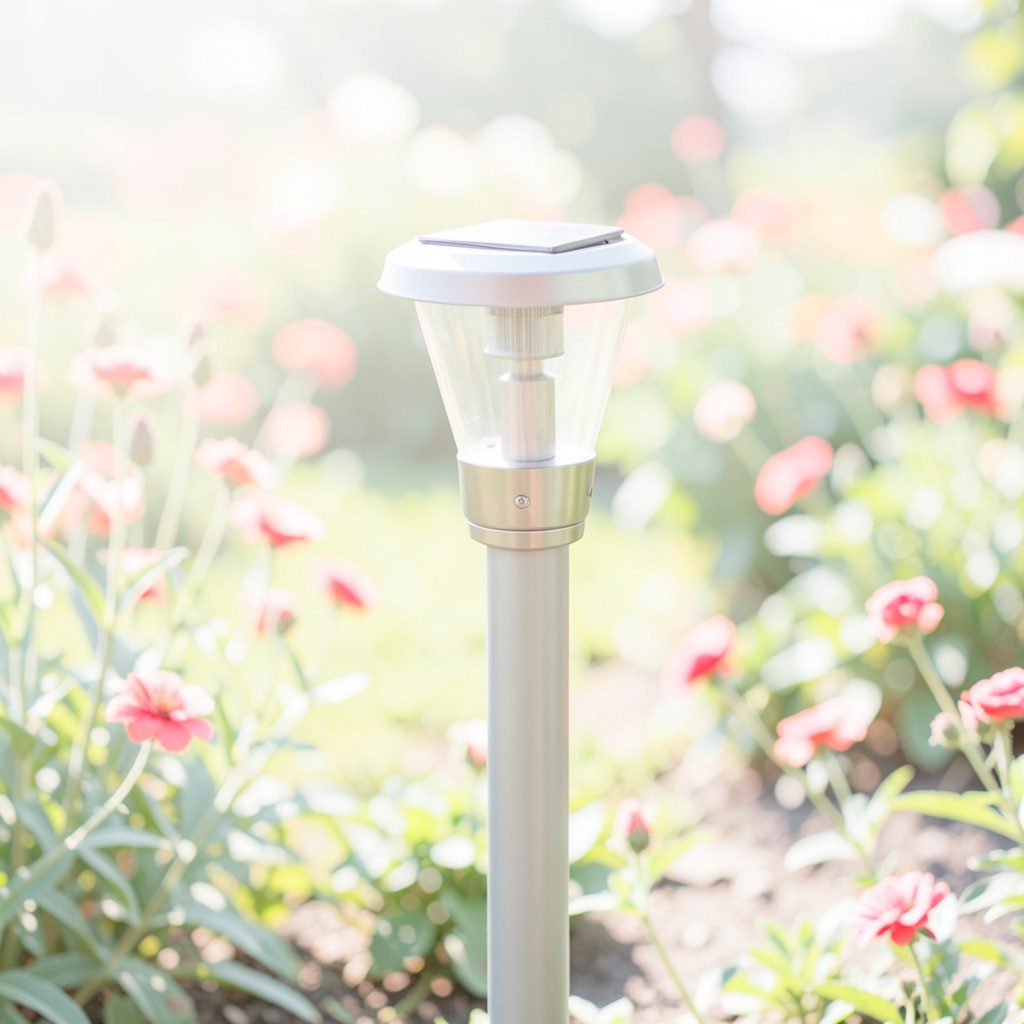
- Shielded stake lights for lavender, rosemary and low succulents without flooding the bed
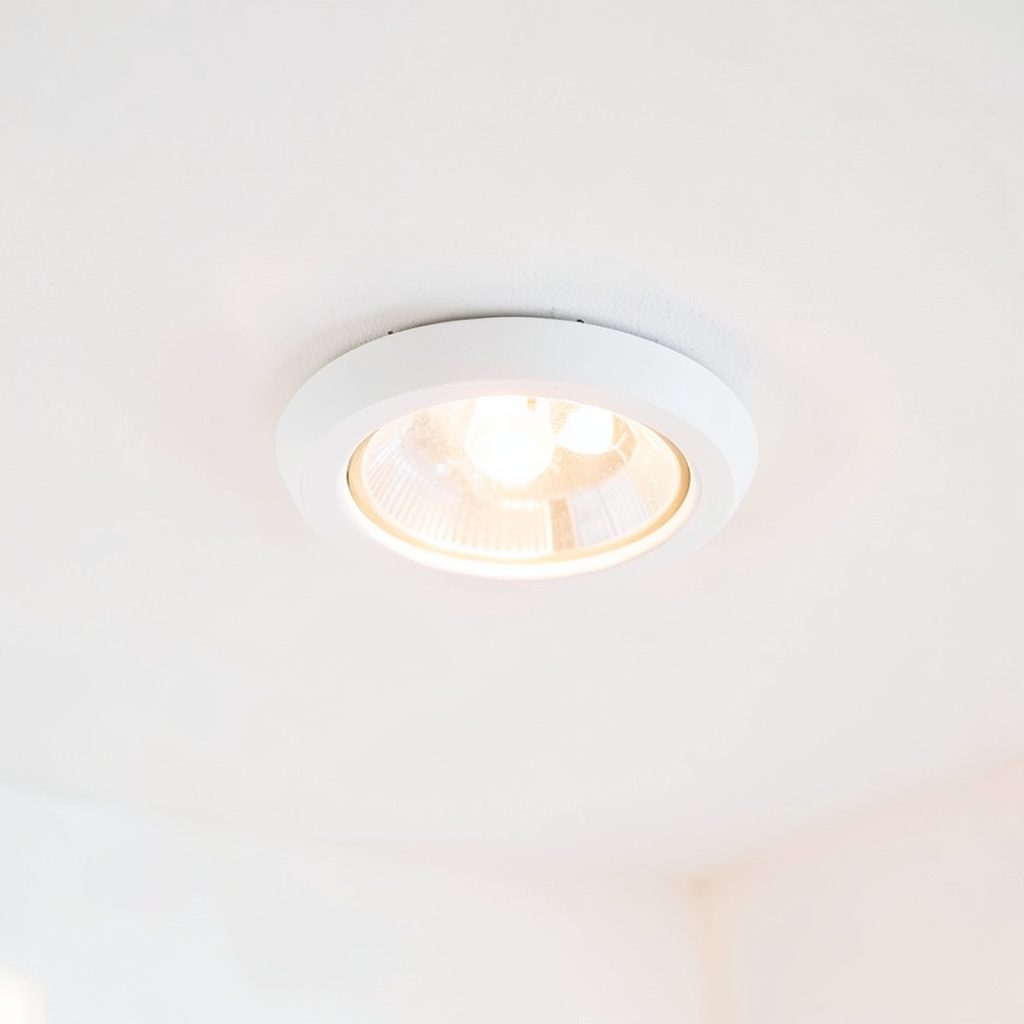
- Recessed or surface uplights for arches, pergola posts and sculptural trees
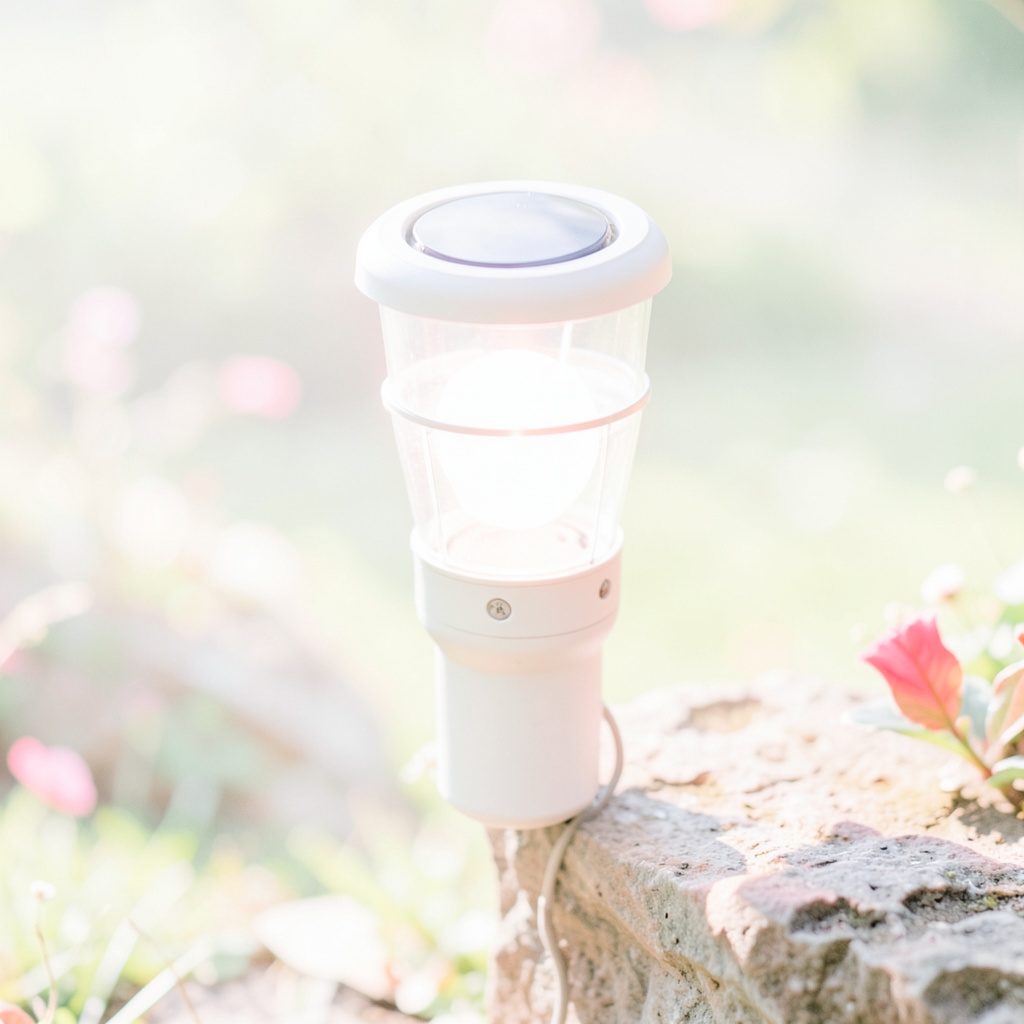
- Solar markers for informal paths where underground wiring would be disruptive
- Wall lanterns at hand height to guide guests around corners and steps
Add lanterns and festive overhead glow
Festoon lighting softens the structure of a pergola, courtyard or outdoor dining area. Run warm-white globe lights above a table, along a verandah edge or through a pergola, keeping the cable neatly supported. A Mediterranean garden benefits from the decorative shape of the bulbs, especially when a dimmer lowers their brightness after dinner.
Independent checks of string-light performance are useful when comparing globe designs, bulb spacing and outdoor ratings. Look for a reasonable operating length, replaceable bulbs and a controller that suits the installation. In exposed areas, secure cables away from foliage and confirm that the product is suitable for outdoor use before hanging it.
Compare tiki torches and solar lights
Tiki-style torches can reinforce the relaxed atmosphere of a courtyard, barbecue area or poolside path. A detailed LED tiki-torch comparison can clarify the differences between mains-powered and battery-operated models. Electric torches provide consistent output, while battery models offer greater placement flexibility.
Solar torches are particularly appealing around Australian gardens because abundant sunshine can keep them running for many evening hours. Their performance still depends on panel direction, tree cover and battery quality, so place them where they receive several hours of direct light. Test the brightness and switch mechanism before fixing their final positions.
- Electric LED torches for dependable output where a safe outdoor socket is available
- Solar torches for patios and paths in unobstructed, sunny positions
- Integrated lantern posts for fixed borders, entrances and seating areas
- Warm-white bulbs between 2200K and 2700K for a soft Mediterranean glow
- Timers or remote controls to prevent decorative lights operating all night
Shop local and compare product value
Philips is a familiar choice for integrated outdoor fittings, while InnoGear products commonly cover string lights, solar lamps and portable fixtures. Compare lumen output, colour temperature, ingress protection, warranty and replacement parts rather than judging by price alone. A slightly higher initial cost may be reasonable if the fitting is weather-rated and serviceable.
Australian shoppers commonly check Bunnings, electrical suppliers and marketplaces such as Amazon.com.au. Unlike the Home Depot in North America, it is not a standard Australian retail destination, so local stockists are usually more practical for returns and replacement parts. A specialist garden lighting catalogue can provide additional options, although overseas sellers require careful checks for shipping, 230V compatibility, Australian Type I plugs and local warranty support.
Install for Australian conditions and long-term use
Permanent cabling and fixed wall fittings should be installed by a licensed electrician using Australian standards, with residual current protection installed as required. Australian electricians commonly refer to this safety device as an RCD. Outdoor sockets, junctions and transformers need suitable weatherproof covers, and cables should run through suitable conduit rather than being exposed across paths where they could be damaged.
Coastal gardens demand extra attention to corrosion, while inland gardens face intense heat and UV degradation. Clean solar panels regularly, replace damaged seals and keep irrigation sprays away from electrical fittings. Timers, dimmers and separate switches for seating, paths and architectural lighting provide convenient control without leaving every fitting on.
The practical takeaway is to layer restrained path markers, gentle wall light and one warm overhead feature, then adjust each layer after dark for safe movement, comfortable brightness and a convincing Mediterranean atmosphere.