Featured Topics

Solar Fairy Lights That Weather Heavy Rain
Solar fairy lights can bring a soft, festive glow to an Australian garden without adding to the electricity bill. Hung through a pergola, wrapped around a small tree, or placed beside a patio seating area, they make outdoor spaces feel inviting after sunset.
Wet weather changes what makes a good set of lights. A product may look charming in a photograph but fail quickly when exposed to driving rain, strong coastal winds, damp soil, or repeated temperature changes. Weather protection, cable quality, battery design, and installation all matter.
Australian gardens also demand practical choices. A Brisbane summer storm, Melbourne winter drizzle, salty air around Sydney or Perth, and intense Western Australian sun can place very different stresses on outdoor lighting. Solar fairy lights need to suit both the local climate and the location in which they will be installed.
The most reliable approach is to treat decorative lighting as outdoor electrical equipment, even when it runs at low voltage. Look for clear specifications, protect the vulnerable connections, and position the panel where it can collect enough sunlight to recharge after cloudy days.
Start With Genuine Weather Protection
For fairy lights that will remain outside, an IP rating is one of the most useful specifications to check. The first digit relates to protection from solid particles, while the second refers to water. A higher water-resistance number generally indicates better protection against rain and splashing.
An IP44 rating may be suitable for a sheltered balcony or covered veranda, but it is not the strongest choice for a fully exposed fence or open lawn. For heavy rain, choose a string with an outdoor-rated controller, sealed lamp housings, and a solar panel designed for permanent exterior use. An IP65 or similar rating is often a more reassuring option for exposed areas, although the entire system must carry suitable protection.
The rating does not make a product indestructible. Water can still enter through a damaged cable, loose connector, or poorly sealed battery compartment. Check the manufacturer’s instructions before leaving lights outside all year, especially when a product is sold through a marketplace with limited technical information.
Examine The Cable, Bulbs, And Solar Panel
A robust cable should feel flexible without seeming thin or brittle. PVC insulation is common and affordable, while thicker rubberised cable can cope better with movement and outdoor handling. Avoid placing the string where it will be pinched by gates, crushed beneath furniture, or rubbed against sharp masonry.
LED bulbs are preferable for solar garden lighting because they use little energy and produce less heat than older technologies. Warm white LEDs tend to suit patios and entertaining areas, while cool white can make pathways and planting beds feel sharper. Philips offers familiar lighting quality in some outdoor ranges, while InnoGear is often considered for decorative solar products with multiple modes and compact panels.
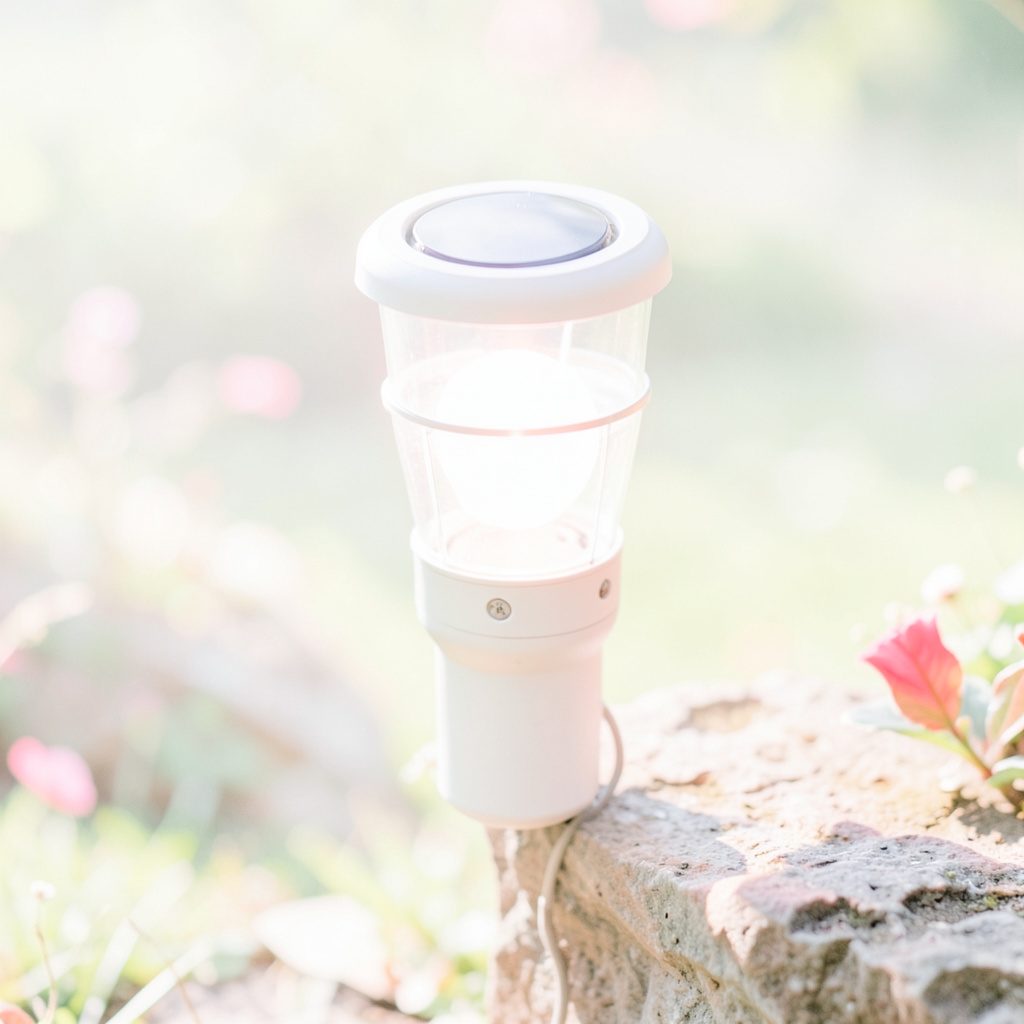
The solar panel deserves as much attention as the light string. It should have a sturdy stake or mounting bracket, a sealed junction, and an adjustable angle. In Australia, a panel facing a clear section of northern sky will usually receive stronger daily exposure, although nearby trees, rooflines, and shade from pergolas can reduce charging time.
Match The Lights To Australian Garden Conditions
Coastal homes need extra care because salt carried in the air can corrode metal clips, springs, and battery contacts. Rinse exposed fittings occasionally with fresh water and dry them fully. In places such as Newcastle, Gold Coast, and Fremantle, choose corrosion-resistant hardware and avoid leaving connectors where water can pool.
In bushfire-prone regions, decorative lights should be kept away from dry leaf litter, flammable mulch, and overhanging branches. Solar fairy lights create little heat, but their cables and plastic components still need sensible placement. During severe weather warnings, bring portable panels and loose decorations indoors where practical.
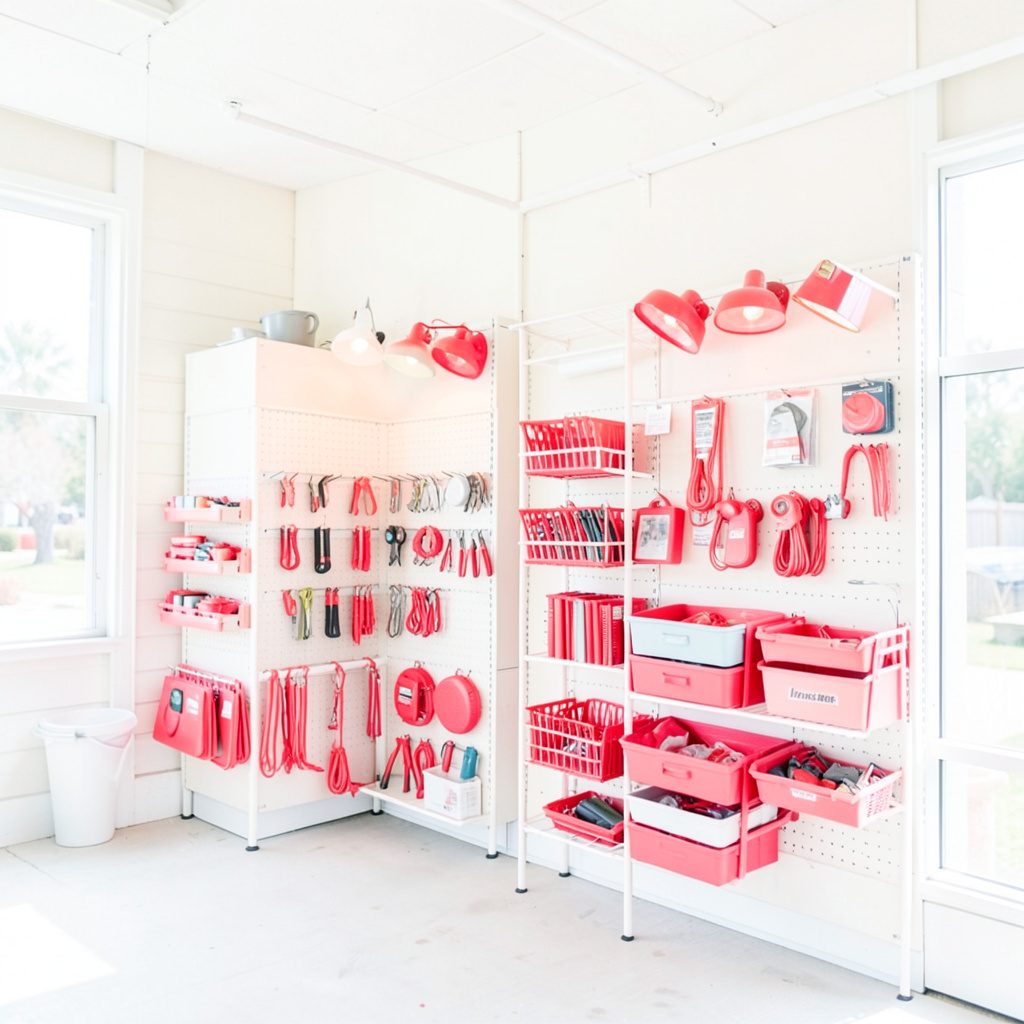
Wet soil can also affect how securely a panel or light stake remains upright. A broad, stable base works better than a thin spike in soft ground. If you are improving a bed before installing lighting, this comparison of garden fork designs explains how different tools can help prepare compacted soil without unnecessarily disturbing established plants.
Protect Connections And Mounting Points
Most failures occur at connection points rather than along the visible string. Keep plugs, switches, and battery compartments elevated from puddles and mulch. A small covered ledge, fence rail, or weatherproof box can prevent splashback from reaching sensitive components.
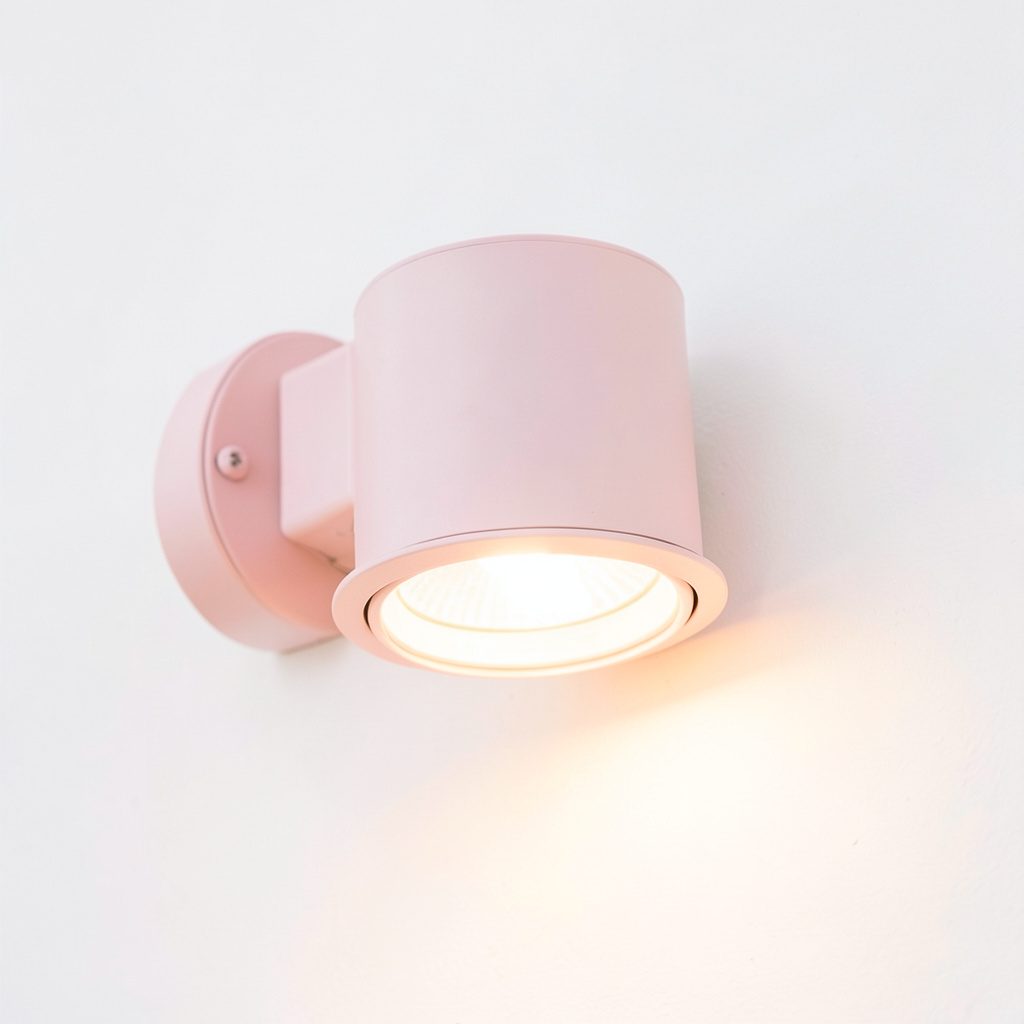
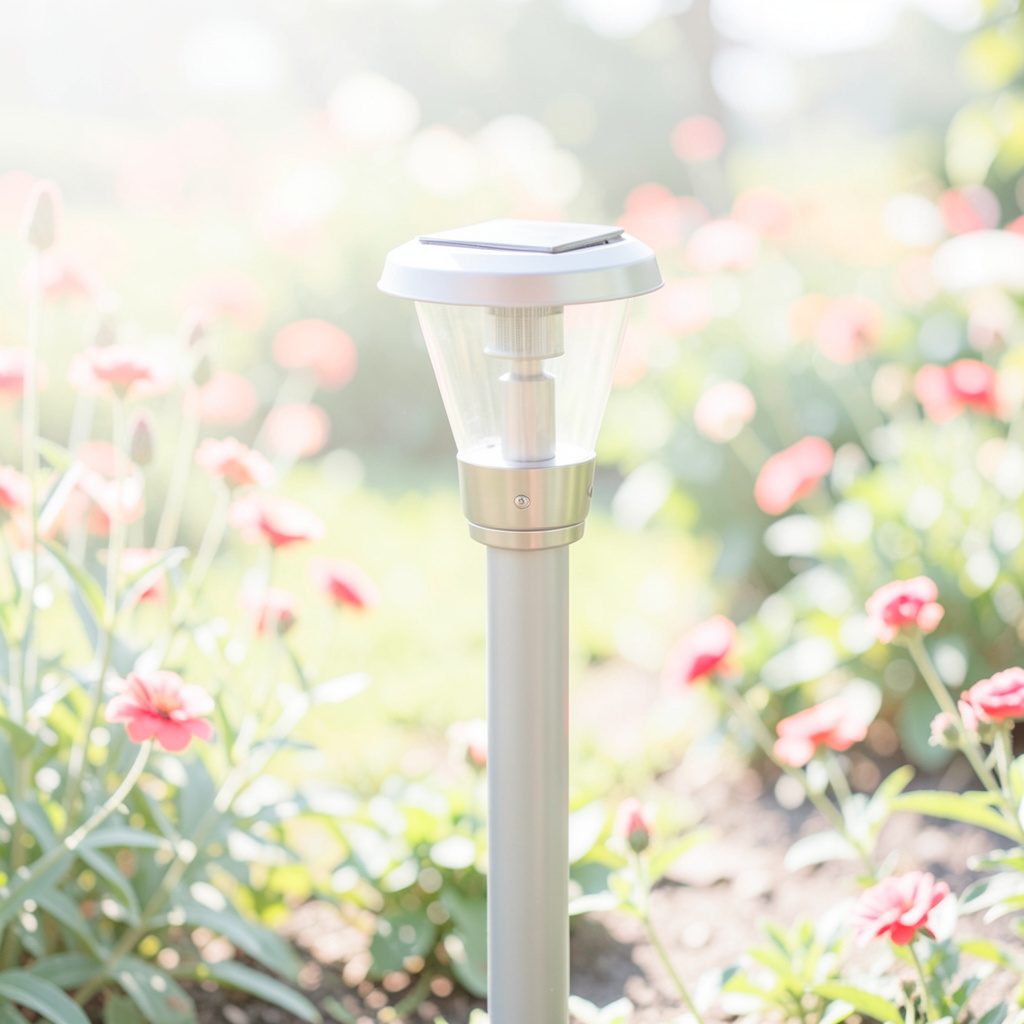
For fences and retaining walls, mounting accessories should be firmly fixed rather than simply balanced on top. A solar cap can provide both practical illumination and a neat finish; this guide to a solar fence post cap is useful when planning low-level boundary lighting.
Avoid stapling directly through the cable. Use outdoor clips, soft ties, or purpose-made hooks that hold the wire without cutting into its insulation. Leave a little slack around corners so wind movement does not pull against the lamp housings or panel connection.
Features Worth Prioritising
The most dependable sets usually combine several modest advantages rather than relying on a single impressive claim. Before buying, compare the following details:
- A clearly stated outdoor IP rating for the lights and controller
- Replaceable or accessible rechargeable batteries
- A solar panel with an adjustable angle and solid mounting stake
- Flexible, well-insulated cable with sealed joins
- A timer or light sensor that prevents unnecessary overnight drain
Some features are less valuable when they come at the expense of basic durability. Be cautious with products that offer many flashing patterns but provide little information about construction or warranty support. For a rain-exposed garden, prioritise these qualities:
- Sealed battery housing with a secure closure
- Rust-resistant clips, screws, and mounting brackets
- Warm-white or dimmable settings for comfortable evening use
- Spare parts or replacement bulbs where available
- Clear Australian warranty and retailer information
A low price can still be worthwhile if the lights are placed under cover and treated as seasonal decoration. For a permanently exposed installation, paying more for stronger materials may reduce the cost and inconvenience of replacing failed strings every year.
Plan Placement Around Sunlight And Style
Place the panel where it receives several hours of direct sun, not merely where the lights look attractive. A southern-facing wall, dense canopy, or tall neighbouring building can leave the battery undercharged. In Melbourne, winter cloud can make charging especially inconsistent, while tropical areas may receive strong sun but intense rainfall and rapid plant growth.
Use the light string to emphasise existing features rather than cover every surface. A line along a pergola, a gentle loop through a citrus tree, or a few strands around a raised planter can create depth. For a more curated international garden look, interior and exterior inspiration can help you compare restrained, architectural arrangements with more playful decorative displays.
Solar fairy lights work well beside lanterns, step lights, and low-voltage garden fixtures. Keep brighter security lighting separate from decorative lighting so the warm glow is not overwhelmed by a motion sensor near the back door. A layered scheme makes a small courtyard feel larger while preserving useful visibility.
Build A Layered Evening Lighting Scheme
String lights should provide atmosphere, not perform every lighting task. Pathways need even illumination, steps need clear edges, and entertaining zones benefit from light directed towards tables and seating. Decorative strands can then soften the spaces between these practical points.
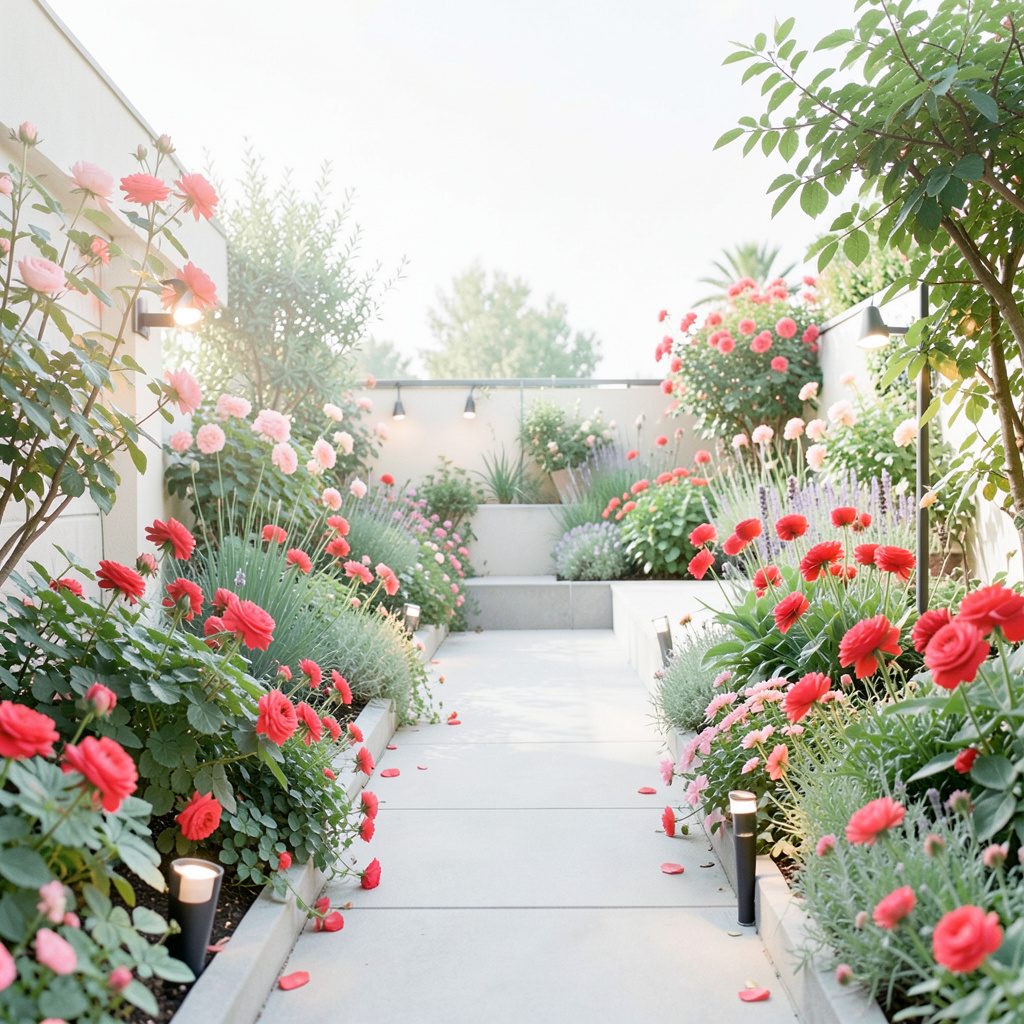
For narrow paths, discreet fixtures are usually more effective than draping a cable across the route. Affordable pathway lighting ideas can show how to create a welcoming route without making the garden resemble a commercial car park.
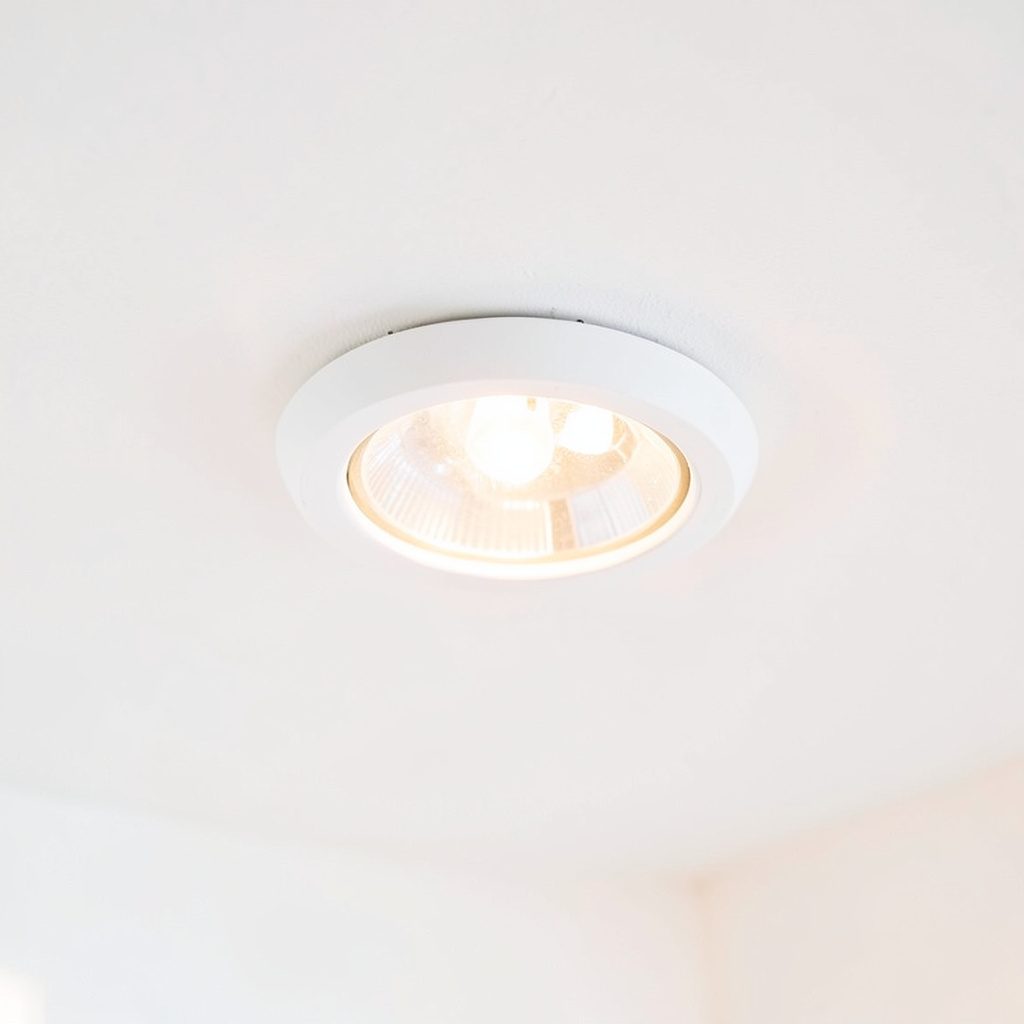
Under a covered alfresco, a low-voltage LED strip may be a better choice than multiple loose strings. This overview of under-cabinet LED strips can help when adding a clean line beneath benches, outdoor kitchens, or built-in shelves. Keep strips and their power supplies rated for the degree of exposure they will receive.
Maintain Performance After Heavy Rain
After a major storm, inspect the panel, cable, and lowest points of the installation. Remove leaves from the panel surface, check that stakes have not tilted, and look for water trapped inside a lens or battery compartment. Do not use a string showing cracked insulation, exposed wiring, or corrosion around the contacts.
Clean the panel with a soft damp cloth rather than abrasive products. Trim nearby foliage if it begins shading the panel, and recharge or replace batteries according to the manufacturer’s instructions. If the lights become noticeably dim, the battery may be ageing rather than the panel failing.
Retailers such as Amazon Australia and Bunnings make it easy to compare outdoor lighting, while Home Depot listings can offer useful product terminology even when a particular model is not sold locally. Always verify Australian voltage, warranty coverage, delivery conditions, and replacement battery availability before ordering from overseas.
The best solar fairy lights for heavy rain are the ones chosen for their complete system: sealed components, dependable mounting, suitable sunlight, and sensible placement. Remember that weather resistance is a combination of product quality and installation care, so protect the connections, inspect the lights after storms, and choose durability before decoration.