Featured Topics
Solar-Powered Fence Post Cap Lights: Worth It?
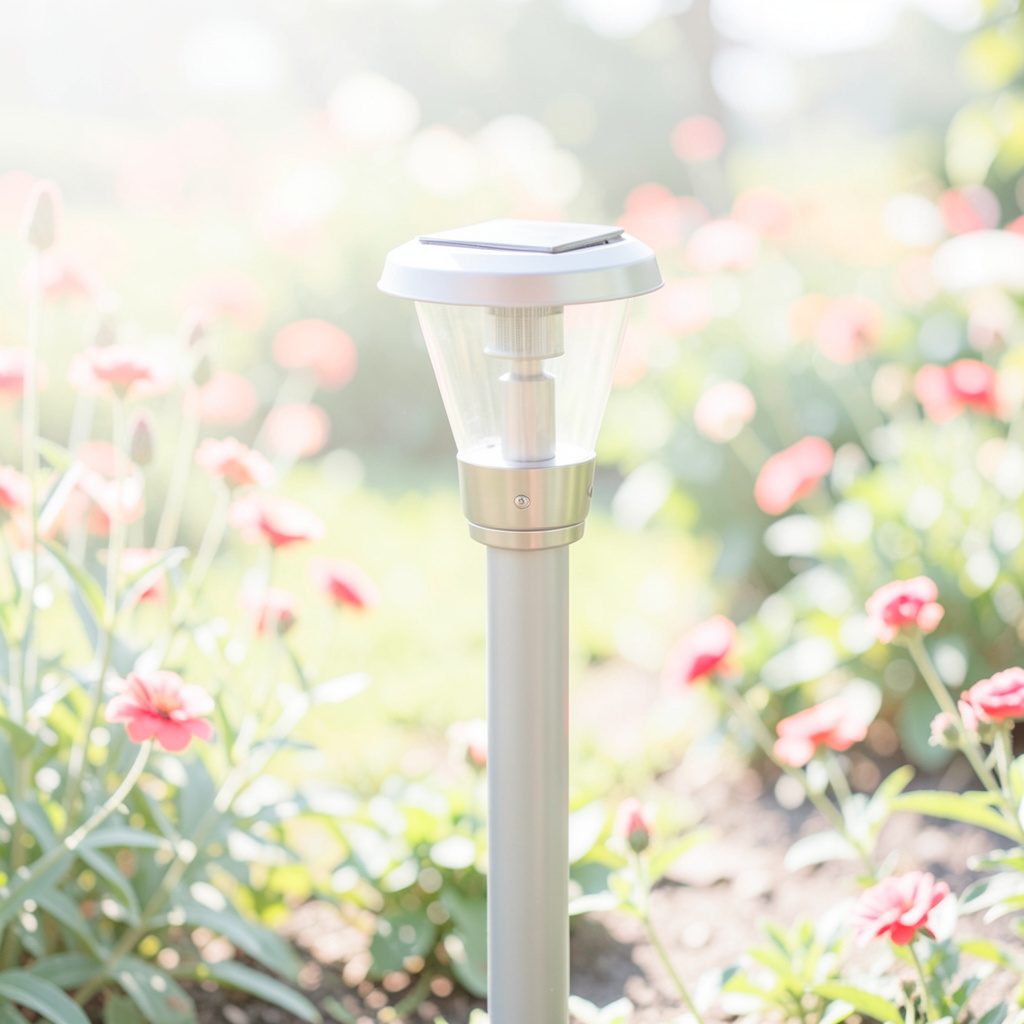
Solar-powered fence post cap lights can give a garden a finished look without adding electrical wiring, trenching or a higher power bill. During the day, a small photovoltaic panel stores energy in a rechargeable battery; after sunset, LEDs provide a soft glow over fence lines, gates and entertaining areas. Learn more about Craps Spin.
For Australian homes, the appeal is easy to understand. A well-placed cap light can make a courtyard feel warmer, help guests find the side gate after a barbecue, and add gentle definition to a boundary without making the garden look overlit. It is a modest upgrade, but the right product can have a surprisingly polished effect.
The catch is that solar lighting quality varies widely. Some inexpensive units look attractive in product photos yet produce weak light, lose charge quickly or develop cloudy plastic after prolonged exposure to strong ultraviolet rays. A fence that receives afternoon shade may also leave its lights dim by midnight.
The real question is not whether solar fence lights work at all. It is whether they provide enough brightness, weather resistance and reliability for your particular fence, climate and expectations. In many cases, they are worth it as decorative and low-level safety lighting, though they are rarely a substitute for a proper security floodlight.
What Fence Post Cap Lights Actually Do
A solar post cap light fits over the top of a timber, metal or masonry fence post. Most models use a compact solar panel, a light sensor, an internal battery and several LEDs. They switch on automatically at dusk and turn off or fade when the stored energy runs out.
Their main role is visual rather than functional illumination. They outline the fence, mark a gate or add rhythm along a long boundary. Warm white LEDs create a relaxed atmosphere for patios and terraces, while cool white light gives a sharper, more contemporary appearance.
The beam is usually directed downwards or diffused through a translucent cover. That makes these fittings suitable for edging and ambience, but the output is generally too low to illuminate a large lawn or deter an intruder on its own. For those tasks, dedicated LED flood lights are more appropriate.
The Benefits For An Australian Garden
The biggest advantage is simple installation. There is no electrician, underground cable or outdoor power point required, provided the post cap is compatible with the fence. That suits renters, renovators and homeowners who want to refresh a garden before selling without committing to a full lighting system.
Running costs are close to zero after purchase, and the automatic dusk-to-dawn operation is convenient. Solar caps are useful around pool fences, driveway boundaries and side passages where running mains power would be awkward. They also complement other outdoor LED lighting without competing with brighter fixtures.
Australia’s long summer days can be helpful for charging, particularly in sunny parts of Western Australia, South Australia and inland New South Wales. In tropical Queensland, however, heavy cloud, humidity and storms may reduce performance at certain times of year. The product still works, but expectations should match local conditions.
Where The Value Starts To Drop
A solar fence post cap is less appealing when the fence is shaded by a verandah, established trees or a neighbouring building. The panel needs direct, reasonably strong daylight, and bright ambient conditions under shade are not always enough to fully recharge a small battery.
Winter also exposes weak products. Shorter days and lower sun angles can reduce operating time, especially in Melbourne, Hobart and other southern locations. A fitting advertised as lasting eight hours may deliver much less after several overcast days.
The light can also be too subtle for people expecting a bright pathway. If the aim is to read house numbers, illuminate steps or cover a broad driveway, choose a stronger solar wall light or wired fixture instead. Fence caps are best judged as accents, markers and gentle boundary lighting.
Features Worth Paying For
A good unit should have a panel that is proportionate to its LED output and battery capacity. A larger panel is not automatically better, but very small panels paired with several bright LEDs often indicate limited runtime. Look for clear charging information and a realistic operating-time claim.
Construction matters in the Australian outdoors. Choose weather-resistant housings, UV-stable plastics or powder-coated metal, sealed battery compartments and corrosion-resistant screws. Coastal homes around Newcastle, Sydney or Perth need extra care because salt air can damage cheap metal finishes.
Useful buying details include:
- A replaceable rechargeable battery rather than a permanently sealed cell
- A warm-white setting around 2700K to 3000K for relaxed entertaining areas
- A secure mounting sleeve that matches the post dimensions
- An automatic light sensor with a simple on/off switch
- An IP weather-resistance rating suited to exposed outdoor use
- A diffuser that reduces glare when viewed from the patio
Battery replacement is often overlooked. Even a well-made solar light may need a new rechargeable cell after a few years. If the battery can be accessed with ordinary screws, maintenance is cheaper and less wasteful than replacing the whole fitting.
Matching The Lights To Your Fence
Measure the post width and shape before ordering. Australian fences commonly use square timber posts, steel posts and masonry columns, and a cap designed for one style may wobble or leave gaps on another. Some products include adaptor rings, while others require a separate mounting base.
Spacing changes the visual effect. Placing a light on every post creates a consistent architectural line, but it can become expensive along a long suburban boundary. Installing them at the gate, corners and changes in direction often gives enough definition without covering every metre.
Think about the view from inside the home as well as from the street. A bright row of lights at eye level may cause glare in a lounge room or annoy neighbours. Downward-facing designs with frosted diffusers are usually more comfortable for patios, balconies and close-set suburban blocks.
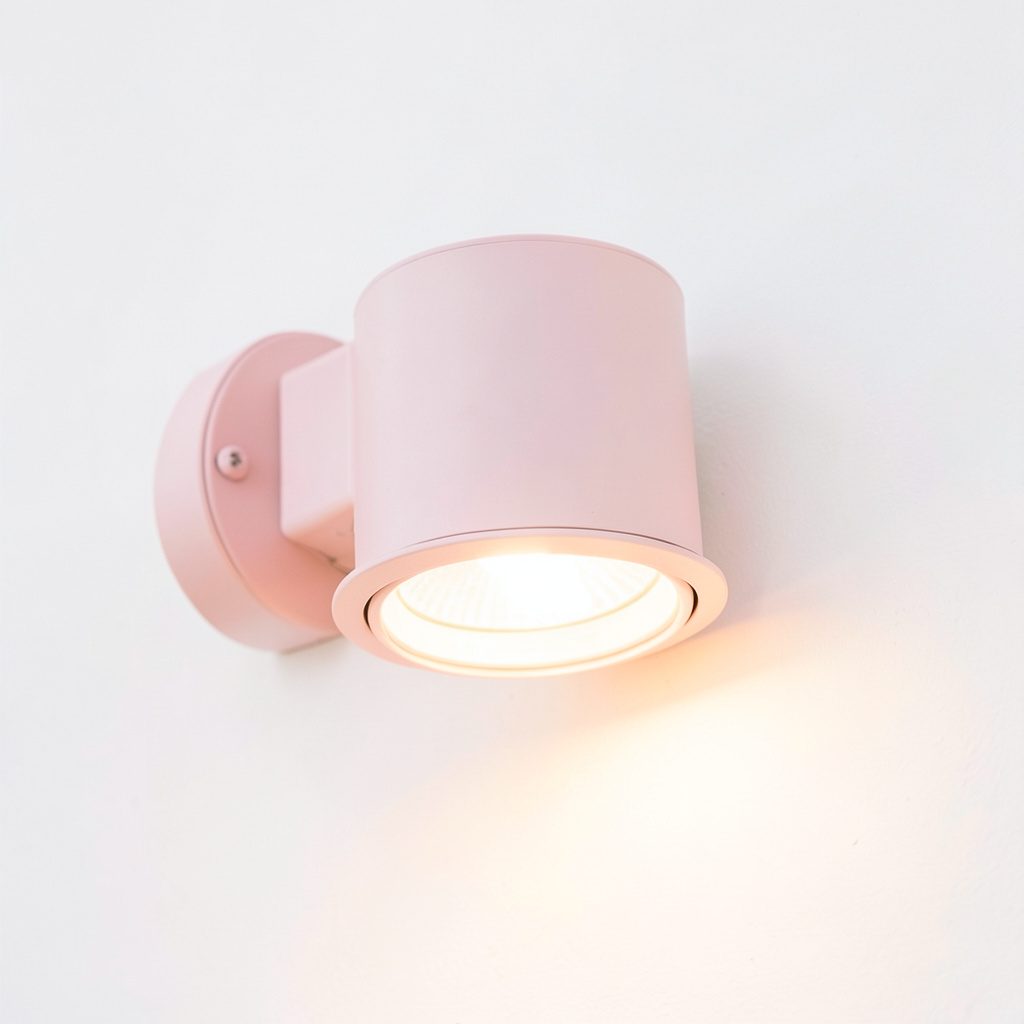
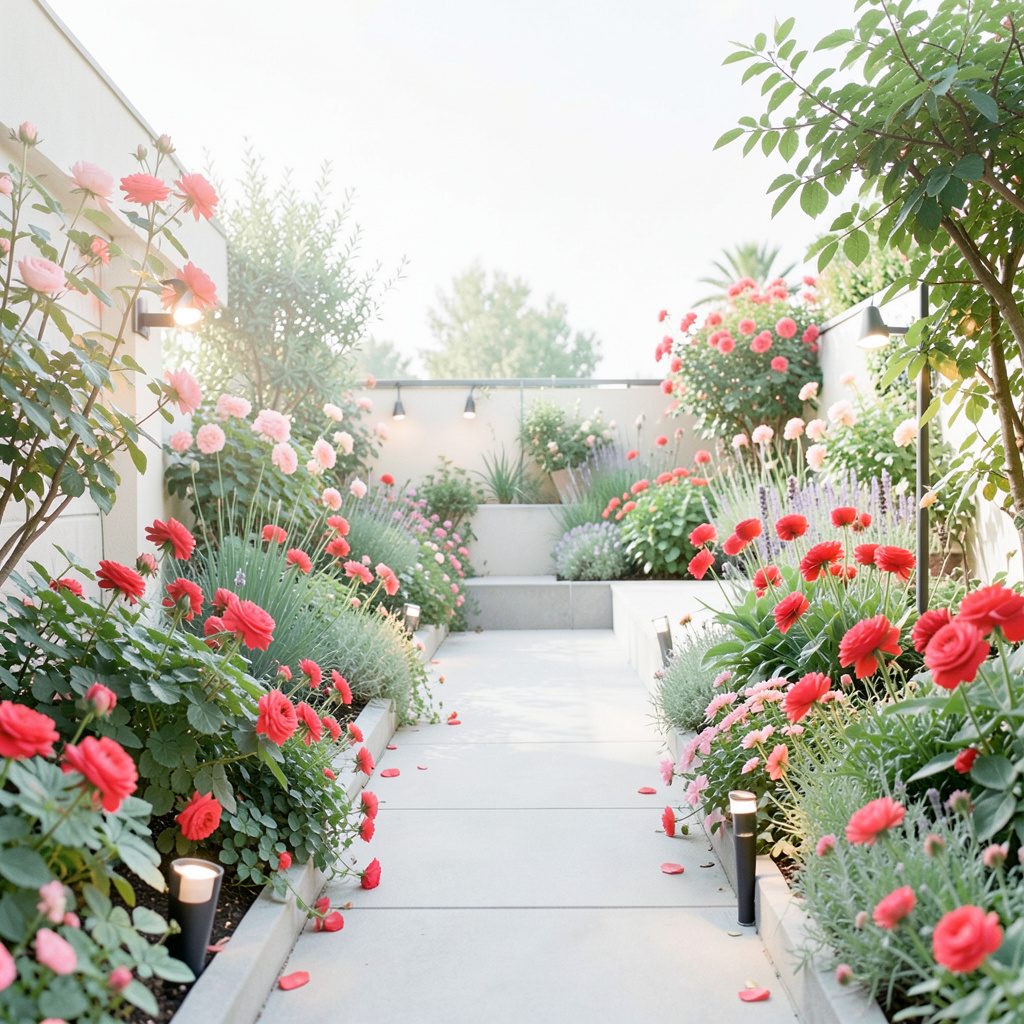
A considered garden-lighting scheme can also benefit from uneven emphasis. Use fence caps for the boundary, low bollards for a path and a controlled wall light near the back door. This layered approach feels more natural than asking one small solar fitting to perform every job.
Installation And Care In The Real World
Before fitting the caps, place them temporarily on the fence and observe the area after dark. This reveals whether nearby trees, rooflines or buildings block useful sunlight and whether the light lands where you expect. Avoid positioning panels under eaves unless the product is designed for indirect charging.
Keep the panel surface clean. Dust, bird droppings, salt residue and pollen reduce the light reaching the photovoltaic cells. A soft damp cloth is usually enough; abrasive cleaners can scratch the surface and make future cleaning less effective.
After severe storms, check for cracked covers, loose screws and water inside the battery compartment. In bushfire-prone regions, clear dry leaves and mulch away from the base of the fence and do not treat decorative solar lights as fire protection. They provide visibility, not a compliant emergency lighting system.
For practical home and garden context, Meredith's author profile offers useful background on the perspective behind recommendations. Product research should still include current specifications, warranty terms and reviews from buyers living in similar Australian conditions.
When Solar Is The Better Choice
Solar caps make sense when installation simplicity, low running costs and visual atmosphere matter most. They are particularly suitable for a garden makeover, a rental-friendly update, a new fence or a home where adding outdoor cabling would be disruptive.
They are also a sensible choice for low-traffic areas that need occasional illumination. A side gate, rear boundary or shed path may not justify a permanently powered fitting. Even a few hours of soft light can make the garden easier to navigate after an evening outdoors.
The decision becomes less favourable when reliability is critical. Areas that need dependable illumination every night, such as steep steps or a frequently used driveway, deserve a mains-powered or professionally installed alternative. Solar output naturally changes with weather and season.
Before purchasing, assess these practical points:
- How many hours of direct sunlight reach the fence each day
- Whether the post size matches the product’s mounting dimensions
- If warm, neutral or cool white light suits the existing garden
- How easily the battery and cover can be replaced
- Whether the brightness is decorative or genuinely task-focused
- How exposed the installation is to rain, salt and strong sun
The Practical Verdict
Solar-powered fence post cap lights are worth it when the goal is a neat, inexpensive layer of outdoor lighting rather than powerful illumination. They can improve the appearance of a boundary, make a gate easier to find and support relaxed entertaining with minimal installation effort.
Their value depends heavily on buying for the site. A sunny fence, durable housing, accessible battery and appropriate brightness will produce a far better result than the cheapest decorative set. In Australia, pay particular attention to UV exposure, coastal moisture, seasonal sunlight and the difference between a product designed for ambience and one marketed as security lighting.
Treat them as one part of a wider landscape plan. Combine subtle fence lighting with sensible pathway lights and a properly positioned security fitting where required. The key thing to remember is that solar fence caps are most successful when chosen for gentle guidance and atmosphere, not when expected to replace dependable high-output lighting.