Featured Topics

Pathway Lights That Look High-End Without the Price Tag
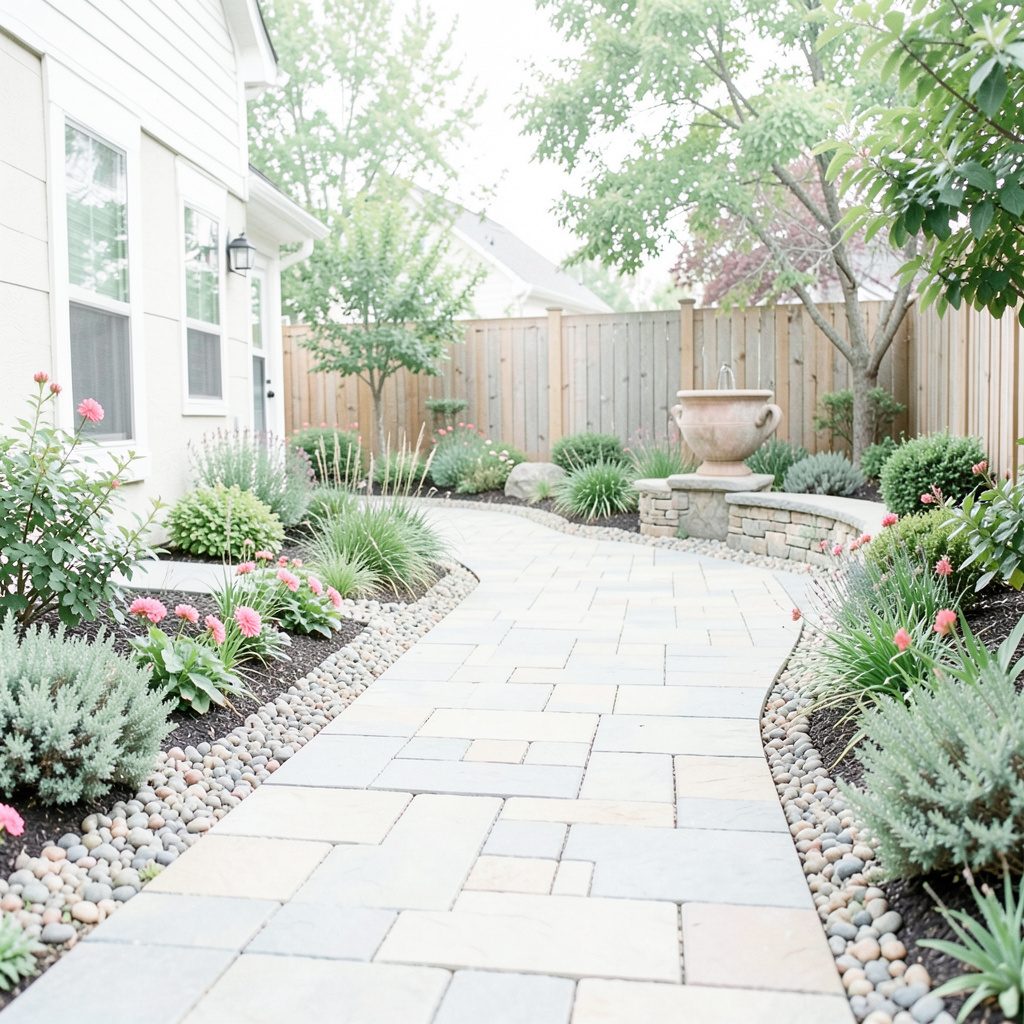
A path lit well is one of the quietest luxuries a home can offer. The kind of evening stroll along the side of the house, past the agapanthus and down toward the laundry door, becomes something else entirely when soft glows mark every step. Plenty of Aussies assume this look is reserved for display homes or catalogues with five-figure budgets, but the current crop of budget-conscious fixtures has closed the gap dramatically.
The trick is knowing where to spend and where to save. Spending more on bulbs and finish while saving on mounting hardware usually gives a better return than buying an expensive kit of flimsy units. Most picks worth your money come through Bunnings, Amazon Australia, or specialist garden retailers, and they share qualities like warm colour temperatures, solid metal or composite bodies, and beam spreads that flatter rather than blast the eye.
Australian conditions shape what counts as good value. Salt-laden air around the Mornington Peninsula or Byron can chew through cheap aluminium in a season, so material matters as much as price. Long summer days across most of the country make solar a genuinely viable option. A fixture that survives a few years of harsh UV, southerly busters, and the occasional spider web will earn its keep far quicker than one that fails before the first Christmas.
Below is a guide to the styles, finishes, and small choices that quietly elevate a path from purely functional to genuinely stylish. The aim is straightforward: spend less per fixture, but choose with the eye of someone spending more.
Choosing the right style for your home
Different homes suit different path lighting styles, and the cheapest option is rarely the best fit. A renovated Queenslander with hoop pine floors and a deep verandah tends to look awkward under stark white modern spikes, while a contemporary townhouse in inner Melbourne can be flattered by exactly that crisp linear look. Coastal shacks around the Mornington or Sunshine coasts pair better with weathered bronze or matte black, which sits comfortably against spotted gum decking and salt-bleached timber.
Garden styles matter too. A native garden with lomandra, kangaroo paw, and dense groundcovers wants a softer source, because sharp beams pick out awkward clumps. A formal courtyard with clipped buxus or geometric pavers calls for crisp spacing and a tighter beam. Mixing too many fixture types in one run is the fastest way to lose the high-end feel, even when every individual light is excellent on its own.
Finish and material that justifies the spend
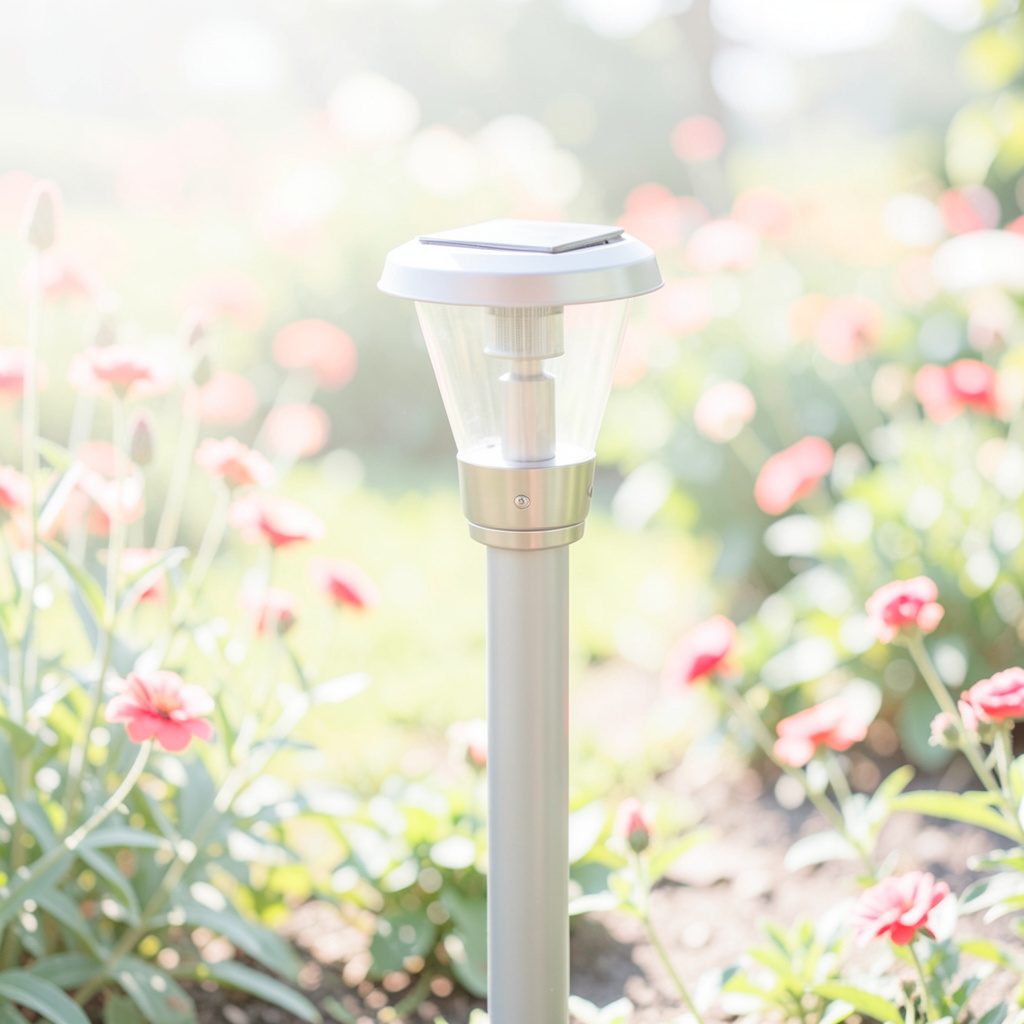
The finish is the detail most people underestimate. A powder-coated aluminium spike under $30 can look like a $200 brass light for six months, but once the coating chalks and the salt gets to work, the illusion is gone. Marine-grade stainless or solid brass costs more up front but ages gracefully, picking up patina rather than pitting. For most suburban blocks in Sydney or Perth, an IP65-rated spike in die-cast aluminium with a proper warranty will outlast a cheaper one by several seasons.
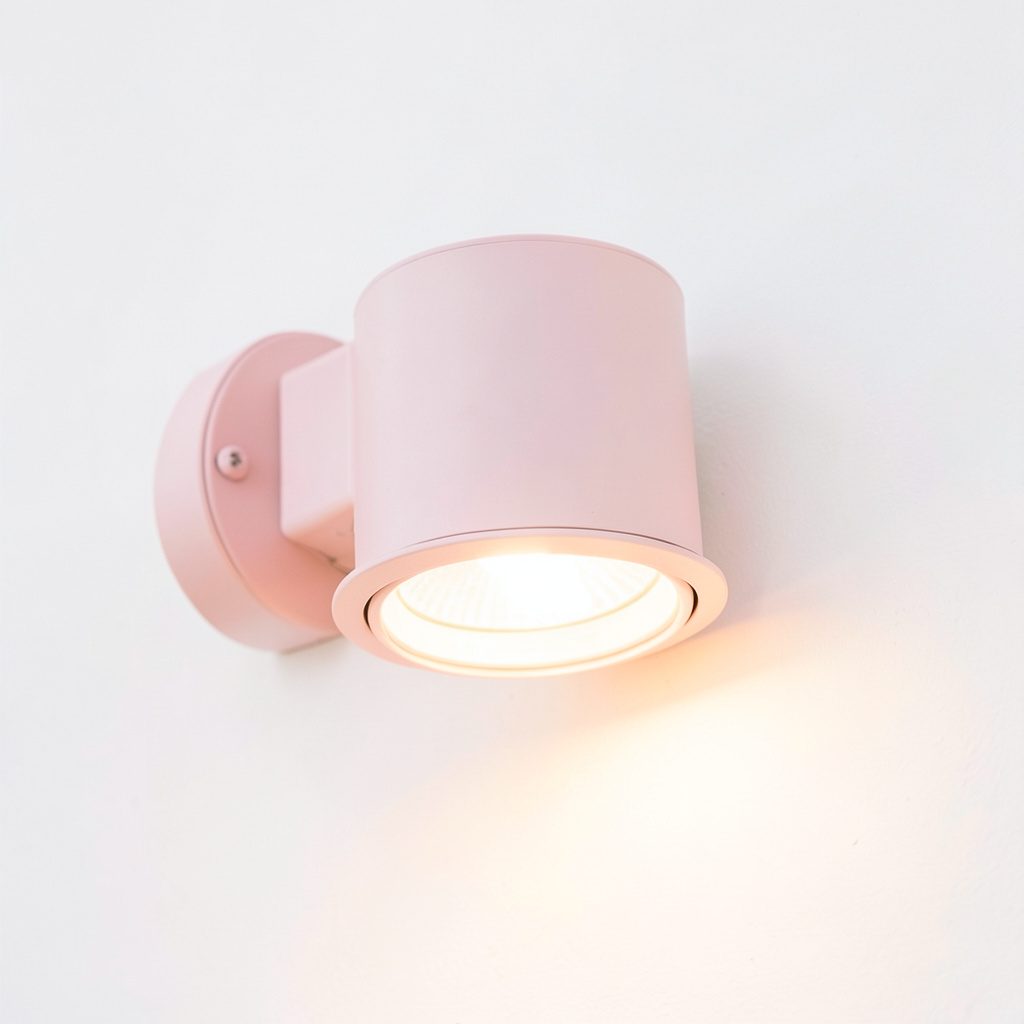
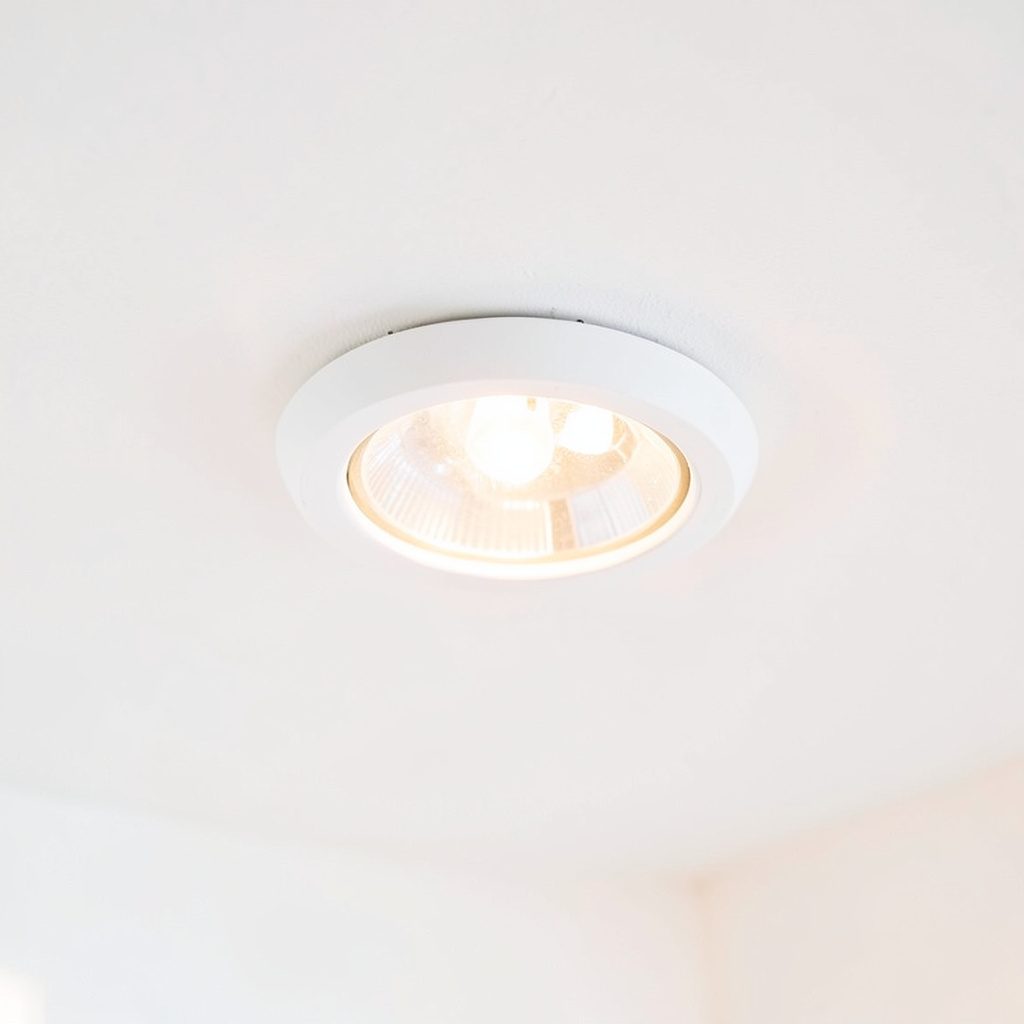
Glass quality is the second giveaway. Frosted or seeded glass diffuses the bulb more elegantly than clear plastic and softens the LED hotspots. A recessed LED inside a deep reflector reads as deliberate design; a naked chip behind a flat lens looks more like a torch duct-taped to a stick. If you grow herbs or vegies along the path, the same warm 2700K to 3000K choice that flatters greenery will do double duty, which is why the veggie patch guide leans toward the same advice for edible beds.
Going solar without cutting corners
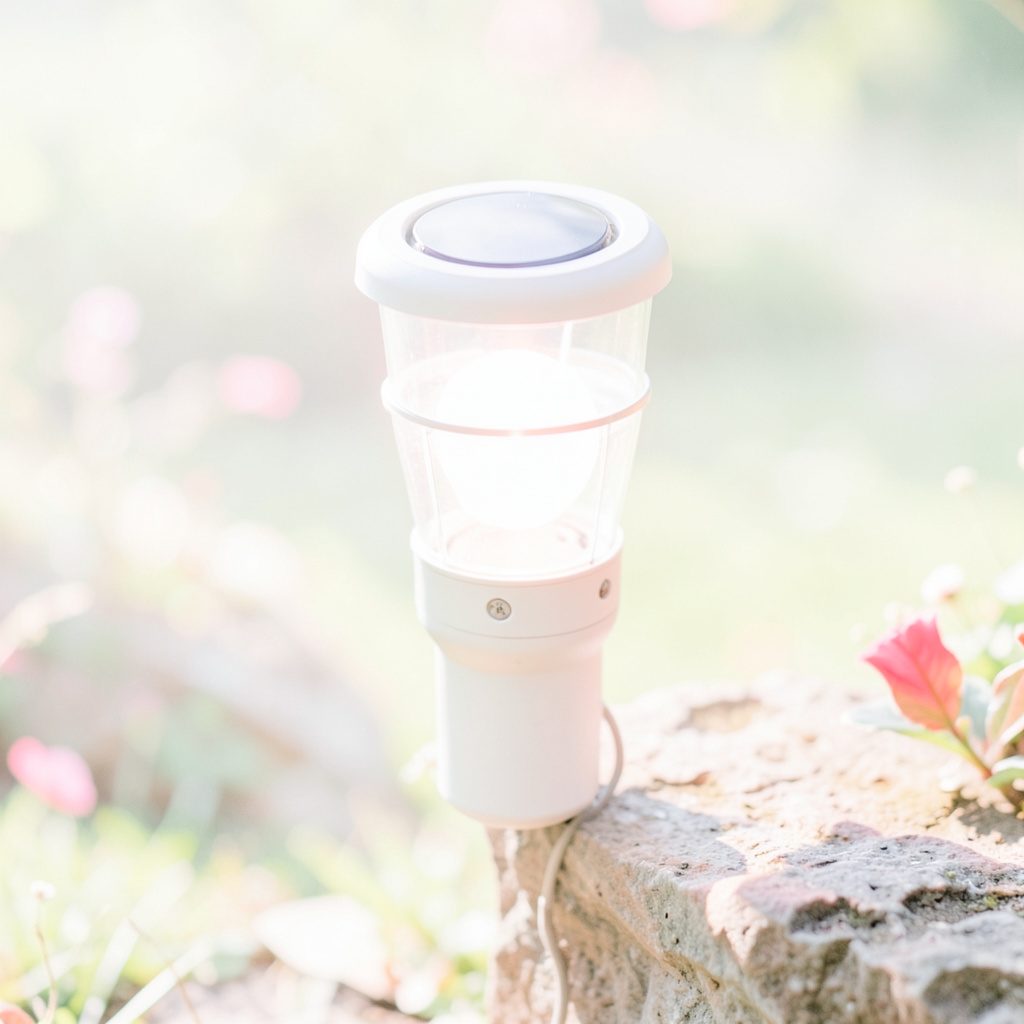
Solar has matured fast, and Australia is one of the best places to take advantage of it. Modern panels are far more efficient than the dim units of a decade ago, and a good solar spike can deliver a full evening of usable light after a decent day. The cheapest solar lights still suffer from weak batteries and plastic lenses, so a solid body and replaceable cells matter as much here as in any mains-connected fixture.
Spacing is where solar lights often disappoint. People cluster them too close for fear they look weak, or spread them so far apart the path resembles a runway. Aim for 1.5 to 2 metres between fixtures, slightly closer at bends, and avoid heavy shade. A north-facing run in Brisbane or Adelaide will reward you; a south-facing path under a big eucalyptus in Hobart might leave you fumbling for the torch.
Hybrid units combining solar with USB charging have become a smart option for tricky spots. They cost a touch more than basic solar spikes but solve the problem of overcast winters or shaded paths without running a single cable. Worth checking the warranties, because the cheap end of the market often hides poor cells behind glossy finishes.
Smart placement that reads as designer work
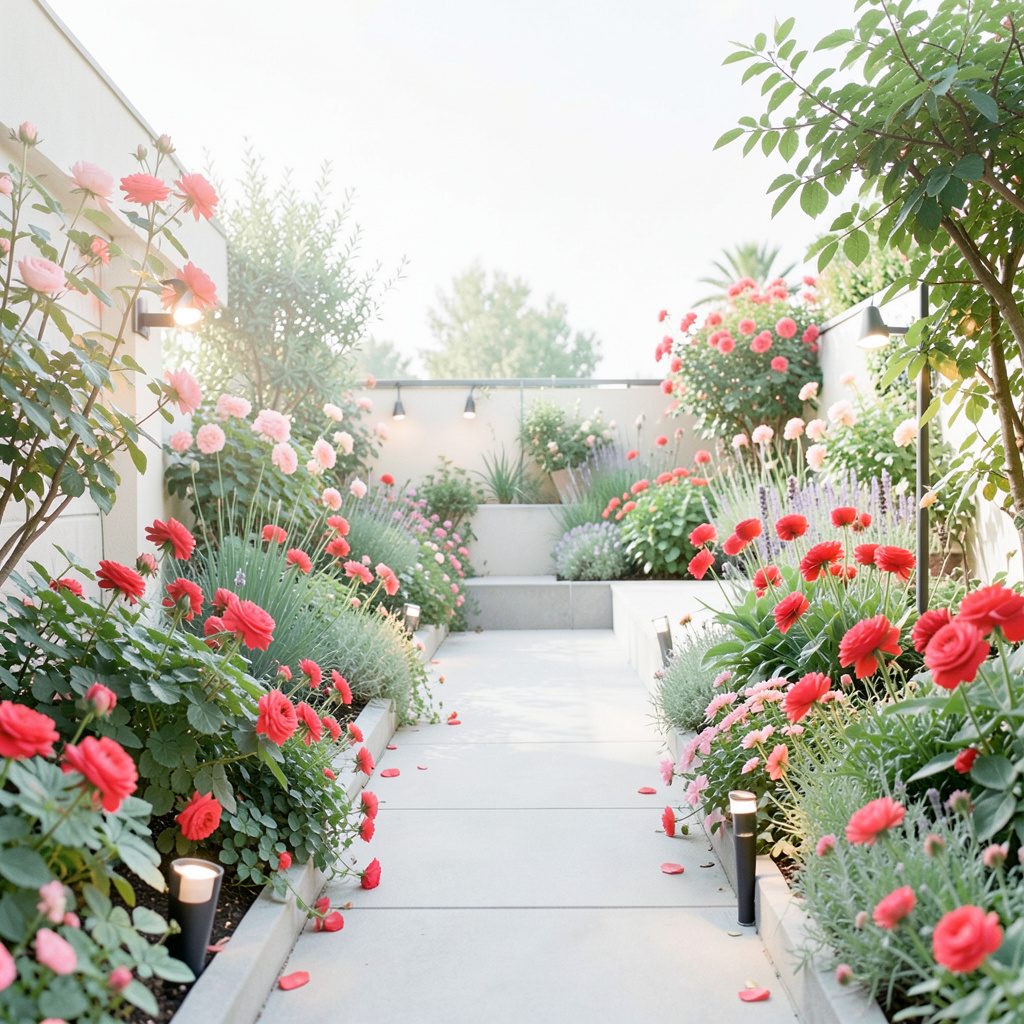
Placement does more for the high-end feel than any single purchase. Rather than lighting the centre of the path itself, aim to graze the edges, where the beam catches the texture of stone, brick, or gravel. The eye reads the bright edge as safe footing, while the path itself stays comfortably dim. This is the technique used in many displays at the Melbourne International Flower and Garden Show, and it is straightforward to replicate at home.
Mix two heights at most: a low spike and, occasionally, a taller bollard for changes of level or feature plants. Keep the hottest point hidden behind a plant, pot, or low wall so the viewer only sees the wash of light, never the source. That single trick transforms a row of identical budget spikes into a layered scheme.
Think about what the light reveals after dark. A path leading to the chook shed does not need the same treatment as the entry walk; the everyday route can stay gentle while the front path carries more drama. Adding a feature uplight on a nearby crepe myrtle or olive gives you the layered look usually reserved for boutique hotels, without much extra outlay.
Matching the look to local conditions
Coastal, bushland, and inner-suburban settings each have their own personality, and the lighting should respect the differences. Around the Mornington or NSW South Coast, salt spray rules out anything but marine-grade metals, and weathered bronze or aged brass looks more honest than bright chrome. Inland, in the Adelaide Hills or around Mudgee, the air is drier but the UV is fierce, so anything with a quality powder coat and UV-stabilised lenses will hold up better.
Bushfire-rated zones in the Blue Mountains or Perth Hills add another consideration. Avoid plastic spikes with battery compartments that can melt, and check that fixtures are sealed well enough to keep embers out. A solid, well-sealed unit might cost a little more, but it is a far better answer than replacing warped spikes every fire season.
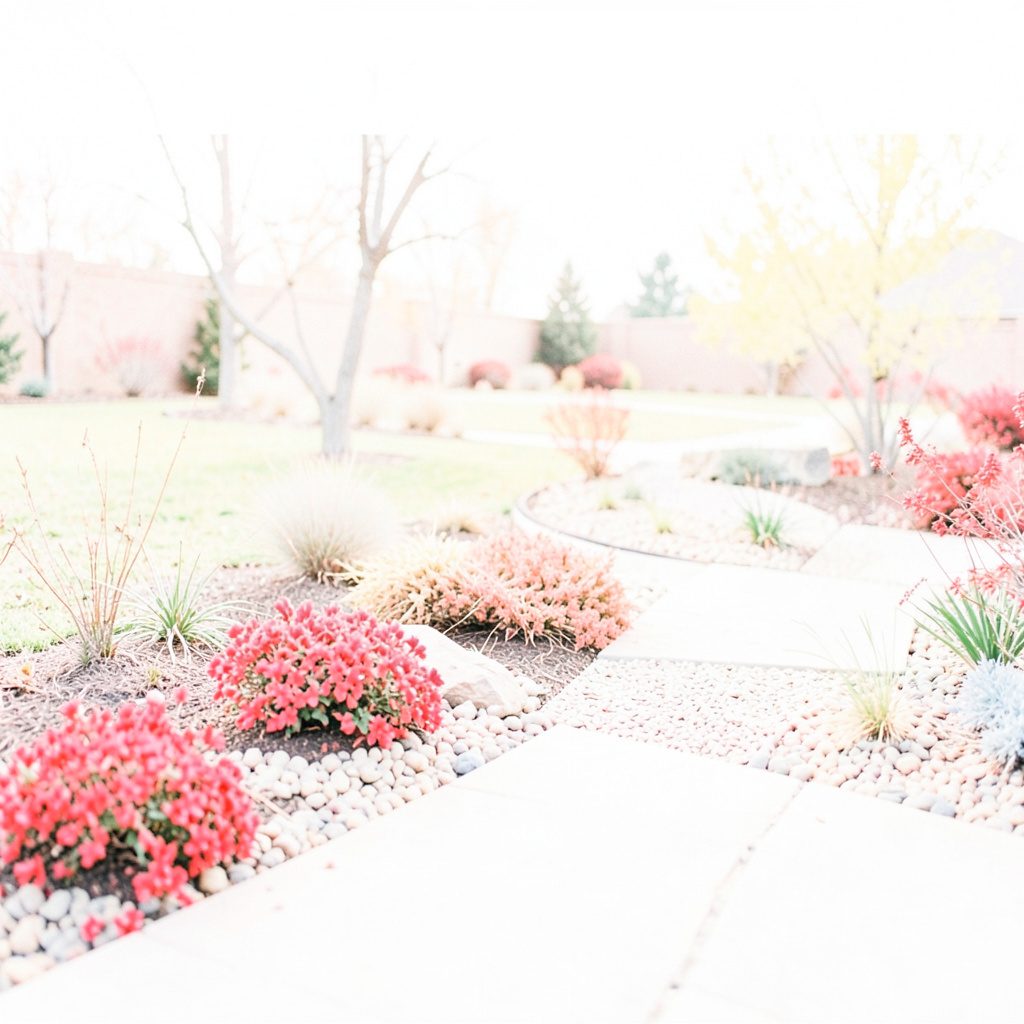
Suburban blocks with established gardens often have the easiest path to a high-end look. Mature trees frame downlights naturally, and existing planting hides cabling and fixtures. If starting from scratch, do not over-light; restraint separates the boutique finish from the car-yard look. Three well-spaced spikes along a winding path read as more considered than twelve crammed together.
Practical picks that punch above their weight
- Spiked 2700K LED units in die-cast aluminium, available at Bunnings and Amazon Australia.
- Aged-bronze path lights that cost more up front but age with character rather than corrode.
- Solar spikes with monocrystalline panels and IP65 ratings, suited to north-facing paths from Brisbane to Perth.
- Hybrid solar-and-USB units for shaded or overcast runs where pure solar struggles.
- Frosted diffusers over warm white LEDs to soften hotspots and flatter nearby foliage.
- Bollard-style fixtures for change-of-level points, kept under a metre tall so the path stays the lead.
The simplest rule to take into the hardware aisle: fewer, well-finished fixtures always beat more, cheaper ones. Spend on the body and bulb, save on mounting hardware, and resist the urge to over-light. A path that glows gently at the edges and lets the eye drift toward the garden will read as deliberate and quietly luxurious, even if every fixture cost less than a decent bottle of pinot. The broader outdoor notes cover more on how lighting choices shape the wider layout, and the small print on returns is always worth a careful read.