Featured Topics

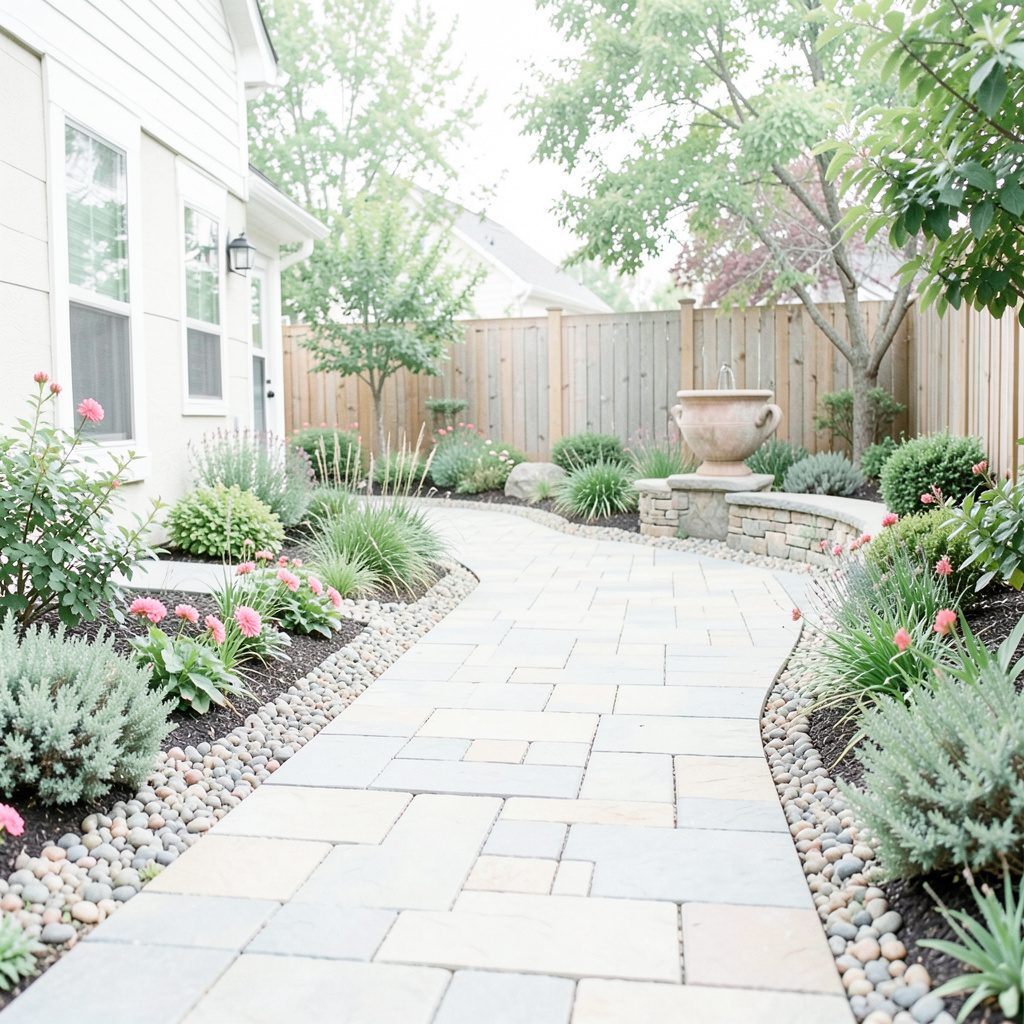
Lighting rock gardens and xeriscapes for striking night appeal
Dry-climate gardens carry a quiet magic. Sculpted boulders, weathered stones and strappy foliage don't beg for water, yet under thoughtful night lighting they become something else: textured, theatrical, almost geological. In Australia, water-wise planting has moved well past a trend. Councils from Adelaide to Brisbane push xeriscaping as a response to recurring drought, so gardeners pair tough natives with crushed granite, river pebbles and feature rocks. Lighting these spaces takes a different approach than lighting a lawn.
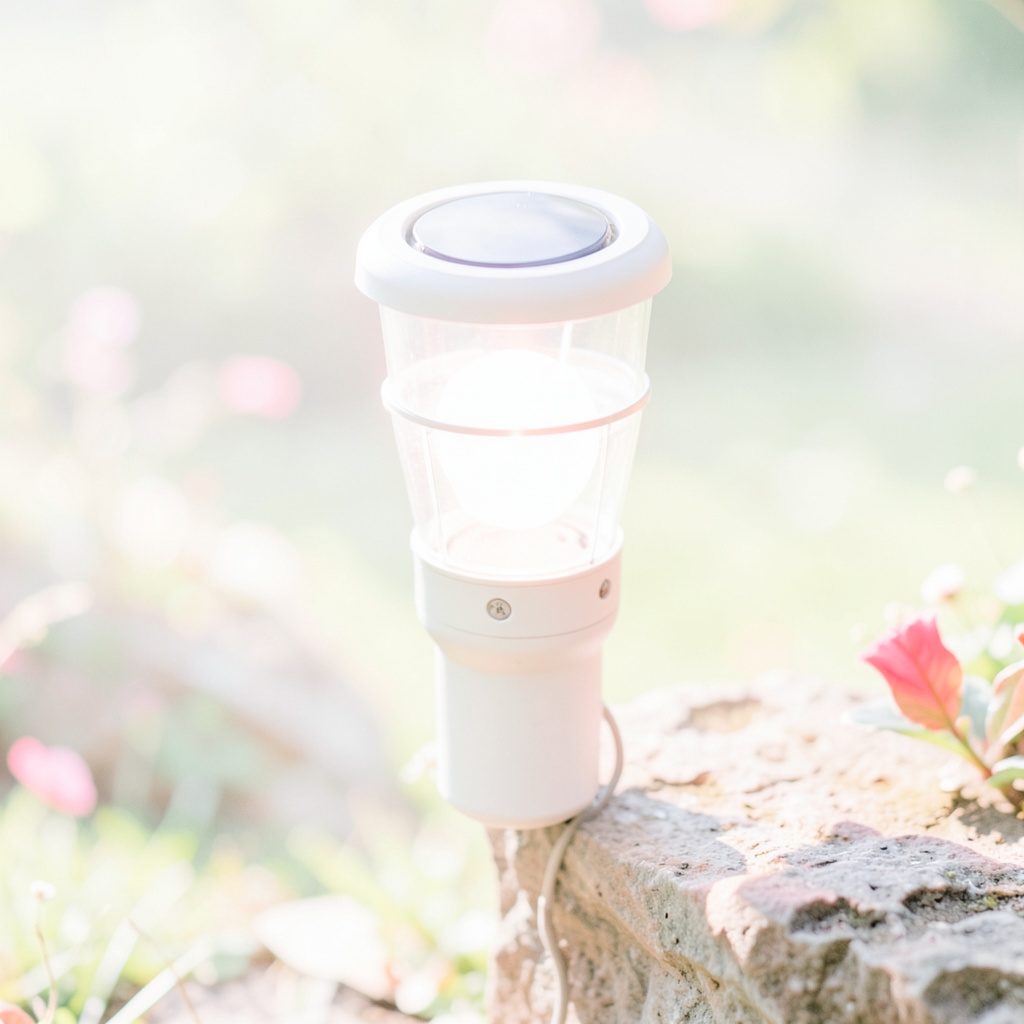
The gear needed has never been more accessible. Solar spike lights have improved dramatically, low-voltage kits suit a weekend project, and weather-rated LEDs shrug off east-coast summer storms. Choose the right colour temperature, pick fixtures that disappear into the landscape, and plan for shadows as much as light.
Reading the land before you plan
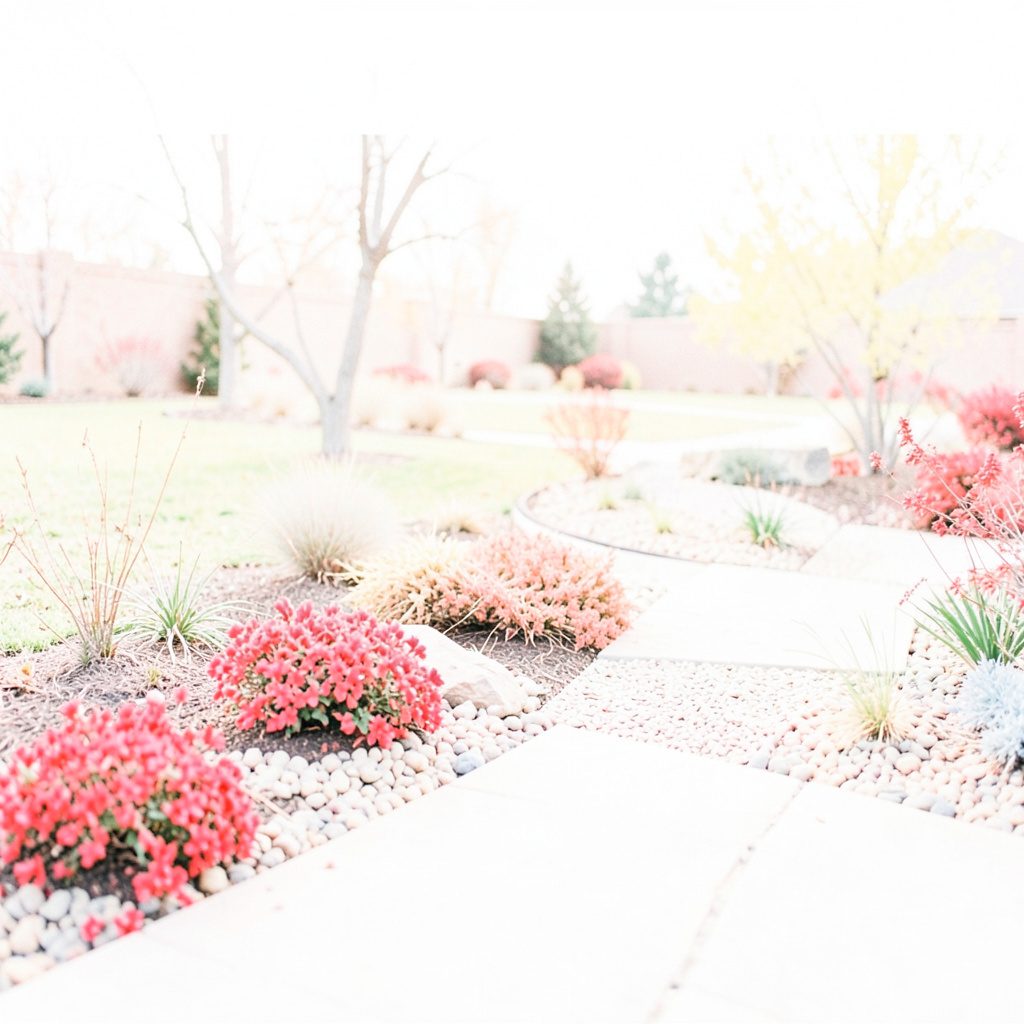
Rock gardens and xeriscaped beds are landscapes of negative space and surface variation. A single boulder can anchor a whole bed, a sweep of decomposed granite can pull a long side yard together, and a low mat of sedum or pigface fills the gaps. Plants are chosen for resilience rather than bloom, so visual weight falls on form, texture and mineral colour.
Foliage absorbs light; stone bounces it. Quartzite will glare under a sharp beam, while basalt drinks in warmth and gives back a soft glow. Walkways and gravel behave like mirrors under direct downlighting and like moody darkness under grazing light. Walk the garden an hour before use, noting where the eye travels and where glare might catch a neighbour's window across the colourbond fence, a familiar frustration in tightly packed Aussie streets.
For wiring from scratch, a low-voltage installation guide clarifies transformer sizing and cable runs. In most rock gardens the soil is barely there, so cable is laid on landscape fabric and hidden under gravel.
Fixture types that disappear into the landscape
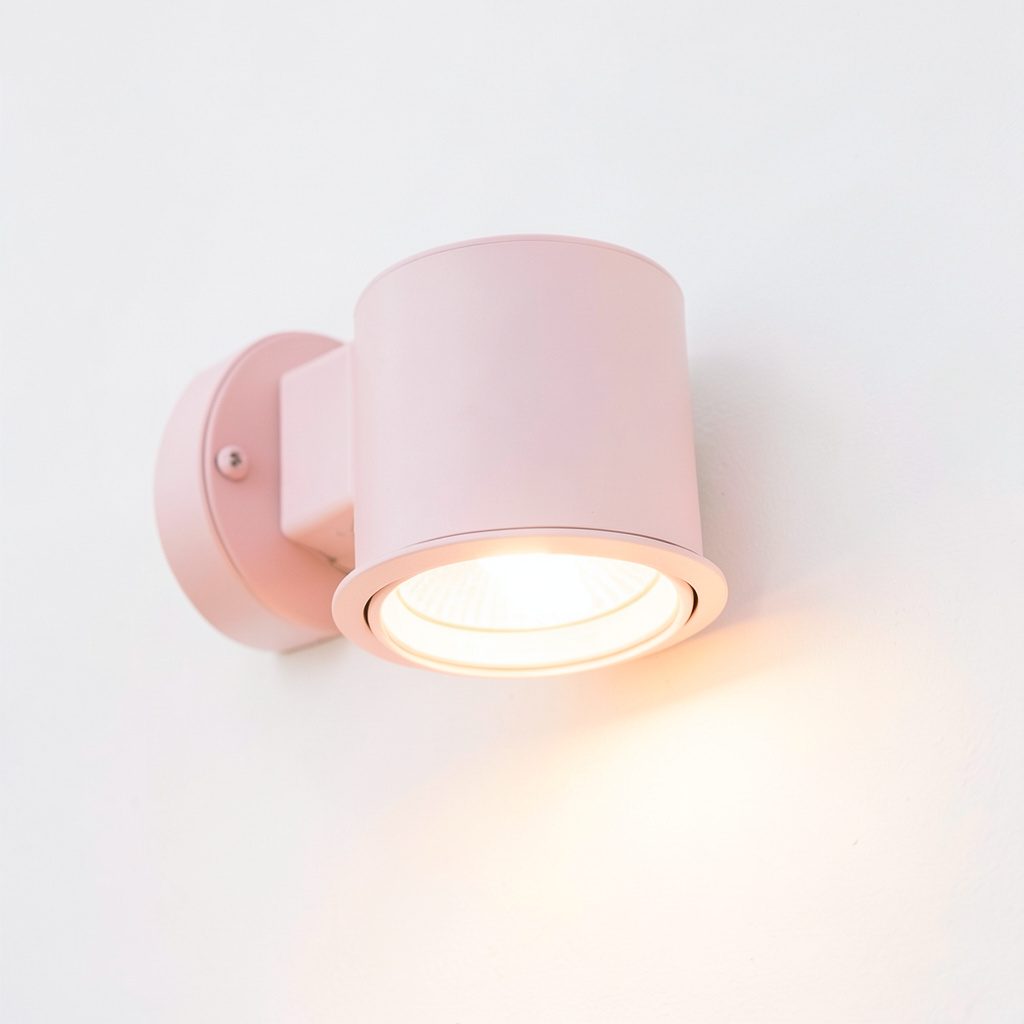
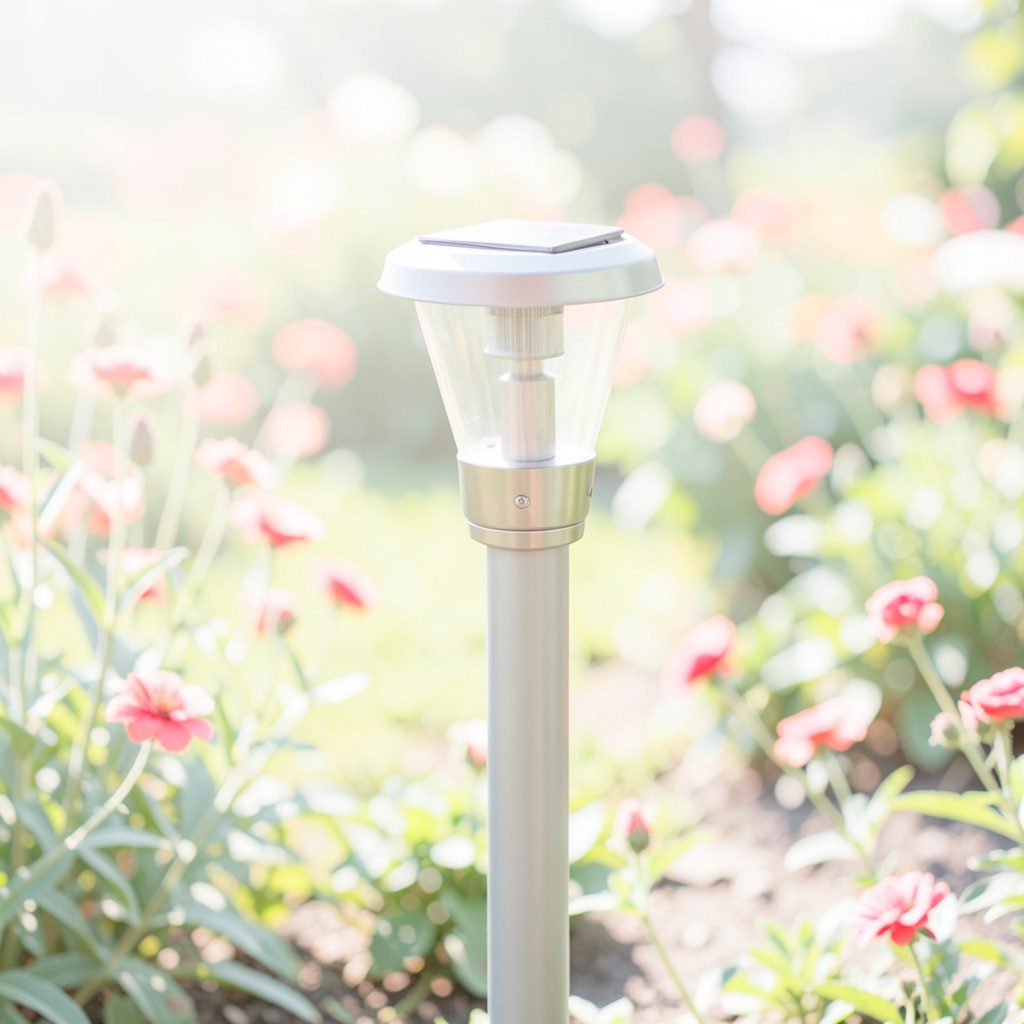
The best fixture is the one you stop noticing by day. Spike-mounted up/down lights tucked behind a boulder wash the stone face from below and throw a soft cone onto adjacent foliage. Well lights set into gravel produce a grazing effect across a feature rock, picking out every ridge and lichen patch. Hooded spike lights keep the beam where it belongs rather than blasting sideways into the sky.
Finishes in bronze, weathered copper or matte black blend into mulch and stone far better than chrome or white plastic. Quality spikes come with a threaded body so a tired lamp can be swapped without digging. Solar options suit remote gravel zones across southern Australia, skipping the transformer entirely.
Visual catalogues such as indiepict.com showcase real-world installations across dry-climate gardens, helping when you can't picture a fixture in your own space. Looking at how designers hide bodies inside boulder crevices or behind lomandra clumps saves hours of trial and error.
Australian conditions and what they demand
Lighting gear in Australia takes a UV beating no soft European climate ever managed. Plastic that would last a decade in England can go brittle within two summers on a north-facing Perth wall. Polycarbonate bodies, anodised aluminium and powder-coated brass all hold up; cheap ABS is worth avoiding for permanent work.
Heat is the other big factor. A small sealed LED running at full brightness under a 42-degree January sun cooks itself, and the early failure point is often the driver. Look for a working-temperature rating above 50 degrees Celsius and an IP rating of at least IP65. Water ingress during a wet La Niña summer does more damage than steady rain. Most homeowners source basic kits from Bunnings and pick up specialty items in the larger capitals. Where a terrace edge bleeds into a gravel garden, the lighting a terrace breakdown explains how steps and adjoining surfaces can share a transformer.
Colour temperature and why warm whites flatter stone
Stone carries warmth within it: ochre sandstone, terracotta decomposed granite, red-brown ironstone. Cool blue-white LEDs at 5000K fight that warmth and make a garden feel clinical. A 2700K warm white or even 2200K candle-white flatter most Australian stone and sit comfortably beside porch light colour temperatures.
Beam spread matters as much as temperature. A narrow 15-degree beam concentrates on one face of a single boulder; a 36-degree spread washes two or three rocks in one arc. Most scenes look best mixed: focused beams for hero stones, broader floods for backdrops and matt grasses. Dimmable drivers are a worthwhile upgrade where full brightness on every lamp can flatten the drama.
Practical starting points for lamps and finishes in a rock garden:
- 2700K or warmer for sandstone, terracotta and weathered limestone
- 2200K to 2400K for the softest grazing on feature boulders
- Narrow 15-degree beams for single rocks; 30 to 45-degree floods for sweeps
- Aged bronze, oil-rubbed copper or matte black finishes to blend with mulch
- IP65 or higher and a thermal rating above 50 degrees Celsius for Australian summers
Paths, steps and the safety side
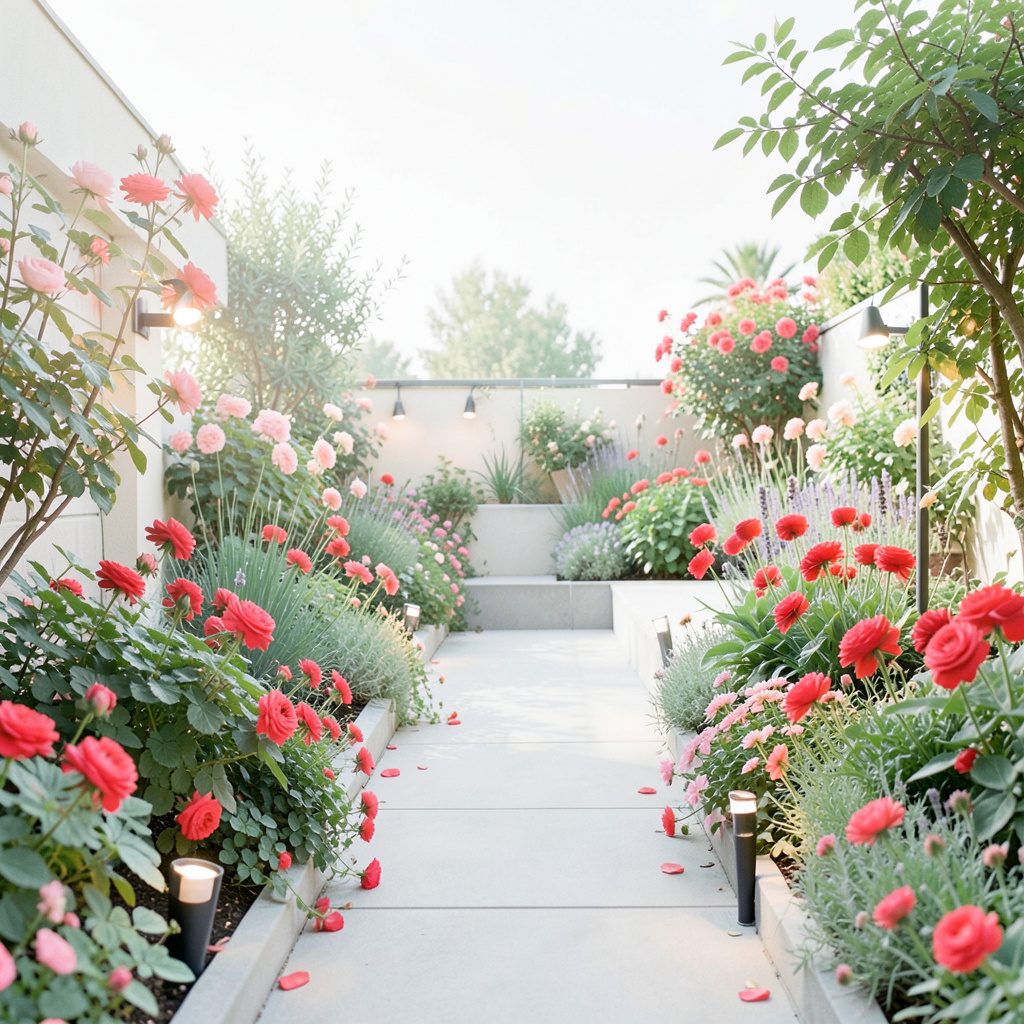
A rock garden is rarely flat. Boulders, sleeper edges, swales and steppers change level unexpectedly, and a misstep in the dark is no joke. Lighting for safety needs to mark transitions without shouting. Hooded spike lights set back from a path wash gravel and define the route; in-ground markers flush with decomposed granite look clean. Step lighting recessed into the cheek of a sleeper wall works well where a path climbs a level change.
Spacing matters more than raw brightness. People read a path by the rhythm of light points rather than a continuous wash, so leave two to three metres between fixtures. Glare is the enemy on a low path, which is why hooded fixtures outperform exposed globes at eye height. Where a path meets a feature rock, an extra fixture gives the brain a "this is different" moment that prevents the late-night stumble.
Helpful starting points for path and step lighting:
- Hooded spikes set back from the gravel edge for general path wash
- Recessed in-ground markers flush with decomposed granite for a modern look
- Sleeper-wall step lights where the path climbs a level change
- 2 to 3 metre spacing between path lights for a comfortable rhythm
- Shared switch legs between path and terrace lights to save cable
Design communities such as Bricks Bars often swap ideas on integrating masonry lighting into existing paving, with photos showing how easy it is to retrofit a light into a rendered wall. Borrow the same idea for a sleeper or sandstone block retaining wall and you get a clean architectural line without running a separate stake light. For budget-led DIY setups, the outdoor LED picks roundup is a sensible starting point before committing to a specific model.
A final walkthrough at night, ideally with someone who hasn't seen the garden before, flags where a path disappears under shadow. Most trouble spots only need a low-output spike tucked into a nearby shrub to bring them back into the picture. Treat lighting as part of the planting plan from the start, and a rock garden that looked stark by day quietly steals the show once the sun goes down.