Featured Topics
Outdoor LED lights that don't attract bugs to your Australian garden
There's a particular kind of magic to a warm-lit patio on a Sydney summer evening, with sausages on the grill and someone cracking open a cold one. The trouble is that the very light that makes your backyard feel inviting also pulls mosquitoes in from the neighbour's rainwater tank, and before long everyone's swatting instead of chatting. Choosing outdoor LED lights that genuinely minimise insect attraction can change the mood of an entire night, especially in coastal suburbs from Coogee to Cottesloe where mozzies seem to thrive on salty breezes.
This article walks through how insect vision differs from ours, which bulb specifications actually reduce bugs around the dining table, and how to pick and install fixtures that meet Australian standards. The advice applies whether you're rewiring a verandah in Adelaide, upgrading path lights in a Brisbane rental, or swapping a tired halogen floodlight in suburban Melbourne.
The science behind insects and outdoor lighting
Most flying insects navigate using the moon and stars, so any bright point of light competes with those celestial cues and pulls them off course. Their compound eyes respond most strongly to shorter wavelengths at the blue and ultraviolet end of the spectrum, which is why a cool-white 5000K floodlight attracts moths, midges and mosquitoes far faster than a soft amber glow.
Independent outdoor lighting research gathered by community projects consistently shows that wavelengths below roughly 550 nanometres are the strongest insect attractants, while longer amber wavelengths barely register for most nocturnal bugs. Heat is another factor. Traditional halogen and incandescent bulbs radiate enough warmth to confuse insects into thinking they've found something edible, whereas LEDs run significantly cooler at the bulb surface.
That thermal difference is one reason a swap to LED technology alone tends to reduce the bug load around patios in suburbs like Parramatta or Fremantle, even before colour temperature is taken into account. Duration matters too: a floodlight blazing all night pulls in everything within a hundred metres, while a fixture that switches on only when someone walks past quietly does its job without broadcasting your location to every moth in the postcode.
Warm amber bulbs and why colour temperature matters
Colour temperature, measured in Kelvin, is the single biggest lever you can pull to reduce insect activity. Anything rated 2200K to 2700K leans amber and is far less attractive to bugs than the crisp 4000K to 5000K daylight tones still sold in many Australian hardware shops. Philips warm-white LEDs in that range produce a soft candle-like glow that suits older Federation homes in Adelaide's inner suburbs just as well as contemporary fibro beach shacks down the coast.
If you want a deeper reduction, true amber LEDs around 1800K to 2000K go further and are sometimes called turtle-friendly in international literature, though that label matters more for beach nesting sites in northern Queensland than for your average Melbourne courtyard. For indirect lighting, strip lights for under seating and planter edges work brilliantly in amber, bouncing light off surfaces without shining into the sky. A useful rule is to match the warmth of the bulb to the intimacy of the space.
Practical features to check on the box and the spec sheet
- Colour temperature of 2200K or warmer
- Shielded, full-cutoff design
- IP rating suited to the exact location
- Dimmable driver or smart controller
- Marine-grade or powder-coated aluminium body
- Vendor warranty of at least two years
Smart placement around patios, paths and pool decks
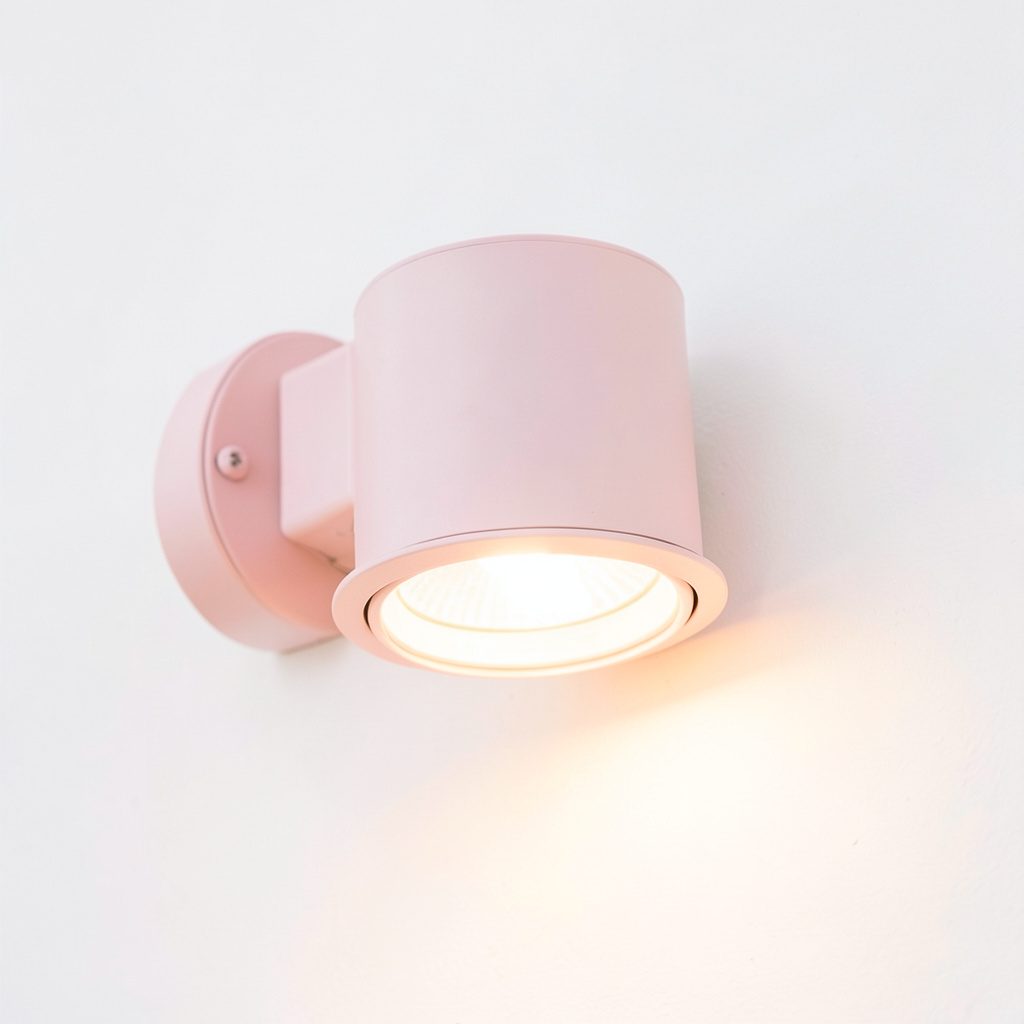
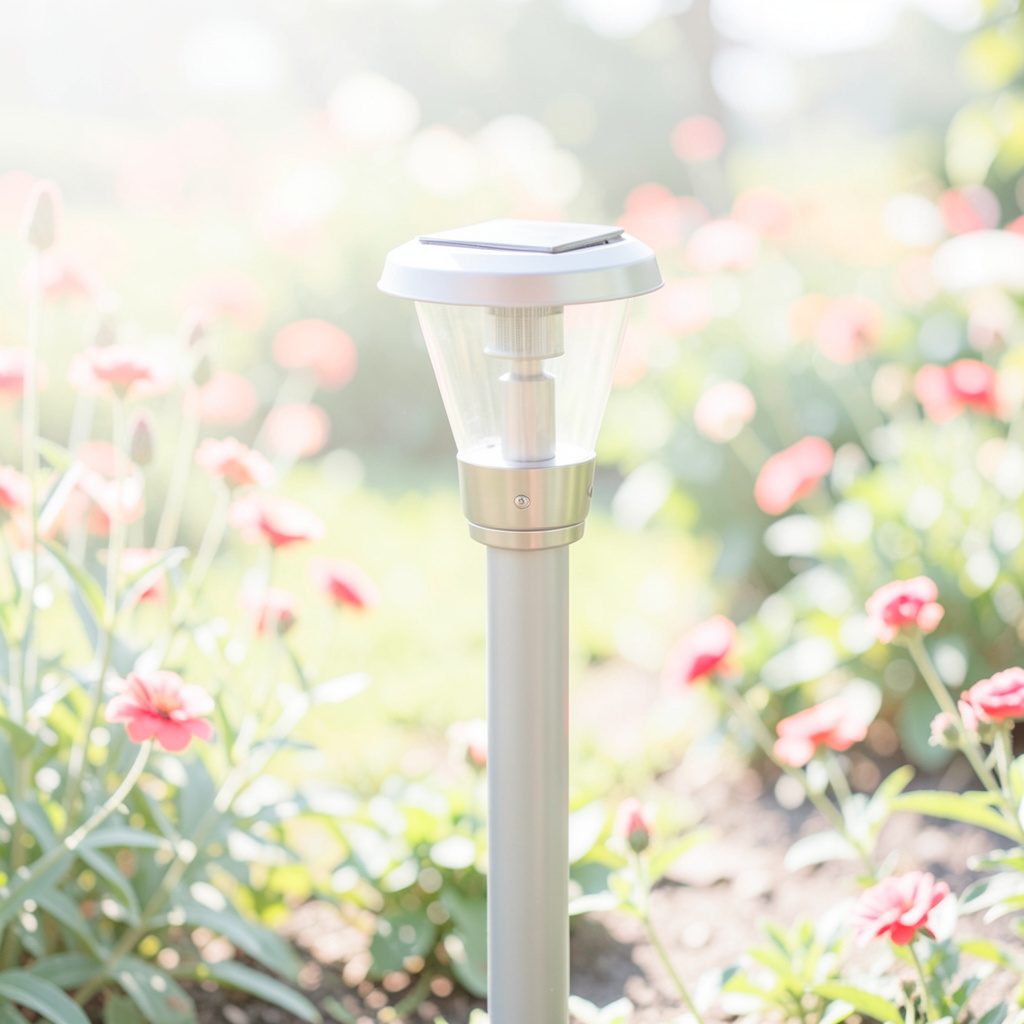
Even the warmest bulb will pull in insects if it shines straight up into the night sky or pools bright light into dense shrubbery where mozzies rest by day. Full-cutoff fixtures, which aim light downward with a shielded top, dramatically reduce sideways spill and are worth seeking out for any fitting mounted higher than about a metre off the ground. Shielded path lights do the same job at ankle height.
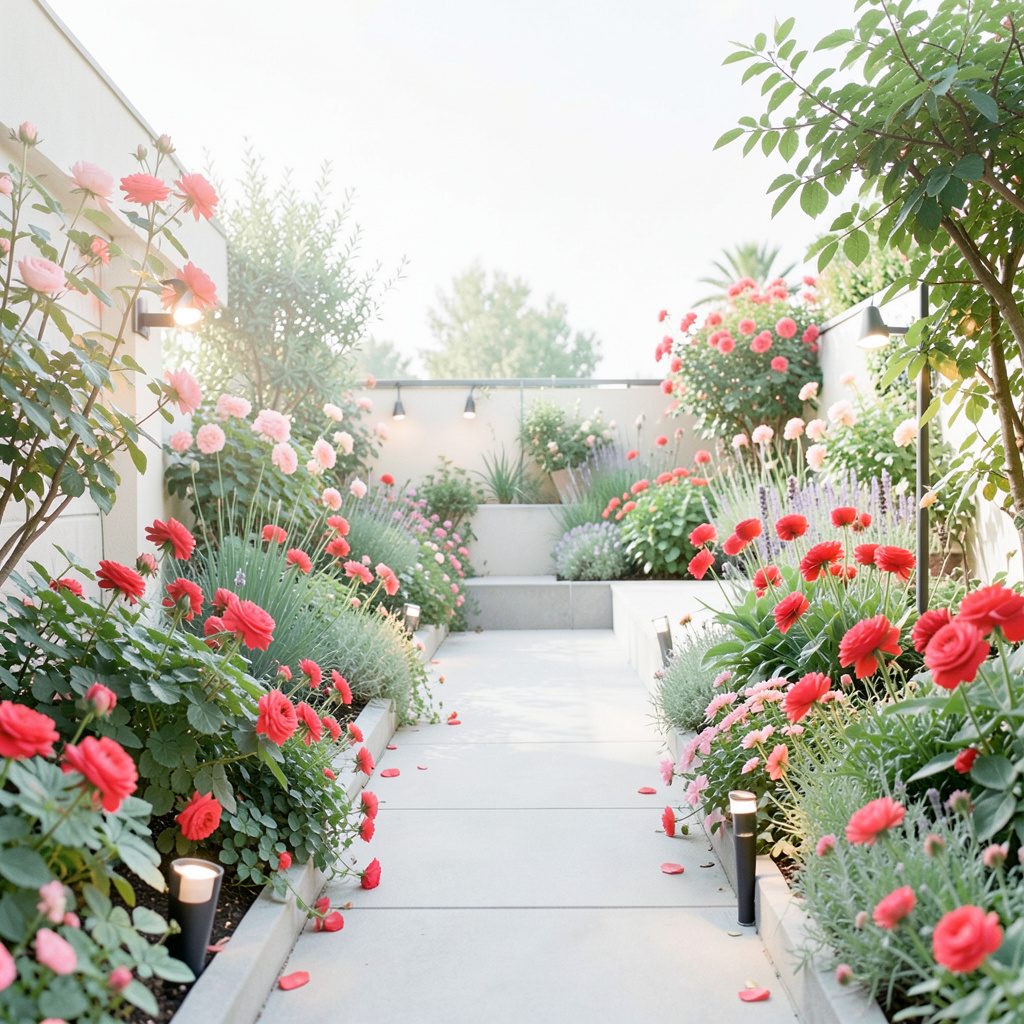
Spacing matters just as much. Instead of one powerful 20-watt bollard at the end of a walkway in your Hobart garden, three or four lower-output fixtures spread along the path create more even illumination and tend to draw fewer insects to any single bright spot. The same idea applies around pool decks in Brisbane and on the Gold Coast, where you want enough light to see the water's edge without turning the backyard into a stadium.
Insects commonly drawn to garden lights and how to minimise them
- Mosquitoes: choose warm amber 2200K and motion sensors
- Moths: pick full-cutoff fixtures and avoid blue-rich globes
- March flies: dim brightness after 9 pm
- Sandflies near coastal gardens: raise fixtures off the lawn
- Christmas beetles in eastern suburbs: switch off lights when not entertaining
Solar, smart and dimmer options worth considering
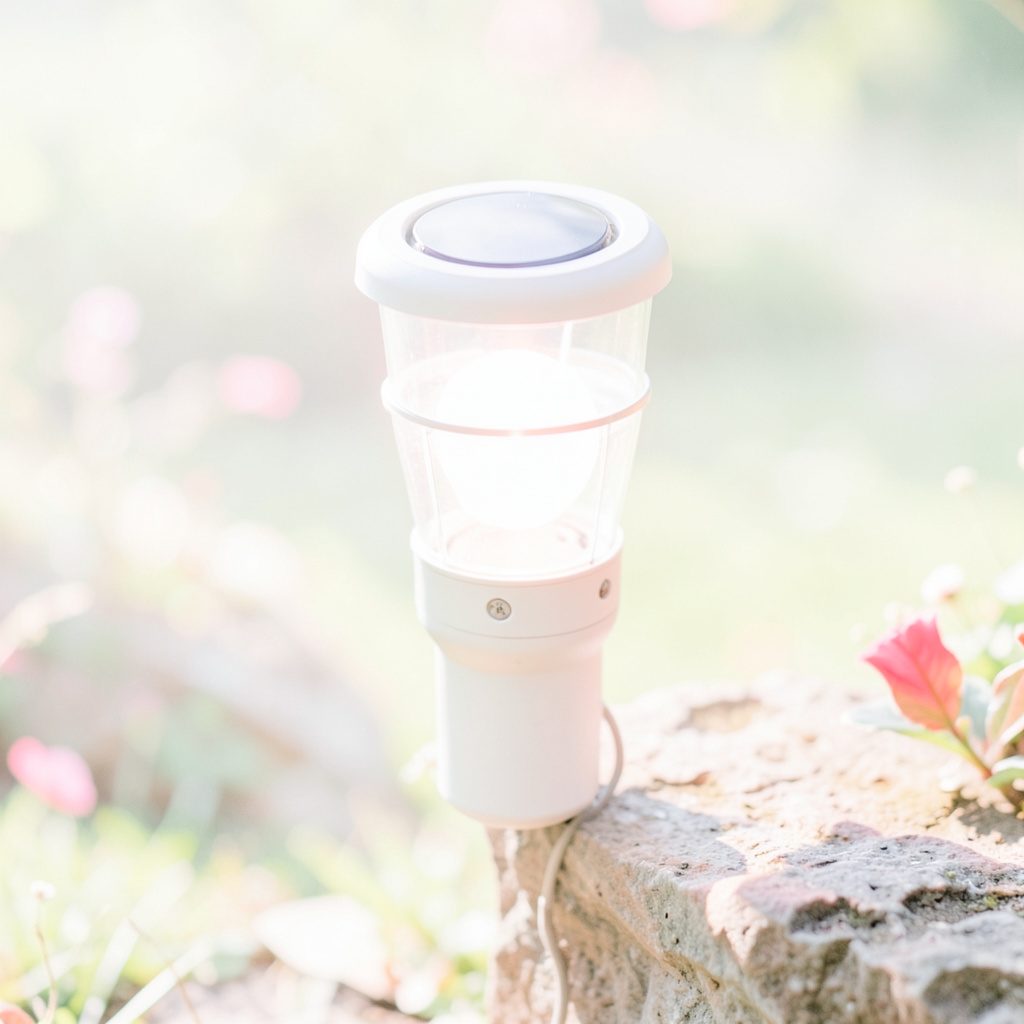
Solar LED fixtures have matured enormously in the last few years and now suit the high-UV parts of Australia very well. Units from brands including InnoGear store enough charge through a typical Perth or Darwin afternoon to run all night at modest output, and because they're often dimmer than mains-powered fittings, they tend to attract fewer insects per square metre. They also avoid the need for an outdoor power point, a heavy run of light cable, and the trenching work that comes with it.
Pairing solar or mains LEDs with a motion sensor or a dusk-to-dawn sensor is a particularly effective combination. A motion-activated downlight above a side gate in a suburban Darwin home will fire up only when needed, which both saves energy and prevents the all-night bug-attracting beacon problem.
For something more sophisticated, smart outdoor switches and dimmers sold through Bunnings warehouses across the country let you drop brightness by 50 per cent after, say, 10 pm, which usually keeps paths safe while dropping the insect count noticeably. Anyone fitting new cabling outdoors should plan the run carefully and follow a step-by-step installation guide so that wiring stays protected, compliant and well clear of irrigation lines.
Australian rules and ratings for outdoor fixtures
Outdoor lighting in Australia falls under AS/NZS 60598, the joint Australian and New Zealand standard for luminaires, which dictates how fixtures must be built and labelled for safety. In practice this means looking for an IP rating suited to where the light will live. IP44 is the typical minimum for general outdoor use under eaves, while IP65 or higher is recommended for anywhere exposed to direct rain, irrigation spray or the salt-laden coastal air found around Sydney Harbour, Fremantle and the Mornington Peninsula.
Cheaper imports sold through international marketplaces sometimes skip these ratings, and while they may work for a season, they often fail quickly when exposed to a Queensland downpour. For households in bushfire-prone parts of Victoria, South Australia and parts of western Sydney, BAL-rated fixtures are a separate consideration worth raising with your electrician.
Across Australia, any new outdoor circuit wiring must be carried out or certified by a licensed electrician, so any plan to add new lights to a pergola or shed should start with a sparkie rather than a weekend of online tutorials. For more practical guidance on choosing fixtures, planning layouts and avoiding common pitfalls, outdoor lighting guidance gathers current advice on products, installation tips and Australian compliance basics in one place.
Walk outside tonight with a torch, note which existing fixtures are pulling in the most mozzies and moths, and replace that one fitting this weekend with a 2200K amber LED rated IP65 for its exact location.