Featured Topics

Lighting your terrace for memorable evening dinner parties
Long summer evenings on a Sydney or Brisbane terrace can stretch well past eight o'clock, which is exactly why so many Australians treat the outdoor dining area as a second kitchen. When the grill is going and guests are drifting in from the garden, the right glow turns a simple dinner into a lingering evening. Smart terrace lighting sets the mood, keeps plates visible, and guides people safely between the table and the doorway.
The challenge is balancing atmosphere with practicality. Too little light and guests cannot read the menu or see their wine glass. Too much light and the terrace feels like a service station. The best outdoor spaces layer several types of fixtures, each doing a specific job. With a thoughtful plan and weather-resistant gear, an Australian terrace can host dinners from spring through autumn without a single harsh overhead bulb.
Mapping the space before you buy
A quick sketch saves both money and frustration. Walk the terrace at dusk and note where natural light still filters through, where the prevailing breezes come from in summer, and which corners tend to feel gloomy. Australian terraces often face north or west, so late-afternoon glare is a factor when planning fixture positions.
Mark out three zones: the cooking area, the dining table, and the transition to the rest of the garden. Each wants different treatment. A barbecue zone near the kitchen door benefits from bright task lighting, while the table itself needs softer, lower light hung closer to eye level. The pathway to the lawn or pool needs steady illumination without flooding the seating area.
Consider power supply before choosing fixtures. Australian homes run on 240 volts, and any hardwired outdoor lighting must comply with AS/NZS 3000 wiring rules. A licensed electrician should handle mains-connected fittings, but solar and low-voltage LED systems can be installed without permits. For households replacing outdoor gear, planning ahead on Meredith LBL helps keep the project focused from the start.
Ambient overhead lighting for a warm glow
Overhead lighting sets the overall tone of an evening. String lights remain a favourite in Melbourne and Adelaide backyards, strung between the house and a pergola post or along a fence line. Look for warm-white LEDs rated 2700K or lower; cooler tones feel clinical and attract more insects. Philips outdoor string-light ranges are widely available through Amazon and Home Depot, and handle Australian climates well.
Hanging pendants above the dining table concentrate light where it matters most. Position them at least 1800mm above the floor so guests can stand and talk without ducking, and choose shades that cast light downward rather than into people's eyes. A dimmable pendant is worth the small extra cost, letting you shift from a family dinner to a softer late-evening mood.
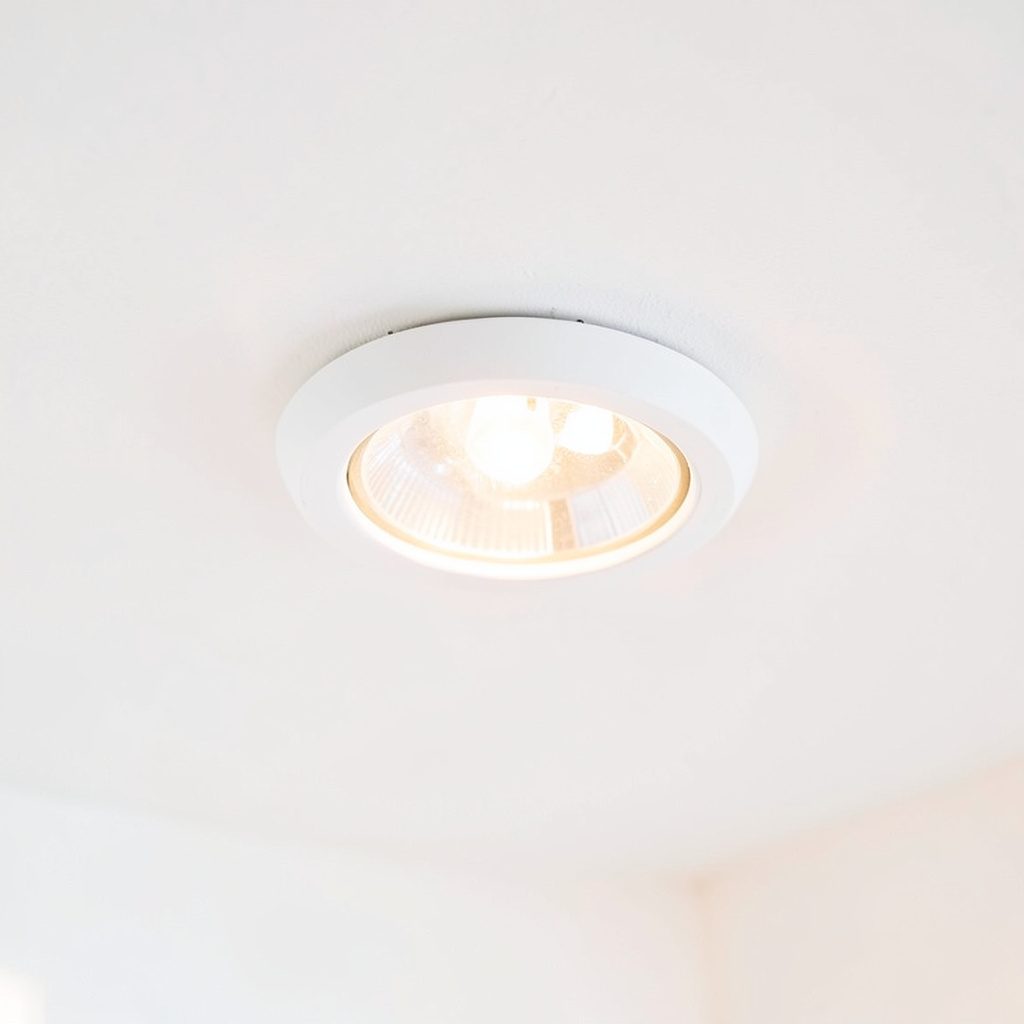
For covered terraces, recessed downlights offer a clean look, but they require professional installation. Solar-charged hanging lanterns are a simpler alternative and work well for renters. Battery-powered units from brands like InnoGear give several evenings of use per charge and remove the need for any wiring at all.
Illuminating steps and edges safely
Uneven pavers and split-level decks are common on Australian terraces, and a single misstep can end a dinner party quickly. Step lights built into risers or small spike lights along the edge of a path give guests clear visual cues without lighting up the whole garden.
Look for fittings with an IP65 rating or higher, which is the Australian standard for protection against dust and water jets. Coastal homes in Perth or along the NSW coast should aim for marine-grade stainless steel to resist salt corrosion. Cheaper plastic fittings can discolour and crack within a few summers under harsh UV.
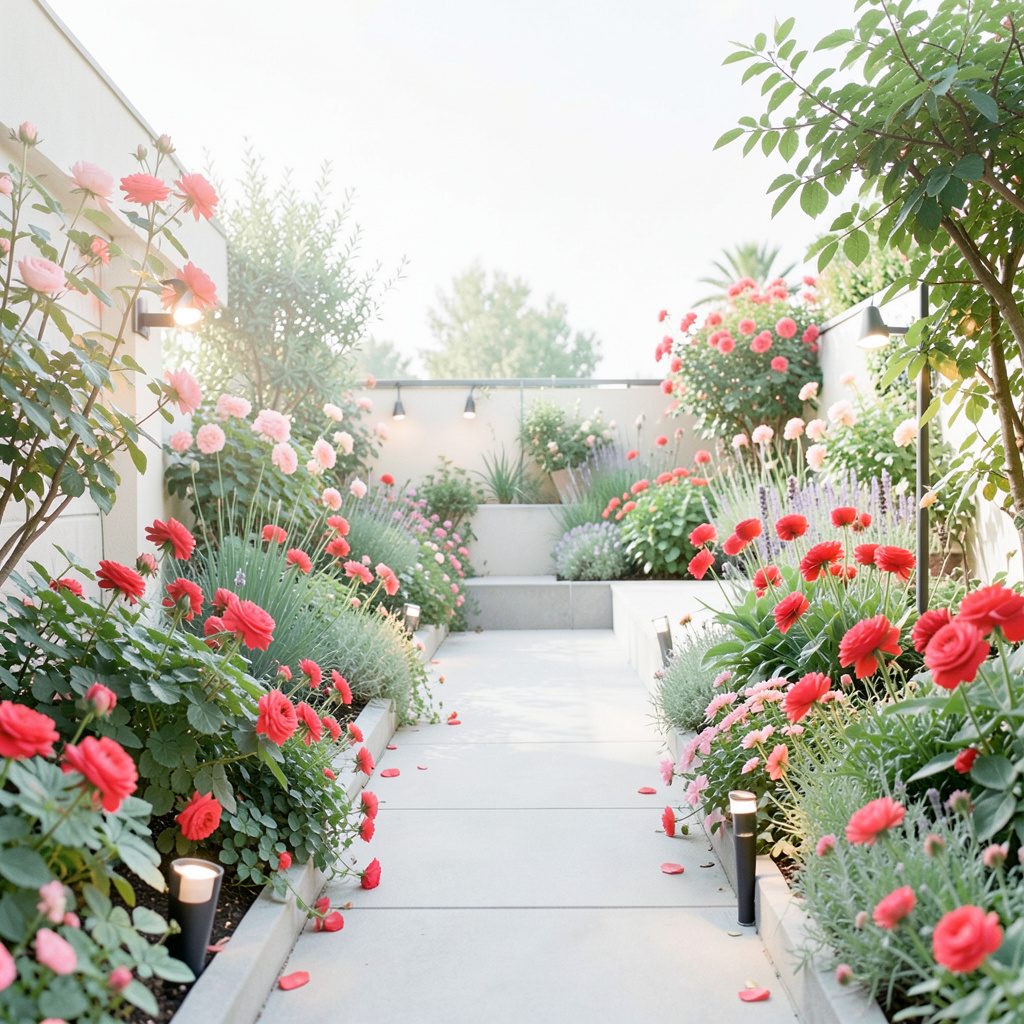
Path lighting should be spaced roughly 1.5 to 2 metres apart, with fixtures slightly offset rather than directly in line. This staggered pattern avoids the runway effect and feels more natural. A growing number of Australian homeowners check resources like lawn tire guides when preparing outdoor projects, since broader landscape work often goes hand in hand with lighting upgrades.
Lighting the dining table itself
The table is the heart of the evening, and lighting it directly makes food look more appetising and conversation easier. Rechargeable table lamps designed for outdoor use have become hugely popular at Australian retailers, with strong ranges stocked on Amazon and featured in Home Depot garden sections. They offer a portable solution that shifts easily between a four-person dinner and a larger gathering.
A central lantern or hurricane lamp filled with a pillar candle creates a focal point and a soft flicker that LED strips cannot replicate. Choose a candle with a long burn time, or switch to a flameless LED version for safety near foliage. Avoid scented candles at the table; they compete with the aromas of the meal.
For longer tables, consider two or three smaller lamps rather than one large one. This distributes light evenly and avoids a single bright spot. Warm dimmable bulbs around 2200K mimic candlelight and flatter skin tones better than cooler options.
Accent lights for plants and features
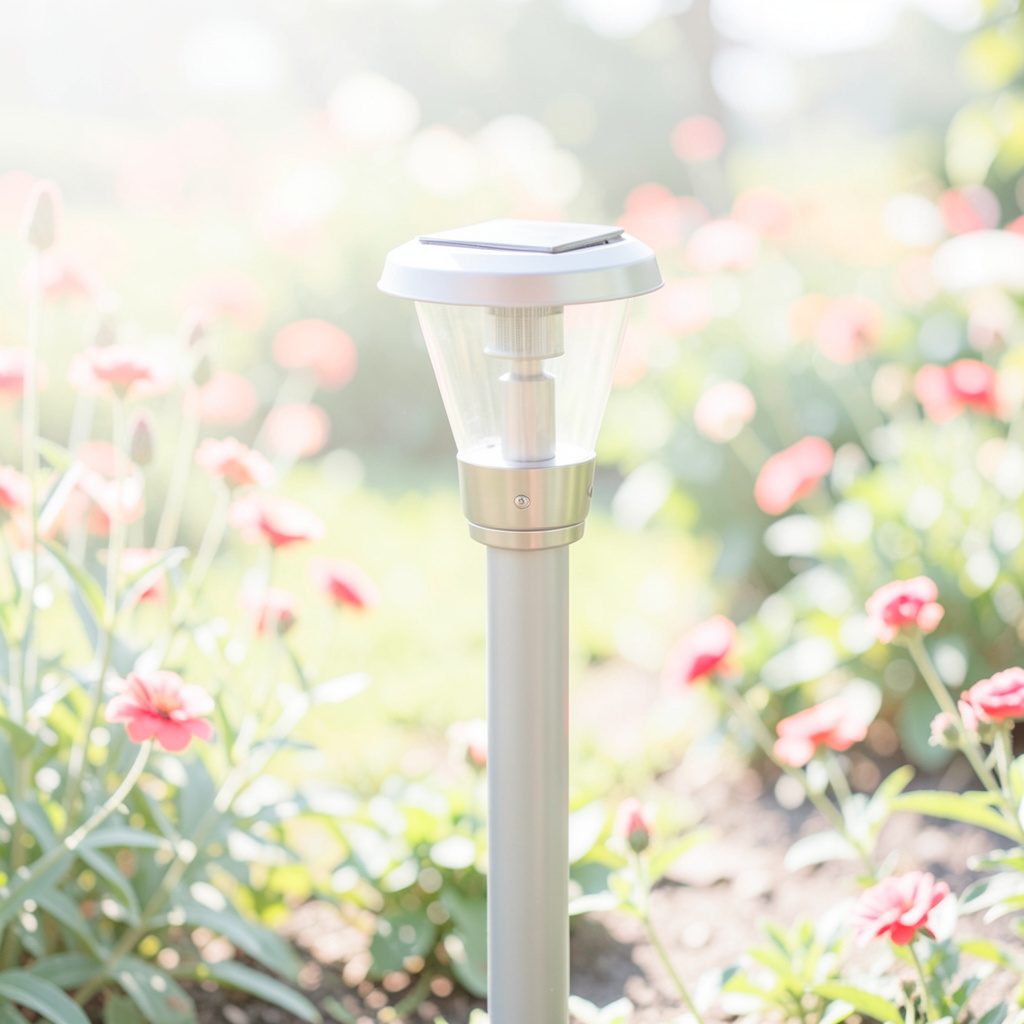
Accent lighting adds depth and visual interest after dark. Uplighting a feature plant, such as a frangipani or ornamental olive, draws the eye and gives the terrace a sense of enclosure. Ground-mounted spike lights are easy to reposition as the garden grows.
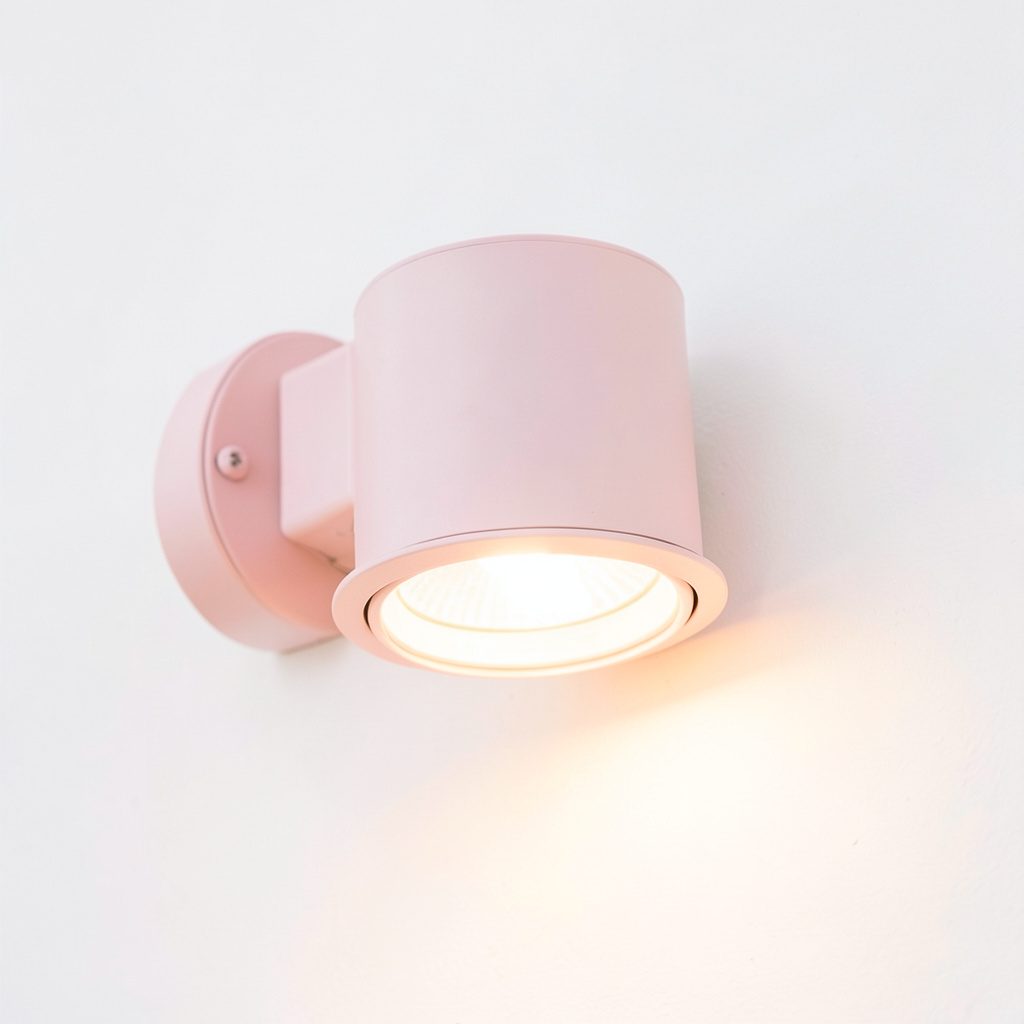
Wall washing, where a light grazes a rendered wall or timber screen, creates soft pools of brightness without flooding the area. Place the fixture close to the surface and angle it slightly upward for the most dramatic effect. This technique works beautifully on rendered boundary walls common in modern Brisbane homes.
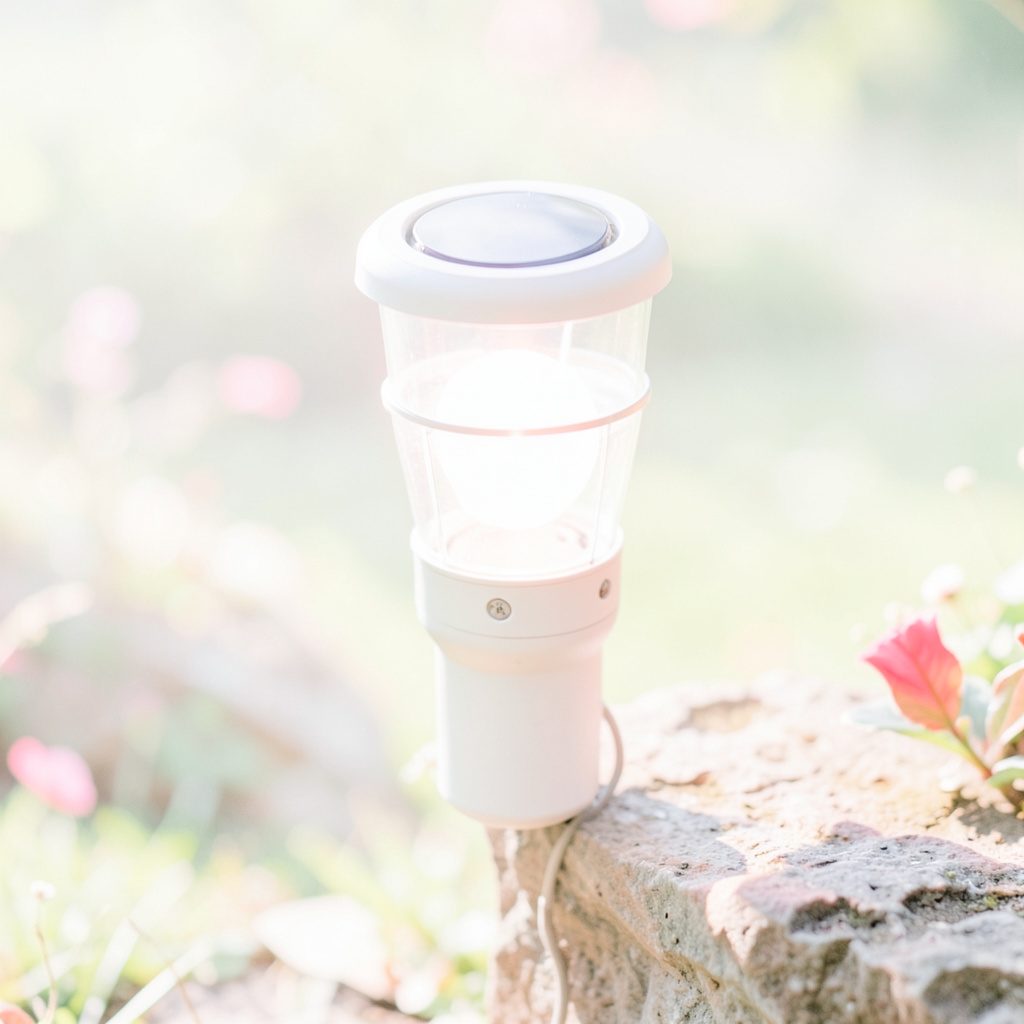
Solar spotlights have improved dramatically in recent years, with brighter LEDs and longer-lasting batteries. They cost nothing to run and can be repositioned seasonally. Place them where they receive direct afternoon sun for the best overnight performance, and clean the panels every few months to keep output high.
Smart controls and dimming for the perfect mood
Smart lighting has moved well beyond novelty status in Australian homes. A Philips Hue bridge paired with outdoor fittings allows full control from a phone, including scheduling sunset activation, dimming for dessert, and switching to a party scene when guests arrive. The system integrates with most voice assistants and home automation hubs.
Dimmer switches are essential for terrace lighting. Hardwired dimmers require an electrician, but plug-in dimmers work with most lamp-based setups and are renter-friendly. Setting dinner lighting to around 40 percent and conversation lighting to 20 percent extends bulb life and saves energy.
Timers help with energy bills, which is a real consideration given Australian electricity prices. A timer that switches everything off at midnight prevents lights burning all night and reduces the environmental footprint. Group fixtures by zone so the table lights can stay on while the path lights turn off earlier.
Weatherproofing for Australian conditions
Australia's climate is tough on outdoor fittings. UV exposure, summer storms, and salt air all take a toll. Choosing products rated for Australian conditions avoids the frustration of cracked lenses and corroded metals within a season.
In bushfire-prone areas around the edges of Melbourne and in regional NSW, check the BAL (Bushfire Attack Level) rating before installing fixtures near the home. Some fittings are unsuitable for high-risk zones, and metal components may need to be sealed. Local council websites publish BAL maps and lighting guidance for householders.
Regular maintenance extends the life of any outdoor system. Wipe down fittings every few months, check seals around cable entries, and trim back foliage that may have grown over a sensor or panel. A small amount of seasonal care, informed by the practical thinking shared in the author background, keeps the terrace ready for the next dinner gathering.
Smart choices for a standout terrace setup
- Layer at least three types of lighting: ambient, task, and accent
- Choose warm-white LEDs around 2700K for the most flattering glow
- Select fittings rated IP65 or higher for Australian weather conditions
- Plan power supply early, especially for hardwired pendant or recessed lights
- Add dimmers or smart controls to shift mood without changing bulbs
- Clean solar panels and inspect seals at the start of each season
A well-lit terrace rewards both the cook and the guests. With a layered plan, weatherproof fittings, and a few smart controls, the space transitions smoothly from a family weeknight dinner to a long evening with friends. Start with one zone, refine what works, and expand the system as entertaining habits grow.