Featured Topics

How to use colored lights to enhance garden moods
Coloured light does more than reveal a garden after dark. Used carefully, it can turn a path into an invitation, make a patio feel energetic, or soften a boundary wall. The goal is not a flood of colour but a sequence of small effects that match how the space is used.
Start with the evening routine rather than a catalogue. In many Australian homes, the garden shifts from school-run drop-offs and weekend chores to alfresco dinner, a barbecue, or a quiet drink after sunset. Planning those moments helps you decide what should feel bright, restful, playful or secure.
Plan the atmosphere before the hardware
Treat the garden as a sequence of moods rather than one illuminated area. The area beside an outdoor table might need soft, warm light, while a side path can use brighter beams that improve visibility after dark. A quiet corner beneath a tree could rely on a subtle uplight instead of general brightness.
Choose a dominant colour family and one supporting hue, much as you would when applying a seasonal colour guide to planting. Warm amber and soft white usually make people feel comfortable, blue and violet create a cooler evening atmosphere, and saturated colours work best when restricted to a small feature. Decide which effect should dominate before choosing a fitting.
Match colour to the garden's zones
Warm-white light, generally around 2200–3000K, is the most versatile foundation for an Australian garden. It flatters timber decking, brick walls, stone paths and mature foliage without making the space look excessively commercial. Cool white is useful for visibility and security, but too much of it around a patio can feel stark after sunset.
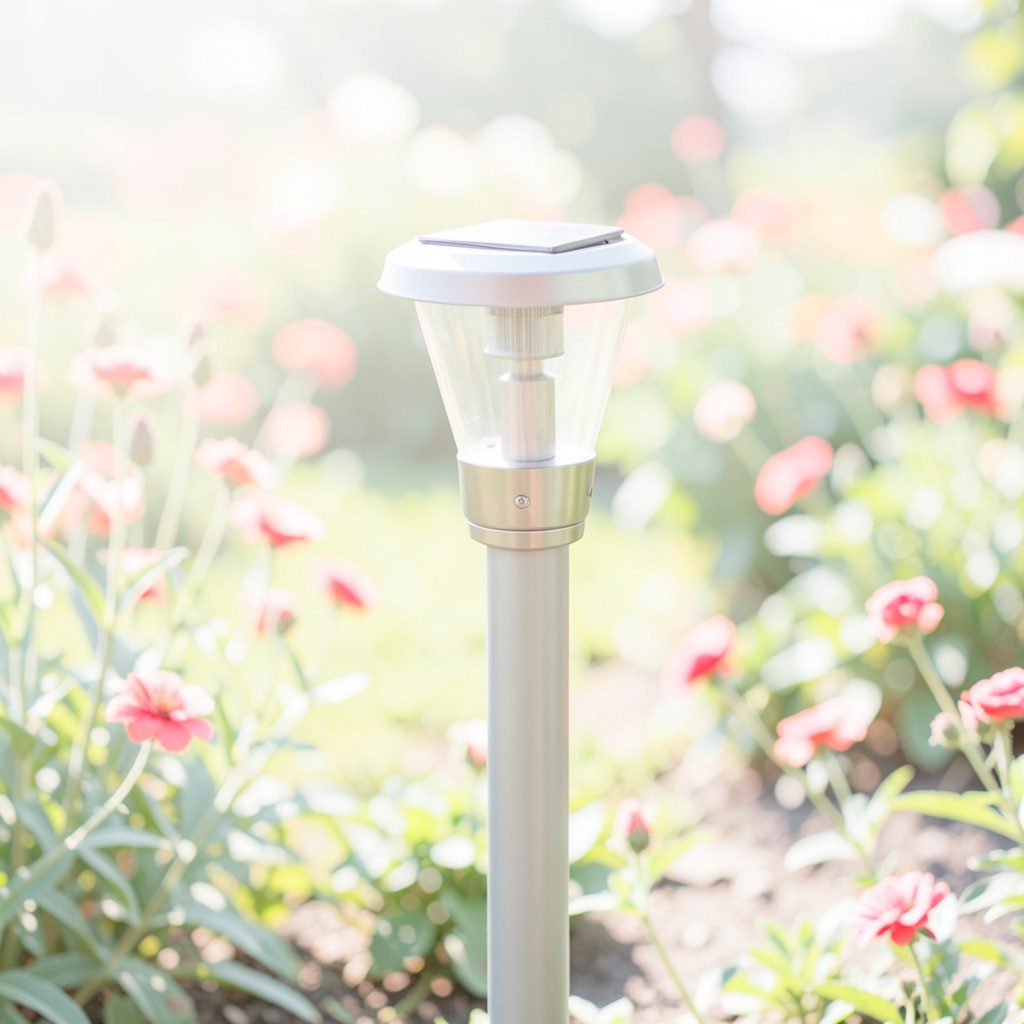
Colour becomes more effective as an accent. Magenta can enliven a rendered wall, green can reveal sculptural planting, and blue can suggest moonlight around a tree or pond. For fixed-colour effects, a comparison of solar ground lights is useful for judging brightness, housing size and runtime. For controllable colour, Philips outdoor lighting can provide greater flexibility through smart-home routines than a single preset hue.
Place light where people actually move
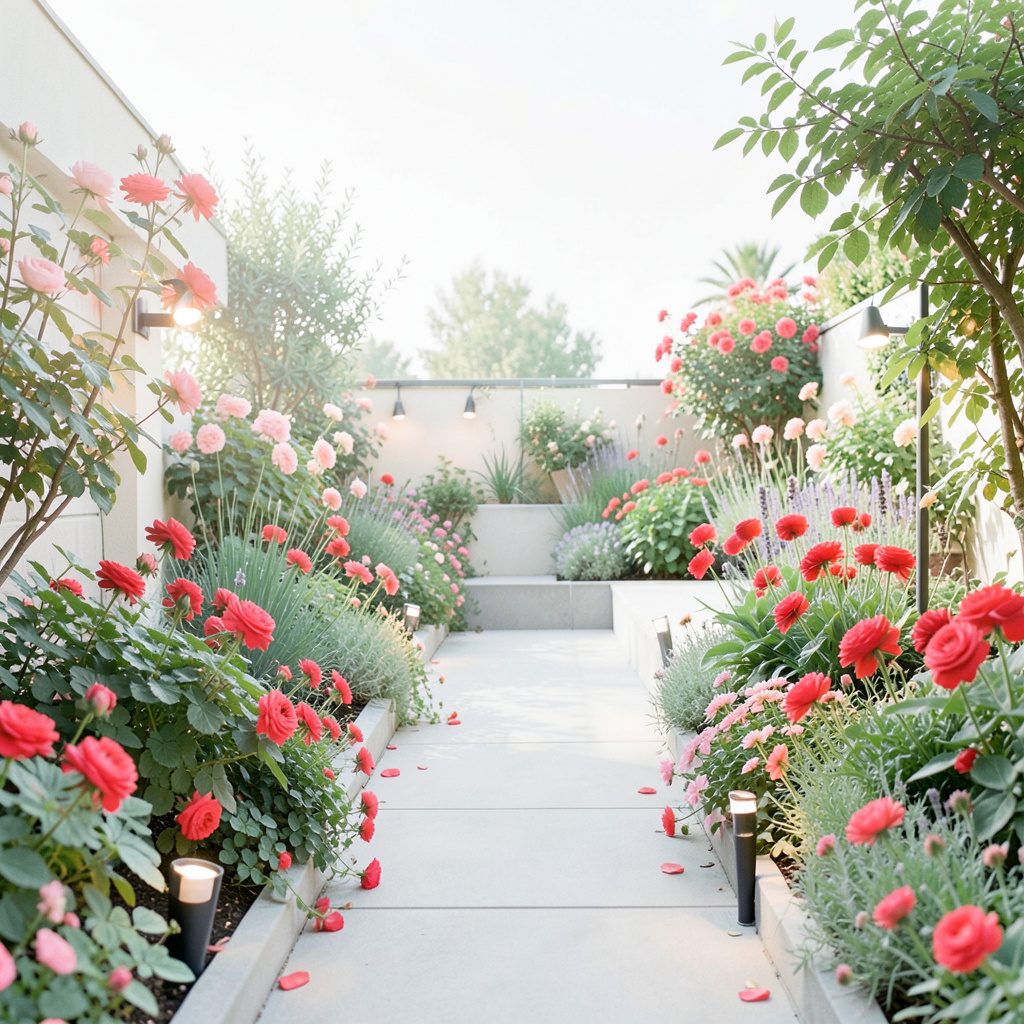
Walk through the garden after dark and note where people hesitate. Uneven steps, dark side gates, the space beside a barbecue and the route from the back door to the clothesline are practical priorities. Place low-level path lights at regular intervals, but vary the brightness so the route does not resemble an airport runway.
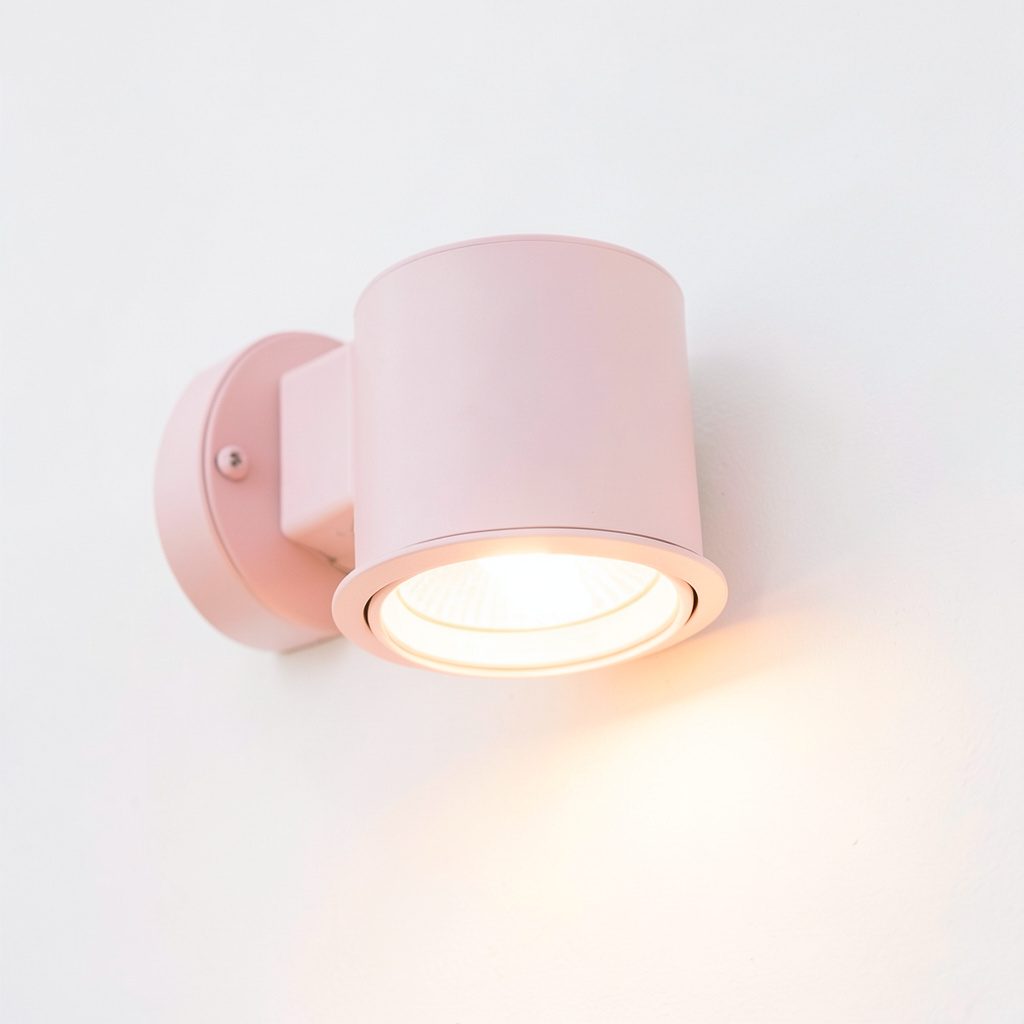
Uplighting a tree or shrub can create depth, provided the beam is shielded from nearby windows. Aiming fixtures at approximately 30–45 degrees produces a more natural effect than pointing them straight upward. Wall lighting is often more efficient for compact courtyards, where every square metre matters. Reviews of solar wall sconces can help compare coverage and placement options for fences, gates and rendered walls.
Choose fittings for Australian conditions
Australian gardens demand more than a decorative appearance. Summer heat can shorten battery life, coastal air encourages corrosion, and sudden storms expose fittings that were marketed only for sheltered use. Check the ingress protection rating rather than relying on vague descriptions such as “weather resistant”. IP44 is generally suitable for sheltered or splash-exposed positions, while IP65 offers better protection in open areas.
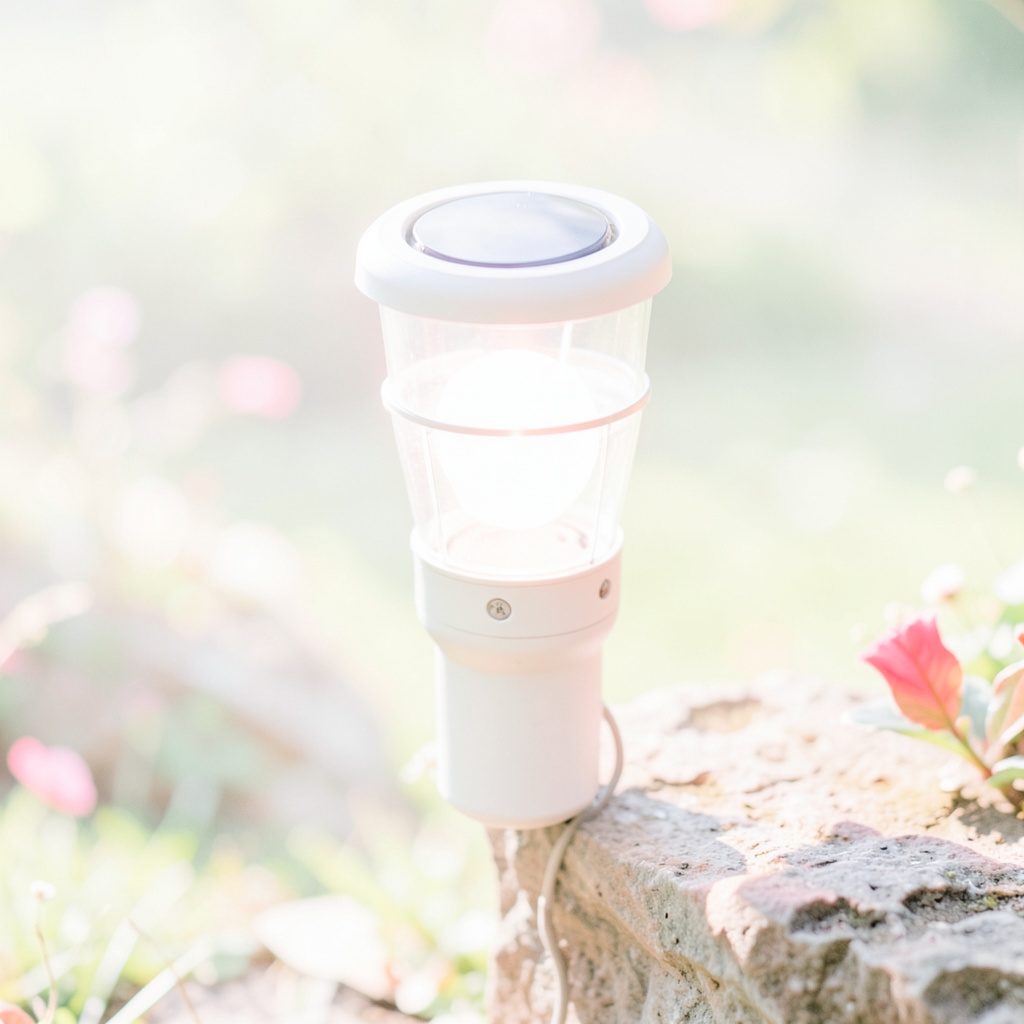
Solar lights need direct charging time. A comparison of solar lanterns can help identify suitable options for tables and pathways, but the location matters more than the label. Keep panels clear of shade and orient them toward the sun; in the Southern Hemisphere, north-facing placement generally captures more usable winter light. Brands such as InnoGear offer solar-focused products, while Philips provides controllable outdoor fittings for colour and automation.
Local availability also varies. Australian shoppers commonly compare products through Bunnings, Mitre 10, Amazon and specialist garden stores, while Home Depot listings can help identify suitable fixture types. Check local stock, Australian electrical compliance, warranty coverage and battery replacement options before buying an imported product.
For mains-powered fittings, look for Australian RCM compliance and confirm that the supplier is registered under the applicable scheme. Hardwired alterations must meet state and territory wiring rules, and a licensed electrician may be required. The Australian Consumer Law also provides consumer guarantees, although keeping your invoice and installation details will make any claim easier to manage.
Build a layered lighting scheme
A successful outdoor lighting design combines several layers rather than relying on one powerful source. Ambient lighting establishes the overall level of visibility, accent lighting draws attention to planting or architecture, task lighting serves work areas, and security lighting covers entrances and hidden routes. Keeping each layer dim enough for the next prevents the garden from looking over-lit.
Before buying several matching fittings, test the colour and brightness of one lamp in the intended position. Coloured light can look intense in a showroom but softer outdoors, particularly when reflected from foliage or textured walls.
- Use warm white between 2200 and 2700K as the main colour around seating areas and everyday paths.
- Reserve saturated red, blue or magenta for feature walls, water features and entertaining spaces.
- Create a moonlit effect with shielded, low-output blue fixtures positioned close to the ground.
- Choose green only where it reveals leaf shape or texture without tinting the entire garden.
- Combine low path lighting with brighter motion-activated light at gates, steps and side entrances.
- Use timers, dusk sensors or smart schedules to avoid leaving decorative lights on all night.
After dark, switch off the existing lights and judge the garden one layer at a time. Brightness that seemed subtle at midday may create glare at night, while a single warm accent often provides enough atmosphere. Adjust the aim before adding more products, and keep neighbouring windows and shared boundaries free from intrusive spill.
Begin with one path after sunset
Trial the scheme on a path that connects two important areas, such as the back door and patio. Check the colour under real conditions, including nearby reflected light, and observe how the path looks from the house. This makes it easier to identify whether the problem is brightness, colour temperature, spacing or fixture placement.
A practical first move is to pick one path, switch off its existing light, and test a single warm-white fixture for fifteen minutes after sunset tomorrow.