Featured Topics

Solar Lanterns That Bring a Boho Garden to Life
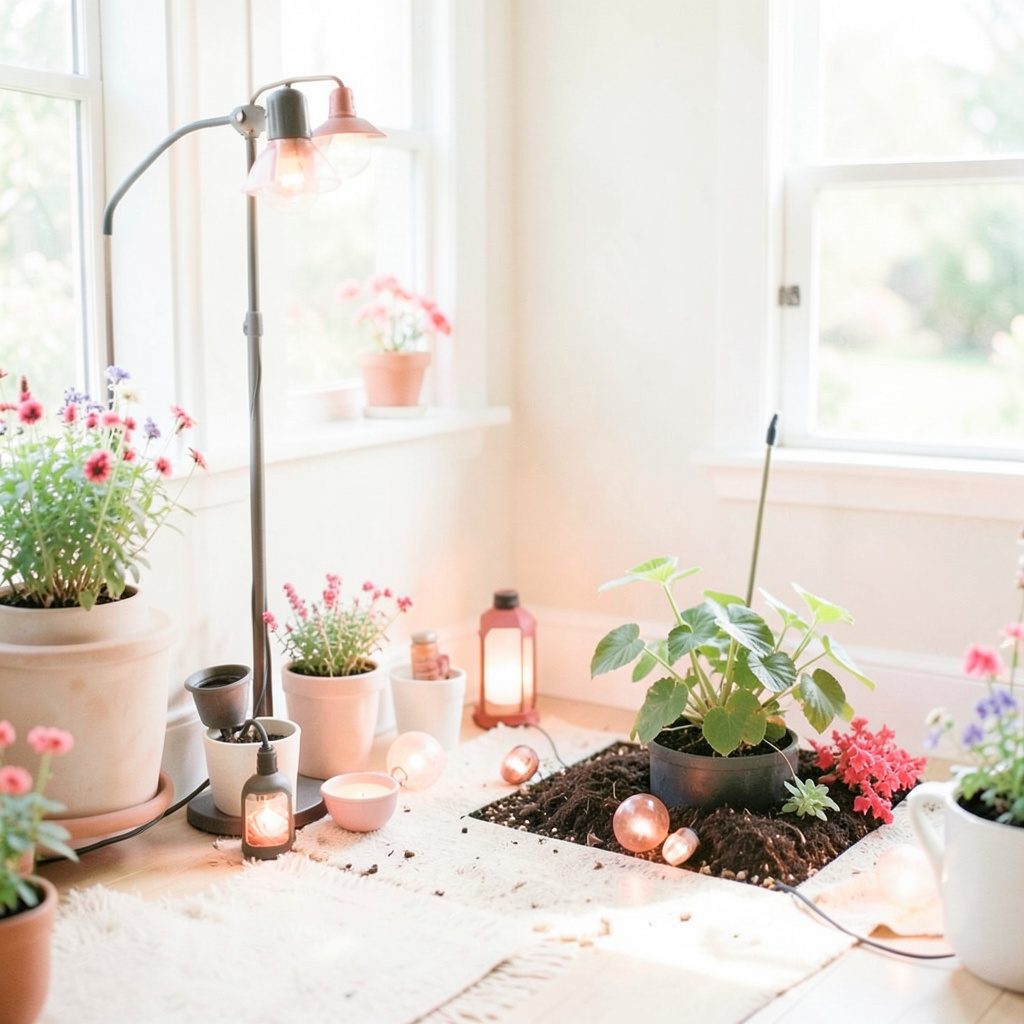
A boho garden leans into texture, soft layering and a sense of slow living. It borrows from desert retreats, coastal hideaways and the kind of courtyard where mismatched rattan, trailing vines and embroidered cushions sit comfortably together. Lighting is the thread that ties it all up at dusk, and solar lanterns have become the easiest way to carry that mood without hiring an electrician or running cables across the lawn.
Australia is a natural fit for this approach. The country sits under some of the strongest UV on the planet, which means solar panels recharge quickly on a clear afternoon in Brisbane, Perth or Adelaide. Outdoor entertaining is part of the national rhythm, whether it is a Sunday roast in Melbourne, a long lunch by the pool in Sydney or a warm evening on a Darwin balcony. Solar lanterns slip into that routine without demanding much thought, charging themselves through the day and glowing softly once the sun drops behind the hills.
In the sections ahead, you will find the practical details worth weighing before buying: finishes, light quality, battery performance and how each lantern holds up against salt air, summer storms and the occasional curious possum. The aim is to help you sort the pretty showpieces from the ones that will still be glowing in eighteen months.
A quick note before you start shopping: have a think about where lanterns will live. A small cluster beside a daybed reads differently to a single lantern on a balcony railing, and a pathway lined with frosted glass feels nothing like a hanging orb over a dining table. Choosing the right home for each piece matters just as much as choosing the piece itself.
Why boho gardens and solar lanterns click
Bohemian style is built on warmth rather than polish, and lantern light sits at the exact temperature the look needs. A warm white glow around 2200K to 2700K bounces gently off macramé, jute rugs and terracotta pots, while a cooler white reads more clinical and breaks the spell. The wandering patterns of cut-out lanterns throw lace-like shadows across decking or pavers, adding the kind of soft detail that designers usually try to fake with paint.
Solar lanterns also match the boho philosophy of low effort, high reward. There are no switches to remember, no timers to set and no cables to trip over when the kids are running around with sparklers on New Year's Eve. If you are furnishing a small courtyard in Surry Hills or a wide backyard in the Adelaide Hills, the technology does the work while you get on with the evening.
One of the more useful resources when refining a lighting plan is the lighting section at Meredith LBL, which breaks down how different bulb colours and lumens play together in outdoor settings.
Materials and shapes that set the tone
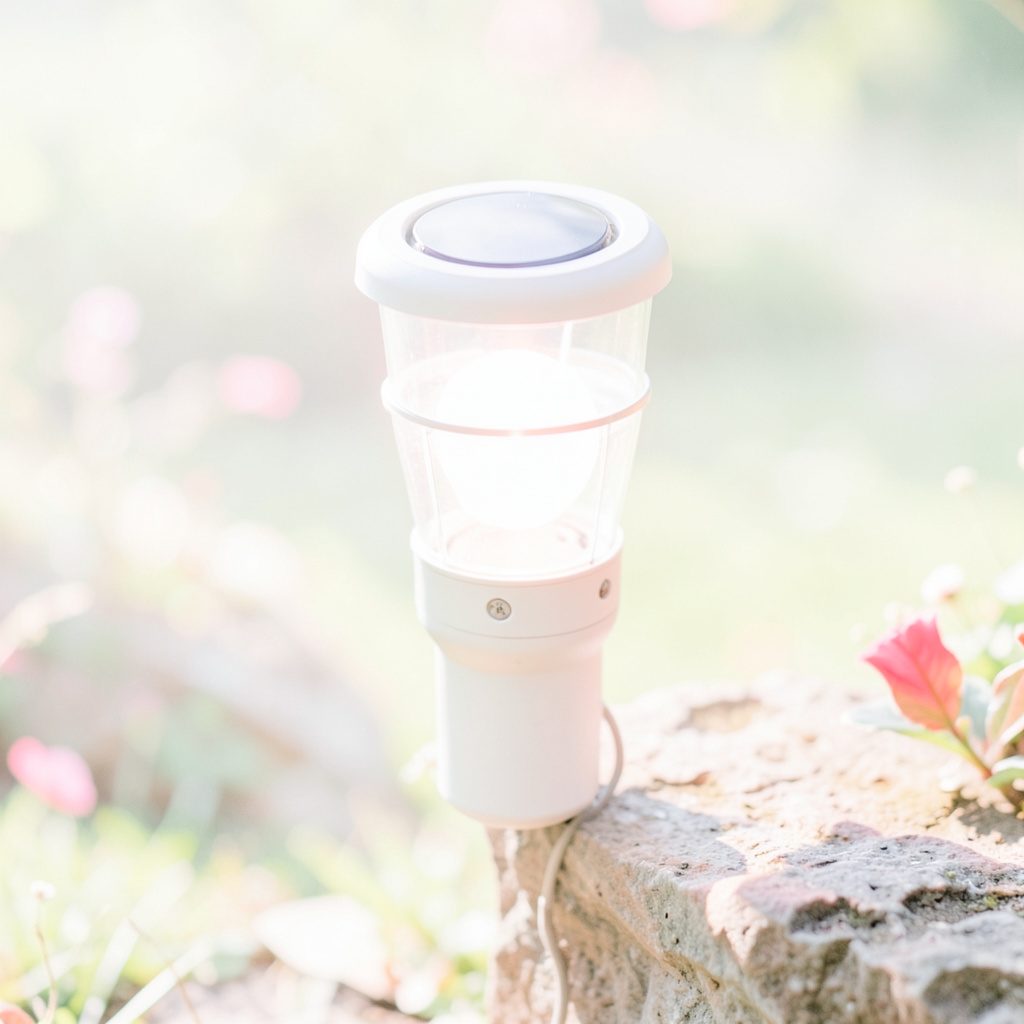
Rattan and bamboo lanterns suit the look almost too well, their woven texture already speaking the boho language even before the light comes on. They pair nicely with linen cushions, raw timber benches and the kind of potted olive trees you see on terraces in Fremantle. For something with more presence, metal lanterns with Moroccan-style cut-outs create a strong silhouette against a rendered wall or behind a cluster of plants.
Glass shapes deserve attention too. Frosted globes soften the light and hide the panel inside, while amber or smoke-tinted glass adds warmth without needing a coloured bulb. Mosaic lanterns in jewel tones work for those who want a touch of drama, especially when grouped on a low table at sunset. Keep an eye on how each material reflects onto nearby surfaces: a chrome lantern beside a white wall will throw sharper reflections than a brass or copper finish.
Brands such as Philips and InnoGear offer options across these material families, and a hand-curated range of decorative and architectural pieces that lean toward this aesthetic is available through EPI Light for further browsing.
Brightness, color temperature and battery life
Bohemian settings usually want a gentle wash rather than a flood. Anything from 60 to 150 lumens is plenty for a tabletop or hanging lantern, while path lights can stretch to 200 lumens without feeling harsh. Dimming models are a quiet luxury, especially during longer summer evenings when the sun is still warm at 7.30pm in Sydney or Brisbane.
Colour temperature matters more than many shoppers expect. Stick to the warm end of the spectrum, ideally between 2200K and 3000K, for the candle-like glow boho spaces crave. Anything cooler than 3500K will start to feel like a car park.
Battery performance is the make-or-break detail in Australia. Look for lithium-ion cells with at least 1500mAh for smaller lanterns, and check the rated run-time at full brightness, not just in low mode. A solid lantern should manage six to ten hours from a full day of sun, which covers a typical Australian evening from twilight to bedtime. Cheaper units often fade after a season, while the better ones hold their output for three to five years. Most of these models can be ordered through major retailers including Amazon and Home Depot for those comparing prices against local stockists.
Placement ideas across the yard
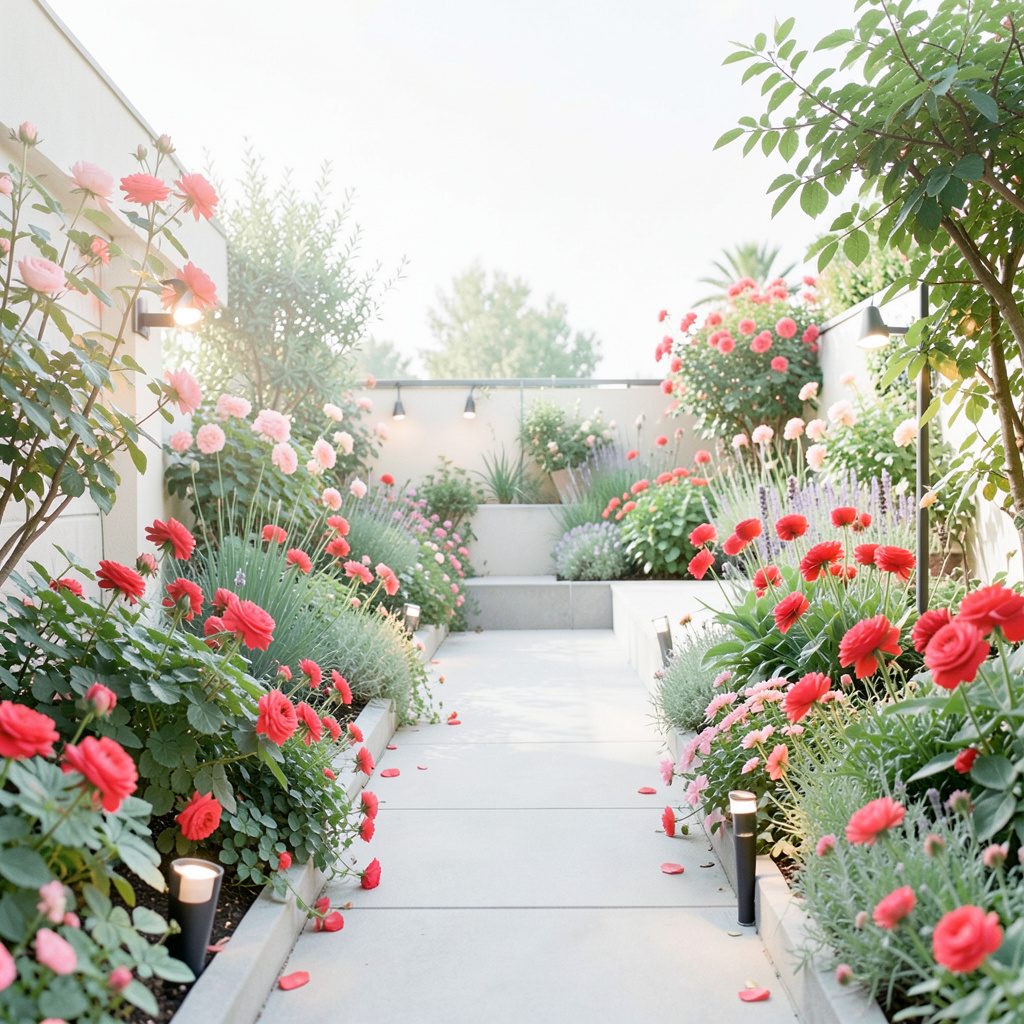
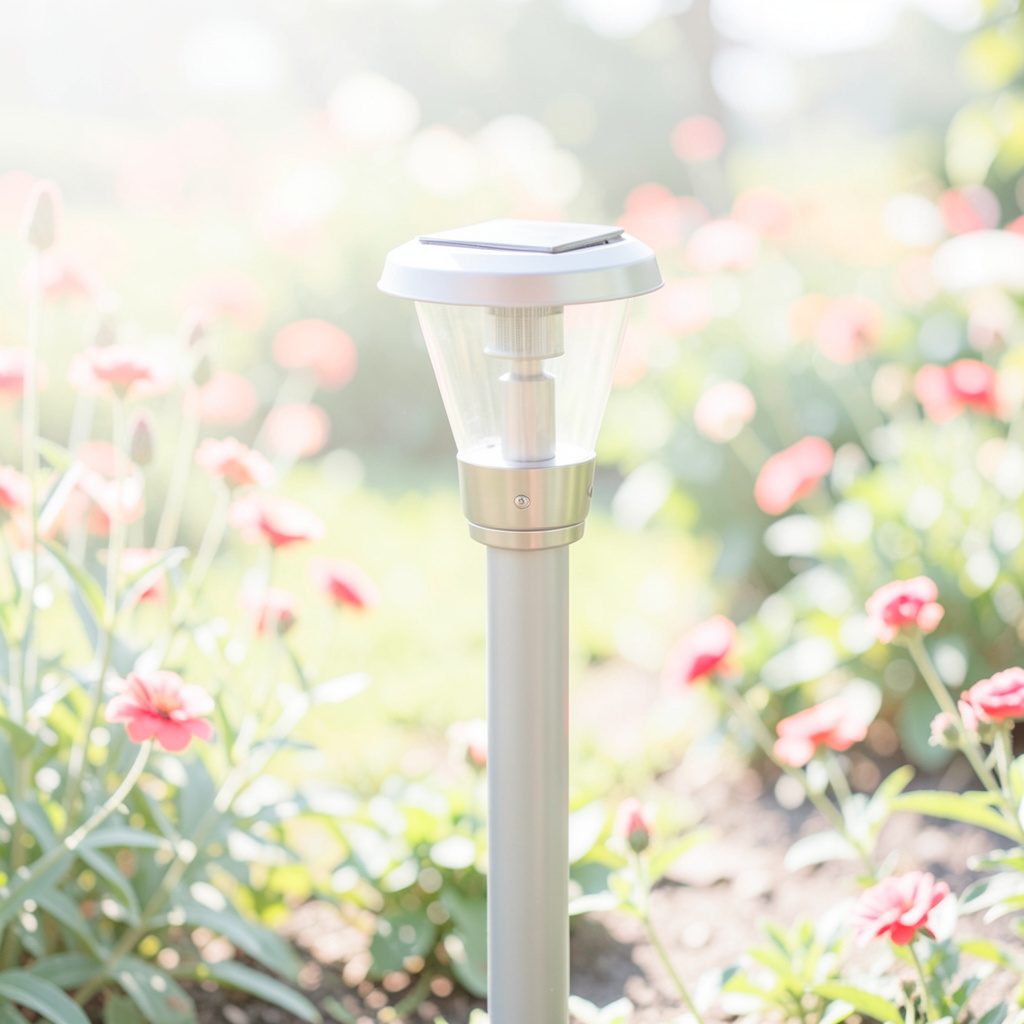
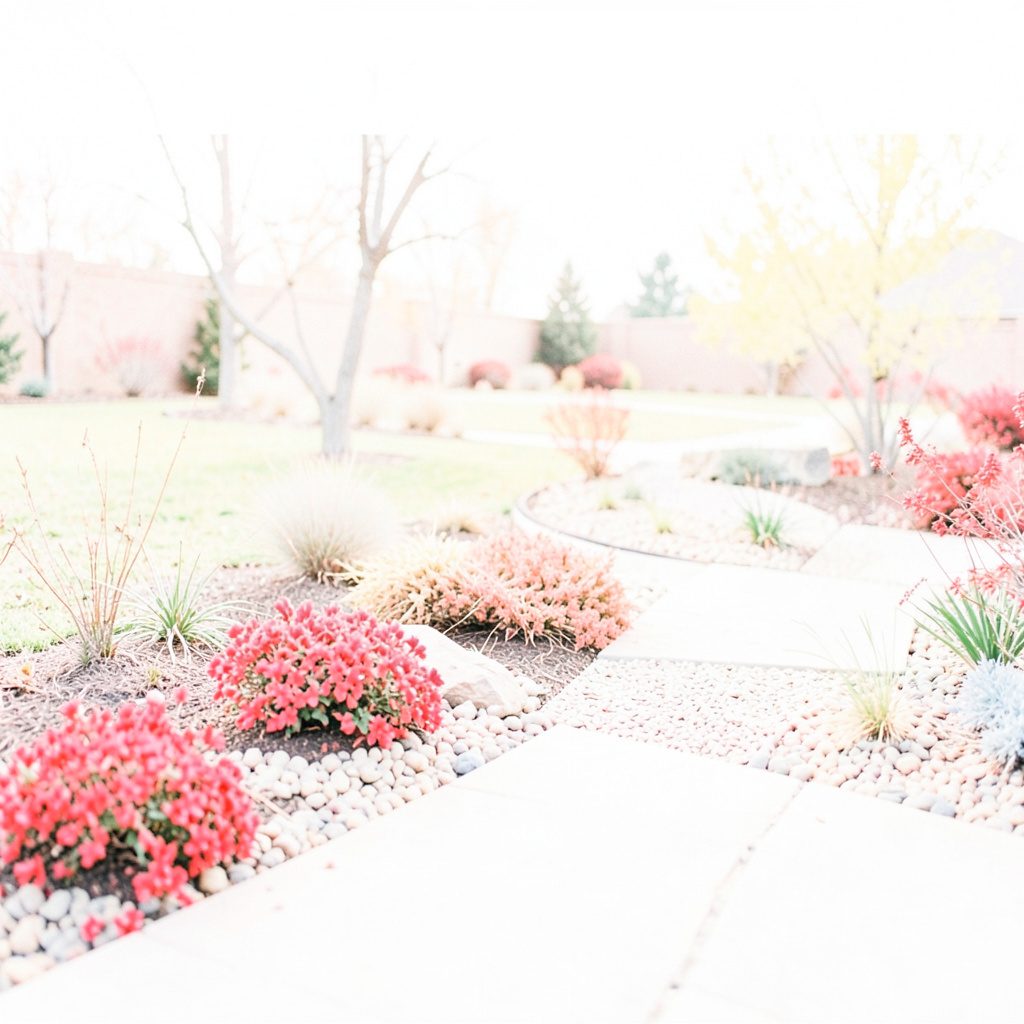
Think in layers when positioning lanterns. The lowest layer runs along pathways and the edges of lawns, where low bollards or stake lights guide feet and paws without lighting up the whole garden. The middle layer sits on tables, bench seats and walls, where medium lanterns create pools of warmth where people gather. The upper layer hangs from pergolas, tree branches or shepherd's hooks, throwing patterns overhead.
In a narrow Melbourne courtyard, two or three hanging lanterns above a dining table will do most of the work, with a single ground lantern near the back door for late-night trips inside. A larger Brisbane backyard with a pool benefits from lanterns spaced every three metres around the pool deck, plus a pair of statement pieces near the outdoor kitchen. In a windy coastal spot such as the Mornington Peninsula or parts of the Sunshine Coast, choose lanterns with a heavier base or the option to hang securely, as gusts can send lightweight pieces over.
Weather resistance in Australian conditions
Outdoor lighting sold in Australia must carry an IP rating suited to its location, and the rules are practical. IP44 is fine for a covered patio, but anything fully exposed to rain needs IP65 or higher. Coastal buyers should also look for salt-spray resistance, as standard steel fittings will pit quickly within a kilometre or two of the surf in places like Coffs Harbour or Margaret River.
Heat is the other hidden test. Lanterns left in full sun through a Perth summer can hit internal temperatures well over 60°C, which shortens battery life and can yellow plastic housings. Look for UV-stabilised materials, especially on cheaper lanterns, and position them where they get morning sun and afternoon shade where possible.
Bushfire-prone zones around the edges of Melbourne, the Adelaide Hills and parts of regional NSW have additional rules. Choose lanterns with metal or ceramic bodies rather than all-plastic construction, keep them clear of dry leaf litter, and check any local council guidance before installing near vegetation. The Australian Standard AS/NZS 60598 covers safety requirements for luminaires, which any reputable retailer will reference on the product page.
Smart features that quietly elevate the look
Modern solar lanterns often include small touches that make daily use smoother. Built-in dusk-to-dawn sensors are the most useful, switching the light on automatically at sunset and off again at dawn, which suits the laid-back boho routine. Some models offer USB charging as a backup for cloudy stretches or for use indoors at a dinner party.
Remote-controlled colour shifting has improved markedly, and a few lanterns now let you nudge between warm white, soft amber and a gentle flicker mode that mimics a candle. Used sparingly, the flicker effect is magic on a still evening. Avoid RGB cycling lanterns though, as the boho palette stays in the warmer, earthier end of the spectrum.
When lanterns connect to a phone app, it is worth reading the brand's privacy and data handling notes before pairing. Most reputable brands collect only basic usage data, but the detail varies and Australian consumer law expects the policy to be clearly written.
Care, cleaning and battery longevity
A little seasonal care stretches the life of any lantern. Wipe solar panels with a soft, damp cloth every few weeks to clear dust, pollen and bird droppings, all of which reduce charging efficiency. In autumn, clear fallen leaves from around the base and check that the panel is not shaded by a growing plant.
Batteries are the part that usually fails first. Most quality lanterns use replaceable 18650 or similar lithium cells, and swapping them after two or three years keeps the light bright without buying a whole new unit. Where the battery is sealed, the lantern is effectively disposable, which is worth knowing before falling for a bargain.
Always dispose of old batteries at a recognised drop-off point, as councils across every state run collection schemes that retailers are required to participate in. Following the manufacturer's guidance protects both the lantern and the warranty, and for anyone wanting more context on the testing approach used in this guide, the about-author page on the Meredith LBL site shares a bit of background on the person behind the recommendations.
The right solar lantern does not just light a garden. It shifts the mood from ordinary backyard to a softly glowing, boho-inspired retreat where long evenings feel effortless. Choose warm colour temperatures, pick materials that suit your climate, and place each piece with intention rather than in clusters of convenience. Look after the panels and the batteries, and the lanterns will keep returning the favour every clear evening for years to come.