Featured Topics

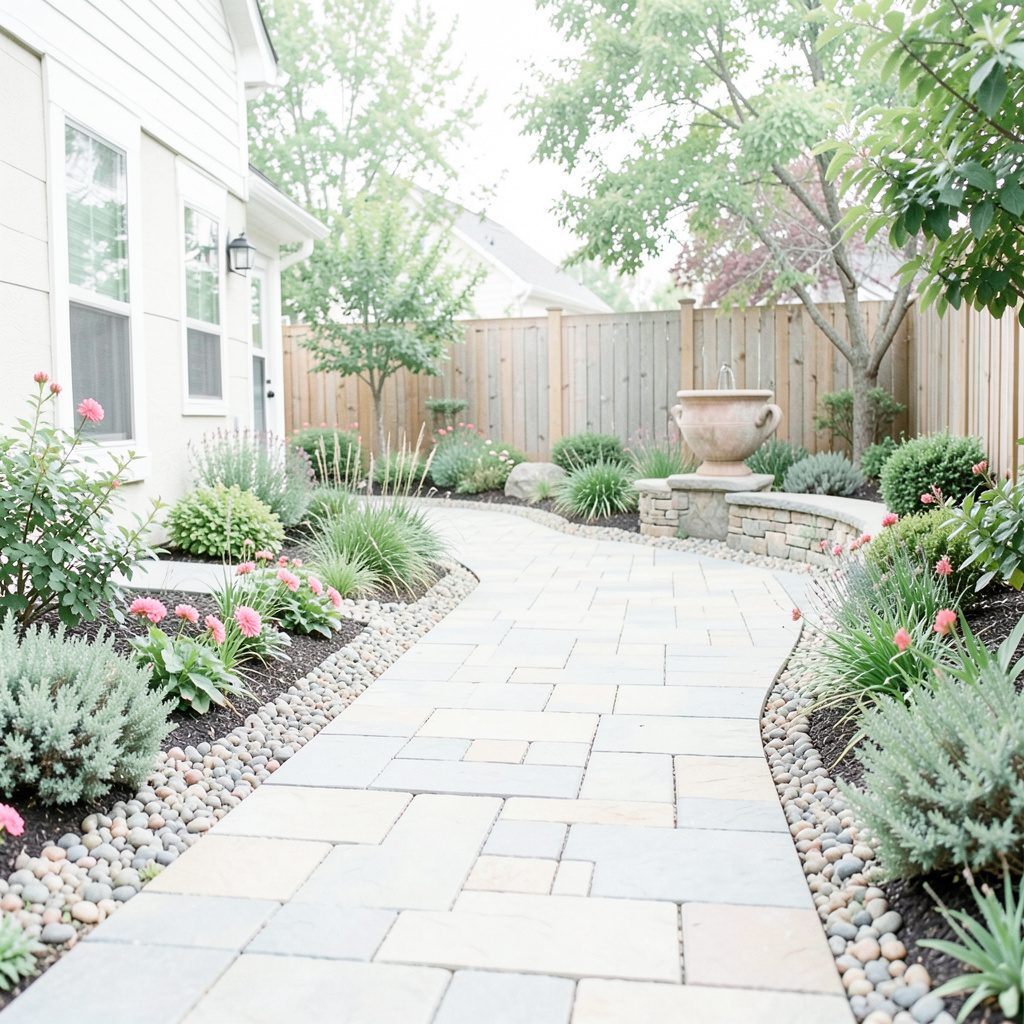
Top solar wall sconces for front door elegance
A solar wall sconce can make a front entrance feel considered after sunset, casting a warm wash across a door number, keypad, letterbox or textured façade. The best units combine atmosphere with enough output to reveal the step, path and garden edge. For an Australian home, that balance of welcome, visibility and weather resistance matters more than a dramatic beam.
Solar outdoor lights are especially useful on verandahs and rendered-brick entrances because many need no mains cable, even when hard-wired-looking. Check that the panel charges in direct sun rather than beneath a deep eave. A decorative profile should look elegant by day and cast useful, even light at night without glaring toward approaching visitors.
Solar wall sconces for an Australian entrance
Australian suburban entrances vary widely: a compact brick verandah, a rendered double front, a timber gate or a modern metal door each need a different scale. The sconce should complement the architecture, not compete with it. Warm-white light also suits timber and natural stone, while a darker finish tends to disappear against charcoal brick or metal.
Check the whole silhouette, not just the lit face. A lantern shape creates patterned shadows that can flatter a traditional door, whereas a clean rectangular panel produces a sharper wash for contemporary façades. Look for an adjustable head or swivel shade if the wall is unusually deep, and make sure the battery and controls can be reached without removing the entire fixture.
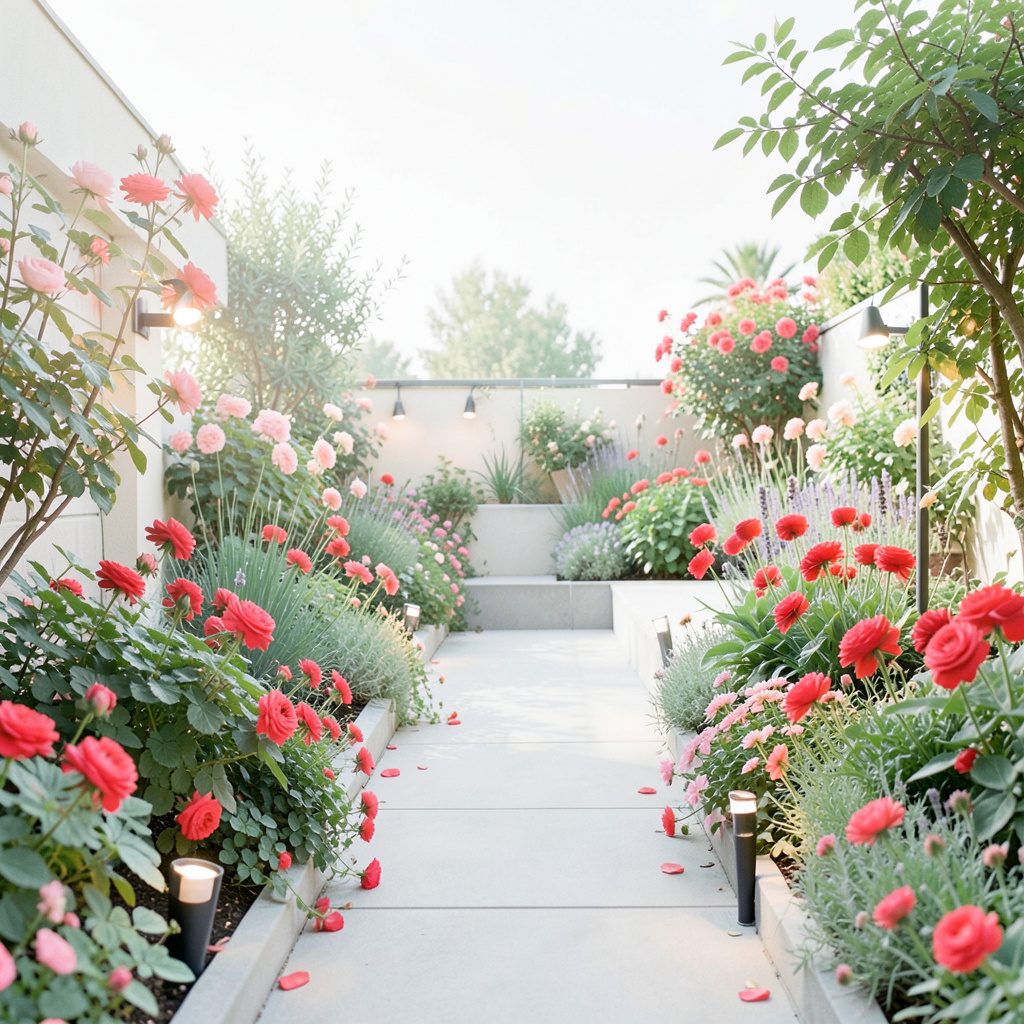
For broader inspiration, garden lighting ideas can help coordinate the entry with planting, paths and neighbouring houses. A coordinated entrance looks more deliberate than an isolated bright lamp, but the sconce should remain the visual anchor. Keep its scale in proportion to the door and reserve the most decorative model for the wall guests see first.
Weatherproofing, output and colour
Weather specifications deserve close attention. Sydney's salt-laden coastal air calls for sealed, corrosion-resistant fittings; Melbourne's cloudy winters make a generously sized panel and battery more valuable; Perth's intense UV calls for UV-stable plastics; and Brisbane's summer storms favour IP65 fittings with secure cable entries on exposed walls.
IP44 may suit a fully sheltered porch, while IP65 is the safer choice for open verandahs and rain-exposed walls. Neither rating guarantees a long battery life. For output, roughly 100–250 lumens is usually enough for decoration and a door number, whereas 300–500 lumens offers stronger coverage for paths. Compare tested lumen claims rather than LED wattage.
Colour temperature affects the whole street-facing view. Around 2200K–3000K gives the entrance a residential warmth, and a CRI of 80 or more keeps brickwork and foliage natural. Dusk-to-dawn sensors provide steady ambience; PIR motion sensors can improve security but need sensitivity adjustment, especially where pets, pedestrians or passing cars regularly enter the beam.
A practical shortlist for discerning buyers
Start with the job rather than the packaging. A lamp beside a door needs soft, even coverage, while a solar porch light near a driveway benefits from motion sensing and stronger output. Meredith LBL's outdoor security lighting guidance is useful for judging coverage without turning the frontage into a floodlit billboard.
These buyer-focused choices suit the most common Australian entrances:
- Choose a Philips MyGarden solar wall lantern for a traditional façade; confirm the current model's lumen output, colour temperature and IP rating.
- Consider an InnoGear PIR solar wall light for a wide porch or driveway; compare beam angle, sensor range and night-time dimming.
- Use matched compact solar sconces on a modern double door, keeping the panels and battery compartments discreet and equally exposed to sun.
- Select an IP65 model with a replaceable battery for coastal or rain-prone homes instead of a sealed unit that may be discarded.
- Favour a high-capacity battery and stated runtime where winter sun is limited; a larger panel can be more useful than extra modes.
- Look for warm-white LEDs between 2200K and 3000K, a CRI of 80 or higher, and adjustable heads that keep glare off the path.
Whichever style you choose, treat solar runtime as a whole-system specification. Panel size, battery capacity, sensor behaviour and the number of hours at full brightness work together, so a bright light with a small battery may disappoint every winter.
Where to position lights around a front door
Place the principal sconce close enough to the door to illuminate the lock, number and letterbox, usually around 30–45 centimetres from the frame and at roughly eye level. Test it while standing where visitors wait. If the light creates hard shadows on the face, angle the head or move the fitting rather than accepting an unflattering glare.
For double doors, symmetrical fittings create rhythm and make the entrance feel deliberate. Measure the spacing carefully and check that both units receive comparable sun; a shaded side can shorten runtime. On a wide wall, one powerful fixture may look sparse, while two smaller sconces can provide cleaner coverage and better visual balance.
Extend the scheme with low solar path lights or shielded garden markers, keeping them below eye level so they guide rather than dazzle. Avoid pointing a security beam into the street or a neighbour's window. Layering a door light with subtle path illumination is usually more welcoming and more effective than relying on a single glaring fixture.
Comparing Philips, InnoGear and local retailers
Philips is a natural starting point for buyers wanting a restrained finish. The MyGarden solar wall lantern is a sensible option for traditional and heritage-inspired doors, provided the current Australian specification meets the brightness and weather rating you need. Its established outdoor range also makes it easier to coordinate with other garden fittings.
InnoGear is often attractive to households seeking brighter, feature-rich units or two-packs. Some designs include PIR motion detection, adjustable heads and warm or neutral white LEDs. Treat advertised figures as model-specific: check the beam spread, sensor range, charging time and warranty on the exact listing, as variations within a range can be substantial.
Compare Australian stock through Bunnings, Amazon Australia and Home Depot, while confirming local warranty support and battery availability. Retailer photographs can distort scale, so use dimensions rather than appearance alone. For a companion choice around lawns and terraces, Meredith LBL's LED tiki torch comparisons explain when solar power is preferable to an electrical feed.
Building a reliable evening lighting plan
Plan the scene before buying. Mark the intended mounting points, note how much direct sun each receives and test the layout at dusk with a temporary lamp. Look for even coverage of the entry and path, controlled shadows and no bright spots visible from the road. The same entrance can look calm from the street and awkward from the doorstep.
Keep the panel clean and unobstructed; dust, leaves and bird droppings can reduce charging noticeably. Check that the automatic switch is left on, wipe the dusk sensor clean and inspect exposed screws for corrosion. Replace the battery when runtime falls rather than accepting a permanently dim light, and confirm that replacement cells are sold in Australia.
The practical takeaway is simple: choose a warm-white, weather-rated sconce with a replaceable battery, give its panel unobstructed sun, and position it to illuminate the door and path without shining into neighbours' windows.