Featured Topics
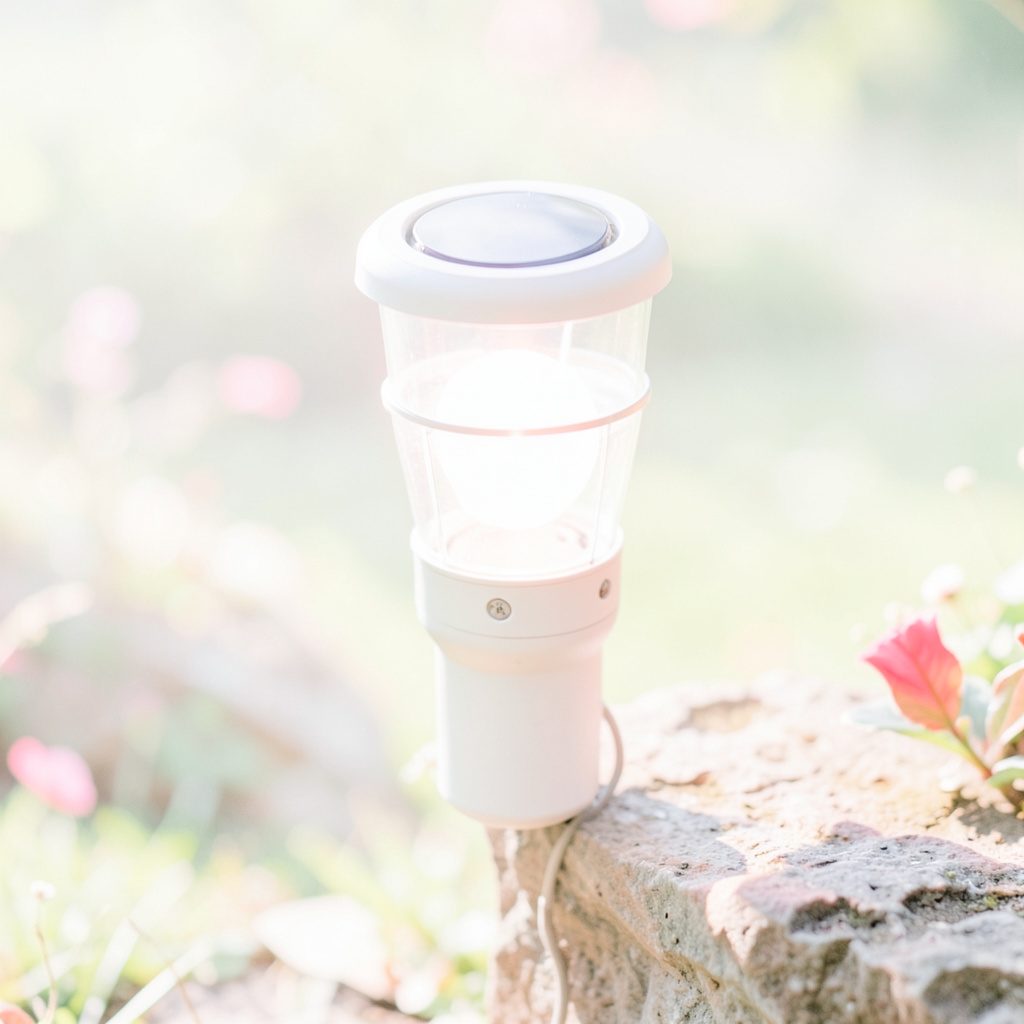

Solar Ground Lights for Driveway Markers
A well-lit driveway makes an arrival feel safer, clearer, and more considered. Solar ground lights are especially useful for marking the edge of a drive because they avoid trenching for cables, operate independently from the mains, and can be repositioned when landscaping changes. The best models provide a soft visual guide rather than a harsh beam shining into windows or passing cars.
Australian gardens place particular demands on outdoor lighting. A product that performs well in a shaded Melbourne courtyard may struggle beside a bright Perth driveway, while salt air in Brisbane or coastal Sydney can accelerate corrosion. Choosing the right light therefore involves more than appearance: panel position, battery capacity, weather resistance, traffic exposure, and local safety requirements all matter.
Match The Light To The Driveway
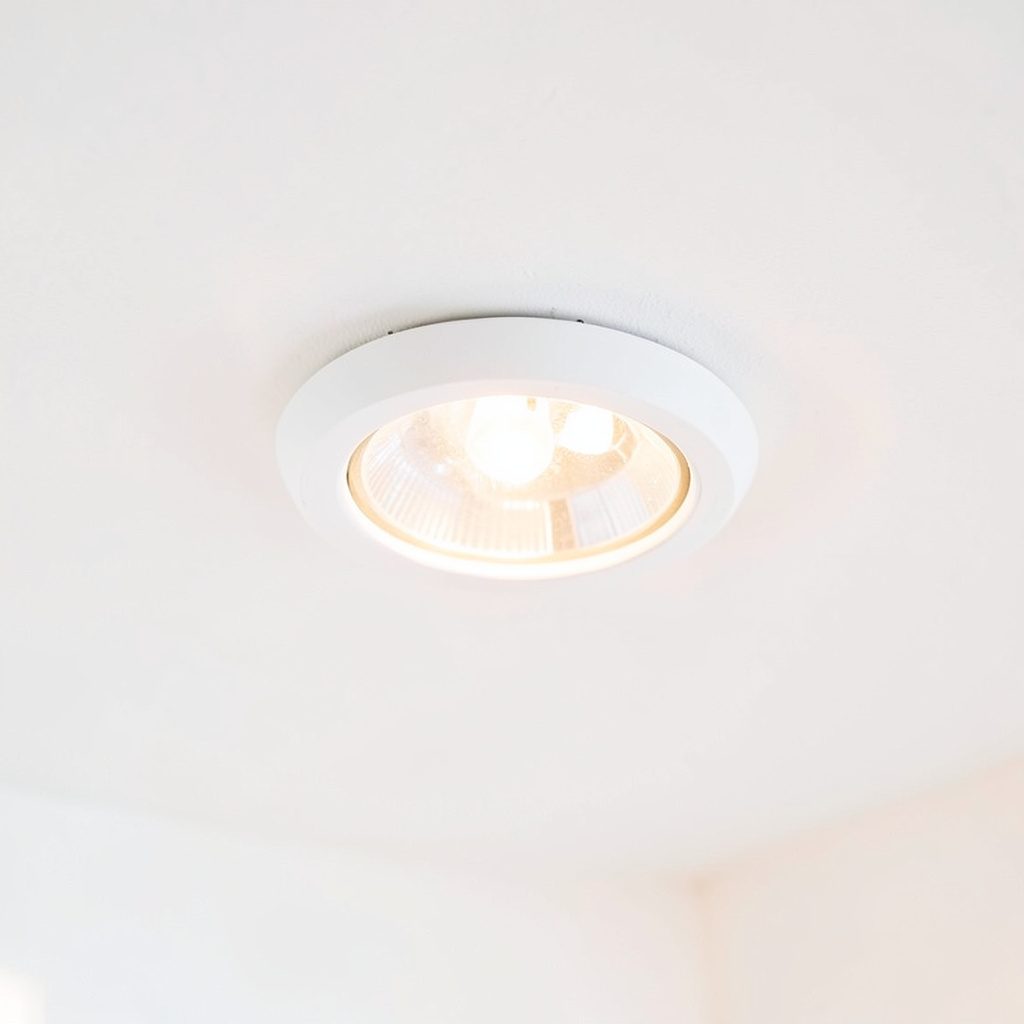
Paved driveways usually suit compact recessed pucks or flush-mounted solar markers. Their low profile keeps tyres, shoes, and garden equipment from catching on the fitting. These lights create neat points of illumination along the edge, especially when installed in a regular rhythm on concrete, brick, or stone.
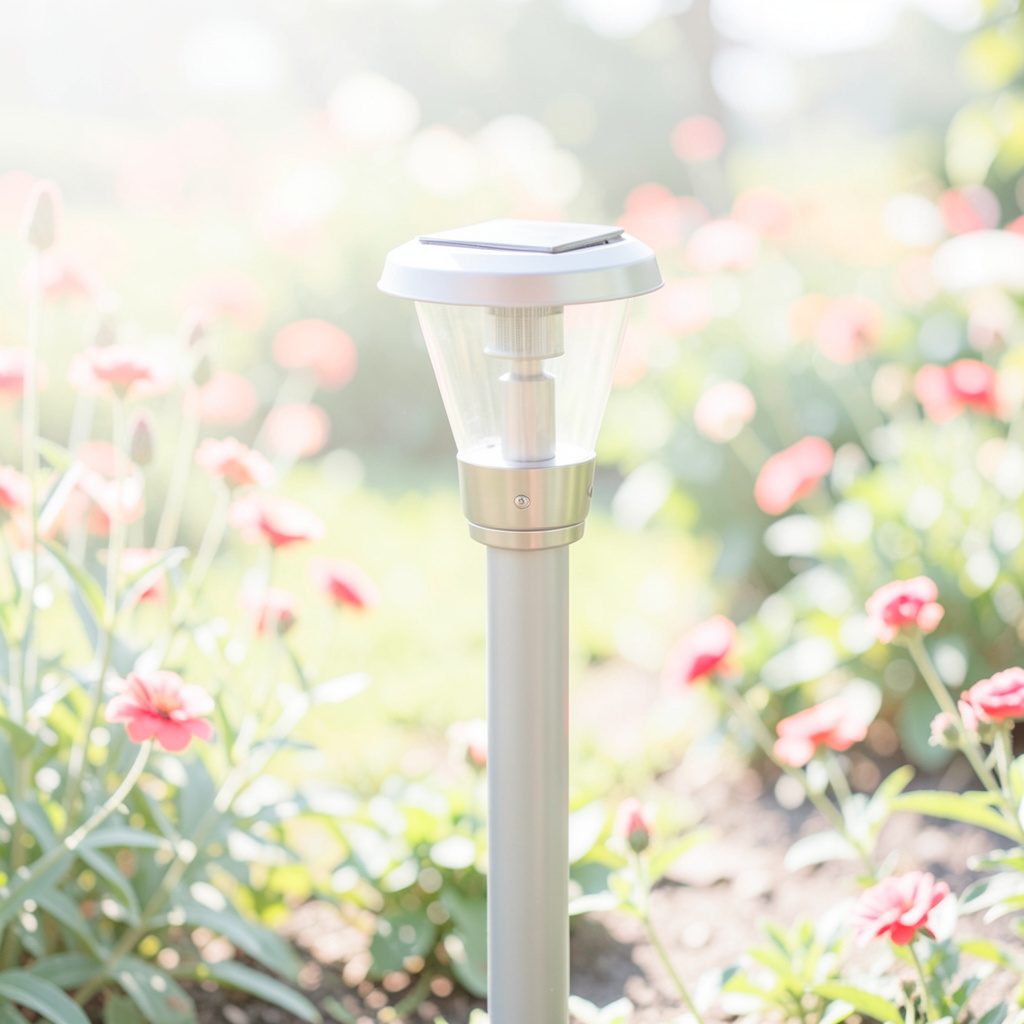
For gravel or loose surfaces, stake-style lights are easier to install and adjust. Look for a broad, stable base and a strong ground spike rather than a thin decorative stem. In a long rural drive outside Adelaide or Canberra, larger marker heads can offer better visibility, while smaller lights may be enough for a short suburban entrance.
The colour temperature also affects the atmosphere. Warm white, around 2700K to 3000K, blends well with timber, sandstone, and planting. Neutral white provides a cleaner route marker and can be useful where the driveway meets a garage or pedestrian path. Cool white may look bright in a product photograph but often feels stark in a residential garden.
Check Brightness, Runtime, And Beam Control
Solar pathway lights are often described by brightness, but the advertised lumen figure does not tell the whole story. A high output is less useful if the lens creates glare or the battery runs flat after a few hours. For driveway markers, even illumination and a controlled downward beam are generally preferable to maximum brightness.
Choose models with a separate or adjustable solar panel when the light body will sit in shade. This is helpful beneath a verandah, near a tall hedge, or beside a south-facing wall. Integrated panels are tidy, but they need a clear view of the sky for several hours each day. A good technical reference for efficient outdoor lighting is this guide to LED tube lighting, which also reinforces the value of checking output, efficiency, and operating conditions rather than relying on appearance alone.
Look for dusk-to-dawn sensors, replaceable batteries, and at least two lighting modes. A low constant glow with a brighter motion-triggered setting can preserve stored energy while improving visibility when someone walks towards the garage. Avoid overly sensitive motion sensors near busy footpaths, as repeated activation can shorten overnight runtime.
Prioritise Australian Weather Resistance
Outdoor lights should have a clearly stated IP rating. IP65 is a useful minimum for fittings exposed to rain and dust, while IP67 offers stronger protection where heavy downpours, splashback, or occasional pooling may occur. No rating makes a product suitable for permanent submersion, so low points in a driveway should be avoided.
Summer heat and intense ultraviolet exposure can fade cheap plastic and reduce battery life. In Perth and western Sydney, dark housings may become very hot in direct sun. Choose UV-resistant materials, tempered glass or robust polycarbonate, and sealed battery compartments. Stainless steel can be attractive, but powder-coated aluminium or quality plastic may hold up better in some coastal environments.
Bushfire-prone areas require extra care with garden placement. Keep lights, wiring, packaging, and dry leaf litter away from combustible mulch and dense vegetation, and follow advice from the relevant state fire authority. In strata complexes, a body corporate or local council may also control changes to shared driveways, kerbs, and visible exterior fittings.
Install Markers For Clear Guidance
Spacing should follow the shape of the driveway rather than a rigid measurement. Place the first lights near the entrance, then continue along curves and changes in level. Straight sections can use wider spacing, while bends benefit from closer markers so the route remains legible from a vehicle. Installing lights on both sides is attractive, but a single consistent edge may be safer on narrow drives.
Avoid placing a light exactly where a tyre is likely to pass. Recessed models should sit completely level with the surrounding surface, with drainage considered before cutting or setting them in place. Stake lights need to be pushed into firm soil, not hammered through the housing, and should not obstruct gates, bins, or pedestrian access.
A simple evening test can reveal problems that are invisible during daylight. Walk and drive past the installation from several angles, checking for glare, dark gaps, reflections on windscreens, and confusion between the driveway and lawn. Lights should define the boundary without competing with porch fittings, streetlights, or security cameras.
Compare Brands And Buying Options
Philips outdoor lighting is often considered when consistent construction, familiar specifications, and a restrained design are priorities. InnoGear products appeal to shoppers seeking multi-packs, decorative finishes, and adjustable modes. Availability changes, so compare the actual Australian listing, warranty terms, battery type, and replacement parts rather than relying on a brand name alone.
Amazon Australia, Bunnings, Mitre 10, and specialist landscape suppliers can all be useful places to compare solar driveway lights. Home Depot references may appear in overseas reviews, but Australian buyers should check voltage information, delivery costs, plug requirements, and whether the warranty is valid locally. A product that looks inexpensive in an American listing may become poor value after shipping.
Be cautious when a listing makes broad claims without giving battery capacity, panel specifications, IP testing, or lumen output. A page discussing panel performance claims is a reminder that strong wording is not a substitute for measurable information. Also separate genuine product reviews from promotional pages; even online casino advertising demonstrates how easily attention-grabbing claims can be presented beside commercial offers.
For practical background on the writer and the type of home-focused research behind product recommendations, the author profile can provide useful context. The most important shopping details remain product-specific: dimensions, materials, charging time, expected runtime, return policy, and whether replacement batteries are available in Australia.
Maintain The Lights Through Every Season
Solar markers need occasional cleaning because dust, pollen, salt, and bird residue reduce the amount of light reaching the panel. Wipe the surface with a soft damp cloth and inspect the seal around the battery compartment. Coastal homes near Sydney, Brisbane, or the Gold Coast may need more frequent cleaning because salt deposits accumulate quickly.
Trim plants that cast evening shadows over the panel and remove leaf litter from around ground-level fittings. After a long period of cloudy weather, allow the lights to receive a full day of direct sunlight before deciding that the battery or panel has failed. If runtime remains poor, replacing the rechargeable battery is often more economical than replacing the entire housing.
At the end of summer, check whether heat has warped plastic, loosened stakes, or exposed cracks. Before winter rain, confirm that drainage is clear and that no fitting has sunk below the surrounding soil. Regular inspection is especially important on driveways used by visitors, delivery vehicles, and children.
The strongest driveway lighting scheme is usually simple: durable markers, even spacing, modest brightness, and enough contrast to show the route without flooding the garden. Warm white lights can make a Sydney terrace feel welcoming, while brighter neutral markers may be more practical on a long rural approach. Whatever the style, the reader should remember that reliable solar driveway lights are chosen for their placement, weather resistance, charging conditions, and controlled visibility—not merely for how impressive they look in a product photograph.