Featured Topics

How To Light A Gazebo For Year-Round Use
A gazebo can become one of the most useful spaces in an Australian garden, serving as a breakfast spot, outdoor office, barbecue shelter, or evening retreat. The right lighting makes it comfortable after sunset without turning the structure into a harshly illuminated box. A layered scheme combining overhead, task, accent, and pathway lighting will suit changing seasons and different activities.
Outdoor entertaining often continues long after the sun goes down in Brisbane, Sydney, Perth, and other warm-weather locations. During summer, soft illumination helps guests move safely between the house and gazebo, while in cooler months, well-placed lights make a sheltered seating area feel inviting. Lighting should support the way the space is used rather than simply fill every corner with brightness.
Australian conditions also affect fixture selection. Strong ultraviolet exposure can fade plastic and weaken low-quality wiring, while coastal air may corrode metal fittings. In areas prone to storms or bushfires, installation and placement require additional care. A durable, weather-rated system is a better long-term choice than decorative lights designed only for occasional indoor use.
Solar lanterns and low-voltage LED fittings are widely available through Australian retailers, garden centres, and online marketplaces such as Amazon and Home Depot’s international product listings. Mains-powered installations can offer dependable brightness, but they should be planned with Australian electrical requirements in mind. A thoughtful design combines convenience, atmosphere, and safe operation.
Start With A Layered Lighting Plan
Begin by dividing the gazebo into lighting zones. General lighting can come from a central pendant, a flush ceiling fitting, or several downlights beneath the roof. Task lighting belongs above a dining table, bar, outdoor kitchen, or work surface. Accent lights can highlight posts, built-in seating, nearby planting, or a textured feature wall.
Avoid relying on a single bright lamp in the middle of the ceiling. It creates strong shadows beneath the roof and can produce glare for anyone looking up from a table. Instead, use warm-white LEDs around 2700K to 3000K for a relaxed atmosphere, with a slightly brighter neutral white near areas used for food preparation or reading.
Dimmable fixtures are especially useful when the gazebo has several roles. Bright light can support cleaning or serving dinner, while a lower setting works better for conversation. Smart plugs, timers, and compatible app controls can make it easier to switch between entertaining, security, and low-energy evening settings.
Choose Fixtures For Australian Conditions
Look for outdoor-rated products with a suitable IP rating. A higher IP rating offers stronger protection from rain, dust, and splashing, which matters in an open-sided gazebo. Ceiling fixtures should be protected from direct weather where possible, while exposed wall lights and string lights need housings designed for outdoor use.
Metal finishes such as powder-coated aluminium, stainless steel, and marine-grade stainless steel are practical choices near the coast. In Melbourne or Hobart, where winter dampness can linger, sealed connections and corrosion-resistant fittings help prevent early failure. In Darwin and northern Queensland, heat, humidity, and intense rain make weather protection equally important.
Solar lighting can reduce wiring and installation costs, particularly for a gazebo positioned far from the house. However, panels need several hours of unobstructed daylight, and nearby trees or a shaded roof may reduce charging performance. For a broad comparison of solar and electric decorative options, these LED tiki torches offer useful ideas for creating warmth around the gazebo perimeter.
Light The Roof, Posts, And Floor
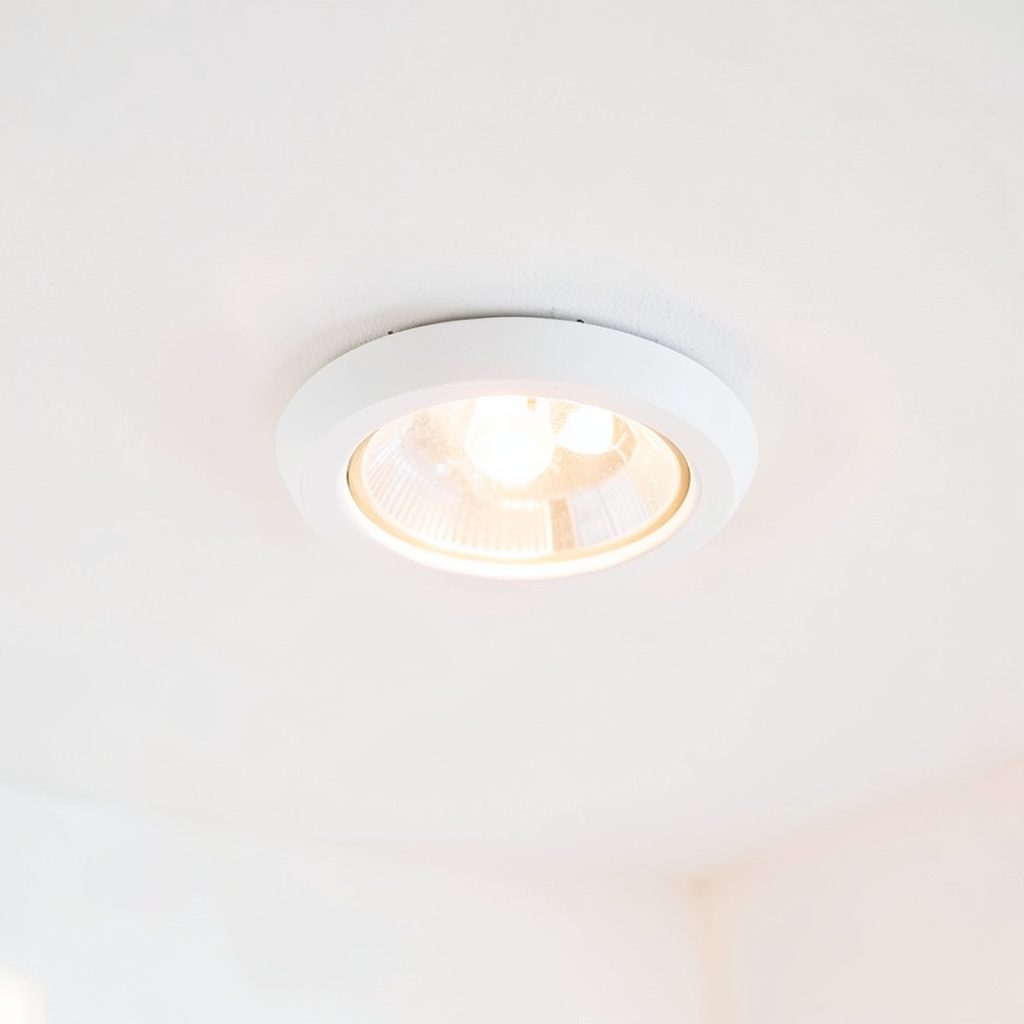
The roof is the main opportunity for comfortable ambient illumination. A central fitting works well in a compact gazebo, while recessed downlights or surface-mounted LEDs create a more even spread in larger structures. If the roof has exposed rafters, small directional fixtures can be mounted between beams to highlight the architecture without dominating it.
Gazebo posts can carry low-glare sconces, narrow beam spotlights, or concealed LED strip lighting. Strips placed under handrails, benches, or the inner roof edge provide a gentle wash of light. Select products with suitable outdoor protection and use aluminium channels for LED strips exposed to heat or moisture. A specialist lighting supplier such as Epi Light can provide ideas for architectural and landscape applications.
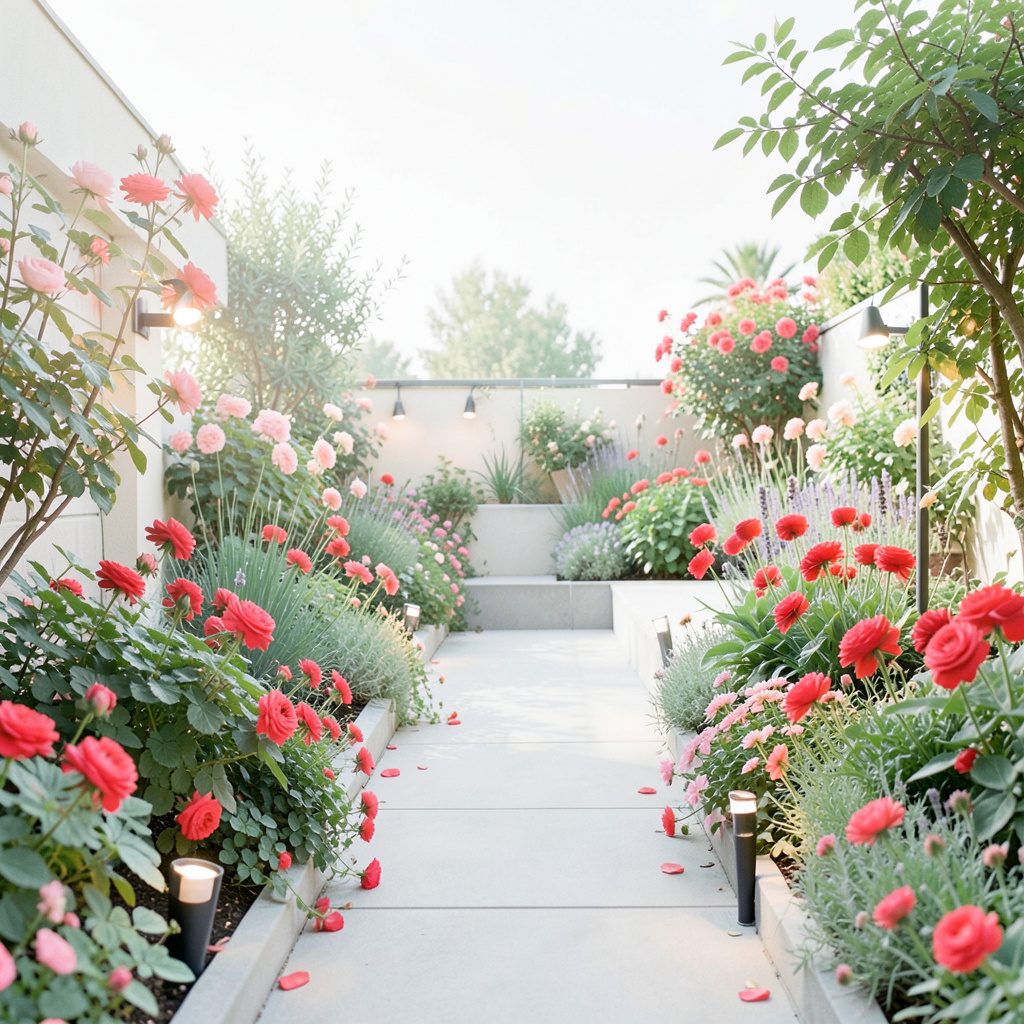
The floor and surrounding garden need enough illumination for safe movement. Small path lights should mark steps, changes in level, and the route to the house without shining directly into seating areas. Recessed deck lights can look polished, but they must be installed carefully to avoid trip hazards and uncomfortable glare underfoot.
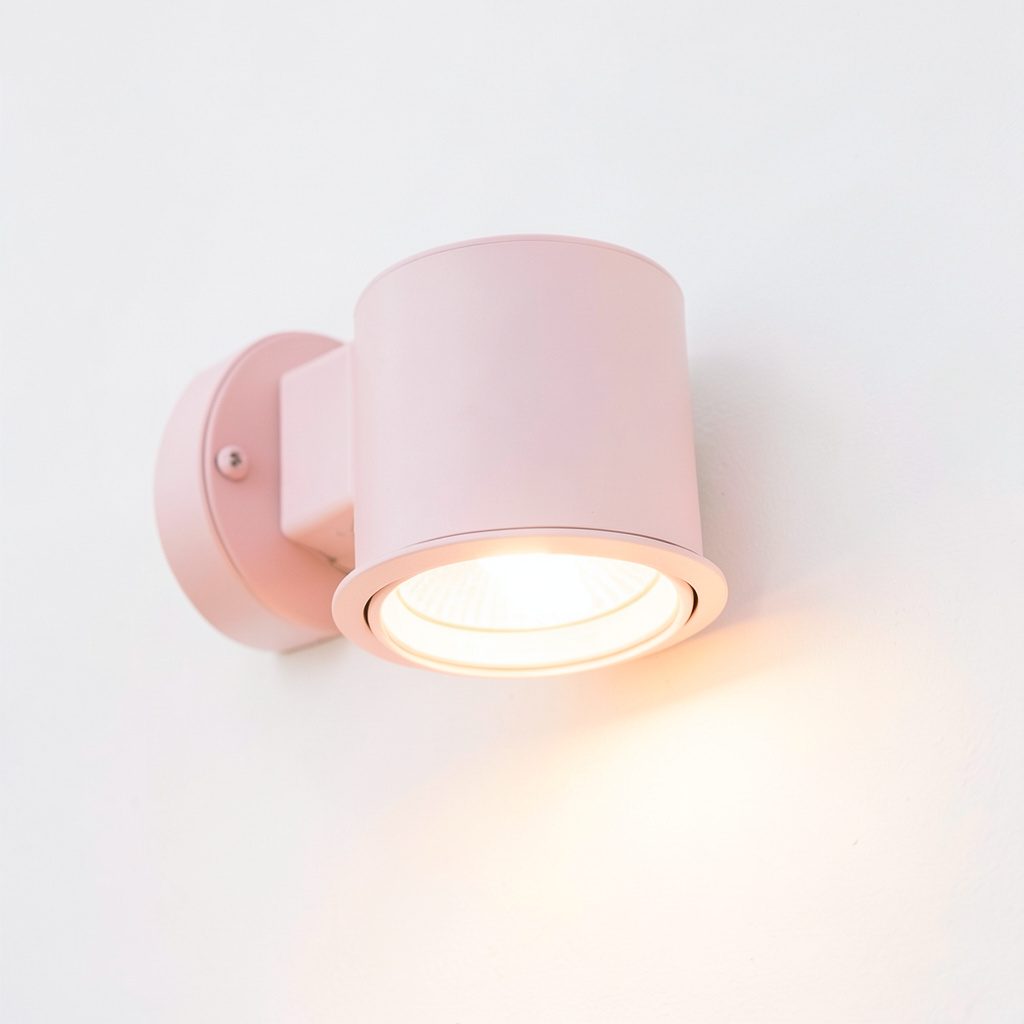
Wall-mounted lighting is useful when the gazebo sits beside the house or a garden boundary. Downward-facing sconces usually create less glare than exposed bulbs, and solar wall lights can work where electrical cabling is difficult. These solar wall sconces can help inspire a practical arrangement around posts, fences, and nearby walls.
Balance Ambience With Safety And Efficiency
Use lighting to define edges rather than flood the whole garden. A few low-level fixtures along a path can guide guests more effectively than one powerful spotlight. Shielded fittings also reduce light spill into neighbouring properties and preserve the darker areas that make garden lighting feel more natural.
Electrical safety deserves particular attention in an outdoor structure. Permanent mains-powered lights should be installed by a licensed electrician, with suitable outdoor cabling, weatherproof junction boxes, and RCD protection. Australian wiring work is governed by standards including AS/NZS 3000, and local requirements may apply to installations connected to an existing household circuit.
Keep cables away from lawnmowers, garden tools, hot barbecue surfaces, and areas where water collects. Solar lights avoid some of these issues, but their batteries and connections still need inspection. Replace cracked housings, loose stakes, corroded terminals, and damaged insulation before they become hazards.
Security lighting should remain separate from the relaxed entertaining scheme. A motion-sensor floodlight can cover the approach to the house or side gate, while warm decorative lighting remains dimmer near the seating area. This separation prevents a sudden burst of security light from ruining the atmosphere every time someone walks past the gazebo.
Make Seasonal Use Comfortable
Winter use benefits from lighting that feels warm without creating excessive brightness. Pair amber or warm-white lamps with timber, woven furniture, and weather-resistant cushions for a comfortable setting. If the gazebo has blinds or clear outdoor curtains, mount fixtures so they do not cast distracting reflections across the fabric.
Summer calls for cooler practical details. Position task lights where they do not attract insects directly above diners, and consider amber-toned bulbs around seating if mosquitoes are a recurring problem. Fans, heaters, and lighting should each have clear controls so the gazebo remains easy to use when several appliances are operating.
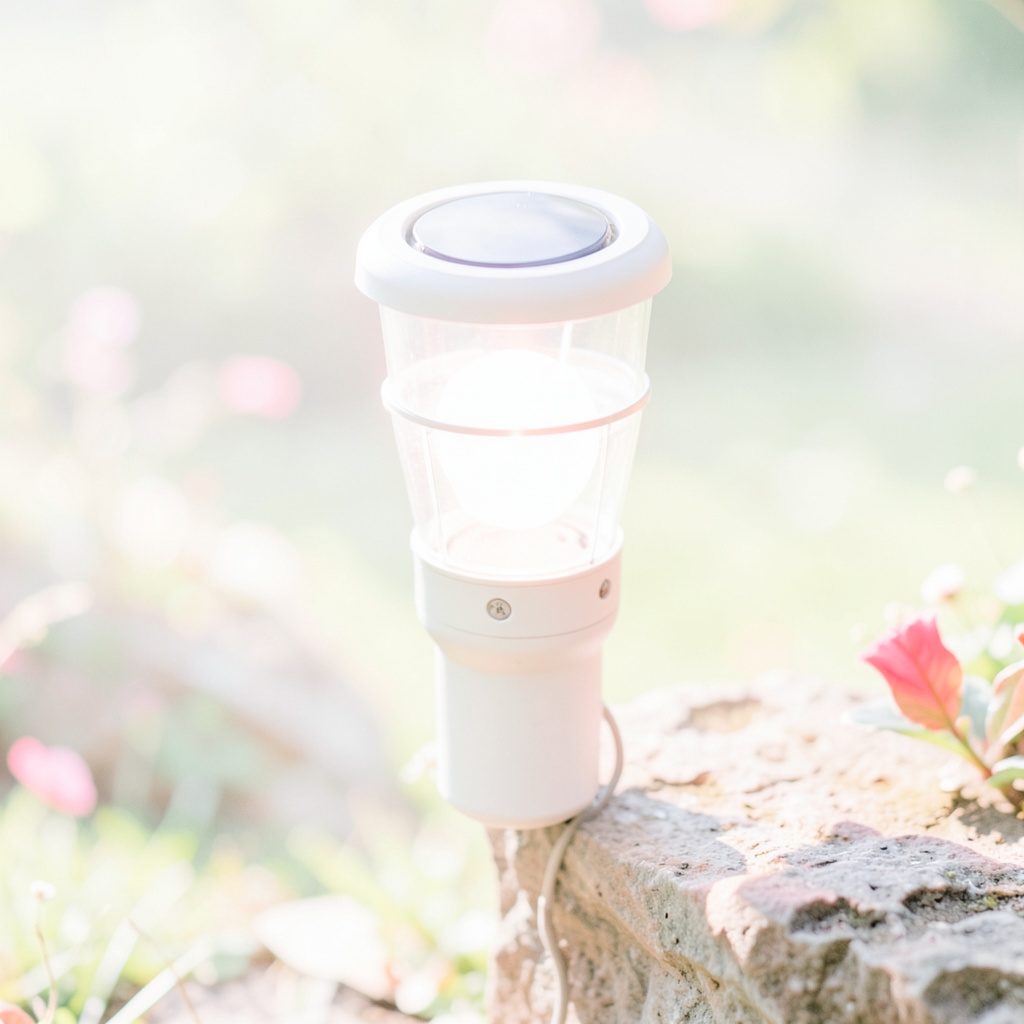
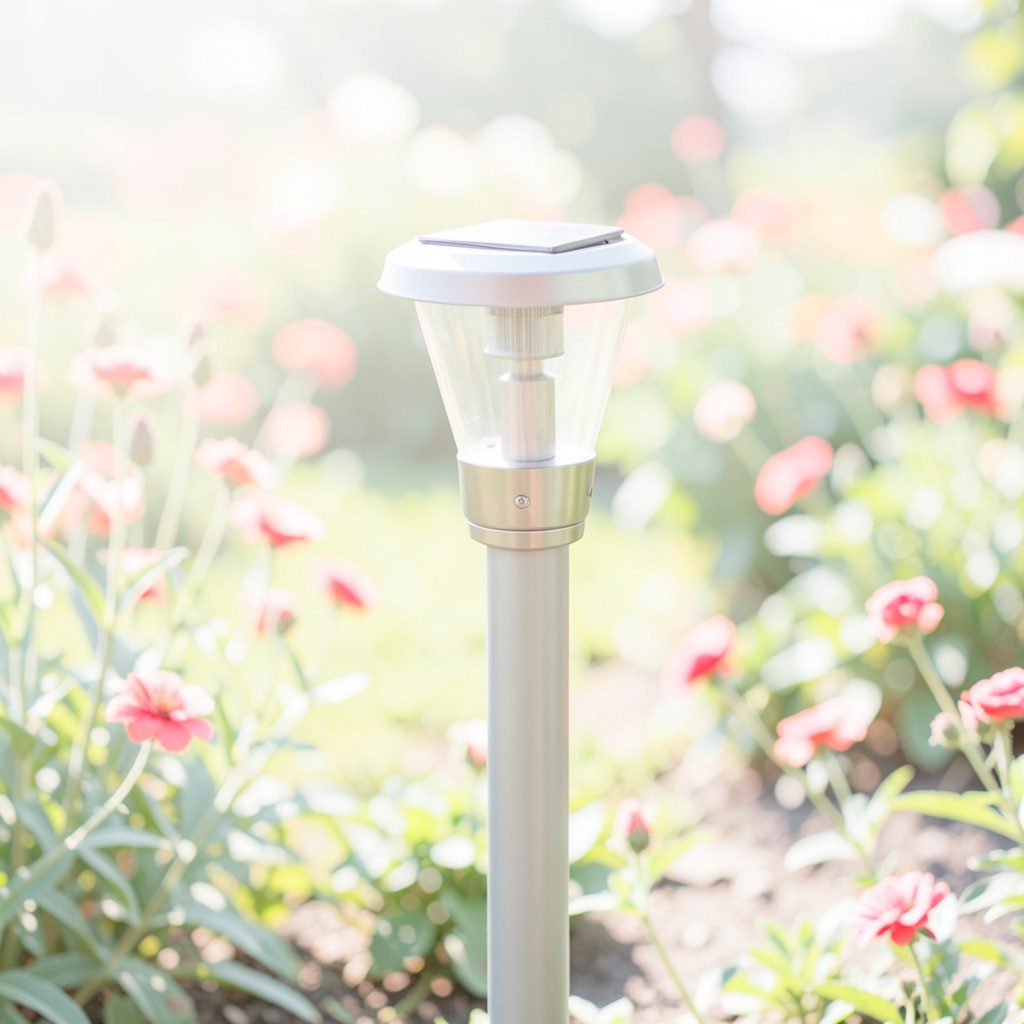
Solar garden lights can be a simple way to extend the illuminated area beyond the roof. Use them around planting beds, steps, and the route back to the house rather than placing too many inside the gazebo. A guide to InnoGear solar lights can help with ideas for flexible, low-maintenance garden accents.
Maintenance should be part of the design from the beginning. Choose accessible fittings, leave room to replace batteries, and avoid placing lights beneath dense foliage that will quickly cover them. Clean solar panels regularly, check timers after daylight-saving changes, and inspect mounting hardware after severe weather.
Practical Choices For A Flexible Setup
A balanced gazebo scheme can be assembled in stages rather than installed all at once. Begin with safe general lighting and a clear route from the house. Add task lighting once the furniture layout is settled, then introduce decorative accents after observing where shadows and glare remain.
Useful planning priorities include:
- Use warm-white LEDs for seating and dining, with brighter light reserved for food preparation and cleaning.
- Choose weather-resistant fixtures with appropriate IP protection and corrosion-resistant finishes.
- Install path or step lighting where people change direction, cross uneven ground, or move between levels.
- Keep decorative lights and security floodlights on separate switches, sensors, or timers.
- Check solar panels for daily sun exposure before relying on them as the gazebo’s main light source.
- Arrange mains-powered work through a licensed Australian electrician with RCD protection.
The best result is a gazebo that feels connected to the rest of the garden after dark. Light the structure’s useful surfaces first, then soften the surrounding landscape with restrained accents. Keep brightness low enough for conversation, strong enough for safe movement, and adaptable enough for a summer dinner, a winter gathering, or an ordinary evening outdoors.
A practical starting point is a warm ceiling or under-roof light, one reliable task light, and low-level illumination along the approach. Once those three layers work comfortably, add solar or decorative fixtures gradually and assess each one at night before installing more.