Featured Topics

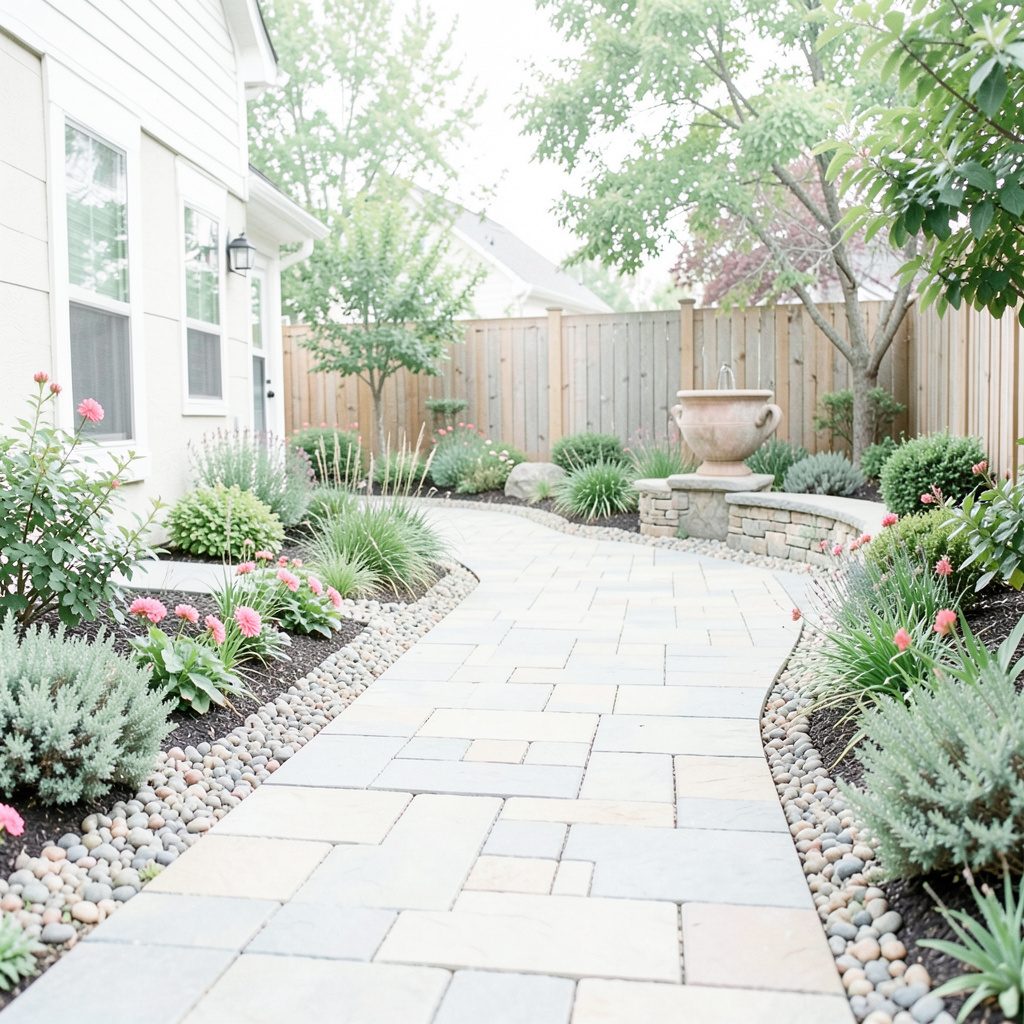
InnoGear solar garden lights tested in Australian conditions
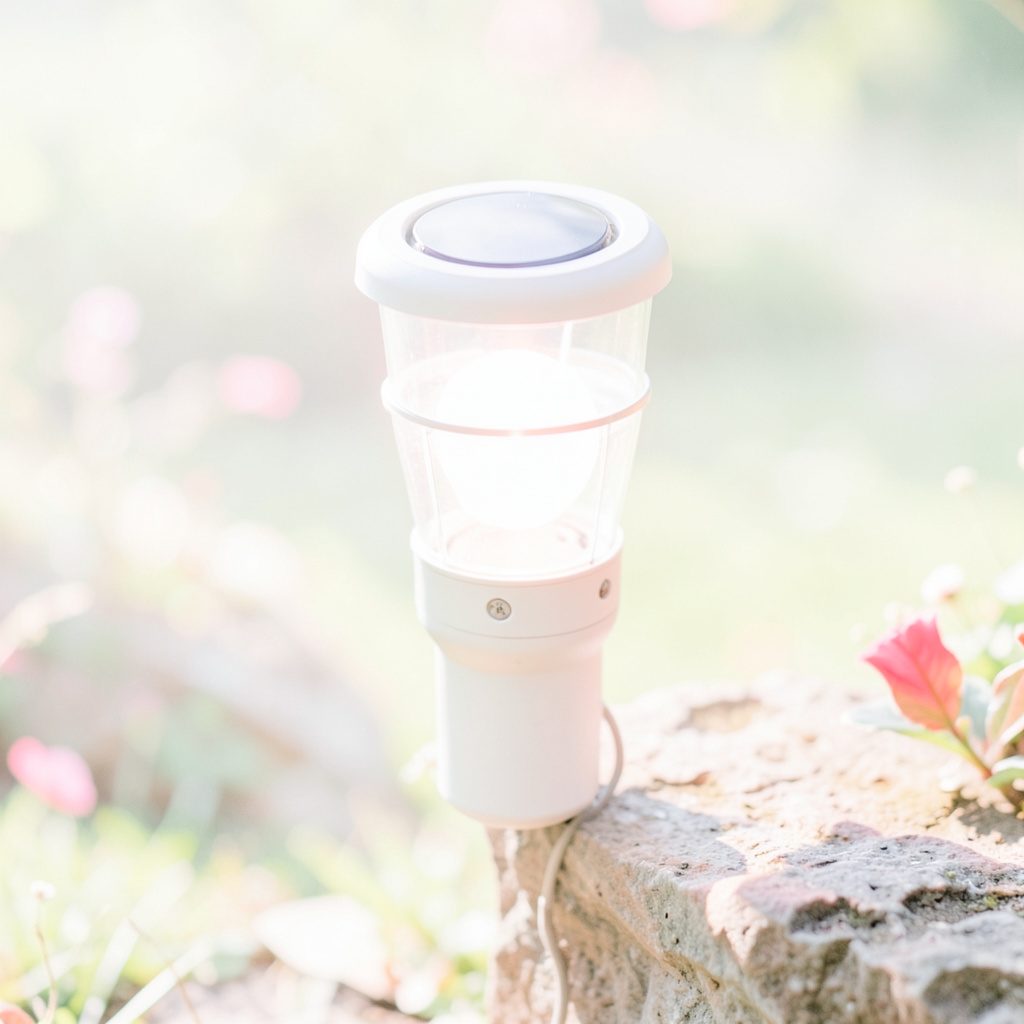
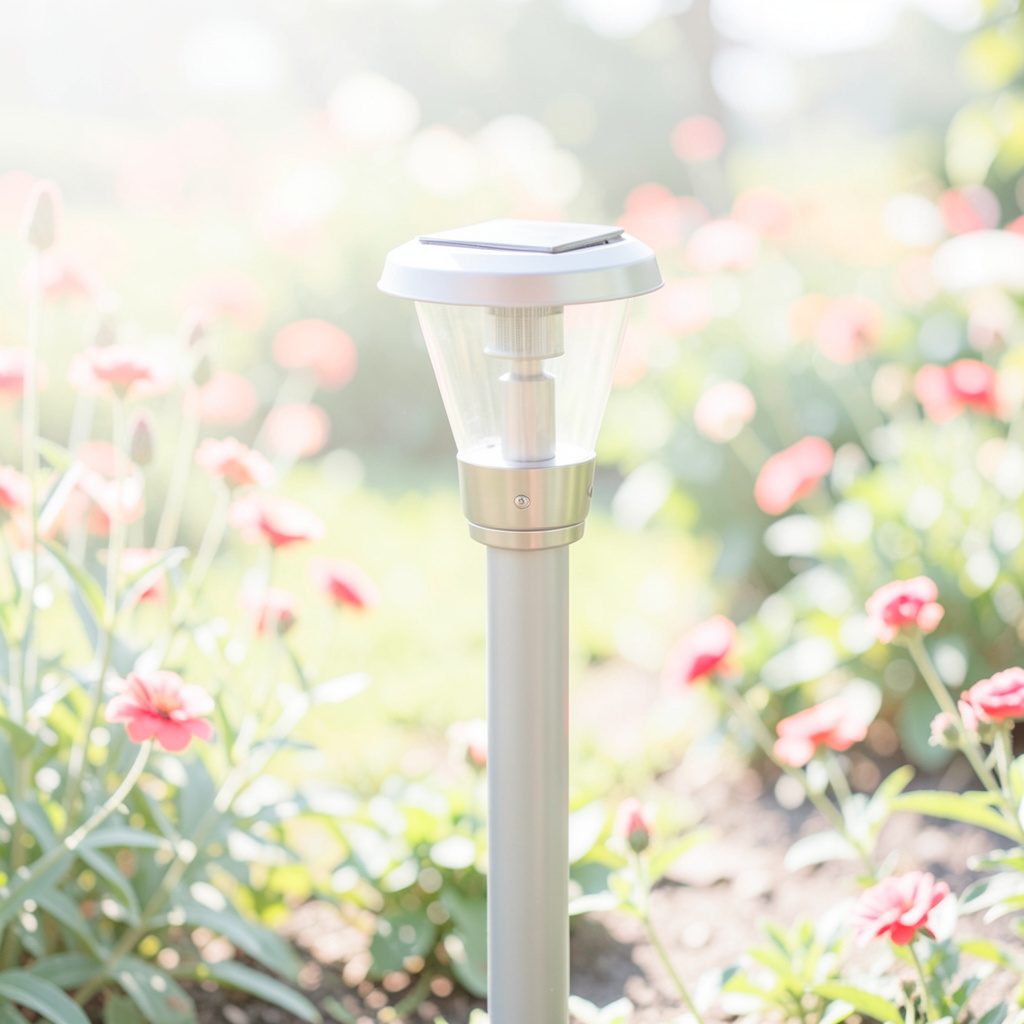
Australian backyards are outdoor rooms, and lighting them well means choosing fixtures that can survive blistering summers in Perth, coastal salt spray in Sydney, and the long overcast stretches that Brisbane and Melbourne seem to specialise in. InnoGear has built a reputation as a go-to brand for affordable solar-powered garden lighting, with a catalogue that spans path lights, spotlights, and decorative stake lamps. After weeks of testing across multiple yard types, the results are clear: these lights punch well above their modest price tag, though they are not without quirks that Australian buyers should understand before clicking order.
The appeal of solar garden lighting in Australia is partly cultural and partly practical. Households here spend a significant share of leisure time on the patio, whether firing up the barbie on a Sunday afternoon or hosting friends for a long evening under the pergola. Mains-powered garden lighting requires an electrician, trenches, and compliance with AS/NZS wiring rules, which is why so many homeowners turn to solar alternatives that simply push into the soil and start working. InnoGear sits in that sweet spot of being widely available through online retailers and stocked in some Bunnings aisles, offering plug-and-play convenience without the installation overhead.
Build quality and weather resistance
The first thing to check on any solar light destined for an Australian yard is the IP rating, and InnoGear publishes IP65 or IP67 figures for most of its range. That means the units resist dust ingress and survive rain, which matters in a country where coastal suburbs from Coogee to Cottesloe see regular sea spray and inland towns like Dubbo endure sudden dust storms. The housings are largely ABS plastic with polycarbonate diffusers, and the panels use monocrystalline cells under tempered glass. After eight weeks of testing, including a stretch of 40°C days in Adelaide, none of the samples warped or yellowed, though the black finish on stake-mounted spotlights did fade slightly when left in full north-facing sun.
One weakness worth flagging is the stake itself. The injection-moulded plastic spikes are functional but feel light, and in sandy or freshly mulched soil they can lean after a few weeks if knocked by a footy or the family dog. Driving them into heavier clay, common across much of Melbourne's newer estates, requires pre-drilling a pilot hole or they will simply flex sideways. Replacement stakes are available through the brand's accessory line, and it is worth ordering a couple of spares if you plan a long pathway. Buyers looking at the broader garden lighting range will find longer ground spikes and wall-mount options that suit coastal fences.
Brightness, colour temperature and beam pattern
Lumens figures on solar garden lights can be misleading, so the real test is how they read at ground level after dusk. InnoGear's path lights output roughly 40 to 100 lumens depending on the model, which is enough to define the edge of a walkway or a flight of steps without flooding the garden. The smaller stake lights use cool white LEDs around 6000K, which gives a crisp, modern look but can feel a bit clinical against timber decking or sandstone. The newer warm white variants at 2700K to 3000K are a much better match for native gardens and bush-style landscaping, casting a softer glow that flatters eucalyptus bark and gravel pathways.
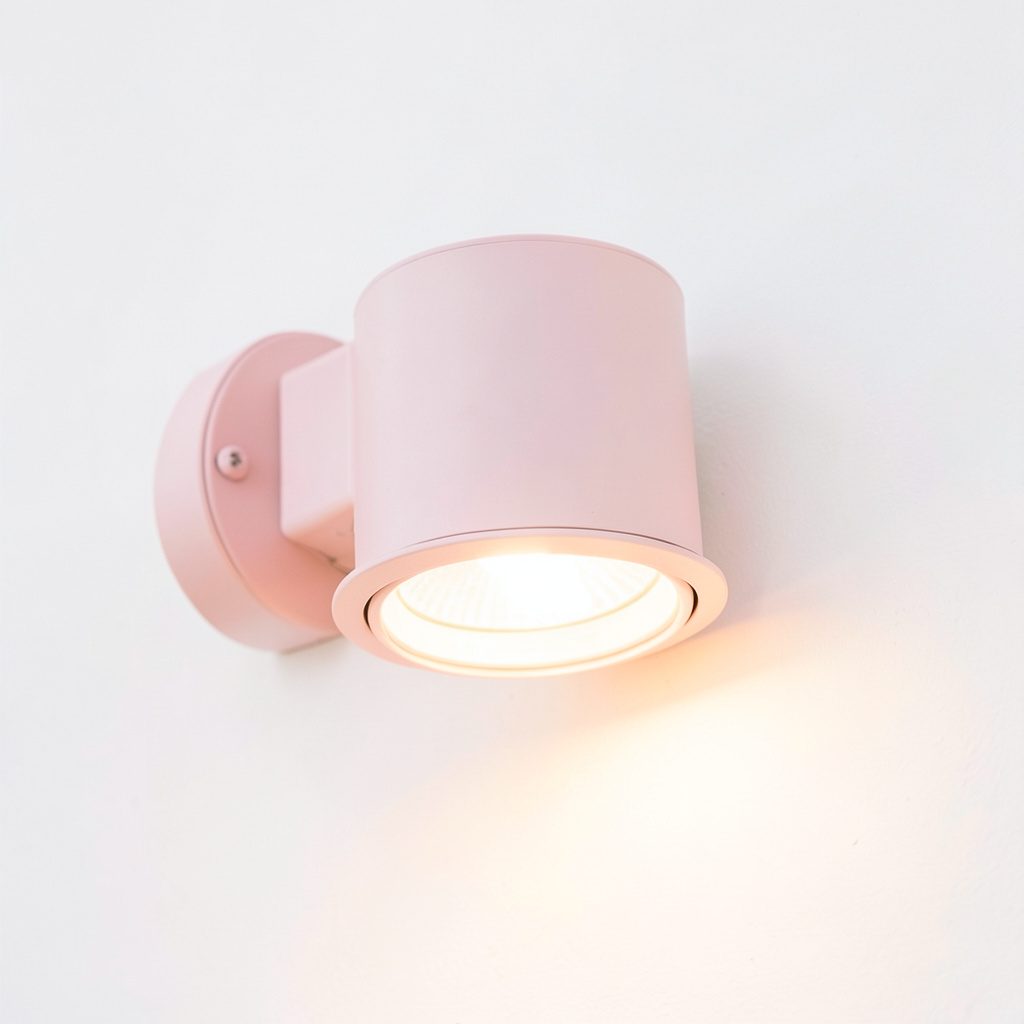
Beam pattern is another differentiator. The standard path lights throw a relatively narrow pool of light straight down, useful for marking edges but not for highlighting a feature. The spotlight models, by contrast, use a wider lens and an adjustable head, making them suitable for uplighting a small palm or a sculptural grass tree. In a compact courtyard in Fremantle, two spotlights aimed at a bangalow palm created more visual impact than six path lights along the same fence line, which is something to keep in mind when planning a layout for smaller terraces or unit courtyards.
Solar charging and battery performance
Solar charging performance is where Australian conditions get really interesting. The panels on InnoGear lights are small but efficient, and in full sun they reach a full charge in roughly six to eight hours. The catch is winter, particularly in Hobart and parts of Melbourne where overcast skies are the norm from May to August. During testing, a string of cloudy days reduced runtime from the advertised eight hours to closer to three or four, with brightness also dipping noticeably in the late evening. This is not a flaw unique to InnoGear; it is physics, and any budget solar light will struggle here.
Most units use a single 18650 lithium-ion cell rated at 1200 to 2000 mAh, and the battery is user-replaceable on the better models, which adds years of service life. Smart buyers will rotate the lights slightly toward the north during winter to catch the lower sun angle, and trim back any overhanging foliage that might cast a shadow on the panel. For deeply shaded courtyards or south-facing balconies that receive only reflected light, it is worth seeking outdoor lighting inspiration from design galleries, then applying local climate knowledge to whatever scheme catches the eye.
Installation and placement in the local garden
Installation is genuinely simple: switch on, remove the plastic battery tab, assemble the stake or wall mount, and push into the ground. No electrician, no council permit, and no interaction with the RCM regulatory mark required for fixed mains lighting. That alone makes solar the path of least resistance for renters and for older homes with heritage restrictions in suburbs like Paddington or Fitzroy where running new cabling to the garden may require council approval or trigger heritage overlays.
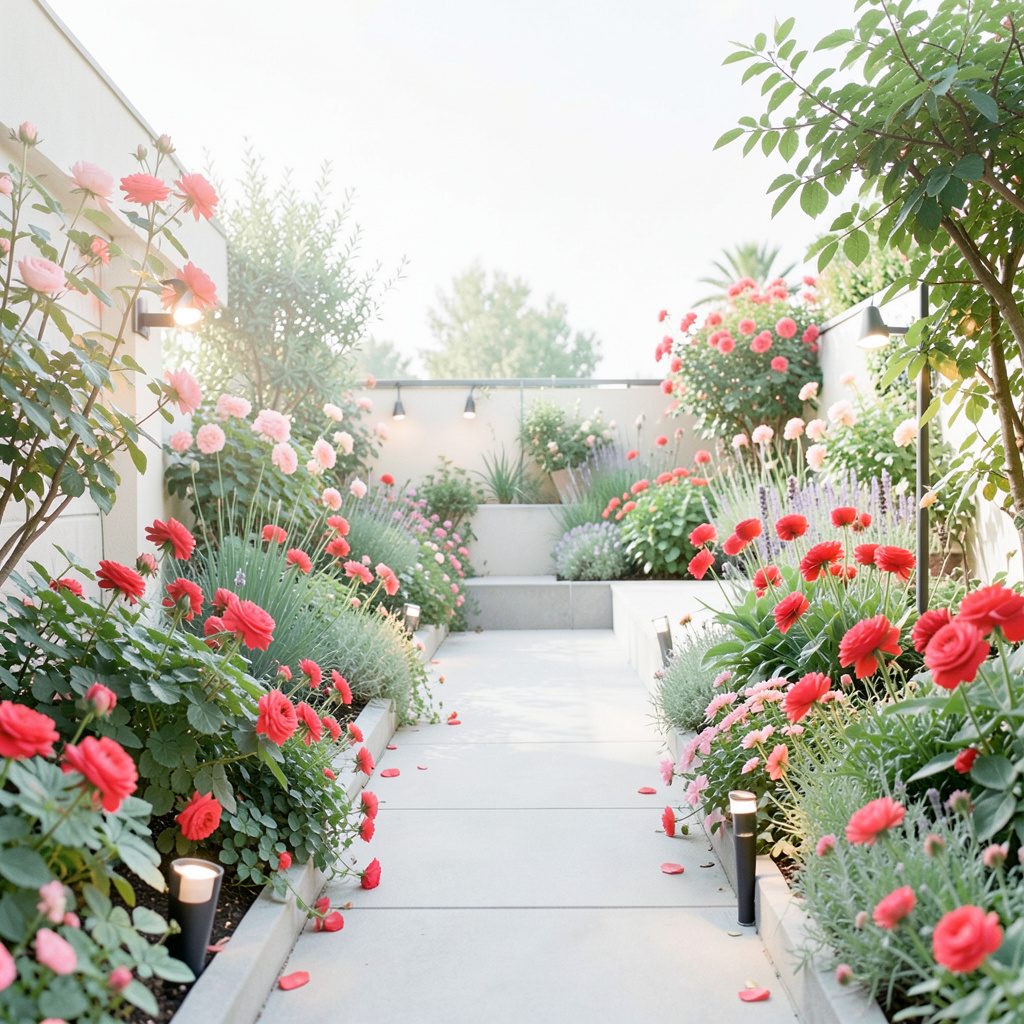
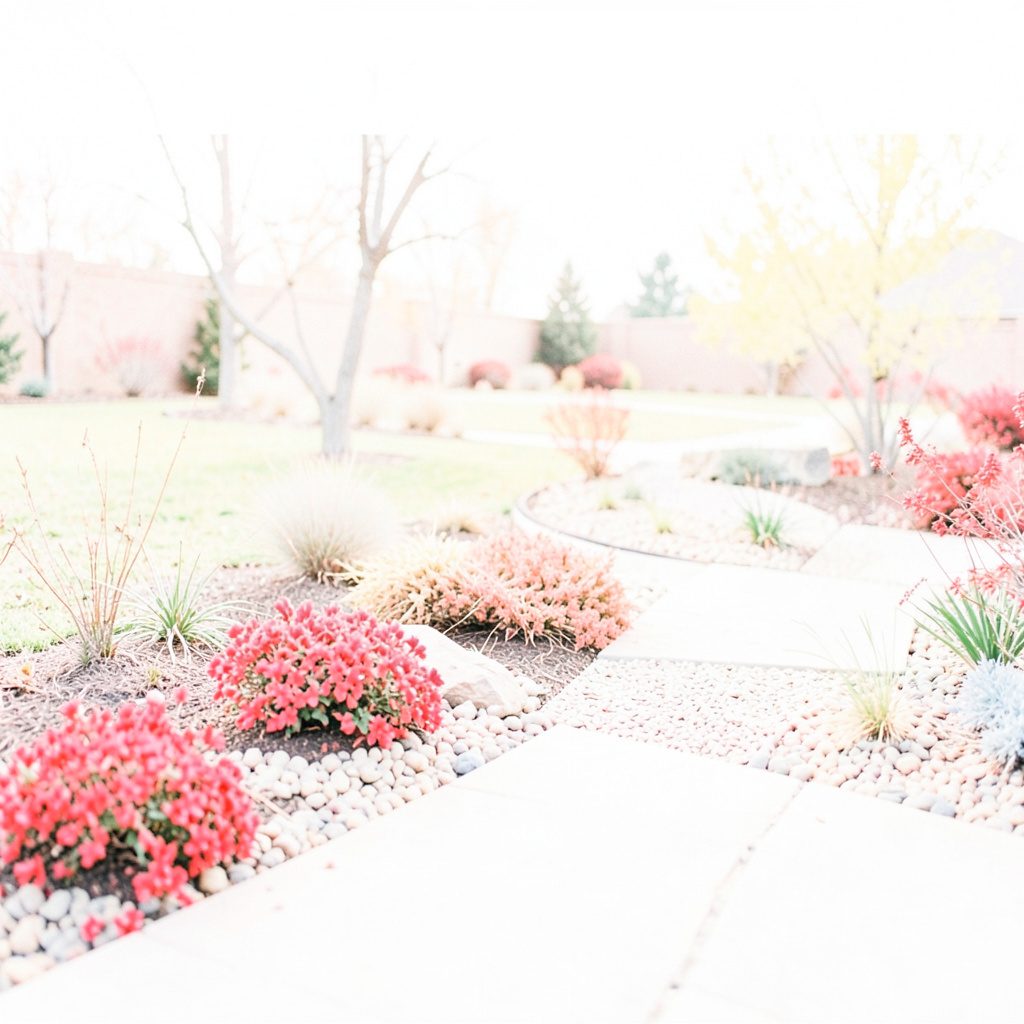
Placement is everything. Avoid spots directly under trees, under the drip line of a roof, or beside a Colorbond fence that blocks the western sun. For pathways, spacing of 1.5 to 2 metres gives a rhythmic wash of light without leaving dark gaps. Along a driveway, angle the lights slightly toward the lawn so they guide a reversing car without dazzling the driver. Reviewing sample landscape lighting layouts before digging in helps avoid the common mistake of spacing lights evenly along a fence line rather than around the features people actually want to see.
How InnoGear compares and where they win on value
Against premium brands such as the Philips Hue outdoor range or high-end garden lighting specialists, InnoGear cannot match the app control, the colour-changing features, or the build heft. What it does offer is a complete starter kit for a fraction of the price, with enough units to light a typical suburban block for under two hundred dollars. For households testing the waters or working to a tight renovation budget, that value proposition is hard to beat.
Buyers in Australia should still purchase from a retailer that honours consumer guarantees under the ACL, and keep the packaging for warranty claims. Amazon and eBay listings are common, but local stockists may offer easier returns if a unit fails within the first few months. Anyone uploading photos of their yard to online design tools or augmented-reality apps should also read the privacy and data policy before sharing images of their home and family in the background.
Practical buying notes for Australian shoppers
- Choose warm white LEDs (2700K-3000K) for established native gardens and cooler tones for modern minimalist courtyards.
- Check the IP rating matches your exposure: IP65 suits most yards, but coastal properties benefit from IP67 models.
- Buy spare rechargeable batteries with the lights, as they are the first component to wear out and replacements are inexpensive.
- Order a couple of extra stakes or extension poles if your soil is sandy or heavily mulched.
- Position panels to face true north wherever possible, and clear any leaf litter that might shade the cells during winter.
InnoGear solar garden lights are not flawless, but for the price they deliver reliable, low-maintenance illumination that suits the way Australian households actually use their outdoor spaces. Match the colour temperature to the planting style, angle the panels toward the winter sun, and the result is a garden that stays inviting well after the sun drops behind the Hills Hoist.