Featured Topics

LED tiki torches for Australian gardens: electric, solar or propane
Tiki torches bring a relaxed resort feel to patios, pool areas and entertaining spaces, but the traditional flame is not always practical for a modern Australian garden. LED tiki torches create a similar flickering glow without smoke, fuel spills or an open flame, making them useful around outdoor dining, pathways and small courtyards.
The main choice is between plug-in or rechargeable electric models, solar-powered garden lights and propane torches with a real flame. Each option has a different balance of brightness, installation effort, running cost and safety. The best fit depends on whether you want decorative ambience, reliable illumination or a statement feature for weekend entertaining.
Australia’s conditions make the decision more specific. Strong sun can fade plastic housings in Perth and Adelaide, humid coastal air can corrode fittings around Brisbane or Sydney, while Melbourne’s overcast winter weather can reduce solar charging. In bushfire-prone regions, an open flame may also be restricted during a Total Fire Ban.
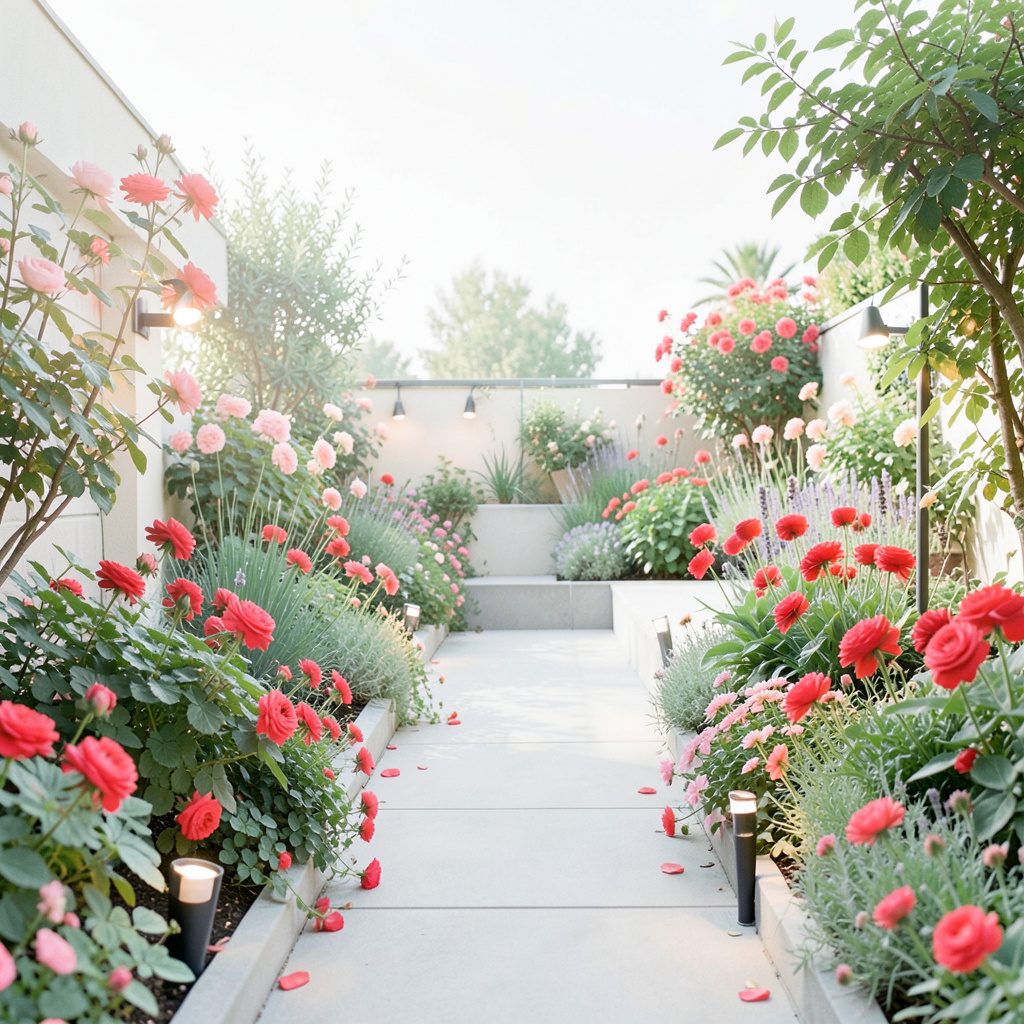
It helps to view tiki torches as part of a wider lighting plan rather than as isolated ornaments. A row can frame a lawn, mark the edge of a terrace or guide guests towards a fire pit, while low-glare path lights and discreet security lighting handle the practical work.
Start with the atmosphere and light output
LED tiki torches are designed primarily for ambience. Their amber LEDs, moving flame effects and translucent tubes can make a garden feel warmer, but many produce less useful light than a conventional outdoor lantern. Check the lumen rating where it is provided, and avoid assuming that a taller torch will automatically illuminate a larger area.
For a dinner setting, position the lights around the perimeter rather than directly beside plates or seating. Warm white LEDs between roughly 1800K and 2700K generally look more natural with timber decking, stone paving and greenery. Cool white light can make a tropical planting scheme appear harsh and can attract more attention to the fitting than to the garden.
A vegetable patch, herb bed or productive backyard can sit comfortably beside decorative lighting when the fixtures are kept away from delicate plants and watering zones. Inspiration for arranging edible spaces is available through these vegetable garden ideas, which can help separate entertaining areas from growing beds without losing visual connection.
Electric models suit dependable entertaining areas
Plug-in electric tiki torches are the most consistent choice for a covered alfresco, deck or pergola with a nearby outdoor socket. They do not depend on daylight, so they provide a predictable display during long summer evenings in Sydney or late dinners in Brisbane. Rechargeable battery versions offer similar reliability without a permanent cable, although they need regular charging.
Look for weather-resistant construction, sealed connectors and an appropriate IP rating. An IP44 fitting can cope with splashing, while a more robust IP65 product is better for exposed areas. Outdoor extension leads should be rated for exterior use, kept clear of puddles and protected by a safety switch or RCD.
Electric LED torches are also convenient when you want several lights to operate together. A timer, remote control or smart plug can switch them on at dusk, though compatibility varies. Brands such as Philips may offer dependable LED components, while decorative models from InnoGear are often found through online marketplaces such as Amazon Australia. Read reviews carefully for battery life, charging ports and replacement-part availability.
Solar torches keep installation simple
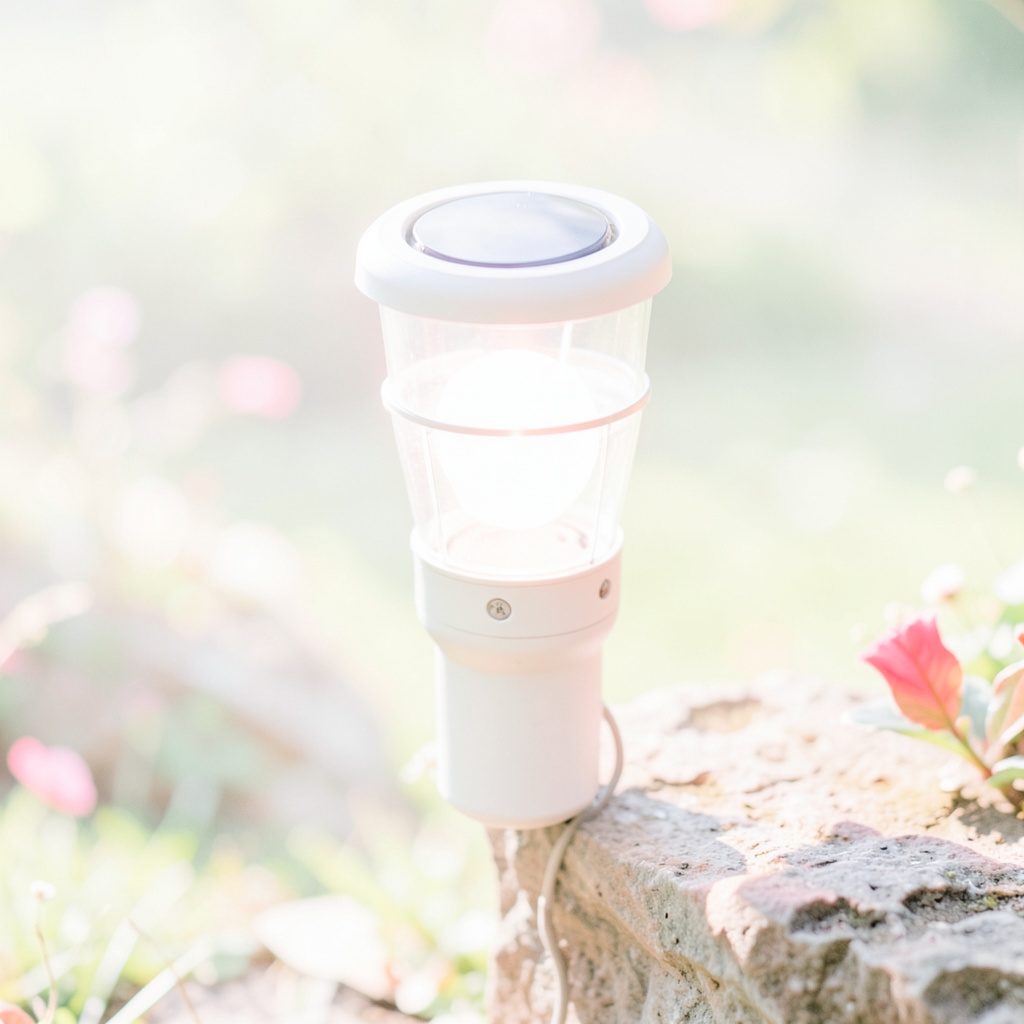
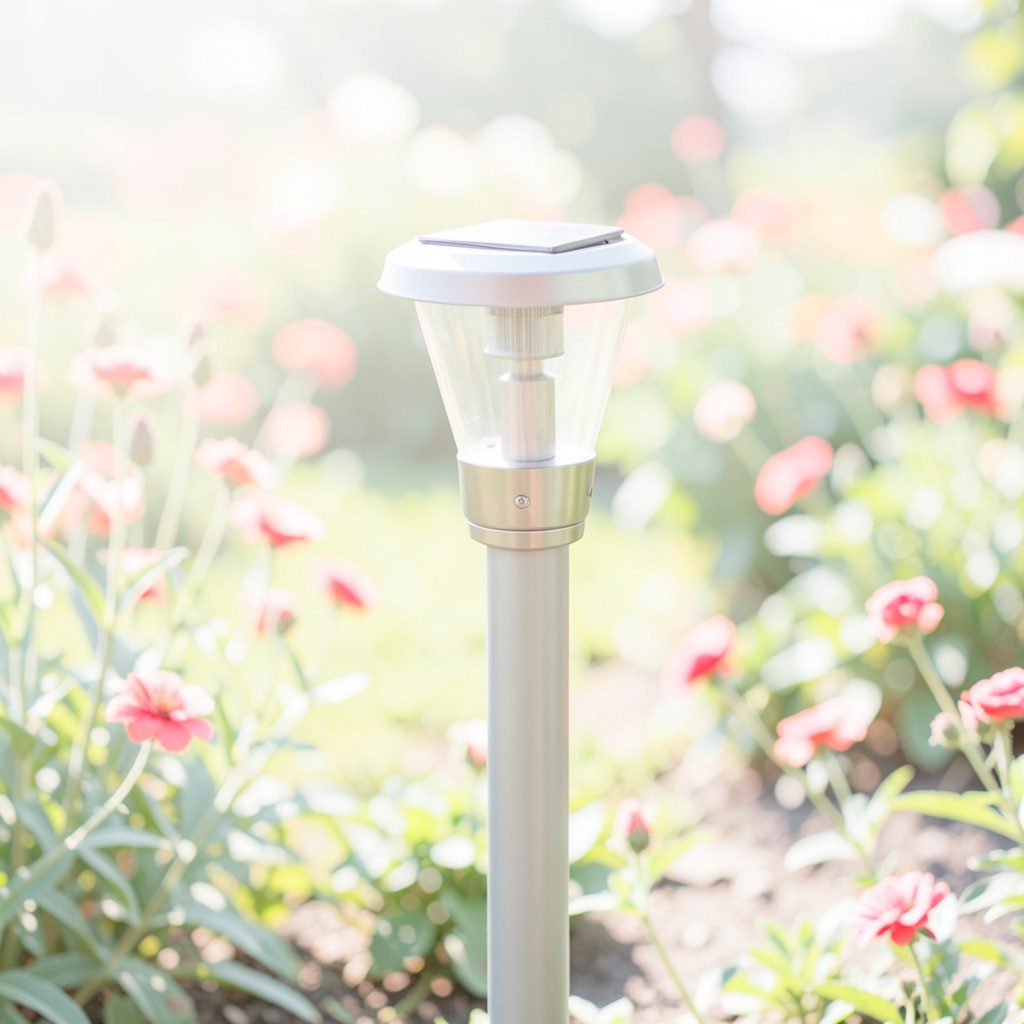
Solar tiki torches are the easiest option for lawns, garden borders and pathways without accessible power. Each unit normally includes a small solar panel, rechargeable battery and light sensor. Place the panel where it receives several hours of unobstructed sun, rather than under a pergola, dense tree canopy or tall screening plant.
Performance changes with the season and location. A solar torch may charge well through a bright Perth summer but run for fewer hours during cloudy periods in Melbourne. Dust, salt spray and leaf litter can also reduce charging, so wiping the panel occasionally is a small maintenance task with a noticeable effect.
Solar flame lights are attractive for low-maintenance garden styling, but their brightness is usually modest. They work best in groups, with spacing adjusted to the desired rhythm rather than to security-lighting standards. Select models with replaceable batteries where possible, especially if the torches will remain outside year-round.
Installation still deserves care. Push-in stakes can loosen in sandy coastal soil or after heavy rain, while compacted clay may require a pilot hole. If you are preparing a new bed or border, compare the wheeled tiller options with hand tools before placing lights, since disturbing established roots later can damage both plants and wiring.
Propane brings real flame and extra responsibility
Propane tiki torches create the most convincing island-style atmosphere because the flame moves, crackles and casts a richer pattern across nearby surfaces. They can be striking beside a pool or at the end of a dining terrace, particularly when the design uses a substantial metal body rather than a lightweight decorative tube.
The trade-off is management. Propane cylinders need secure storage, the burner must be kept clear of foliage and fabric, and the torch should stand on a stable, level base. Never leave a live flame unattended, and keep children, pets and guests’ clothing away from the burner. Wind can also make the flame unpredictable and carry heat towards fences or plants.
Australian fire rules vary by state, council and weather conditions. During a Total Fire Ban, outdoor gas appliances and decorative flames may be prohibited or subject to strict conditions, so check official local guidance before lighting them. Apartment residents and renters should also review strata or tenancy rules, as balconies and shared courtyards can have tighter restrictions.
Propane is best treated as an occasional entertaining feature rather than an everyday pathway light. For regular use, a convincing LED flame effect avoids refilling cylinders and gives you more control over operating times. The Meredith garden collection can provide further inspiration for coordinating warm lighting with planting, furniture and outdoor décor.
Match the purchase to your garden routine
The most suitable torch is the one that still looks good and works reliably after weeks of weather, watering and outdoor use. Consider where the light will stand in January, how it will be stored during storms and whether you are comfortable maintaining batteries, cables or gas fittings.
For many Australian homes, a mixed arrangement is more useful than choosing one technology throughout. Solar LED torches can outline a lawn, rechargeable electric lamps can brighten the dining zone, and a single propane feature can create a focal point when conditions allow. Keep all decorative lights low enough to preserve views and avoid shining directly into neighbouring windows.
Practical buying recommendations
- Choose warm amber LEDs for relaxed entertaining and a flame effect with visible movement rather than a static orange bulb.
- Select IP44 or higher for sheltered areas, and consider IP65 for exposed lawns, terraces and coastal gardens.
- Prefer UV-resistant plastic, powder-coated metal and stainless-steel hardware in sunny or salty locations.
- Use solar models where cable access is difficult, but place their panels in full sun and check battery specifications.
- Choose rechargeable or plug-in electric torches when you need dependable operation through cloudy weather.
- Reserve propane models for supervised entertaining, with stable bases, clearances and current local fire guidance.
- Compare warranty terms and replacement batteries through Australian retailers such as Amazon Australia or local garden and hardware stores; use Home Depot listings mainly as a source of product ideas when a model is not locally stocked.
A simple layout test prevents many buying mistakes. Place temporary markers around the intended border, view the spacing from the house and check that the lights will not interfere with mowing, pool access or garden maintenance. For a narrow path, fewer low-glare fixtures usually look more polished than a crowded row of bright torches.
LED tiki torches are particularly effective when they support the garden’s existing character. A coastal yard may suit weathered timber and soft amber light, while a contemporary Melbourne courtyard may benefit from slim black fittings and restrained spacing. In a large suburban block near Perth, solar units can create a long visual line without trenching cable across the lawn.
The practical next step is to mark the proposed torch positions tonight, note which locations receive full sun and identify the nearest protected power outlet before choosing between solar, electric and propane.