Featured Topics

Best Outdoor Lighting for Security Without Blinding Neighbors
Outdoor lighting can make a home feel safer after dark, but excessive brightness creates its own problems. A floodlight aimed across a fence may shine into a bedroom, wash out a security camera, or make it harder to see movement in the darker parts of a garden. Good security lighting should guide attention rather than turn the entire property into a stadium. Learn more about Welcome Bonus Slot Machines.
The most effective approach combines modest ambient light with targeted motion-activated fixtures. Warm or neutral-white LEDs, shielded housings, sensible mounting heights, and carefully adjusted timers can protect entrances, side passages, garages, and gates while preserving a comfortable relationship with nearby homes.
Australian properties need a little extra planning. A narrow terrace in Sydney has different requirements from a large suburban block in Brisbane or a bush-edge home outside Perth. Solar performance, local wildlife, weather exposure, strata rules, and council expectations all influence the right lighting design.
Start With Visibility, Not Maximum Brightness
Security lighting works best when it reveals changes in the scene. A person approaching a gate should become visible against a softly lit path, while the surrounding garden remains darker. Installing the brightest possible lamp often produces glare and deep shadows, giving intruders places to hide and reducing the usefulness of cameras.
For most homes, 300 to 800 lumens is enough for a doorway, side access, or small courtyard when the beam is well directed. Larger driveways may need more output, but several low-glare lights usually perform better than one powerful floodlight. Look for a lumen rating, beam angle, colour temperature, and adjustable head rather than judging a fitting by wattage alone.
Warm white light around 2700K to 3000K is comfortable near living areas and is less harsh for neighbours. A neutral white lamp around 3500K to 4000K can help with identification near gates and garages. Cool blue-white lighting above 5000K tends to feel clinical and can produce more noticeable glare, especially against pale walls or concrete paving.
Choose Fixtures That Keep Light On Your Property
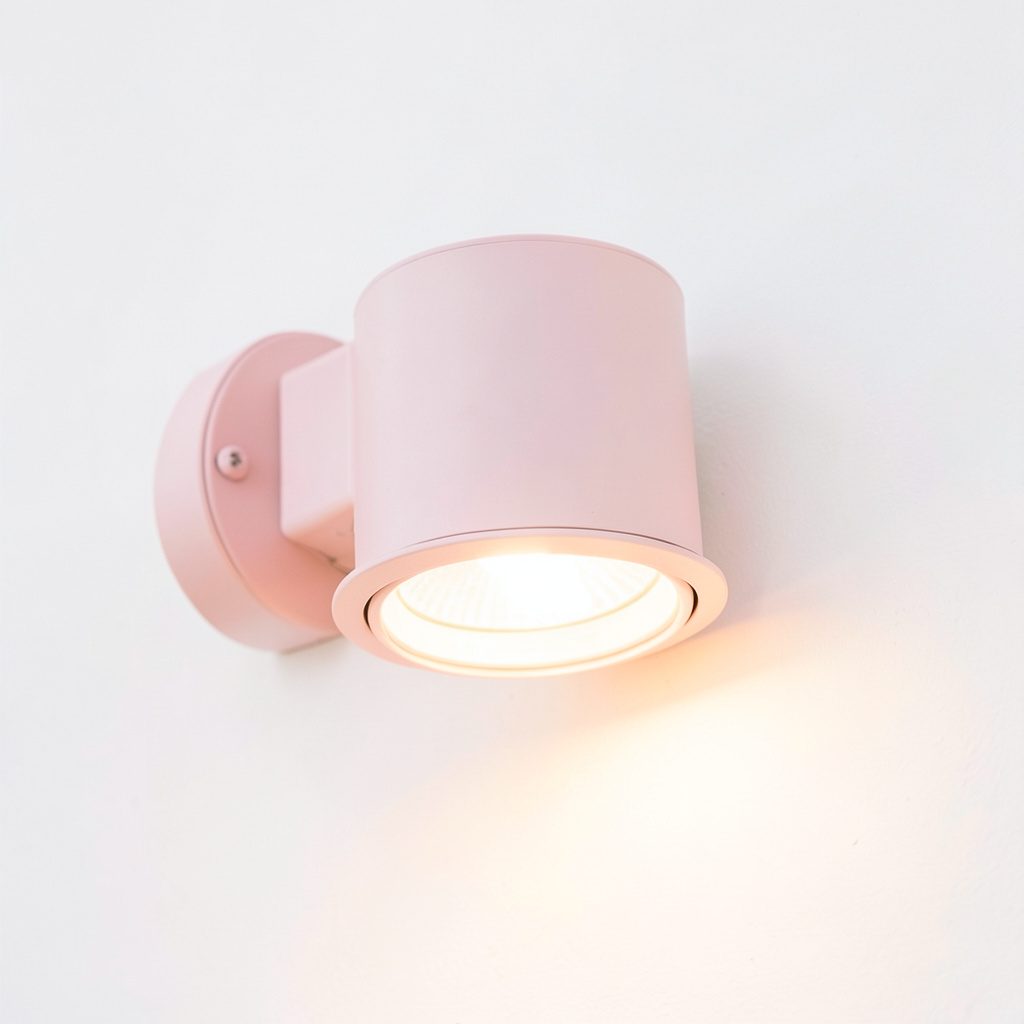
Full-cutoff wall lights and downward-facing bulkheads are useful around entrances because their housings prevent light from escaping above the fitting. For driveways and side paths, shielded LED spotlights with adjustable heads allow the beam to be aimed at the ground rather than toward a boundary. A small hood or glare shield can make a substantial difference.
Motion sensors should activate only when movement occurs within the intended zone. Position a sensor across the approach to a gate or door, rather than pointing it at a footpath, road, swaying tree, or neighbour’s driveway. Sensitivity and detection range are worth adjusting after installation, since pets, possums, and passing cars can cause frequent false triggers.
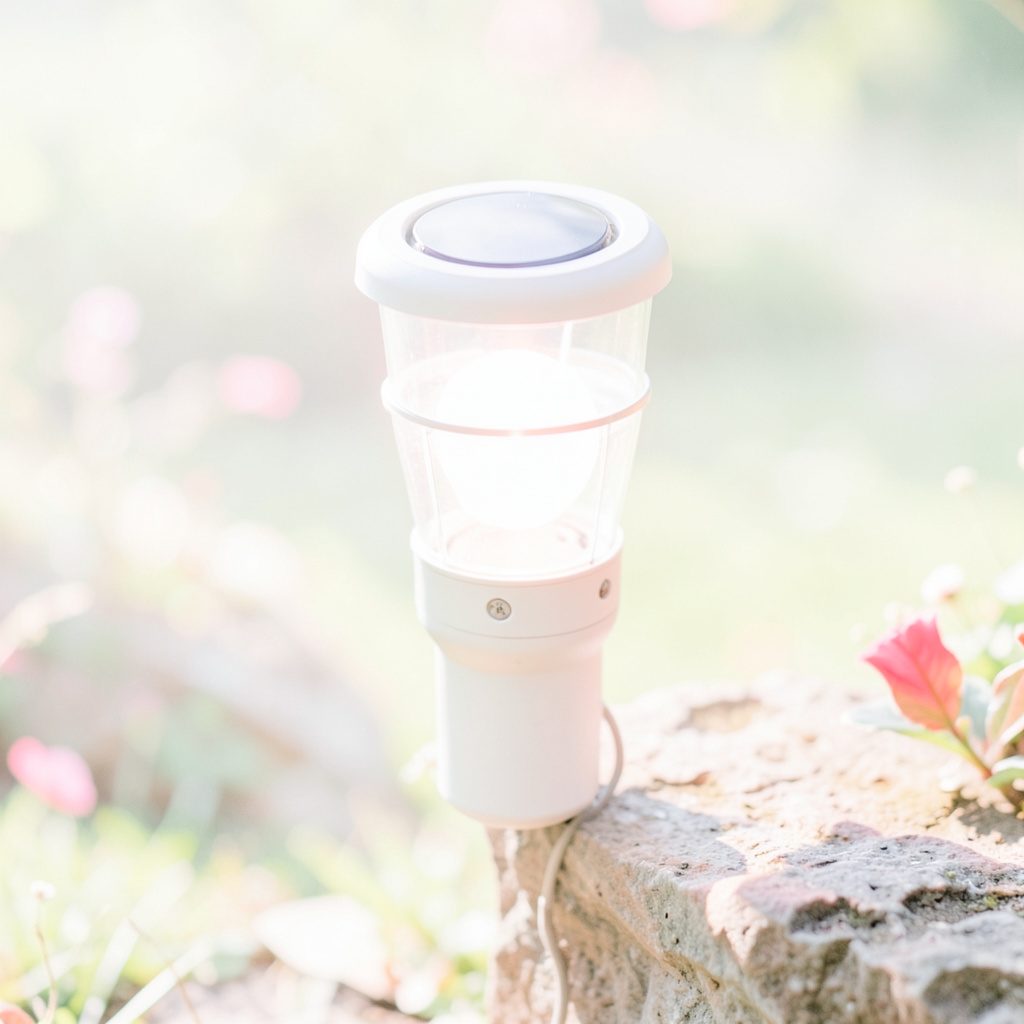
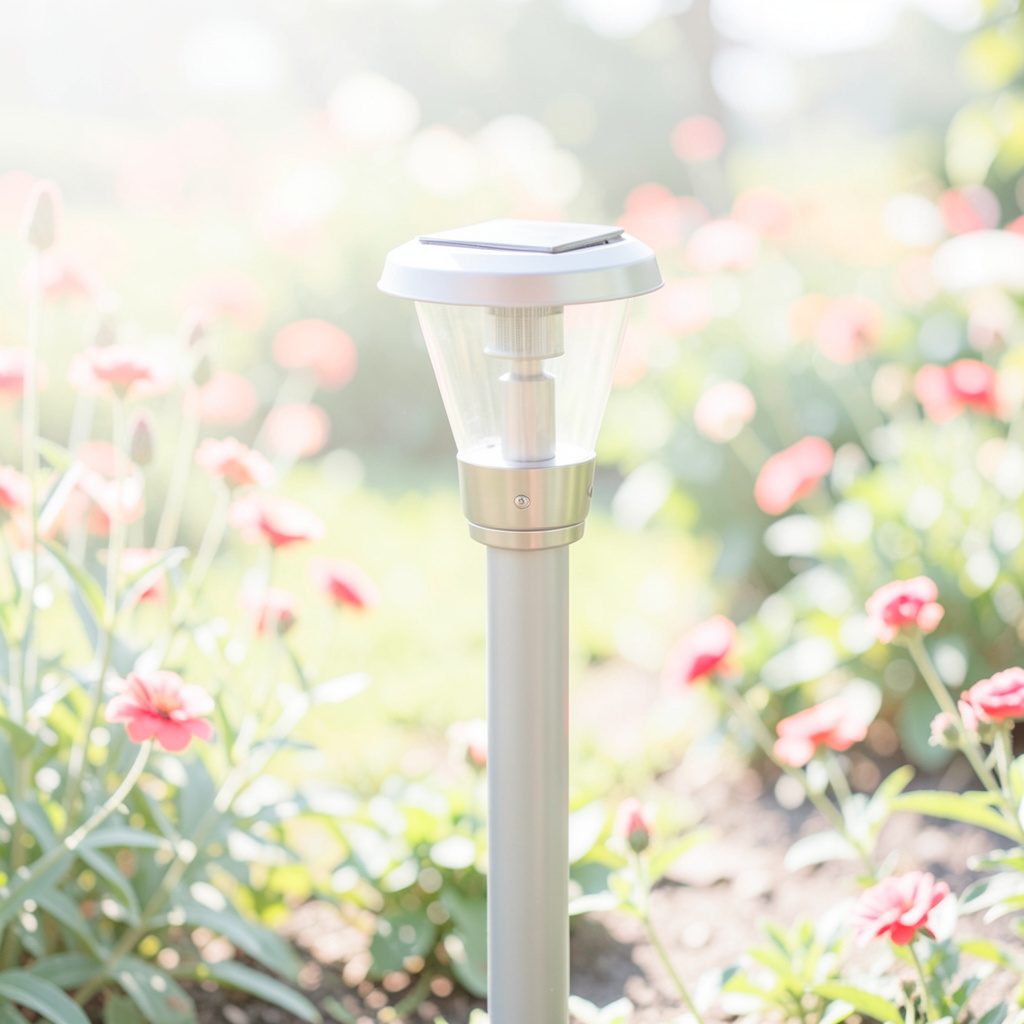
Solar security lights are convenient for sheds, fences, and remote sections of a garden, particularly where running cable would be expensive. In Melbourne’s overcast winter conditions or shaded courtyards, however, a small panel may not fully recharge each night. A mains-powered LED with a separate sensor is more dependable for critical entry points, while solar path lights can provide softer supplementary illumination.
Build A Layered Garden Lighting Plan
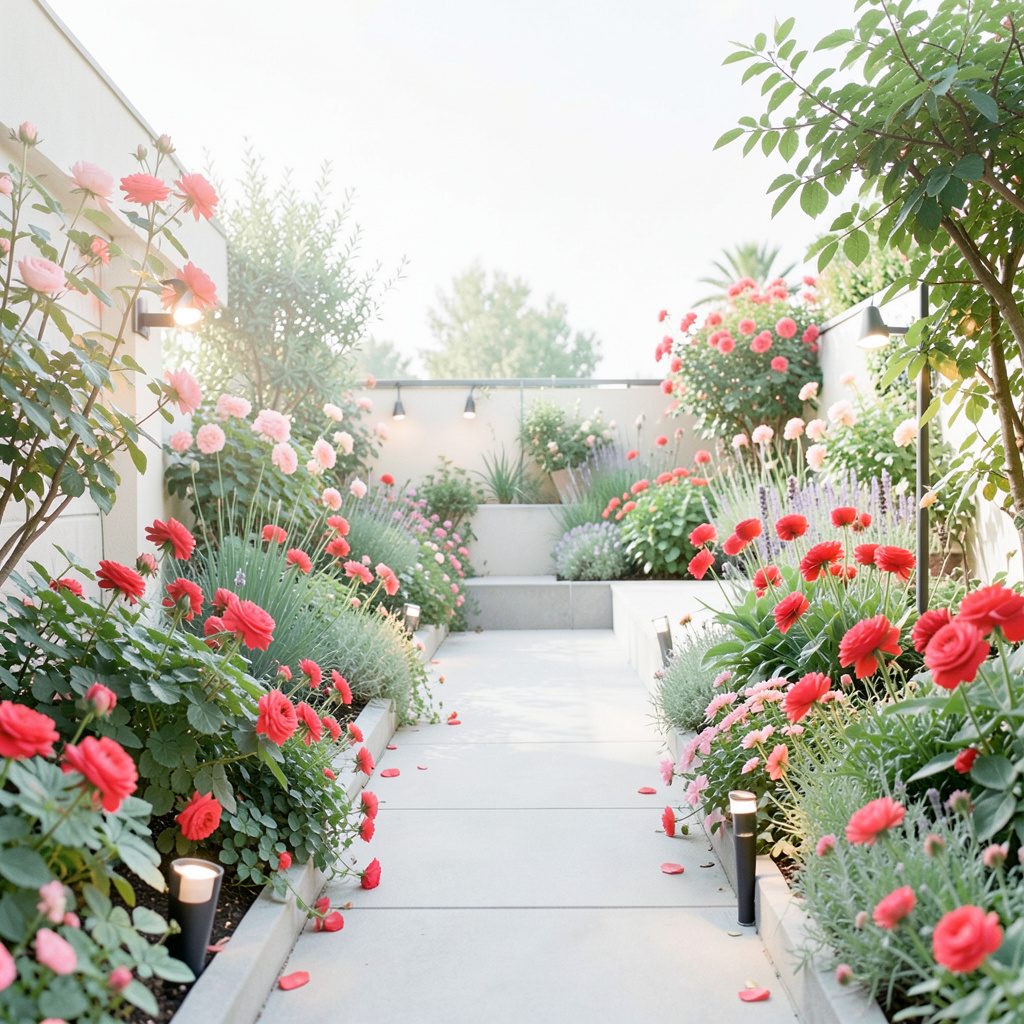
A balanced scheme uses different lighting levels for different tasks. Low-level path lights define movement routes, a porch fitting covers facial visibility at the door, and a focused sensor light responds to activity near a gate or garage. This layered arrangement avoids the harsh contrast produced by a single exposed floodlight.
When comparing fittings, a practical lighting selection guide can help clarify beam spread, colour temperature, weather resistance, and power requirements. Choose outdoor-rated products with suitable IP protection, especially in coastal areas such as Adelaide or along the Queensland coast where salt and moisture can shorten the life of poorly sealed fittings.
A simple arrangement for many Australian homes includes the following:
- Warm, low-level LEDs along steps and primary paths
- A shielded wall light beside each frequently used entrance
- A motion sensor covering the garage, side gate, or bin route
- A separate light aimed at house numbers for emergency visibility
- Solar fittings for distant garden areas where cabling is impractical
Avoid placing path lights in a straight, overly bright line. Alternating positions creates a more natural view and reduces the runway effect that can send light toward the street. Keep fittings below eye level where possible, and trim plants that block sensors or create moving shadows.
Set Controls For Safety And Neighbourly Comfort
Controls determine whether a well-designed light remains helpful or becomes a nuisance. Use motion activation for security fixtures, with an initial duration of 30 seconds to two minutes. A longer setting may be suitable at a garage, but continuous operation through the night is rarely necessary for a residential side passage.
A dusk-to-dawn sensor can keep a porch or house-number light gently illuminated, while a motion sensor handles sudden activity. Some Philips and other branded outdoor LED systems offer brightness adjustment, scheduling, or app control. These features are useful when a household wants lights on during a late arrival without leaving high-output lamps running until sunrise.
For a home with a patio or entertaining area, lighting decisions often sit alongside broader weekend entertainment ideas, including casual games and activities for guests. Keep decorative festoon lights on a separate circuit or timer from security lamps so social lighting does not accidentally disable motion coverage or create unnecessary glare.
Protect Sleep, Privacy, And Local Wildlife
A security lamp should not illuminate a neighbour’s bedroom, living room, or backyard seating area. Test each fitting from the boundary and from nearby windows after dark. If the beam crosses the fence, tilt it down, rotate the head, reduce sensitivity, or add a shield. Motion sensors with a narrow detection angle are preferable to broad models that monitor an entire street frontage.
Australian councils and strata schemes may treat intrusive or unreasonable light as a neighbourhood nuisance, and local rules vary between states and municipalities. Before installing a powerful fitting, check council guidance, body corporate by-laws, and any restrictions applying to heritage or townhouse developments. Electrical work involving fixed 230–240V wiring should be completed by a licensed electrician in accordance with Australian requirements, including AS/NZS 3000 principles.
Wildlife deserves consideration as well. Bright, cool light can disturb insects, possums, and nocturnal birds, particularly around bushland in Canberra, the Blue Mountains, or outer Brisbane. Use warmer LEDs, lower output, timers, and downward-directed beams near trees and habitat. Security lighting should protect the house without turning the whole garden into a permanent artificial daytime scene.
Match Lighting To Australian Conditions
Weather and landscape influence both durability and performance. Coastal homes should use corrosion-resistant materials and inspect screws, seals, and connectors regularly. In drought-prone or bushfire-prone areas, keep fittings, cables, and solar panels clear of dry leaf litter and follow local advice about vegetation management and bushfire construction requirements. Lighting cannot replace defensible-space planning or secure locks.
Rain can improve solar-panel cleaning, but dust, bird droppings, and tree shade still reduce charging efficiency. Check the panel position in winter rather than relying on summer sun angles. For a sensor light above a garage or carport, choose a weather-resistant model designed for exposed outdoor use, not an indoor LED bulb placed in a decorative cage.
A practical purchase checklist includes:
- IP-rated construction suited to exposed outdoor installation
- Adjustable beam direction and a built-in glare shield
- Warm or neutral-white LED colour temperature
- Replaceable or long-life components where available
- Motion and dusk sensors with sensitivity controls
- Mounting hardware suitable for masonry, timber, or rendered walls
Retail choices in Australia range from Bunnings and electrical wholesalers to Amazon Australia and specialist lighting stores. Product descriptions should be checked carefully for Australian voltage compatibility, warranty coverage, sensor range, and spare parts. Imported fittings may look attractive but can be unsuitable if they lack the required plug, certification, weather rating, or local support.
A final evening test is more valuable than relying on photographs. Walk from the footpath to the front door, stand inside the nearest neighbouring sightline, and view the garden through your own windows. If the light helps you see where to walk, identifies movement, and leaves neighbouring rooms comfortable, the setup is doing its job. The practical rule is simple: illuminate entrances and movement zones, shield the beam, use sensors, and keep the rest of the garden pleasantly dark.