Featured Topics
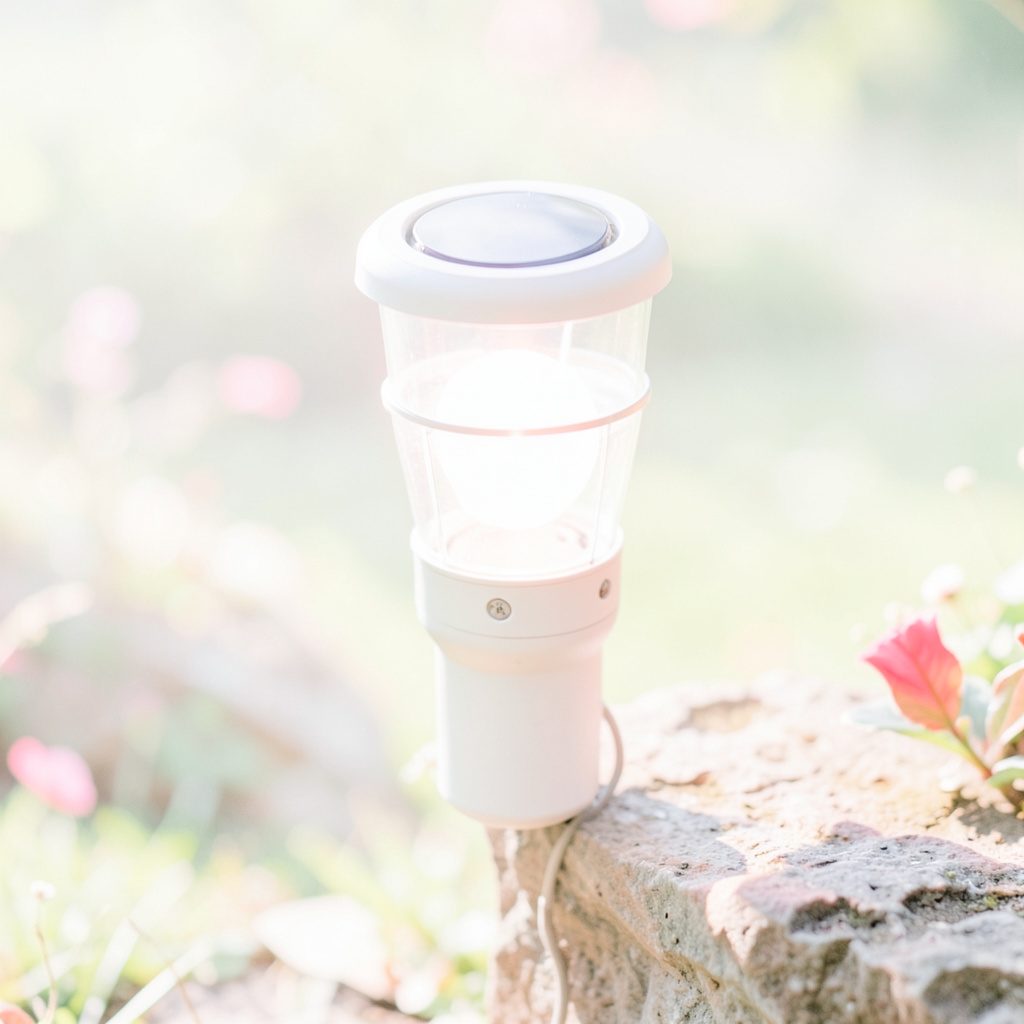
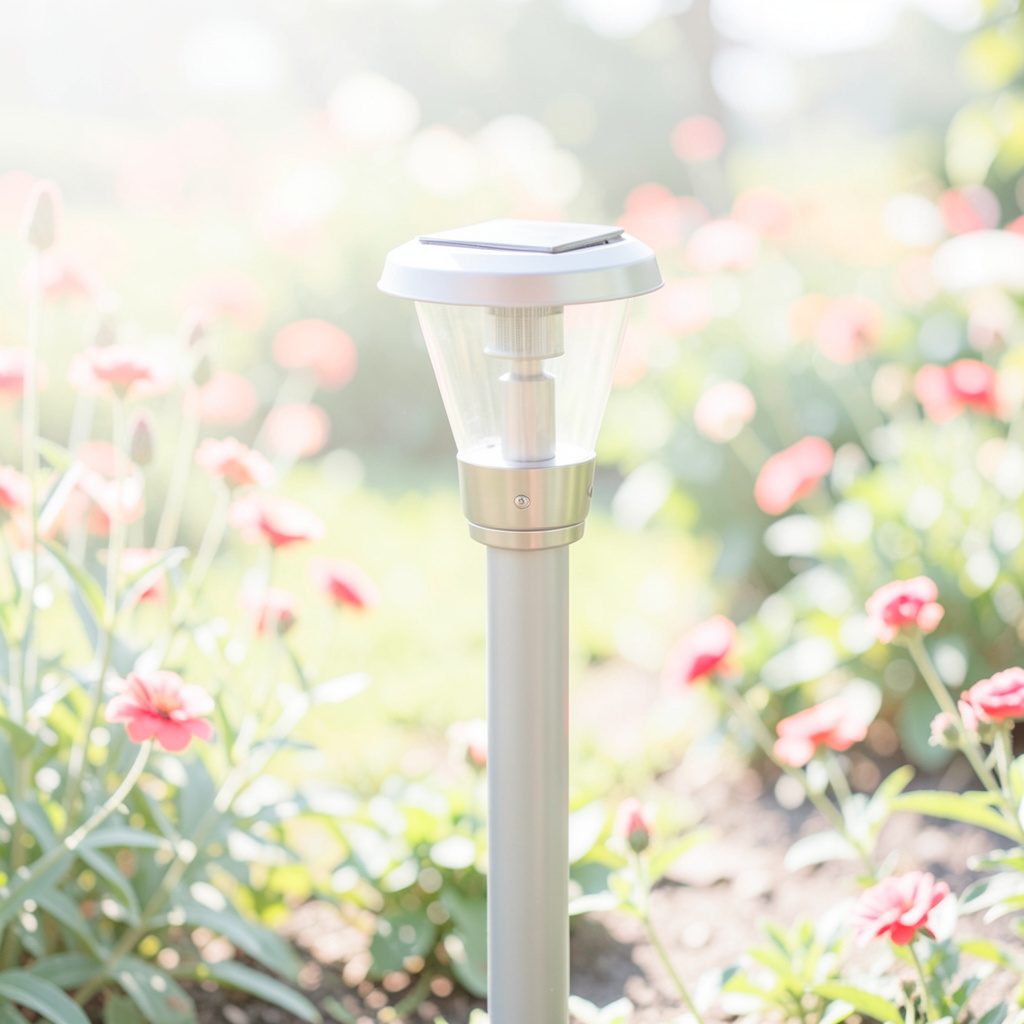
Solar lanterns with remote control for Australian gardens and patios
When the sun finally drops behind the eucalyptus and the magpies settle into the evening chorus, most Aussie households gravitate outdoors. Summer dusk in Sydney can stretch well past eight, even in Melbourne or Hobart, and a bit of patio lighting tends to extend every meal and gathering into the cooler hours. Remote-controlled solar lanterns slot into that window beautifully, charging all day in harsh Australian UV and then glowing on command when the drinks come out.
Switching from gas tiki torches to solar has appeal beyond mere aesthetics. Electricity costs across the country have crept upward, and zero-grid lighting on a back veranda, around a poolside deck, or along a side path is increasingly attractive. Add a small handheld remote and you can dim, set timers or shift colour modes without leaving the outdoor lounge. That convenience has quietly changed what families expect from garden lighting.
Why remote control makes solar lanterns smarter for Aussie evenings
Solar lanterns used to offer two settings: on and off. Most relied on a small light sensor that flipped them on at dusk, and the only real choice was brightness. Fine for a fixed path edge, but awkward when you wanted different moods for dinner versus the post-meal wind-down on the couch.
Modern remote units add practical flexibility suited to the way Australian households entertain. You can group lanterns on a single frequency, fade them all up at once, or run a four-hour timer so the kids aren't staring at a still-bright garden from their bunk beds. Some remotes offer mode toggles for colour shifts, useful for an Australia Day gathering or a low-key birthday on the deck.
A handheld remote also lets you turn lanterns off in the morning without stepping outside, which preserves battery life and keeps curious possums from batting the LEDs around. Key-fob sized remotes are common, while larger wall-mounted pads work nicely beside a back door or laundry entry.
Brightness, battery size and run times that actually matter
Lumens are easy to oversell, so it pays to sort genuine performers from soft-glow decorative units. A pathway lantern at 100 to 150 lumens reads as a gentle accent rather than functional light. To illuminate a dining table or BBQ plate, look for 300 to 600 lumens, depending on the size of the space.
Battery capacity drives how long the output holds. A 2,000 mAh cell under high LED draw will fade well before midnight, workable for short winter nights but disappointing in summer when families linger past ten. Lanterns with 4,000 mAh or more tend to give reliable all-night coverage, and it's worth checking whether the battery is user-replaceable for the long haul.
Panel material matters. Monocrystalline cells charge more efficiently in lower light, useful during the shorter days of June, particularly in Hobart, Canberra and parts of regional Victoria where winter sun angles stay low. Position lanterns where they catch unobstructed midday sun for the best nightly performance.
Tabletop and stake picks for patios and lawns
For covered alfresco areas, tabletop lanterns do the heavy lifting. Weighted bases with felt or rubber feet stop a sudden Pacific gust sending them sliding across the pavers. Many current models mimic vintage hurricane lamps or punched-tin styles, with warm 2200K or 2700K LEDs that look far less harsh than cooler whites against timber decking.
Stake lanterns suit lawn edges and pathway runs. Brands such as InnoGear and others stocked at Bunnings offer stakes that push into soft turf without tools. The remote usually covers all stakes within about a five-metre radius, so the entire side of a garden lights up with a single tap.
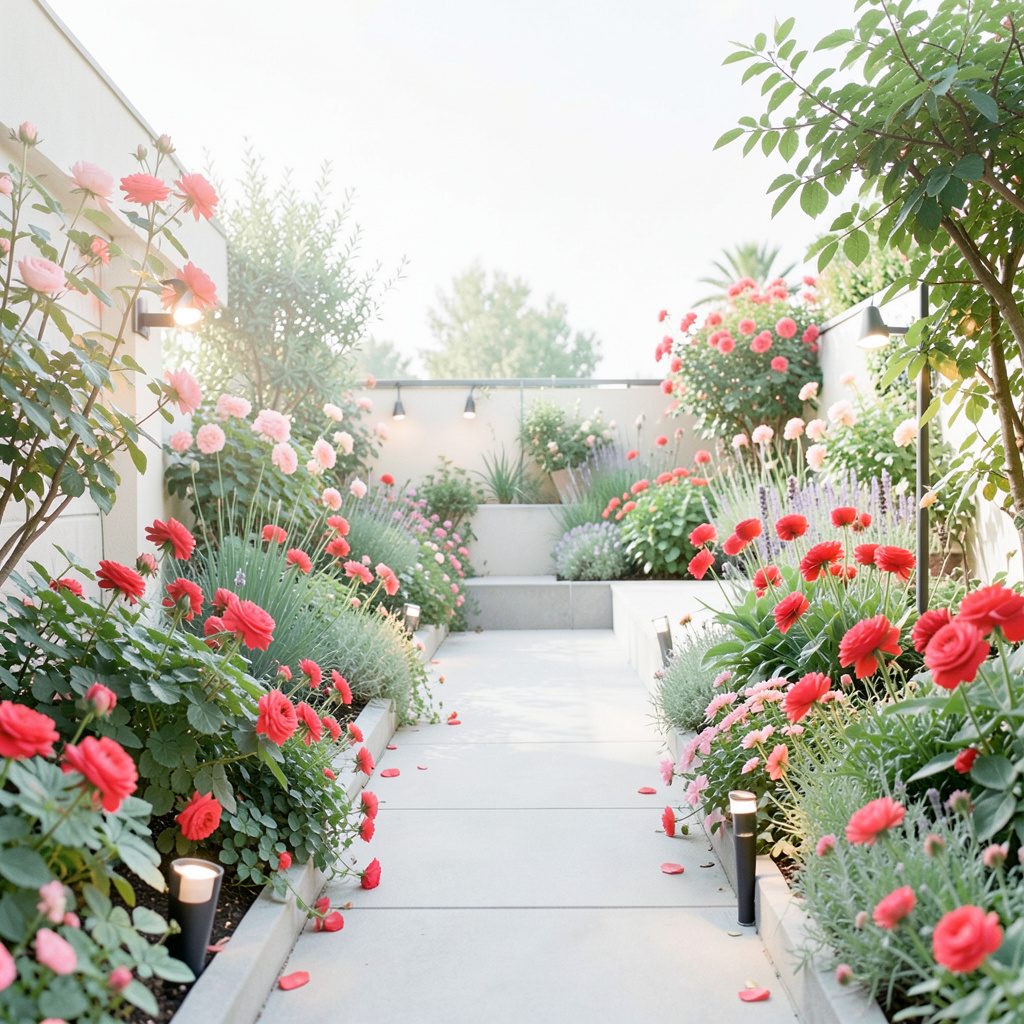
If you're weighing up forms, it helps to see how a complete setup layers. A useful starting point is how to light a terrace, covering the balance between table lights, floor lights and overhead pieces. Most installers will tell you the magic happens in the layering rather than any single bright fixture.
Hanging lanterns for pergolas, trees and balconies
Hanging styles range from chunky maritime-style pendants to delicate Moroccan-inspired globes. Both work, but the difference shows in how they handle wind. An open frame lantern in a Sydney westerly will swing hard, so check whether the hook or chain includes a swivel attachment. Closed glass or acrylic shades protect internal components and let the LEDs spread more evenly across the canopy.
These are the lanterns where remote control really earns its keep. A pergola canopy can host three or four hanging pieces at different heights, and grouping them under one remote keeps the routine tidy. Some brands sell matching hanging and table lanterns, so a coordinated scheme is achievable without mismatched colour temperatures.
A practical tip: hang the heaviest lantern at the corner post where the swing arc is smallest, and put lighter decorative pieces in the centre of the span. This matters especially in older Queenslanders and weatherboard homes where shared roof loads and timber movement deserve a bit of extra thought.
Coastal picks that handle salt air and sudden downpours
Coastal living brings its own lighting realities. Salt spray corrodes cheap metal finishes quickly, particularly powder-coated brass-look surfaces that haven't been properly sealed. Look for marine-grade stainless steel, anodised aluminium or solid resin frames if the property sits anywhere from Noosa through Byron Bay, the Sutherland Shire down to the Mornington Peninsula.
These lanterns also need solid IP ratings, ideally IP44 or higher, to handle the sideways rain of a southerly buster. Sealed battery compartments keep moisture out of the lithium cells, and a quality unit will keep performing where a cheaper lantern fogs up and dies within a single season.
Solar panels benefit from a quick wipe-down every couple of months. Salt film builds on the panel surface and quietly reduces charge efficiency. A soft cloth and a splash of fresh water is usually enough, and the climb onto the pergola is a good chance to retighten any loosened mounting brackets at the same time.
Bushfire-prone zones from the Adelaide Hills to the Hawkesbury
Anyone living on the rural-urban fringe or in a bushfire-designated zone has to think carefully about what is installed around the home. Lanterns with plastic bodies and lightweight fabrics are best kept away from eaves, decks and firewood stacks. Metal-bodied lanterns with sealed LED compartments are a safer pick and tend to comply with BAL ratings some councils now require for outdoor fittings.
The other consideration is ember attack. Glass solar panels hold up better during high ember loads than acrylic or thin plastic. Place lanterns clear of leaf gutters, wood piles and synthetic outdoor furniture, especially during code-red days when embers can travel kilometres ahead of a fire front.
If you're upgrading ahead of bushfire season, it's worth checking with your insurer whether compliant fittings are required. Some councils in the Yarra Ranges and Adelaide Hills publish approved lighting lists, and most modern solar lanterns carry the necessary ratings, while the cheap units stacked high at the front of a hardware shop rarely do.
Pairing lanterns with wider smart outdoor lighting
A set of solar lanterns can sit comfortably alone, but the remote becomes more useful when the rest of the outdoor setup is also controllable. Philips Hue outdoor products are popular with Australians who already run the bridge indoors and want garden lights on the same app. Remote-controlled solar lanterns use RF remotes rather than Zigbee, so they sit alongside Hue rather than replace it.
A useful comparison of Philips Hue outdoor lights versus standalone solar lanterns helps clarify which suits where. Hue hardwired fittings are reliable on the patio where mains power is already available, while solar lanterns make sense on lawn edges, veggie patches and wherever running cable would mean trenches through garden beds.
For many families, the combination that works best is a Hue strip or two on the pergola, paired with four or five remote-controlled solar lanterns dotted around the rest of the yard. This keeps the mains work to a minimum, spreads light widely, and lets you control everything from the phone or a single remote without climbing up and down the back steps a dozen times.
Whether you're hosting a long Sunday roast or settling in for a relaxed evening poker tournament under the patio, a thoughtful spread of solar lanterns with a remote in hand turns ordinary evenings into nights Australians tend to remember. Set the brightness once, save it as your go-to, and the next arvo's golden hour flows straight into the night.