Featured Topics

Philips Hue Outdoor Lights Vs InnoGear For Australian Gardens
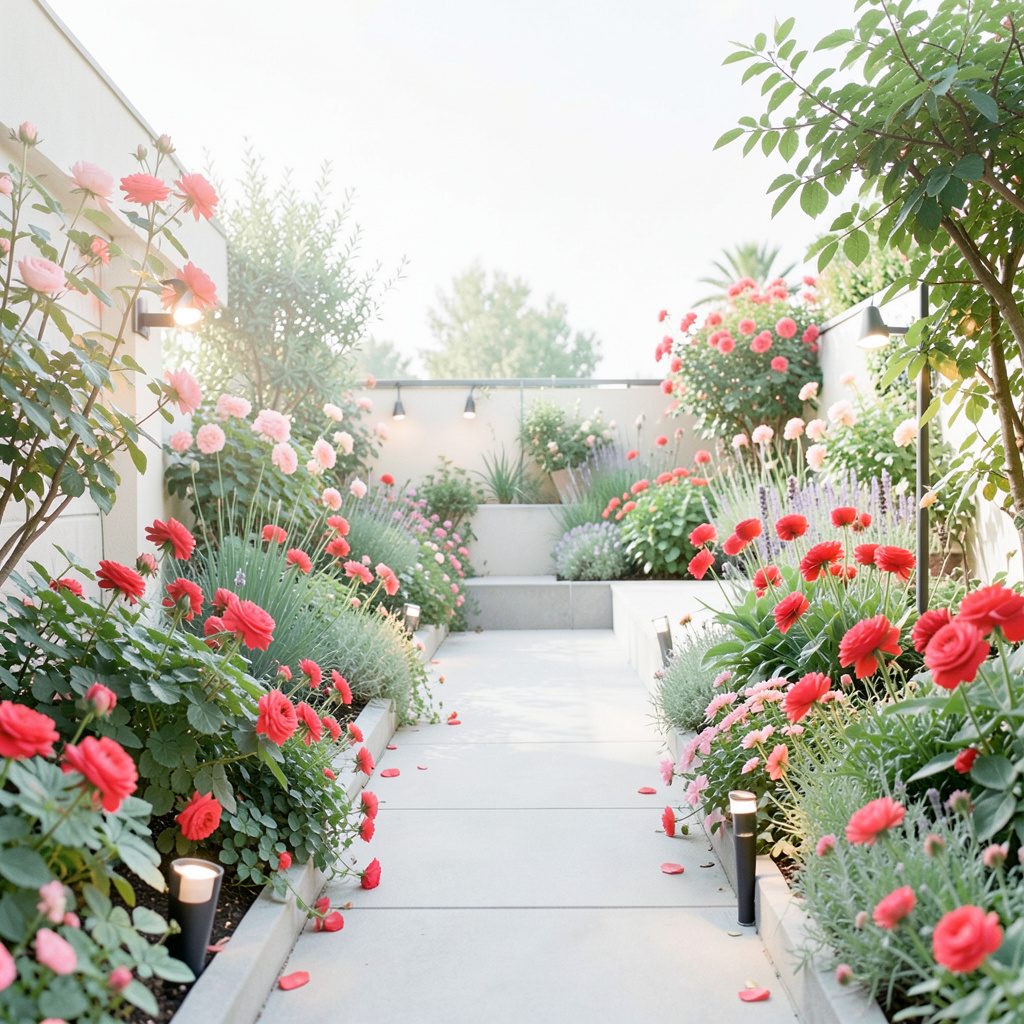
Outdoor lighting can change the way a garden feels after sunset. A path becomes easier to follow, a deck feels more inviting, and a front entry gains useful visibility. Philips Hue and InnoGear approach that job from very different directions, so the better choice depends on whether you value smart control, low installation effort, appearance, or price.
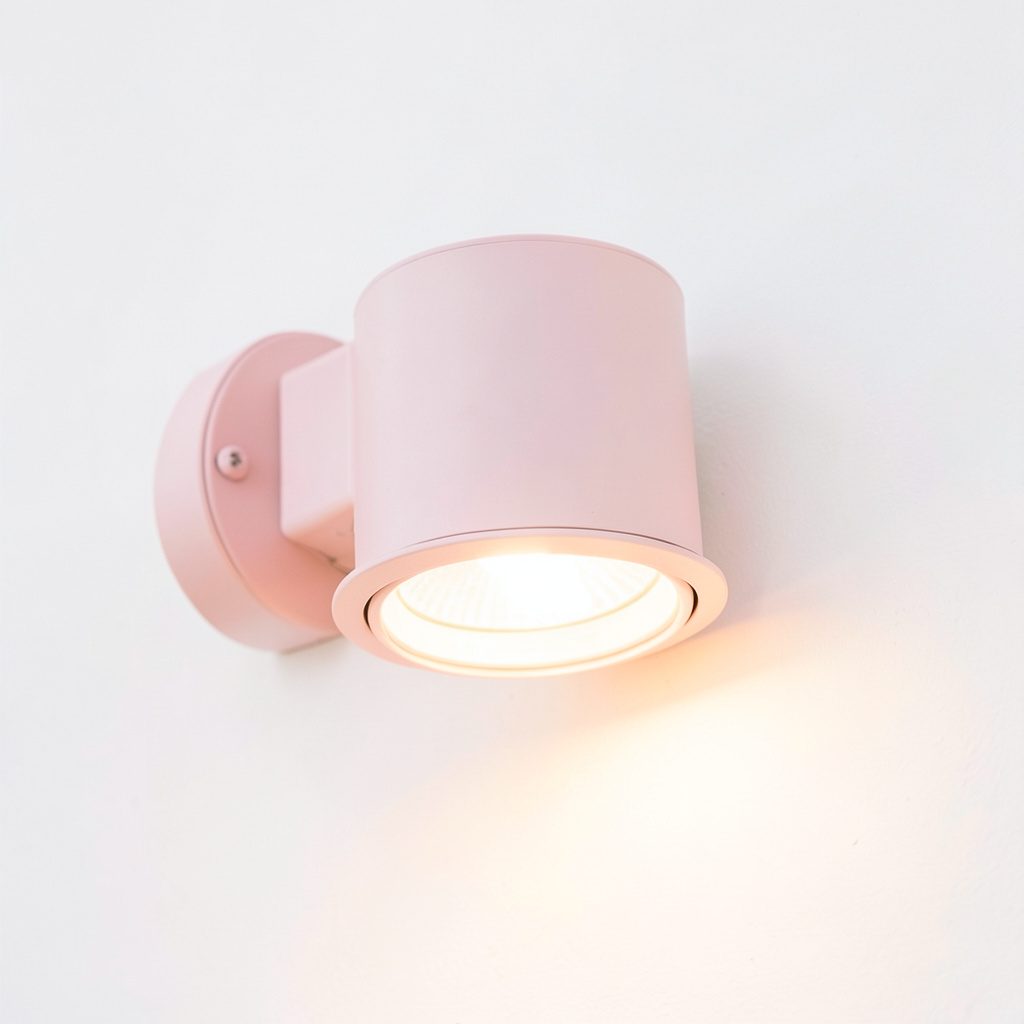
Philips Hue is designed for connected homes. Its outdoor range includes path lights, wall lights, spotlights and pedestal fittings that can be controlled through an app, schedules, voice assistants and scenes. InnoGear generally focuses on accessible solar lights, including pathway models and motion-sensor spotlights that charge during the day and switch on automatically at night.
Australian conditions make the comparison more practical than a simple brand-versus-brand decision. Strong UV, sudden storms, sandy soil, long winter shadows and large suburban blocks can all affect performance. A small Melbourne courtyard has different needs from a Brisbane entertaining area or a broad Perth front garden.
Smart control and lighting atmosphere
Philips Hue is the stronger option when outdoor lights need to behave as part of a wider home system. With a Hue Bridge and suitable outdoor power supply, owners can schedule lights for sunset, adjust brightness, change colour temperature and create scenes for dinner, parties or security. Integration with Google Home, Amazon Alexa and Apple Home makes it useful for households already using connected bulbs indoors.
The advantage is flexibility rather than simple brightness. Warm white light can make a timber deck feel relaxed, while brighter neutral light can improve visibility near steps or a side gate. Coloured scenes are available for entertaining, although they are usually more effective as occasional accents than as permanent garden lighting.
The trade-off is setup. Philips Hue outdoor fittings may require a suitable weather-protected power point, low-voltage cabling and thoughtful placement of the power supply. Wi-Fi coverage can also be inconsistent at the back of a long block, especially behind brick walls. The Bridge communicates with the lights using its own network, but the system still benefits from a reliable home internet setup for remote access and integrations.
Solar simplicity and everyday use
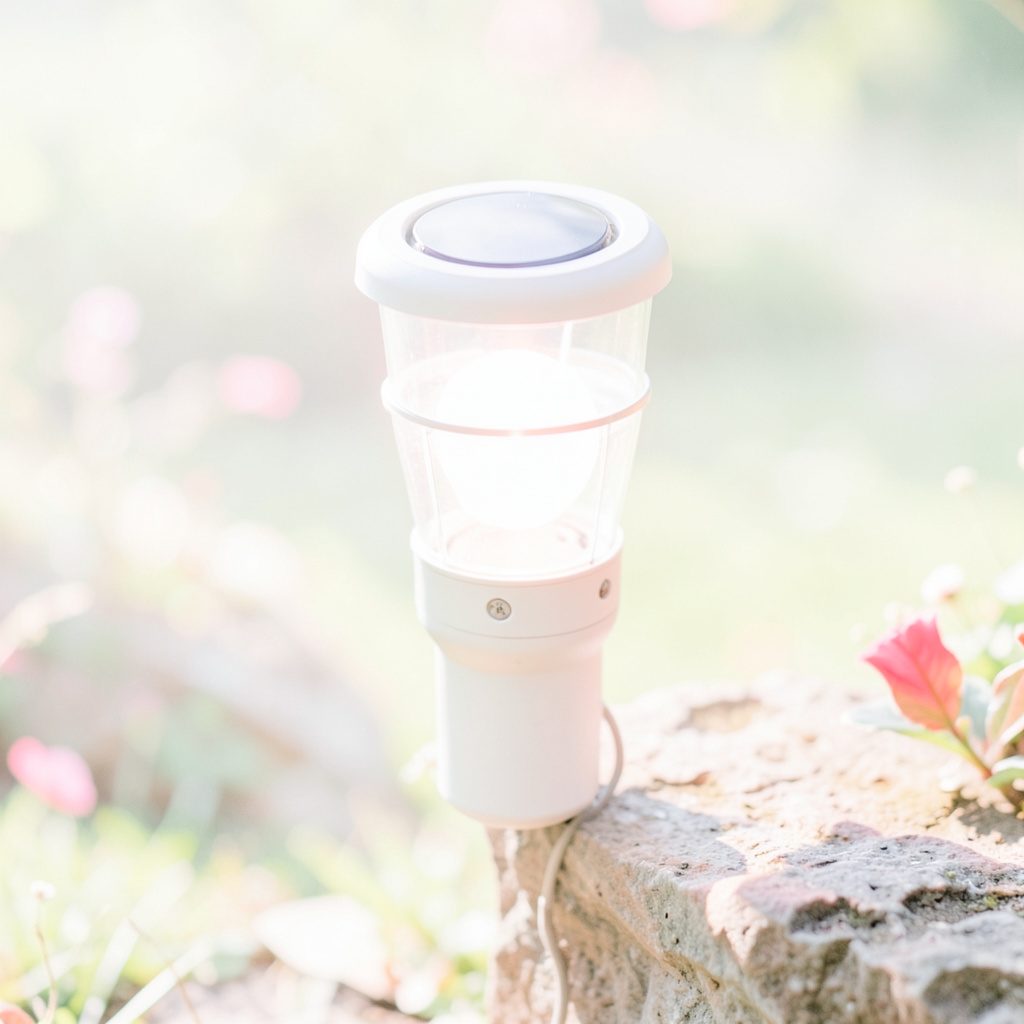
InnoGear appeals to homeowners who want to install lights without wiring, an electrician or a smart-home hub. Many of its solar pathway and security lights have a small panel, internal battery, automatic dusk activation and selectable lighting modes. They can be pushed into soil beside a garden bed or mounted near a driveway within minutes.
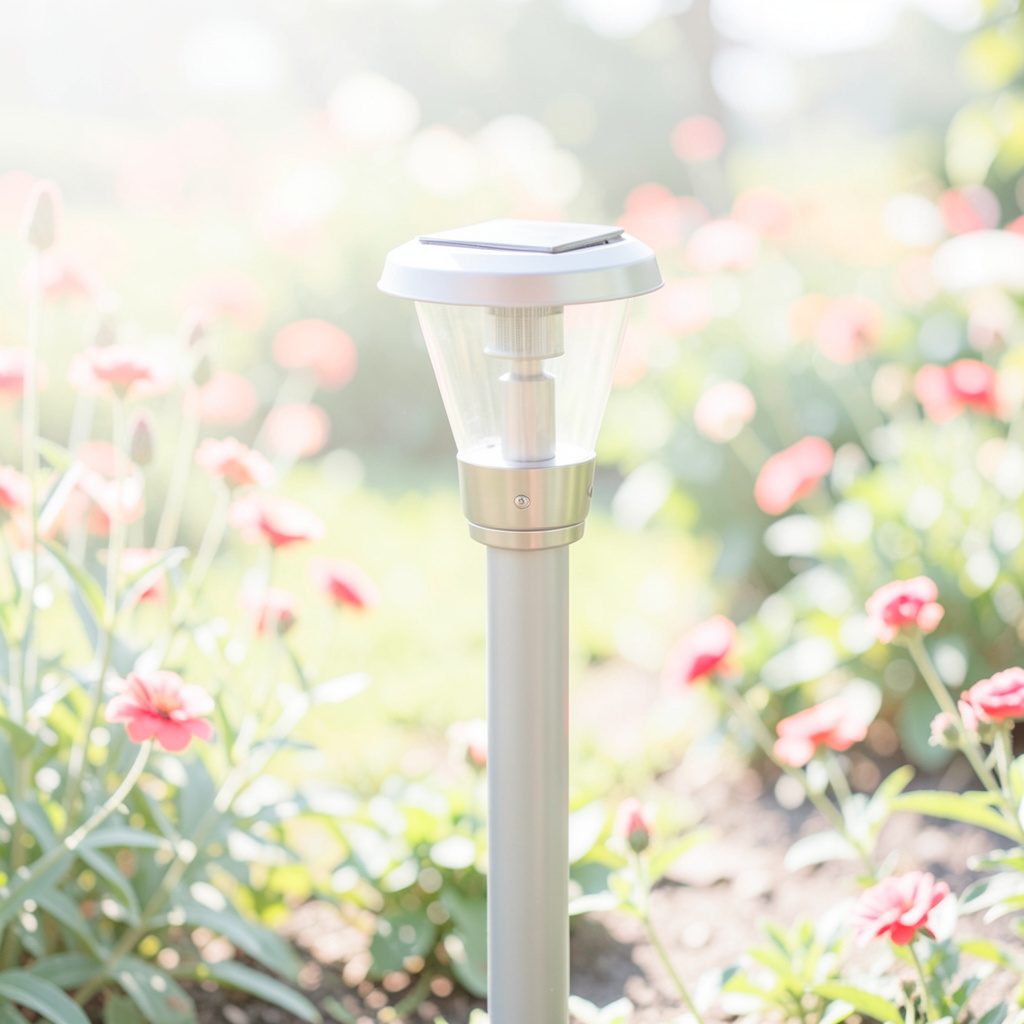
For a path from the letterbox to the front door, this simplicity is a genuine benefit. InnoGear units can be moved when a garden layout changes, and replacing one light is relatively inexpensive. Their lack of a permanent power connection also removes a common concern around cables crossing lawns or exposed paving. For practical guidance on choosing durable path illumination, these solar pathway lights are a useful reference point.
Solar performance is closely tied to placement. A light beneath a dense frangipani, under a verandah or beside a tall fence may receive too little direct sun to last through the night. Short winter days in Melbourne and Hobart can reduce charging time, while dusty conditions around Adelaide or inland New South Wales may require regular cleaning of the panels.
How Australian conditions affect the choice
Australian weather should influence both the fitting and the installation. In Brisbane and northern Queensland, heavy summer rain and humidity make sealing, drainage and corrosion resistance especially important. In Perth and western suburbs exposed to strong afternoon sun, plastic housings and solar panels face intense UV. Philips Hue fittings generally offer a more polished, permanent build, while cheaper solar products can vary more between individual models.
The garden itself matters as much as the climate. A narrow terrace in Sydney may suit compact wall lights or a few low pathway markers, whereas a semi-rural property outside Canberra may need brighter fixtures spaced along a long driveway. In sandy coastal areas, push-in stakes can loosen over time; in clay soils, installation may require pre-watering or a narrow pilot hole.
Local buying habits also shape value. Australian shoppers can compare Philips products through specialist lighting retailers and online stores, while InnoGear is commonly found through marketplaces such as Amazon Australia. Bunnings is often the first stop for garden hardware and outdoor electrical accessories, although stock and model availability differ by state and store. If a mains-powered system is being added to a permanent dwelling, using a licensed Australian electrician is the sensible approach.
Cost, maintenance and long-term value
InnoGear usually wins on the initial purchase price. A set of solar path lights can cover a small front garden without adding a transformer, cabling or installation costs. That makes it a practical choice for renters, first-time homeowners or anyone testing a lighting layout before committing to a larger project.
The lower entry price can come with compromises. Solar batteries gradually lose capacity, brightness may fall after cloudy weather, and motion sensors or switches can become less reliable when exposed to dust and rain. Replacement is usually simpler than repair, but a large garden may need several sets over time to maintain an even appearance.
Philips Hue requires a bigger upfront investment, particularly if the home does not already have a Bridge or compatible accessories. Yet the system offers more consistent control, stronger scene-making potential and easier expansion. A homeowner can begin with two spotlights near a feature tree, then add path lights, wall lights or deck fittings later while keeping them in the same app.
For households that entertain regularly, the extra cost may feel justified because the lights do more than mark a path. For a basic rental property or a low-use side passage, inexpensive solar lighting may provide all the necessary function. A useful way to compare the overall style and placement options is through these garden lighting ideas, particularly before buying several fixtures at once.
A practical buying shortlist
The best decision comes from matching the light to the job rather than choosing the most advanced brand. Philips Hue is more suitable for layered landscape lighting, reliable scheduling and integration with indoor technology. InnoGear is better for quick installation, modest budgets and areas where automatic dusk-to-dawn illumination is enough.
Before ordering, check the product’s stated weather rating, battery or power requirements, cable length, replacement parts and mounting method. Also consider whether glare could affect neighbours, passing traffic or rooms inside the house. Low, warm light directed downward is generally more comfortable than a bright fitting aimed across a backyard.
Keep these recommendations in mind:
- Choose Philips Hue for connected control, adjustable scenes and a garden that may expand over time.
- Choose InnoGear for affordable solar path markers, temporary layouts and uncomplicated installation.
- Place solar panels where they receive several hours of unobstructed daylight, not simply where the light looks attractive.
- Use warm white light around seating, entertaining areas and planting beds to preserve a relaxed evening mood.
- Add brighter, carefully aimed illumination near steps, gates, bins and driveway edges for practical visibility.
- Clean solar panels regularly and inspect outdoor cables, seals and stakes after severe weather.
- Ask a licensed electrician to handle permanent mains-powered outdoor work in Australia.
Philips Hue delivers greater control, consistency and design flexibility, but its price and installation demands are higher. InnoGear keeps things affordable and straightforward, though its results depend heavily on sunlight, battery condition and product quality. The right choice is the one that suits the garden’s layout, the household’s routines and the level of maintenance you are willing to accept. Remember that good outdoor lighting should guide movement, support security and make the garden feel comfortable without overwhelming the night.