Featured Topics

The Best Solar Spotlights with Adjustable Heads for Australian Gardens
Solar spotlights with adjustable heads make it easier to highlight a feature, redirect light as plants grow, or shift a beam from a garden bed to a pathway. Unlike fixed solar lamps, these fittings let you fine-tune the angle after installation, which is especially useful when the sun, foliage and outdoor furniture change through the year. Learn more about Purplestitchproject.org.
For Australian homes, the right choice needs to handle strong UV exposure, sudden rain and long summer evenings. A well-designed light can bring texture to a gum tree, improve visibility near steps and give a patio a relaxed glow without running new electrical cable across the yard. Learn more about Lighting.
Why Adjustable Solar Spotlights Work So Well
A movable head gives you control over both direction and height. Point the beam upwards to wash a tree trunk, angle it slightly down to illuminate a retaining wall, or turn it across a path for extra visibility. This flexibility is valuable in smaller courtyards where one fitting may need to serve several purposes.
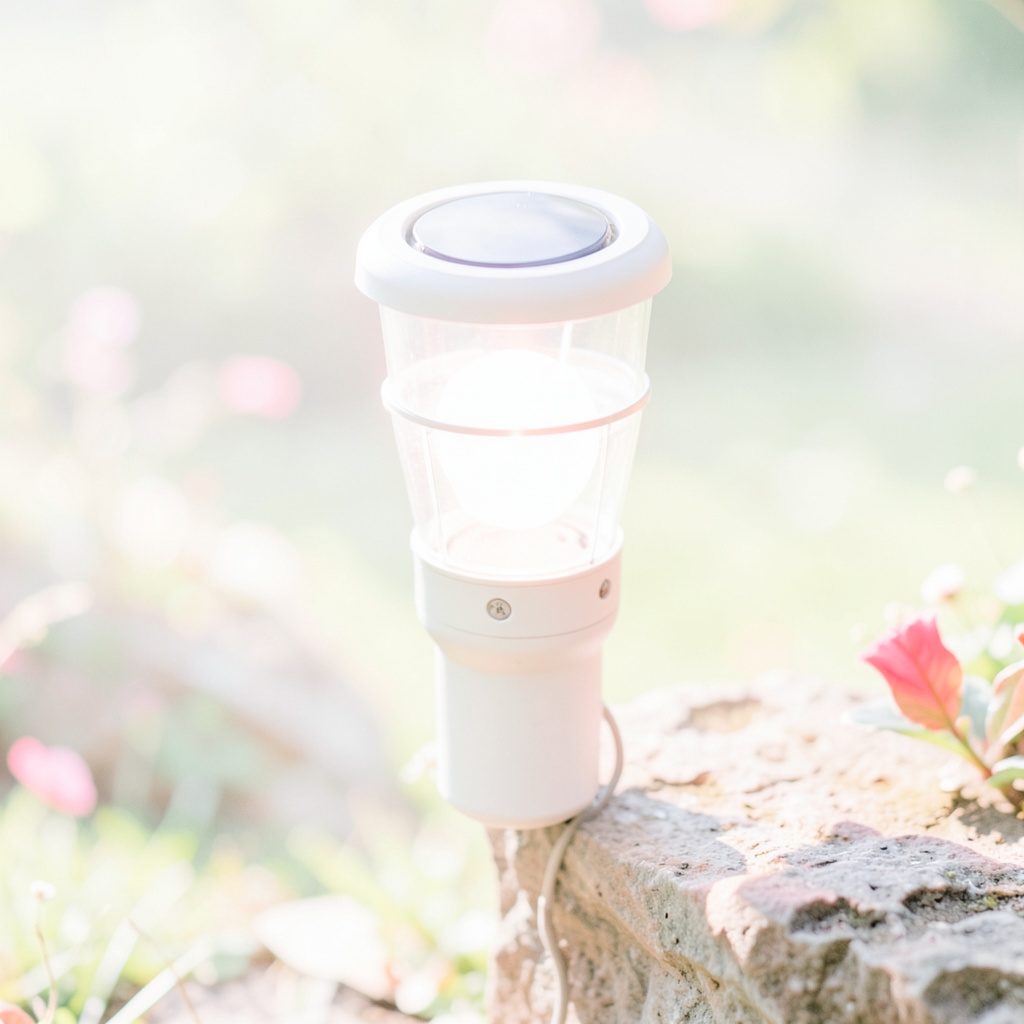
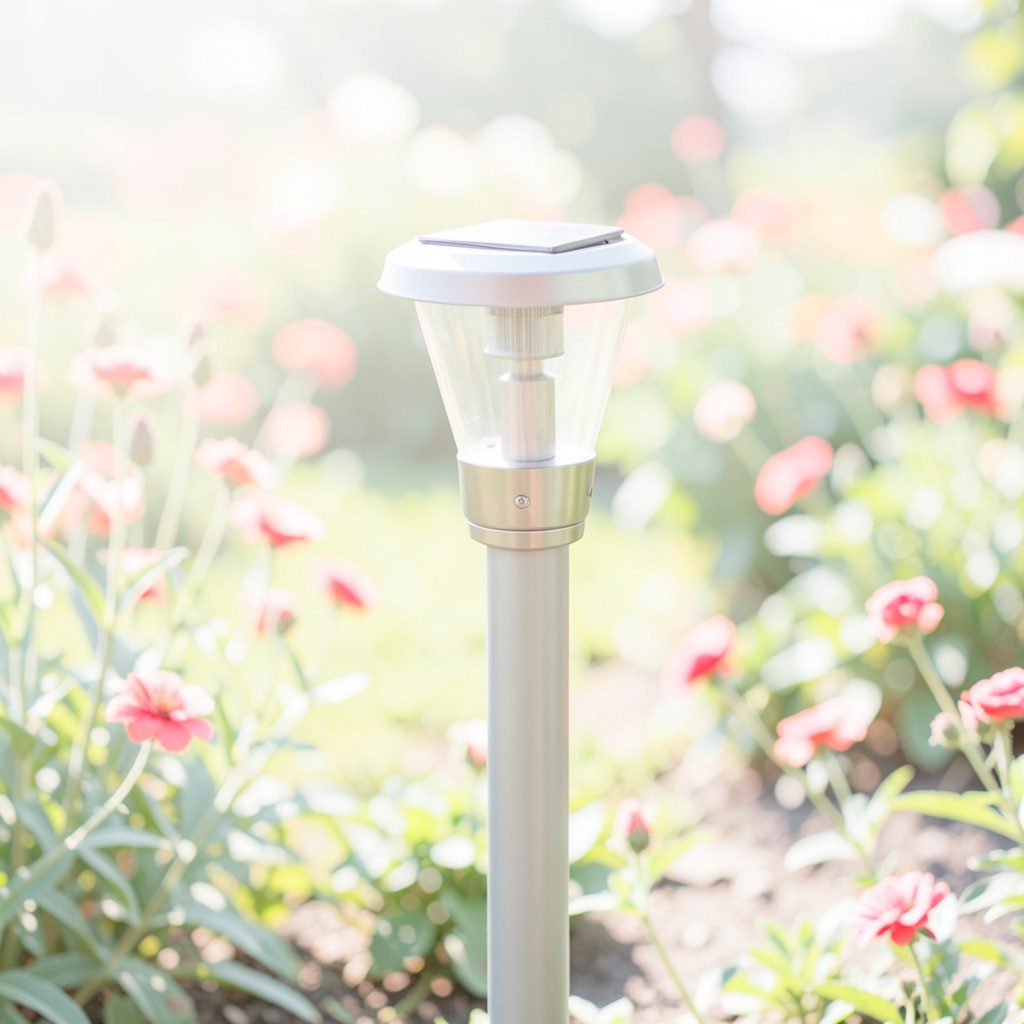
The best models usually combine a separate solar panel or a panel mounted on a tilting top with a rotatable LED head. A separate panel is often preferable beneath a verandah or beside a covered terrace because the light can stay in shade while the panel faces north. In a sunny Brisbane or Perth garden, this arrangement can collect useful energy for much of the day.
Beam width also affects the result. A narrow beam creates a crisp accent on a statue or slender tree, while a wider beam spreads light across shrubs and low garden beds. Warm white LEDs around 2700K to 3000K tend to suit entertaining areas, whereas a cooler white can provide a sharper appearance around gates and steps.
Features Worth Paying For
Low-cost solar lights vary widely in battery quality, panel efficiency and weather protection. Rather than choosing by lumen claims alone, inspect how the light is built and whether the adjustment points feel secure. A loose head may slowly droop after wind, rain or repeated repositioning.
Look for these practical details before buying:
- A weather-resistant body with an IP65 rating or higher for exposed locations
- A rechargeable lithium-ion battery with a replaceable option where possible
- A solar panel that tilts independently from the lamp head
- Several brightness or operating modes, including a low continuous setting
- Strong ground stakes or mounting plates for soil, decking and masonry
Brands such as Philips often offer polished housings and dependable LED performance, while InnoGear is known for accessible multi-pack solar spotlights with separate panels and adjustable heads. Product pages on Amazon Australia can make comparisons simple, but check recent reviews for comments about battery life after several months rather than relying on launch-day ratings.
A long advertised runtime should be treated as an ideal figure. Eight hours may be possible after a clear summer day, but cloudy winter weather in Melbourne or a shaded position beneath a pergola can reduce the charge considerably. Models with a lower overnight brightness often provide a more consistent result than lights that run intensely for a short period.
Positioning Light For Depth And Safety
Begin by observing the garden after dark. Identify dark steps, uneven edges and the features you want to emphasise, then place lights so the beam crosses a surface rather than shining directly into eye level. A spotlight aimed at a textured wall reveals more detail than one pointed randomly into open lawn.
Uplighting works particularly well on trunks, palms, textured fences and large pots. The principles explained in this uplighting guide are useful when deciding how far a fitting should sit from a feature and how much shadow to leave around it. Avoid lining several lights in a perfectly straight row, as that can make a garden feel overly bright and flat.
For pathways, aim the head down and slightly across the walking surface. This creates enough visibility without producing glare. A pair of low-output spotlights facing different directions can be more comfortable than one powerful beam pointed straight at the approach to a front door.
Keep solar panels clear of dense leaves, shade sails and tall grasses. Australian gardens can change quickly after spring growth, so an angle that works in October may be obstructed by January. Leave room around each fitting for cleaning and seasonal adjustment.
Choosing For Australian Conditions
Australia’s sun is hard on outdoor plastics, especially on north- and west-facing walls. Look for UV-stabilised housings, sealed joins and metal or thick composite stakes. In coastal areas such as Adelaide, Newcastle and the Gold Coast, salty air can accelerate corrosion, so stainless steel or well-finished aluminium is preferable to thin untreated metal.
Storms create another consideration. A broad lamp head or loosely installed panel can catch wind, while a short plastic stake may lift from damp soil. For exposed gardens, mount the solar panel to a fence or wall and use a sturdy base for the light. Check that the product is suitable for outdoor use in Australia and retain the instructions for battery replacement and warranty claims.
Retail availability also affects value. Amazon Australia offers a broad range of imported solar garden lighting, while local hardware chains and specialist lighting stores may provide easier returns or replacement parts. Home Depot listings can be useful for comparing international models, but Australian buyers should confirm that the model is actually sold for local delivery and that its battery, charger and warranty arrangements suit this market.
It is worth checking the return policy before buying a multi-pack. A set may look uniform online but arrive with inconsistent brightness or slightly different colour temperatures. For a larger landscape, buying two lights first lets you test the beam, charge time and finish before committing to eight or twelve fittings.
Installation And Maintenance That Matter
Correct installation makes a modest solar spotlight perform better than an expensive fitting placed in the wrong location. Push stakes into firm soil rather than compacting the lamp into loose mulch. If the ground is hard, make a pilot hole first; forcing the stake can crack the housing or bend the shaft.
Use these simple maintenance habits to extend useful life:
- Wipe the solar panel with a damp cloth every few weeks
- Remove leaves, cobwebs and dirt from the lens and adjustment joints
- Check stakes after heavy rain and straighten any lamps that have tilted
- Reposition panels when new branches begin casting afternoon shade
- Store removable lights or spare batteries during extended renovations
Avoid using harsh chemicals on clear lenses, since some cleaners can cloud plastic. A soft cloth and clean water are usually sufficient. If the light stops working, inspect the switch and battery compartment before assuming the LED has failed. Many units are shipped with a protective battery tab or arrive in an off position.
In a garden with automated irrigation, keep the fittings outside the strongest spray pattern. Solar products are weather resistant, but repeated jets of water can enter seals that cope perfectly well with ordinary rain. Where children or pets use the yard, bury or secure any connecting cable between a separate panel and lamp so it cannot become a trip hazard.
Building A Balanced Evening Scheme
The most attractive arrangement usually mixes accents, orientation light and a small amount of practical illumination. Use adjustable spotlights sparingly on trees and architectural details, then let lower pathway lamps guide movement. Brightly lighting every plant can erase the shadows that give a garden its depth.
Terraces need special care because seating changes the viewer’s eye level. A terrace lighting guide can help with placing fixtures around walls, steps and entertaining zones without shining into guests’ faces. Aim one or two warm beams at foliage behind the seating area, and keep the immediate table zone softly lit with a lantern or pendant-style fitting.
For visual references, these garden lighting ideas can help when comparing symmetrical layouts with looser, naturalistic groupings. A calm Australian courtyard often benefits from asymmetry: one spotlight on a frangipani, another on a rendered wall and a low glow beside the path can feel more natural than identical lamps at equal intervals.
Small gardens can achieve plenty with three or four well-positioned fittings. In a larger lawn, divide the scheme into zones and use timers or motion settings where available. Keep security lighting brighter and more directional near side gates, while decorative solar LEDs around a patio should remain gentle enough for conversation.
Colour temperature deserves consistency. Mixing icy white LEDs with warm amber lamps can look accidental unless the zones are clearly separate. Before final installation, place each light temporarily and view it from the kitchen, front path and outdoor seating area. Adjust the heads after dark, then mark the preferred positions before pressing the stakes fully into the soil.
A reliable first setup is to choose two adjustable solar spotlights, test them on separate features for a full week, and record their evening brightness after both sunny and cloudy days. Then clean the panels, set the final angles and install the remaining lights only after that comparison.