Featured Topics

The Best Outdoor Lights For A Holiday Or Festive Look
Outdoor lighting can make a home feel welcoming long before guests reach the front door. A few well-placed lanterns, warm string lights, or glowing pathway markers can transform a patio, balcony, lawn, or terrace into a comfortable setting for Christmas, New Year’s Eve, birthdays, and relaxed summer gatherings.
Australian gardens have their own practical demands. Strong sun, sudden storms, salty coastal air, dry conditions, and large outdoor entertaining areas all influence which lights are suitable. The most successful festive display balances colour, brightness, weather resistance, and easy installation rather than covering every surface with the same type of light.
Choose Light For Australian Conditions
For most Australian homes, warm white lighting between 2,200K and 3,000K creates the most inviting appearance. It works well with timber decks, brick walls, pale paving, and native planting, while avoiding the harsh blue cast that can make a garden feel more like a commercial venue. Warm LEDs are particularly effective around seating areas and dining tables.
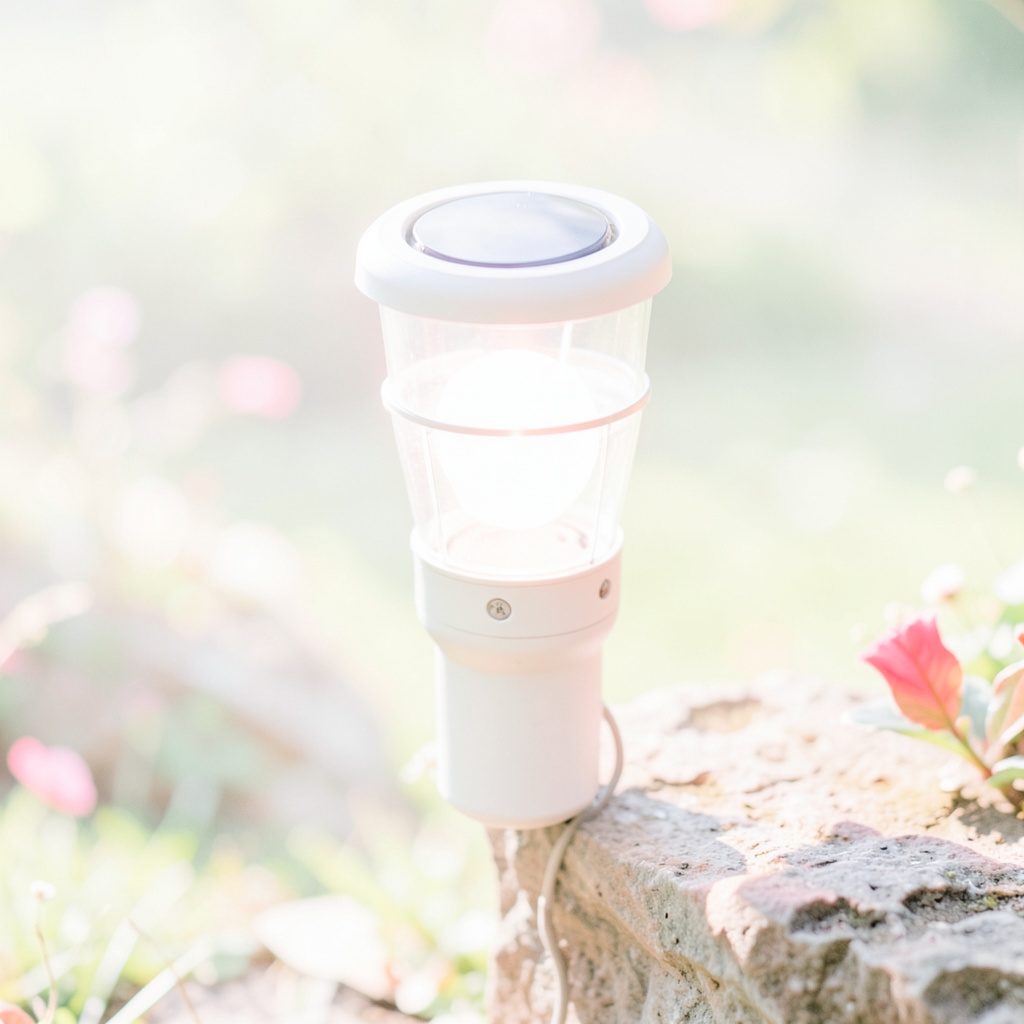
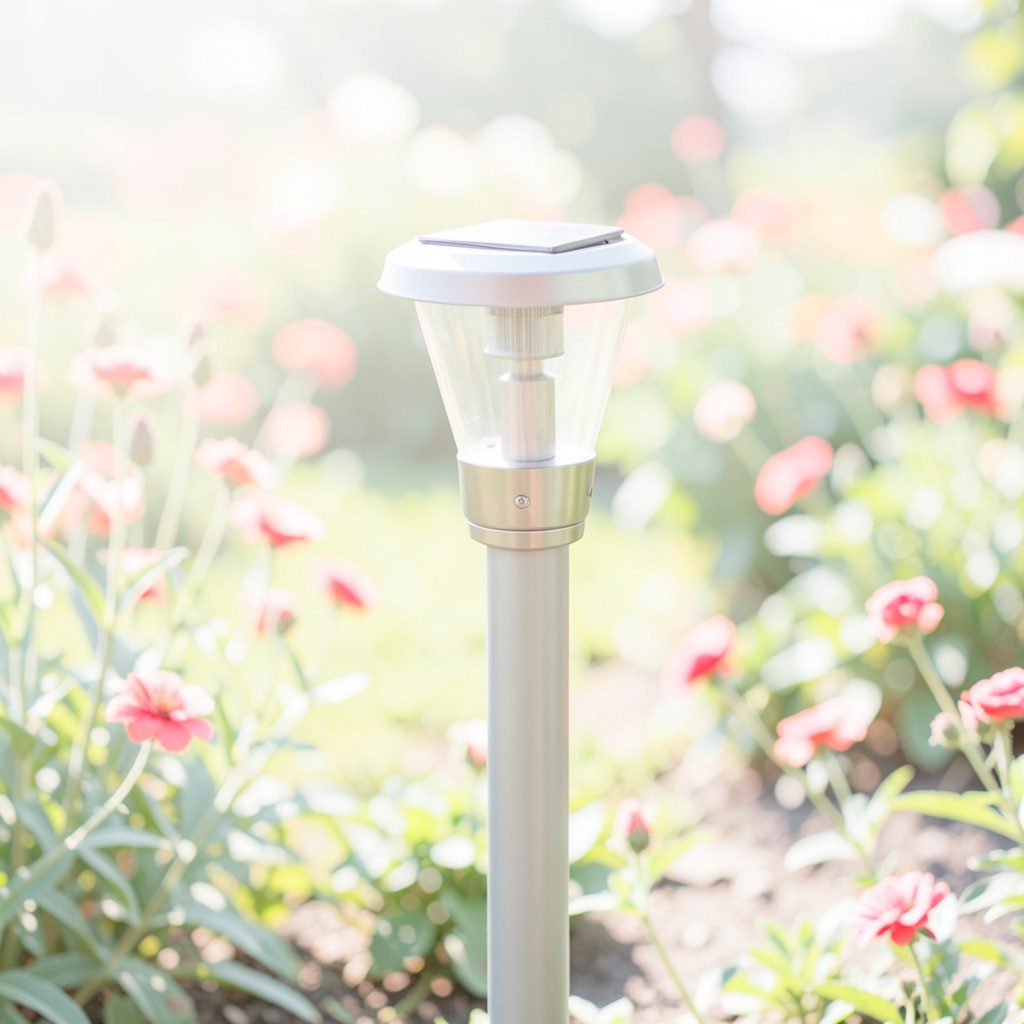
Solar lights are useful for pathways, garden beds, and areas that are difficult to wire. In Sydney, Brisbane, or Perth, long summer daylight can provide enough charge for many evening displays, although several overcast days may reduce performance. Look for larger solar panels, replaceable batteries, and an automatic dusk sensor rather than choosing solely on appearance. More inspiration for positioning and style can be found in these outdoor lighting ideas.
Build Layers Around Entertaining Spaces
A festive garden looks more polished when lighting is arranged in layers. Ambient lighting provides a soft overall glow, task lighting helps people see steps and serving areas, and accent lighting draws attention to trees, pots, water features, or architectural details. Combining these roles prevents the display from becoming either too dim or excessively bright.
String lights are a natural choice for pergolas, verandas, and balconies. Drape them in gentle lines across a roof structure, wrap them around a sturdy tree trunk, or frame a doorway without pulling tightly on branches. Lanterns and portable LED lamps can be moved as guests arrive, making them useful for homes that host gatherings in different parts of the garden.
Festive Lighting Checklist
Shopping essentials
- Choose outdoor-rated products with a clear IP rating, especially for exposed areas.
- Select warm white LEDs for relaxed entertaining and coloured lights for playful displays.
- Check cable length, plug position, solar-panel reach, and replacement-bulb availability.
- Prefer shatter-resistant acrylic or polycarbonate shades in homes with children or pets.
- Buy timers or smart plugs to control operating hours and reduce unnecessary power use.
Placement essentials
- Mark steps, path edges, and changes in level with low-glare lighting.
- Keep bright lights away from neighbouring windows and bedroom areas.
- Use several small sources instead of one powerful floodlight for a softer effect.
- Leave solar panels clear of shade from fences, umbrellas, and dense foliage.
- Secure cables against wind, foot traffic, lawnmowers, and curious pets.
Match Colour To The Celebration
Colour temperature sets the emotional tone of an outdoor display. Warm white suits traditional Christmas decorating, gold accents, and natural greenery. Red and green can create a classic seasonal effect, while amber, purple, or soft pink may suit a birthday or New Year setting. Multicolour strands are cheerful, but they are usually best used as a focused feature rather than across the entire property.
Consider how the lights will look against existing decorations. A garden filled with bright red bows, reflective ornaments, and coloured inflatables may become visually crowded if every lamp changes colour. A restrained scheme, such as warm white around the patio with red accents along a fence, often appears more considered. Lighting also works alongside music, food, and adult entertainment; for broader evening planning, a casino bonus guide belongs in a separate activity area rather than competing with the garden’s visual atmosphere.
Use Solar And Mains Power Wisely
Solar garden lights are simple to install and avoid extension cords across grass, which makes them popular for Australian pathways and rental properties. Their output is generally modest, so they are best for edging, low planting, and decorative accents. Place the panel where it receives direct sunlight, then clean it occasionally to remove dust, pollen, and bird deposits.
Mains-powered LEDs are more dependable when you need consistent brightness throughout a long evening. They suit larger displays, covered entertaining spaces, and areas shaded by established trees or buildings. Outdoor extension leads should be rated for exterior use, connections should be protected from puddles, and cords should never be buried casually or placed where they can be damaged by garden tools.
For pergolas, workshops, garages, and covered terraces, LED tube fixtures can provide practical illumination while decorative lights create the festive layer. These LED tube options are useful when the same area needs to function as a workspace before or after a celebration, although they should be selected and installed according to the fitting and local electrical requirements.
Make Safety And Maintenance Part Of The Display
Outdoor lights should carry appropriate Australian and New Zealand compliance markings and be designed for the conditions in which they will operate. An indoor-rated string light is not suitable for an exposed balcony simply because its plug reaches an outdoor socket. Check the packaging, inspect insulation before use, and replace damaged strands instead of taping over split cables.
Bushfire-prone areas require additional care. Keep lights, transformers, and cables away from dry mulch, fallen leaves, paper decorations, and flammable garden structures. In regions affected by summer storms, unplug non-essential decorative lighting when severe weather approaches. Coastal households around Adelaide, Melbourne’s bayside suburbs, or coastal Queensland may also need to rinse salt residue from fittings and choose corrosion-resistant materials.
Timers reduce the chance that lights will remain on all night, while smart plugs can make a display easier to control during holidays away from home. Clean lenses and solar panels before the festive period, tighten loose stakes, and check that hanging strands have not sagged into walkways. A short maintenance check can preserve both appearance and safety.
Plan A Display That Lasts Through The Season
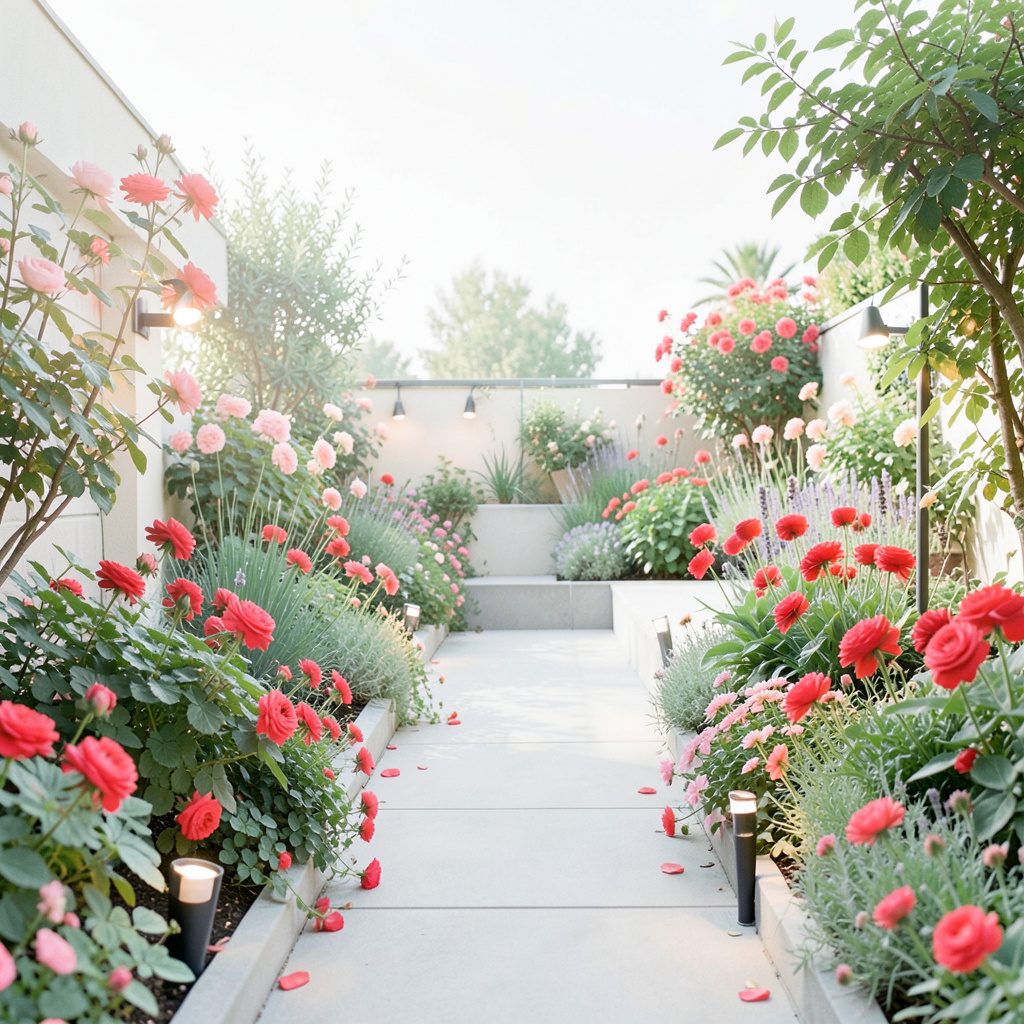
The ideal arrangement begins with the areas people use most. Light the route from the driveway or gate to the entrance, then give the main entertaining zone the strongest decorative treatment. A few uplights can highlight a feature tree, while low bollards or path lights help define movement without shining directly into people’s eyes.
Australian celebrations often extend outdoors because December falls in summer. In Melbourne, a covered patio may need flexible lighting for a warm afternoon and a cool evening; in Darwin or Brisbane, ventilation and weather-resistant fittings matter during humid conditions. In Canberra and inland areas, secure lightweight decorations carefully because gusty weather can turn loose strands into hazards. A display should also respect neighbours, particularly in closely settled suburbs.
Start with a simple sketch showing the power outlet, seating, paths, trees, and decorations. Measure the distances before shopping, choose one main colour temperature, and buy a small sample strand to test after dark. The concrete next step is to mark the patio, entrance path, and feature tree on paper, then measure each area before selecting the first outdoor light set.