Featured Topics
LED Tube Lights for Under Eaves and Overhangs
Australia's love of outdoor living turns eaves, soffits, and patio overhangs into architectural features worth highlighting. From a renovated Queenslander in Brisbane to a contemporary build in Perth, the space beneath an overhang is a transitional zone between interior comfort and the garden. Adding the right linear lighting there extends usable hours well past sunset, especially during long Sydney summers when the deck stays busy until the mozzies arrive.
Tube-style fixtures, sometimes called baton or strip lights, slot neatly into the shadowed recess of a fascia or the underside of a patio roof. Their slim profile keeps the look architectural rather than utilitarian, and modern LED technology means they sip power while throwing a generous wash of light across a deck, barbecue bench, or front entry. The result is a calm, even glow that softens the harsh shadows typical of downlights alone.
Lighting the Hidden Architecture of the Home
Many Australian homes rely on eaves and overhangs for more than decorative trim. In a Melbourne terrace, the eave shields double-hung windows from driving winter rain. In a Darwin build, deep soffits cut the tropical glare. These recesses already do important work, so the lighting layered underneath should respect their shape rather than fight it.
A continuous run of tubing visually lengthens a roofline and draws the eye along the facade, which suits long, low-set suburban homes in Adelaide or Cairns. The same effect works on a freestanding pergola, where the fixture follows the beam to create a defined ceiling of light. Designers often treat the overhang as a fifth wall, glowing softly to make the entire outdoor room feel enclosed after dark.
Choosing a diffuser with a wide beam angle means the light spreads across the pergola roof rather than pooling in a single spot. This helps in homes with high ceilings, such as the soaring alfresco spaces common in new builds across the Gold Coast. When the glow is even, people relax more easily, conversation flows, and the room reads as deliberate.
Colour Temperature and Brightness in the Australian Light
The Australian sun is intensely bright, and that bleeds into how artificial light feels once the sky darkens. A cool 4000K tube can read as clinical against a timber deck, while a warmer 2700K or 3000K option blends with the honey tones of spotted gum or merbau. For most eaves lighting, warm white feels closer to the golden hour that Australians prefer for entertaining.
Brightness should match the task. A subtle 400 to 600 lumen strip washes a small entry soffit, while a long overhang over an outdoor kitchen might call for 1200 lumens or more. Dimmable drivers add flexibility, letting hosts drop the level for a quiet dinner or raise it during a backyard cricket match that runs past dark.
Colour rendering matters more than people expect. Fixtures with a CRI of 90 or above show skin tones, food, and foliage accurately, which is why designers specify higher-grade tubes for alfresco dining areas. The difference becomes obvious the first time someone complains about looking green under cheap LEDs beside a leafy garden bed.
Weatherproofing, IP Ratings, and the Coastal Reality
Australia throws everything at outdoor fixtures: salt spray in Fremantle, sudden downpours in Townsville, dust storms in western New South Wales. Any tube light fitted under an eave should carry at least an IP65 rating, meaning it is fully sealed against dust and low-pressure water jets. Under a deep overhang, IP44 may suffice, but exposed coastal installs benefit from IP66 or higher.
Salt air is the silent killer of cheap aluminium housings. In homes within a few hundred metres of the surf, look for marine-grade 316 stainless steel brackets or anodised aluminium bodies. Powder-coated finishes in charcoal or black tend to age more gracefully than white, which shows salt crusting and mildew. A simple wipe-down every few months keeps the fittings looking new through the worst of a Bondi winter.
Bushfire-prone zones add another layer of complexity. In areas designated BAL-29 to BAL-40, lighting fixtures must be sealed against ember entry, and any cabling should run through metal conduit. The designs section of a reputable lighting studio often shows how tube lights can be paired with sealed junction boxes to meet these rules without sacrificing style.
Installation Rules and Australian Standards
A licensed electrician is required for any hardwired 240V installation in Australia, and the work must comply with AS/NZS 3000, the wiring rules. DIYers can legally swap like-for-like drivers or replace a faulty transformer, but anything involving mains cable must be signed off. This protects insurance claims and keeps the install compliant when the home is sold.
Common installation rules for tube lights under eaves include:
- Mounting the driver in a ventilated, accessible spot, never inside a sealed roof cavity
- Keeping low-voltage cable runs short to avoid voltage drop across long stretches
- Using UV-stable cable ties and clips, not plastic ones that crumble after one Queensland summer
- Sealing any penetrations through the fascia with neutral-cure silicone to stop water tracking back into the roof space
Before booking the sparky, photograph the eave and measure the run. Most tube lights come in 600mm, 1200mm, and 1500mm lengths, and joiners allow neat corners. A quick sketch showing power entry, driver location, and switch position saves an extra site visit and keeps the bill honest, which matters when sourcing drivers and diffusers through trade counters at Bunnings or Beacon Lighting.
Solar and Hardwired Options Worth Considering
Hardwired LED tubes remain the gold standard for permanent installations. They switch on with the existing patio circuit, dim cleanly, and run all night without a worry. In new builds around western Sydney or the northern fringes of Melbourne, electricians routinely pre-run a neutral wire to the eave so future lighting is a simple add-on.
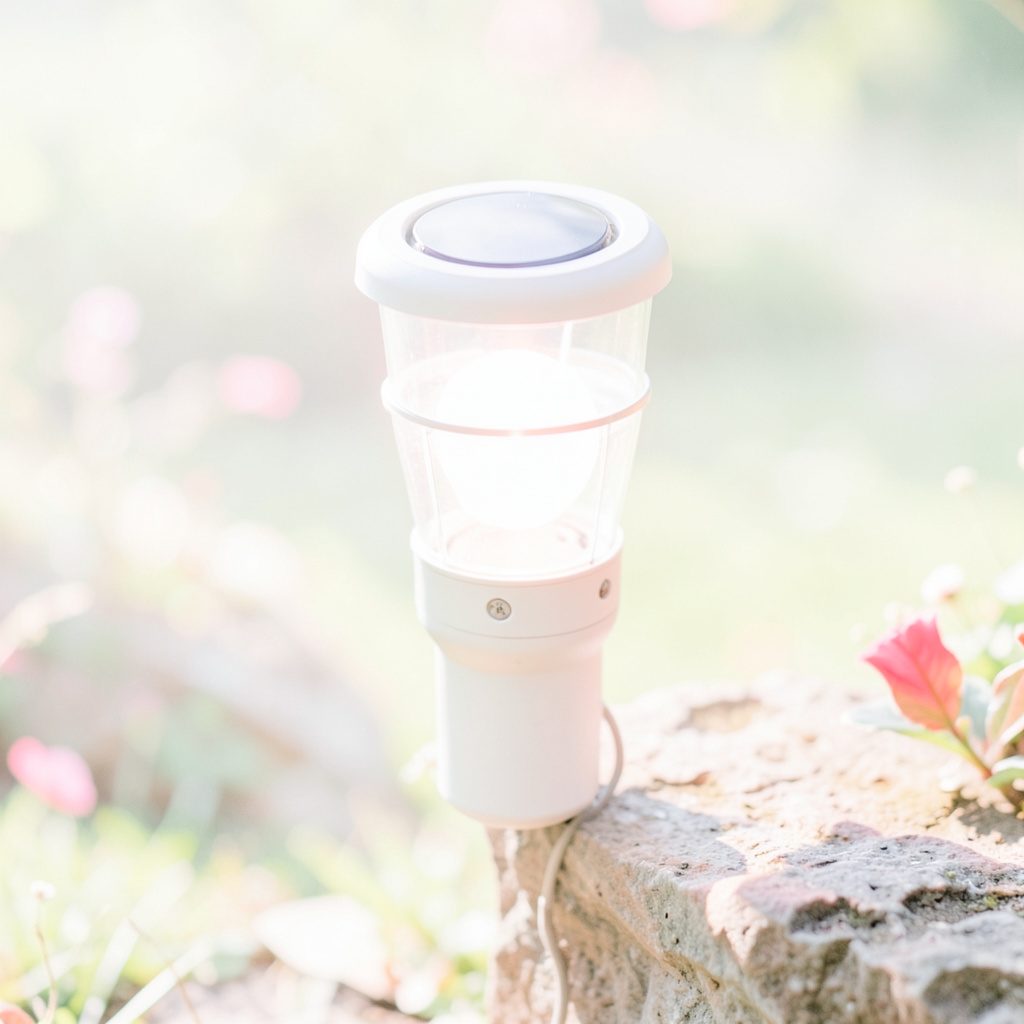
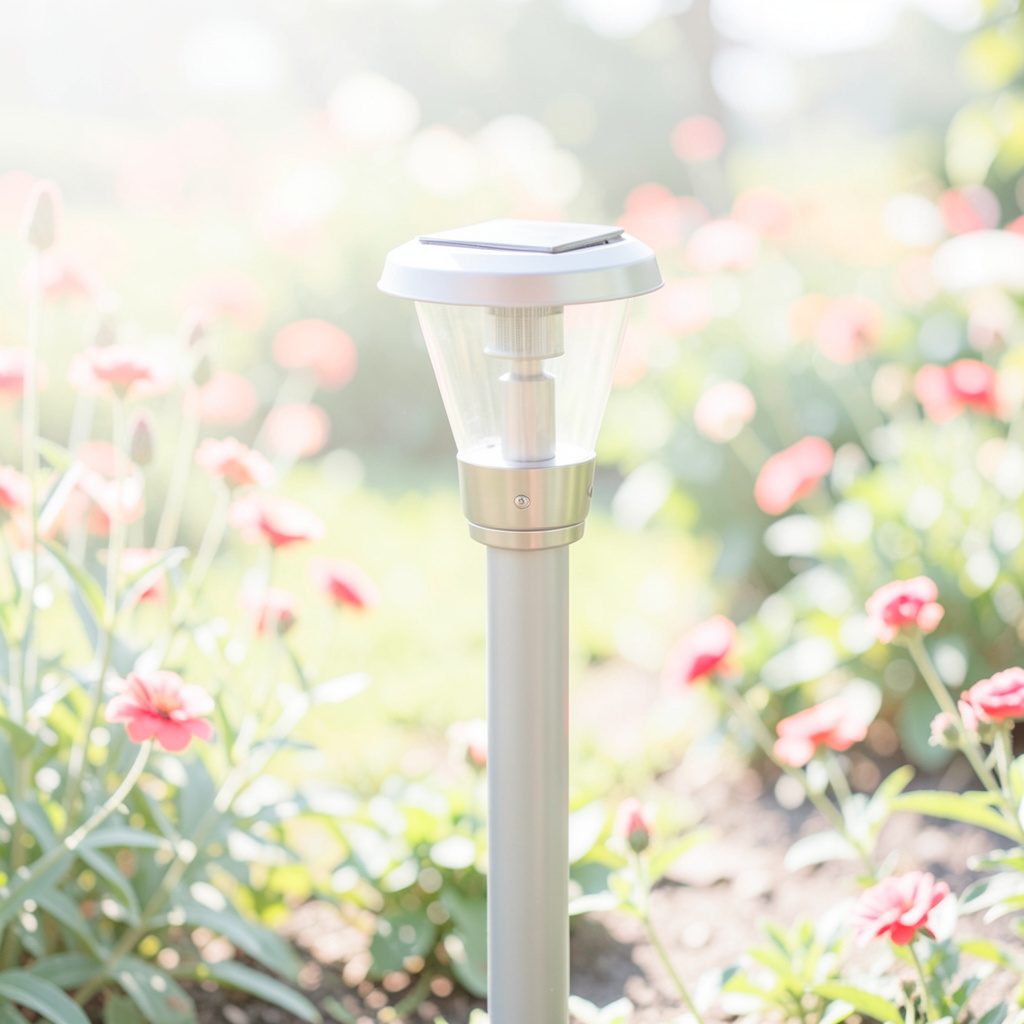
Solar-powered tubes have improved, but they suit secondary applications best. A north-facing eave with several hours of direct sun can support a solar baton for ambient glow along a pathway or as a soft nightlight over a side gate. For primary entertaining lighting, expect reduced output on cloudy days and shorter runtimes in winter, particularly in Hobart or Ballarat where solar angles are lower.
A useful middle path is a plug-in 24V system with a small driver hidden in the roof space. These are legal for DIY installation when plugged into a standard outdoor power point, and they can be unplugged during renovations. For Australian installers looking at broader project references, the epi-light showcase collects recent residential and hospitality work from across the country.
Placement Patterns That Actually Work
How a tube is positioned under an eave changes the entire mood of an outdoor space. Some of the most reliable patterns used by Australian landscape designers include:
- Centred along the fascia for a clean architectural line
- Tucked into the junction between beam and ceiling for an indirect cove effect
- Stepped in short lengths above a series of posts to echo the structural rhythm
- Angled slightly downward at the ends to soften the transition into garden plantings
In a coastal home in Noosa, designers often recess the tube into a custom aluminium channel painted to match the ceiling, hiding the fixture almost entirely. In a heritage home in Adelaide's eastern suburbs, surface-mounted opal tubes are chosen so the fitting itself reads as part of the traditional detailing rather than a modern intrusion.
When lighting a water feature nearby, a separate planning approach is required because reflections behave differently from solid surfaces. A useful primer on how to light a water feature explains why underwater-rated fittings and careful aiming matter for ponds and pools beside a lit eave.
Pairing Eave Lighting with the Rest of the Garden
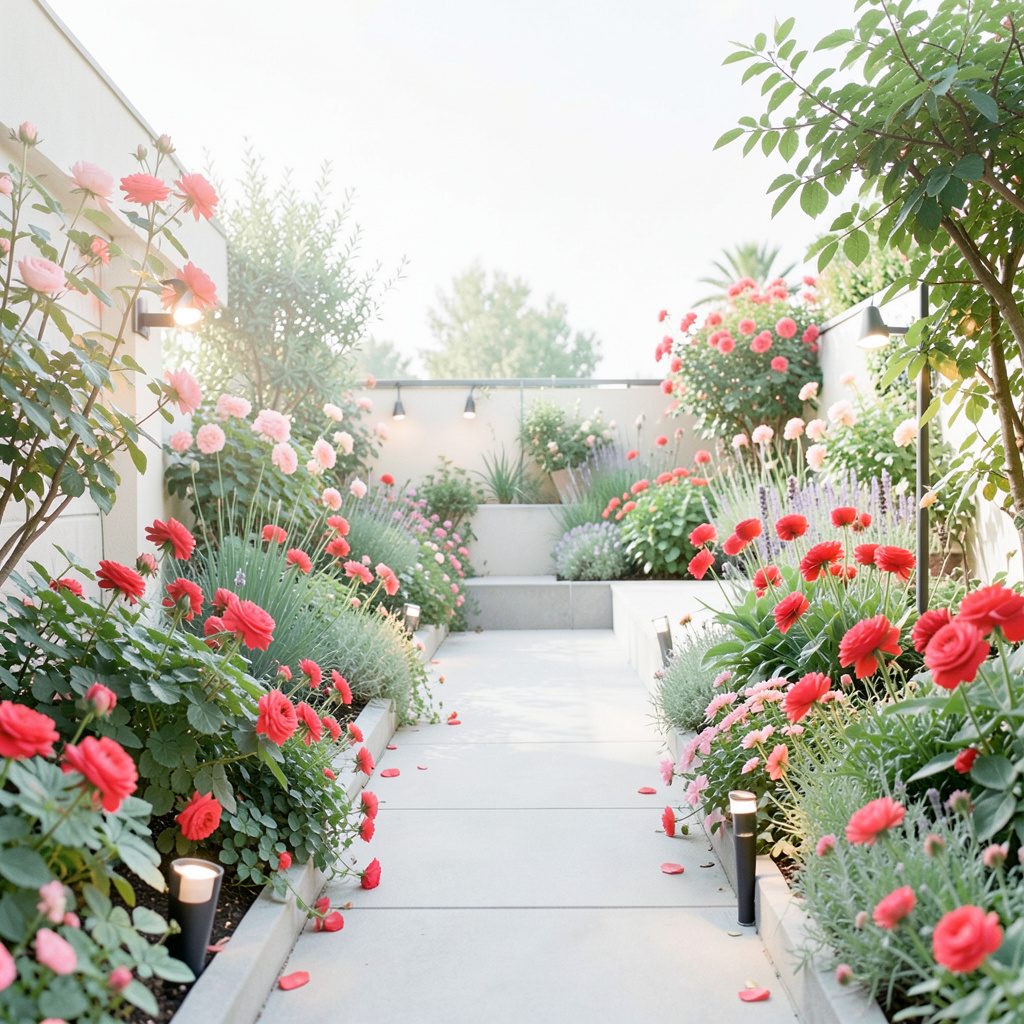
Tube lights under eaves do their best work when the rest of the landscape tells the same story. A warm wash from the soffit should land on materials that hold that colour well, such as sandstone, timber decking, and leafy mid-green plants. Cool white, by contrast, flatters grey concrete, agapanthus foliage, and galvanised steel planters.
Pathway lights, spike spots, and in-ground uplights can be layered beneath the eave glow to create depth. Avoid aiming fixtures straight at the house, which flattens the facade and washes out the architectural detail. Instead, cross-light from two directions, using a tube above and a low-level spike below to sculpt the space.
A small piece of practical advice: when planning the wider garden upgrade, sort out mower pass widths and deck sizes early so the lighting cable runs do not collide with future landscaping. The breakdown of right mower deck size helps avoid ripping up freshly laid turf or pavers to bury a new line.
Begin with a single 1200mm tube centred over the most-used outdoor area, such as the barbecue bench or a small bistro setting. Run it on a warm 3000K output at around 800 lumens, hardwired through a licensed electrician and switched from inside. Once that single line is in place and lived with for a month, the next decision about length, dimming, or solar backup becomes far easier to make with confidence.