Featured Topics

The Best Outdoor Lights for a Tropical Garden Theme
A tropical garden should feel lush after sunset, with light filtering through palms, highlighting broad leaves and guiding guests between entertaining areas. The right outdoor lighting creates warmth without flattening the garden into a brightly lit display. Soft glows, concealed fixtures and carefully aimed beams usually suit tropical planting better than harsh white floodlights. Learn more about Indiepict.com.
Australian gardens offer plenty of opportunities for this style. A Brisbane courtyard may need lighting that copes with humidity and summer storms, while a Sydney terrace might centre on an outdoor dining setting. In Perth, long dry summers make low-voltage efficiency and bushfire-conscious placement especially important. Across the country, solar and LED fittings are widely available through retailers such as Amazon, Bunnings and specialist garden suppliers.
Build A Layered Tropical Glow
The most convincing tropical lighting scheme uses several levels of brightness. Start with a gentle ambient glow around the patio or deck, then add feature lighting to palms, tree trunks, raised beds and textured foliage. Finally, include low-level path lights to make movement comfortable and safe.
Warm white LEDs between 2200K and 3000K generally work well with timber, terracotta, sandstone and lush green planting. Cooler blue-white lamps can make foliage appear stark and can feel more like security lighting than a relaxed garden setting. Dimmable fittings or lamps with multiple brightness modes are valuable when the area changes from quiet evenings to entertaining.
Avoid illuminating every plant. A few deliberate pools of light create depth, while dark areas allow the garden to retain its nighttime character. Place fittings so the source is hidden behind leaves, pots, edging or garden structures wherever possible.
Highlight Palms And Broad Foliage
Uplighting is one of the most effective techniques for a tropical landscape. Position a narrow-beam spotlight at the base of a palm, banana plant or bird of paradise, aiming upward through the leaves. The beam catches the plant’s structure and produces attractive shadows on nearby walls or fences.
For large palms, use a fixture with adjustable tilt and enough output to reach the canopy. Smaller garden beds can benefit from compact spike lights placed at different distances, rather than several lights lined up at identical angles. This gives the foliage a more natural, layered appearance.
Downlighting from a pergola, mature tree or eave can imitate moonlight. Keep the lamp shielded so the fitting is difficult to see from the seating area. In a coastal garden, choose corrosion-resistant materials because salt air can quickly dull poor-quality metalwork, particularly around homes in Sydney, Gold Coast and Perth coastal suburbs.
Use String Lights For Entertaining Areas
String lights suit tropical patios because they add a relaxed holiday feel without competing with dramatic plants. Drape them along a pergola, weave them through a balustrade or run them above an outdoor dining table. Bulbs with a warm tint are usually more flattering to skin tones and timber furniture than bright cool lamps.
When comparing designs, check the cable length, spacing between bulbs, replacement options and whether the solar panel can be positioned in full sun. A useful guide to solar string lights can help narrow the choice between decorative strands, heavy-duty festoon styles and compact fairy lights.
Features Worth Prioritising
- Warm white bulbs for a softer tropical ambience
- Weather-resistant cable and sealed bulb housings
- A separate solar panel with an adjustable mounting angle
- Automatic dusk-to-dawn operation
- Replaceable bulbs or accessible battery compartments
Solar string lights are convenient for garden beds and pergolas where running cable would be disruptive. Their performance can drop after several overcast days, especially in winter or in shaded courtyards, so use mains-powered or rechargeable options where reliable evening brightness matters.
Define Paths With Low-Level Light
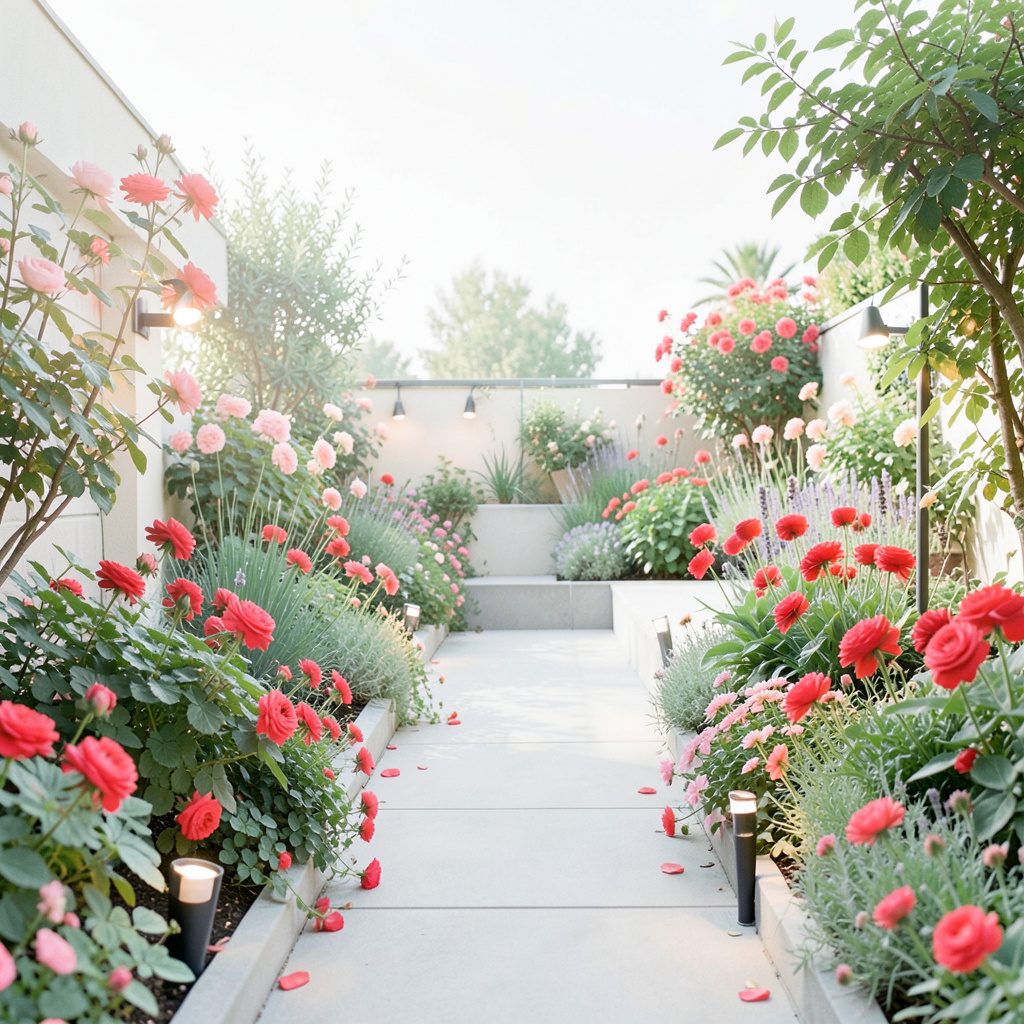
Pathway lighting should reveal changes in direction, steps and surface levels without shining directly into people’s eyes. Short bollards, recessed markers and small downward-facing spike lights are suitable for tropical garden paths made from pavers, gravel or stepping stones.
Space fittings unevenly when possible. A perfectly regular line can look commercial, while alternating positions create a softer residential effect. Keep lights close enough to overlap gently at corners, but avoid turning the entire path into a runway.
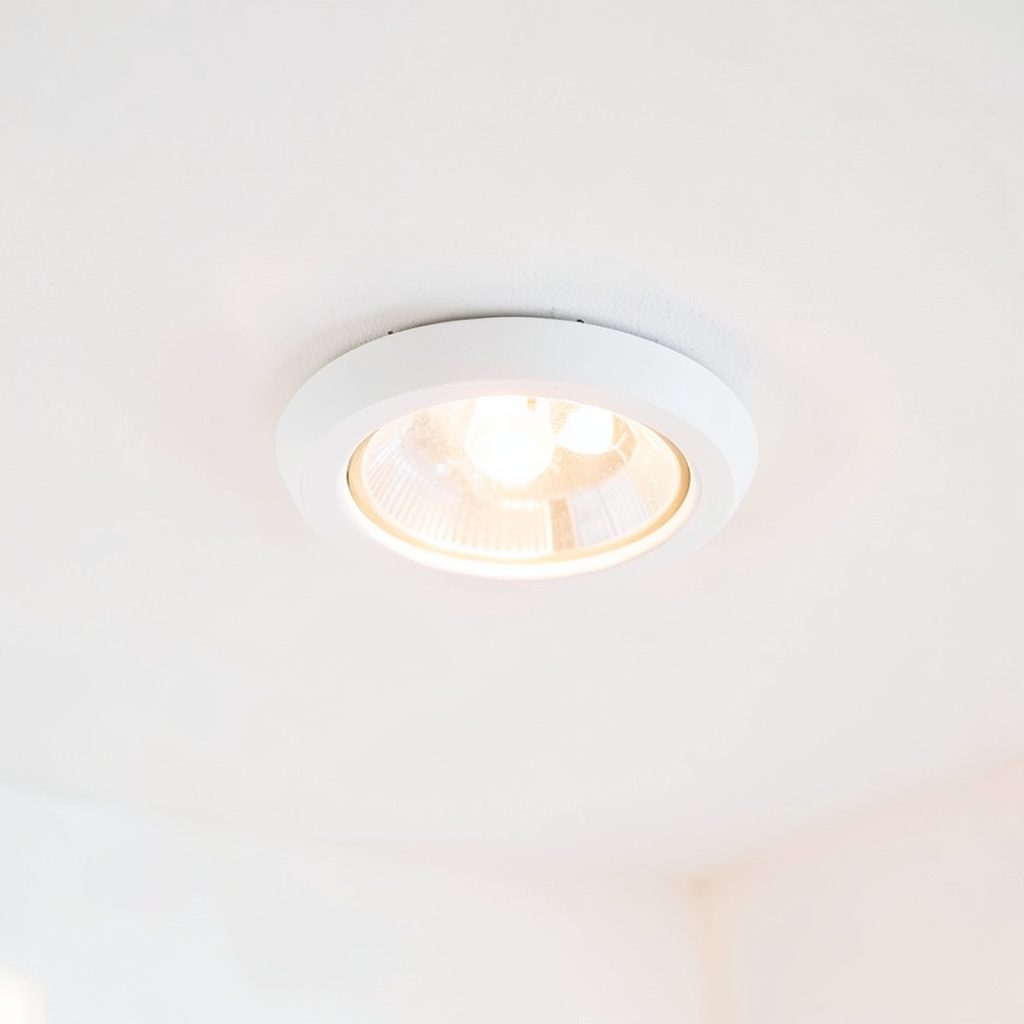
Recessed fittings can look especially polished beside pool surrounds, retaining walls and paved terraces. For inspiration on discreet ground-level fixtures, explore these in-ground LED lights. Select products rated for their installation location and make sure drainage is adequate before placing them in soil or areas that collect water.
A Simple Placement Guide
- Put low lights beside steps and changes in paving height
- Aim path beams downward rather than across the walkway
- Keep fixtures clear of mowing and edging routes
- Use wider spacing on straight paths and closer spacing near turns
- Highlight a feature plant at the end of a walkway
Add Light Around Water And Wet Zones
Pools, ponds and fountains reflect light beautifully, but bright fittings aimed directly at the water can create glare. A better approach is to light nearby palms, rocks or planting and let the water pick up a secondary reflection. Submersible lights should be selected specifically for aquatic use and installed according to Australian electrical requirements.
Around a pool, keep decorative cords and plug-in equipment well away from splash zones. Solar lanterns can work on a distant deck or garden table, while fixed low-voltage lighting is more suitable near steps and frequently used access points. In a tropical climate, inspect seals regularly because moisture, insects and leaf litter can shorten the life of exposed fittings.
A small pond can benefit from a concealed spotlight under a broad leaf or behind a rock. The goal is a glimmering surface and gentle silhouettes, not a brightly lit water feature that dominates the whole garden.
Choose Equipment For Australian Conditions
Outdoor lighting must cope with heat, heavy rain, dust and, in some regions, salt exposure. Look for a clear IP rating, UV-stable plastics, stainless or powder-coated components and sturdy ground stakes. An IP44 rating may suit sheltered areas, while more exposed locations often call for stronger protection against water and dust.
Solar lights are attractive for renters and garden projects that do not justify trenching, but panel placement determines their success. Brisbane’s summer cloud cover, dense canopy in tropical-style gardens and shaded southern-facing courtyards can all reduce charging time. Keep panels free from leaves and position them where they receive several hours of direct sunlight.
Electrical installations should be handled by a licensed electrician, especially around pools, permanent structures and mains-powered garden circuits. Consider timers, motion sensors or smart controls for security areas, while keeping decorative lighting on a separate schedule. Motion-activated lights can protect side gates and driveways without leaving the entire garden illuminated overnight.
Balance Atmosphere With Safety And Wildlife
Tropical planting attracts birds, insects and small animals, so avoid placing intense lights directly into nesting trees or dense habitat. Warm, low-intensity lamps are generally less disruptive than powerful cool-white beams. Timers that switch off after entertaining hours can reduce unnecessary light and give the garden a darker period overnight.
Use shielded fittings near neighbouring properties to prevent glare into bedrooms or windows. This is particularly important in compact Melbourne courtyards and tightly spaced inner-city homes. Check that cables are buried or secured, plugs are protected from weather and fittings cannot be easily knocked over by pets, children or garden maintenance.
Final Checks Before Installation
- Test the beam direction after dark from the main seating areas
- Confirm that no lamp shines into a neighbour’s home
- Keep cables away from sprinklers, mower paths and pool edges
- Check solar panels for shade from new growth and structures
- Photograph cable routes before covering or burying them
Create A Flexible Evening Setting
A tropical garden works best when lighting can shift with the occasion. Keep the main entertaining zone softly lit, make paths clear, and reserve brighter illumination for entrances, steps and security points. Portable lanterns or rechargeable table lights can add a temporary layer without committing to permanent fixtures.
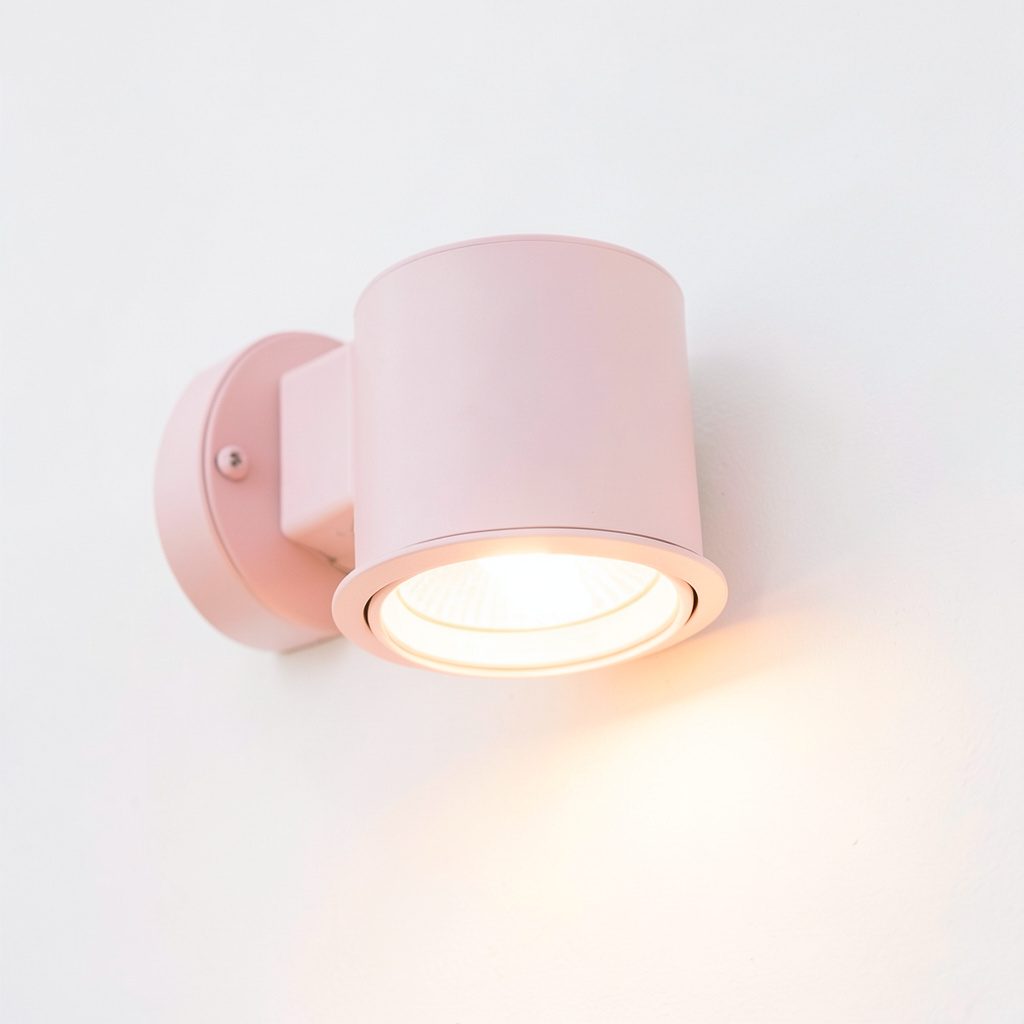
For a compact courtyard, combine wall-mounted downlights with two or three uplights aimed at architectural plants. Larger suburban gardens can use separate zones for the deck, pool, lawn and side path. This approach avoids the expense and visual clutter of fitting every area at once.
A strong shopping plan begins with a nighttime walk through the garden. Mark where people sit, where they walk, which plants deserve emphasis and where darkness feels comfortable. Then choose one ambient layer, one feature layer and one practical layer before purchasing fixtures. Begin by marking the locations of the seating area, steps and three feature plants this weekend.