Featured Topics

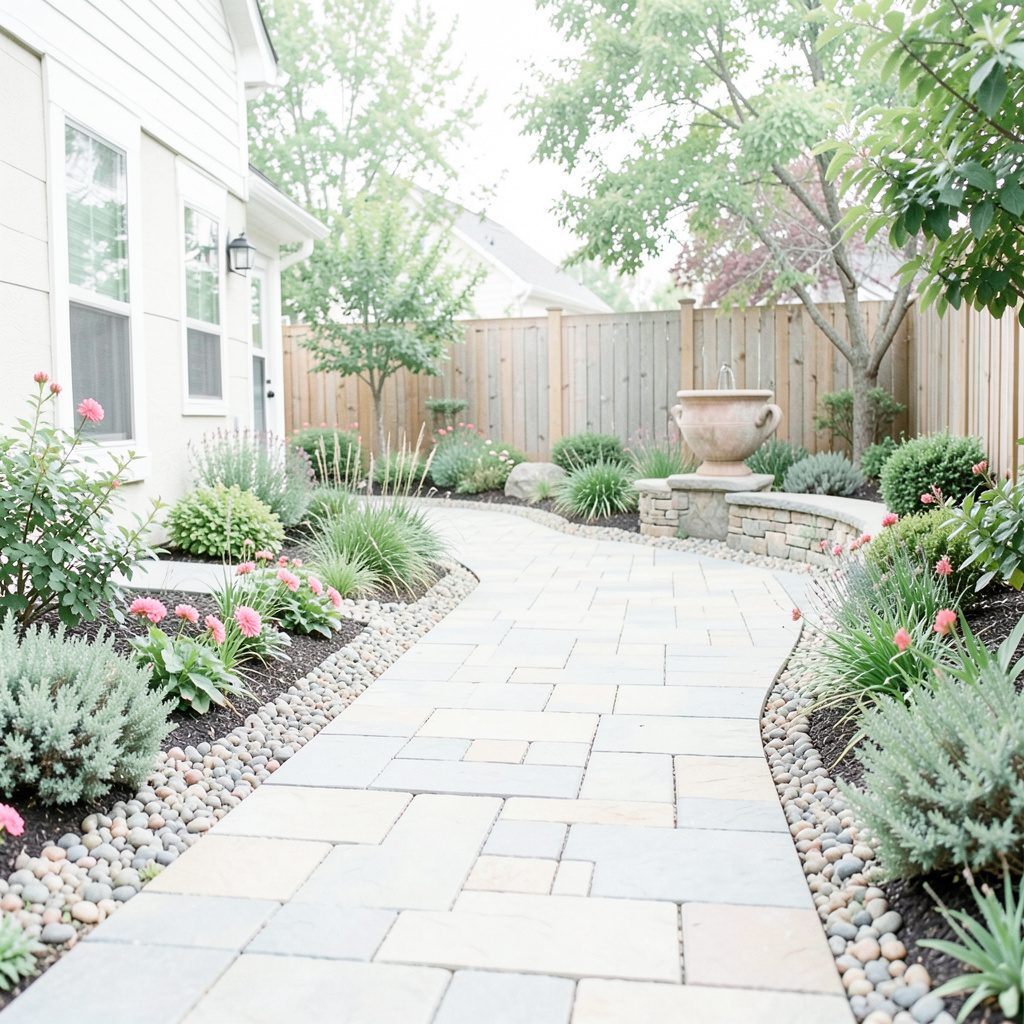
Hardwired Path Lights for Busy Walkways Across Australia
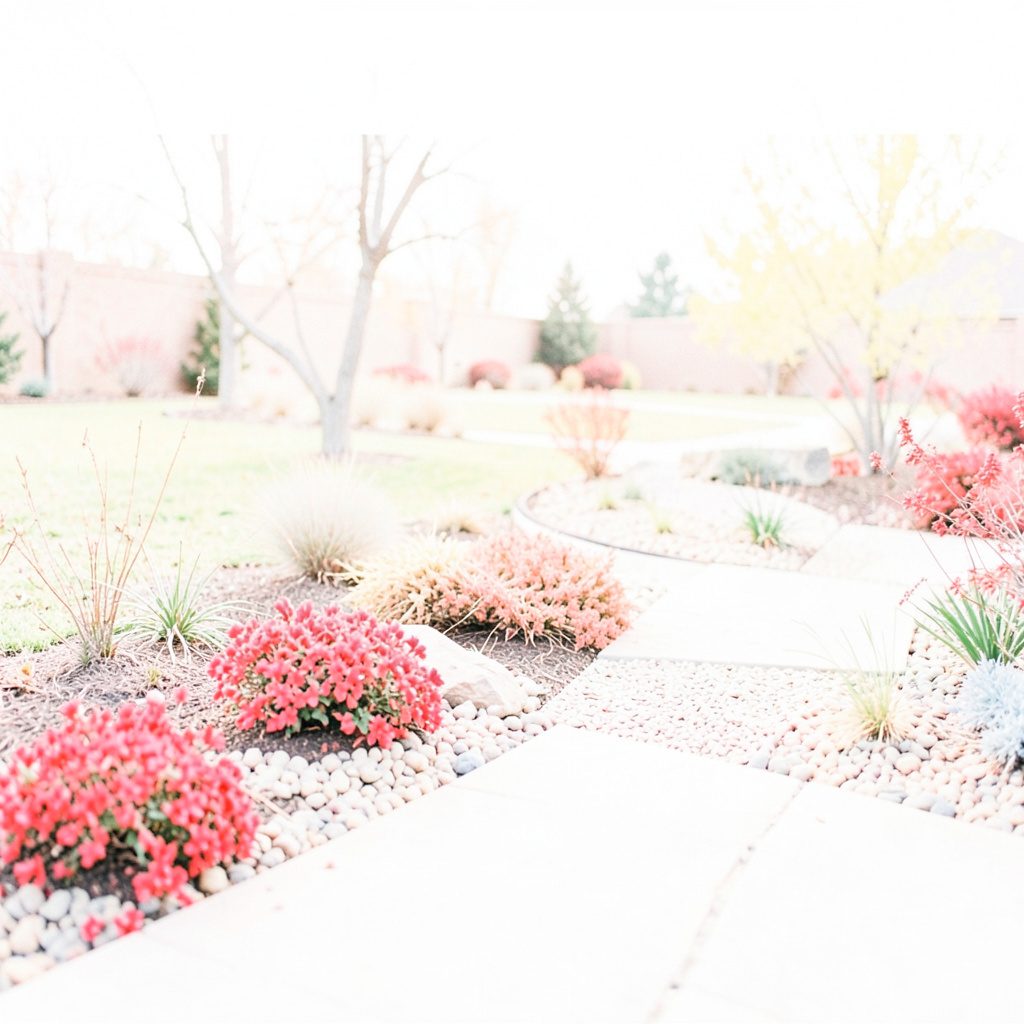
Some paths take a single careful step each day. Others carry a constant stream of feet: the gate to the front door, the paving beside the carport, the lawn shortcut a school run crosses twice every morning. Those are the places where a fitting that fades after six months on the driveway becomes a real trip hazard by the end of the first winter.
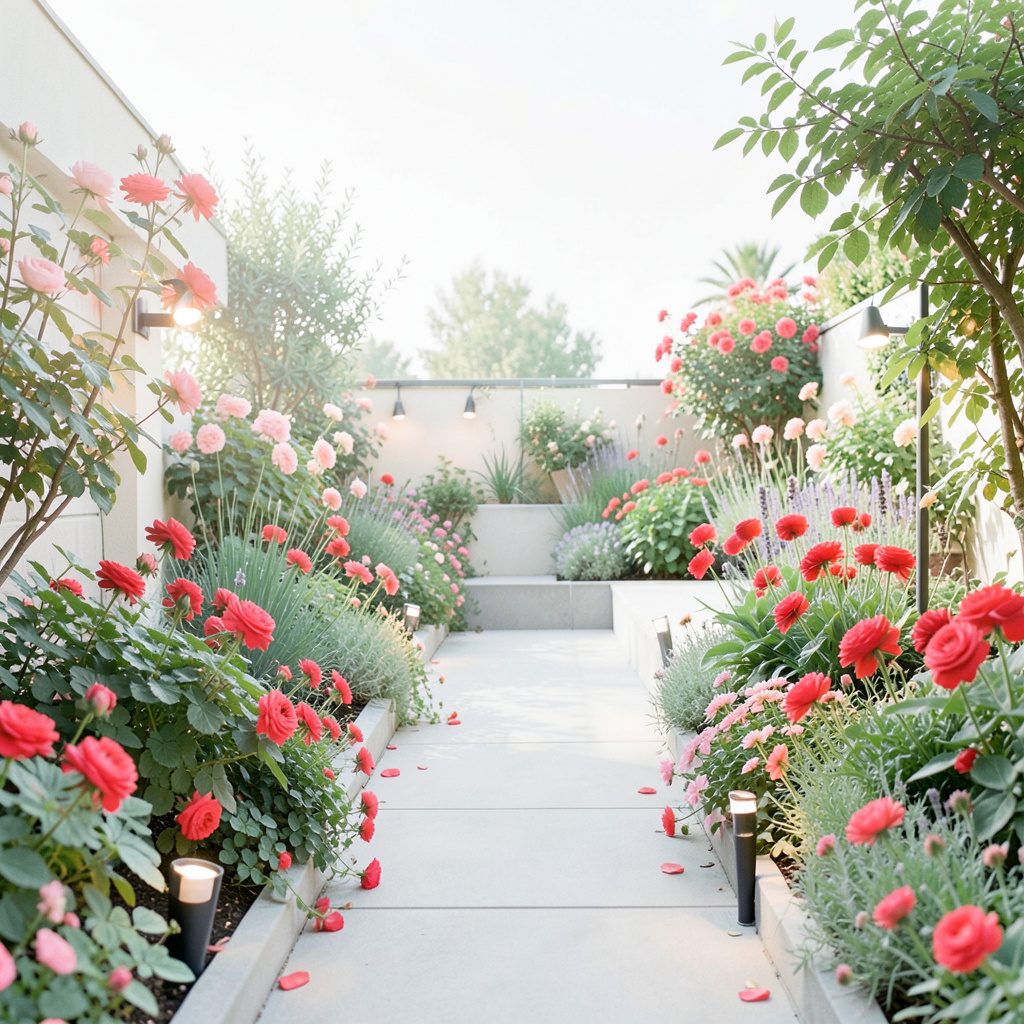
Hardwired path lights remain the more dependable answer for heavy traffic areas in Australia, and the reason has little to do with brightness. It comes down to power that does not quit, housings that survive a mower strike and cabling a licensed electrician can test, earth and certify. What follows covers what actually matters when specifying fittings for busy outdoor spaces, from system voltage and weatherproofing to the optics that keep neighbours on speaking terms.
Why hardwired lighting suits the paths people actually use
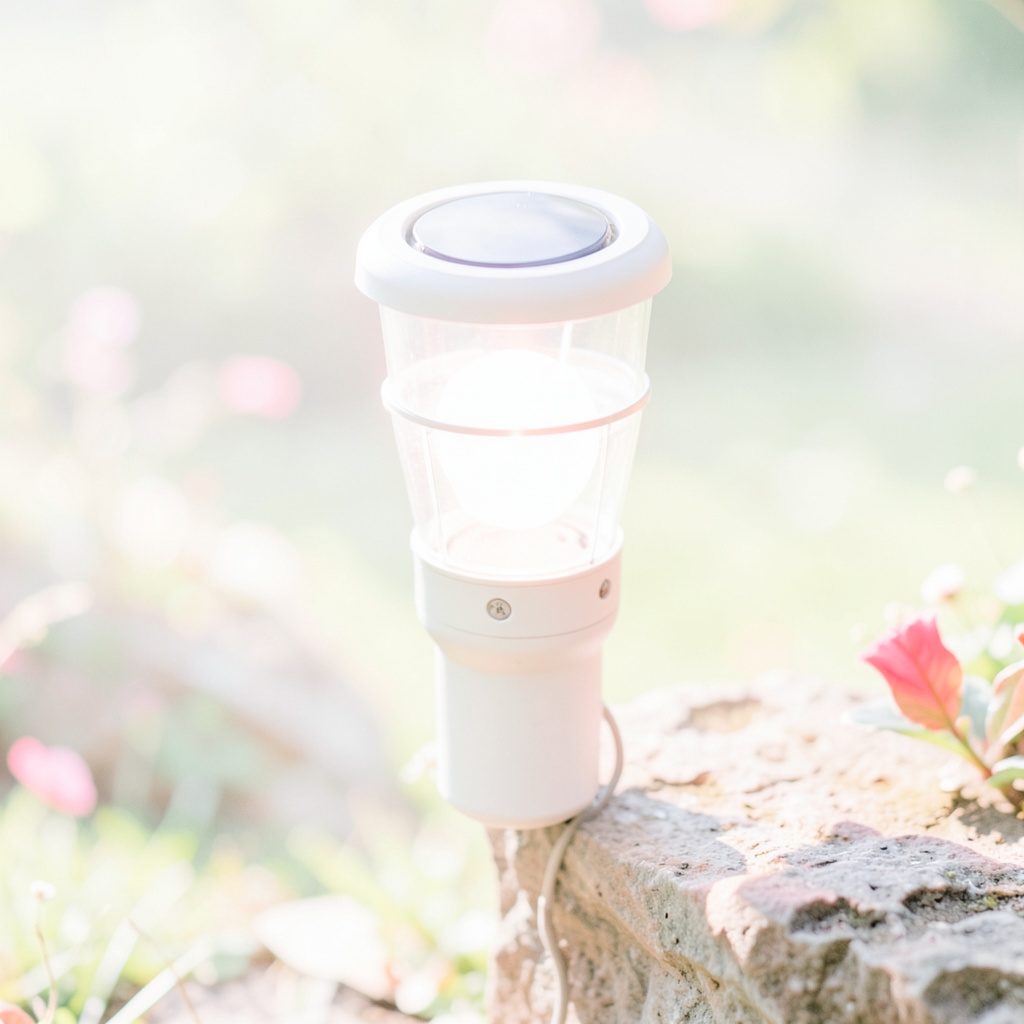
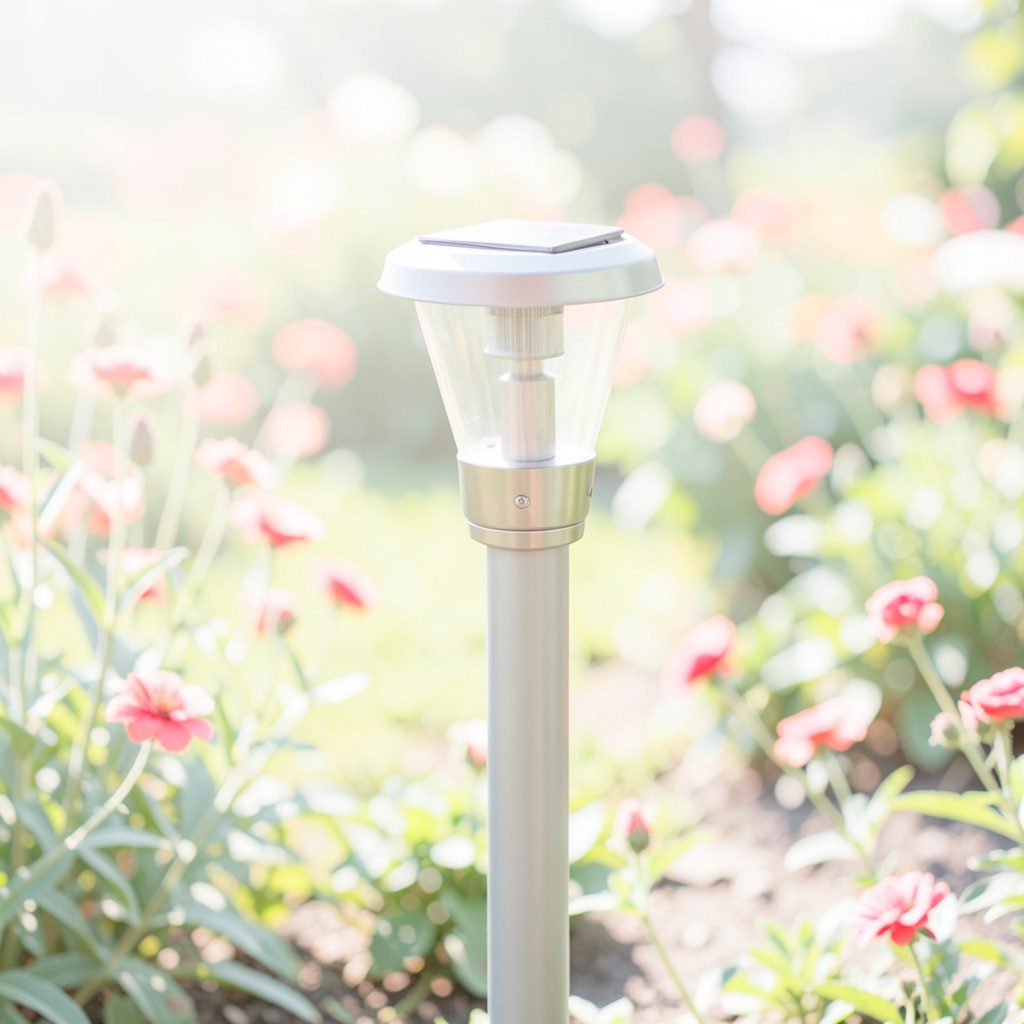
A solar fitting is a battery, a panel and a small array of LEDs. That arrangement is wonderful in a sheltered garden bed, and the category has improved enormously; changing solar garden lights are worth reading about if you follow the progress. Put the same product under a dense jacaranda, beside a Colorbond fence or on the shady side of a brick house, and the panel spends half the cycle charging nothing.
Hardwired lights remove that variable. A buried cable delivers the same current in July as in January, so a 2700K LED keeps its output through Melbourne's coldest week and Perth's hottest. There is no battery to swell in coastal humidity, no panel to clean after a dust storm, no charger left plugged in over summer. Where footfall is heavy and fittings get knocked, trodden or occasionally run over, the advantage compounds: the lights that stay lit are the ones with less to break.
Separating the two jobs makes buying simpler. Decorative accents and low-traffic borders suit solar or battery products, and you will find plenty at Bunnings, Mitre 10, Home Depot Australia or on Amazon.com.au. Paths that take footfall, prams, bins and deliveries deserve a mains-fed or properly installed low-voltage system with a warranty behind it.
Mains voltage or low voltage: matching the system to the site
Two options dominate. Consumer mains fittings run off the 230V supply, which means robust bodies, sealed cable entries and the shortest possible cable run. Low-voltage systems use a transformer to step 12V or 24V down, stretching further with heavier copper cable before voltage drop shows.
For a long suburban path with a transformer near the house, low voltage is usually more flexible. For a short run beside a front door, mains fittings are simpler to specify and easier to replace when a driver dies. Either way the cable is the expensive part: trenching under a path across a Sydney backyard can cost more than the lights themselves, so the circuit should be planned for expansion before the first shovel goes in.
Local electrical rules matter too. Anything beyond a plug-and-play product generally needs a licensed electrician, the work must comply with AS/NZS 3000, and circuit protection such as an RCBO belongs in the board rather than borrowed from an existing outlet. New South Wales and Victoria expect a certificate of electrical safety, Queensland has its own licensing and certification requirements, and an undocumented installation can complicate an insurance claim. Layered, zone-by-zone planning in the spirit of the purple stitch project also makes it easier to leave room for a second circuit later.
Coping with heat, rain, salt and wildlife
IP ratings do the heavy lifting on a spec sheet. IP65 means dust-tight and protected against jets of water; IP67 adds immersion. For a path beside a garden bed, IP65 is the practical floor, and IP67 earns its premium where sprinklers overspray or the fixture sits in a low, wet spot. Add an IK impact rating where the path runs beside a driveway, because a boot or a mower stone is a harder test than rain.
Materials decide how a fitting ages next. Marine-grade aluminium and stainless fixings shrug off Perth's dry heat and coastal salt air; thin pressed steel corrodes quickly within a few kilometres of the ocean. Polycarbonate lenses resist cracking but yellow under intense ultraviolet, so look for UV-stabilised diffusers or glass on paths with all-day western sun. Melbourne frosts and wet winters add leaf litter that settles against gaskets and traps moisture in the joint, while Brisbane's summer downpours test every seal at once.
Two Australian realities catch people out. In Melbourne's outer eastern suburbs and the Adelaide Hills, bushfire risk means fittings near a boundary wall should avoid combustible housings and exposed plastic. And wildlife keeps busy: possums investigate cables, wallabies push through low planting, and spiders rebuild webs across lenses within days of installation. A sealed body and a shielded lens reduce the temptation and the visibility.
What a decent path light specification looks like
Lumens rarely translate neatly into how a path feels. What matters is the lux landing on the walking surface, the beam angle that keeps light on paving instead of hedge, and the colour of the light itself. Warm white around 2700K to 3000K reads as residential and comfortable; cool 5000K can make a brick path look clinical. Look for a CRI of 80 or higher so the colour of a front door, a pot plant or a painted fence still reads true.
Neighbourly behaviour belongs in the specification as well. Shielded optics that throw light down and slightly forward cut upward glare and spill over fences, which is what turns a badly aimed path light into a source of complaints.
Signs the fitting is built for the job:
- Solid brass or marine-grade aluminium bodies with stainless fixings
- A stated IP65 or IP67 rating, sealed cable entry and replaceable gasket
- A driver with a published service life and readily available spares
- Photocell or microwave sensing rated for continuous outdoor operation
Signs it will disappoint:
- Unspecified lumen figures and long-life claims with no driver detail
- Clear or open lenses that spill light into neighbouring windows
- Flat glass lenses that crack under mower stones or repeated footfall
- No IP rating, or a vague outdoor-use badge standing in for one
Some paths lead to a deck rather than a driveway, and there the visual language can loosen. Where the brief is atmosphere rather than pure guidance, decorative pieces such as the solar lanterns for patios gathered here cover it well, provided the panels actually see sun.
Installing, testing and keeping the system running
The installation decides how the fixtures behave for their first five years. Path cable usually goes in around 300mm deep, deeper where it crosses trafficked ground or vehicle routes, laid on sand without sharp stones that can work through the insulation. A transformer needs ventilation and a location that stays dry, because a damp box in a Sydney garden fails slowly. Planning access and drainage costs little now and a great deal to retrofit.
Commissioning on a midwinter evening is the honest test. Switch on at dusk, walk the path with the neighbours' permission, and look for dark patches, glare and hot spots rather than simply counting fittings. A photocell or timer runs the system only when needed, and motion sensing on a quiet stretch can cut running hours sharply. Trade suppliers such as Epi Light stock commercial-grade bodies, standard pole heights and replaceable drivers, which matters more than looks when one failed fitting means a dark path for weeks.
Maintenance is small when the hardware is right: wipe lenses twice a year, confirm gaskets are seated, trim foliage that blocks the sensor and replace a driver rather than the whole fitting. Keeping one spare driver, one photocell and a set of fixings in the garage solves most callouts outright.
The practical takeaway is straightforward. Specify IP65 or better, marine-grade metal and shielded warm-white optics with a stated driver warranty, let a licensed electrician size the cable, earthing and protection for the run, then commission the whole path on a winter evening. Do that and a well-chosen hardwired path light will still be guiding people to the front door long after the first set of solar batteries has been recycled.