Featured Topics

Solar Pathway Lights With Glass Panels: Pros And Cons
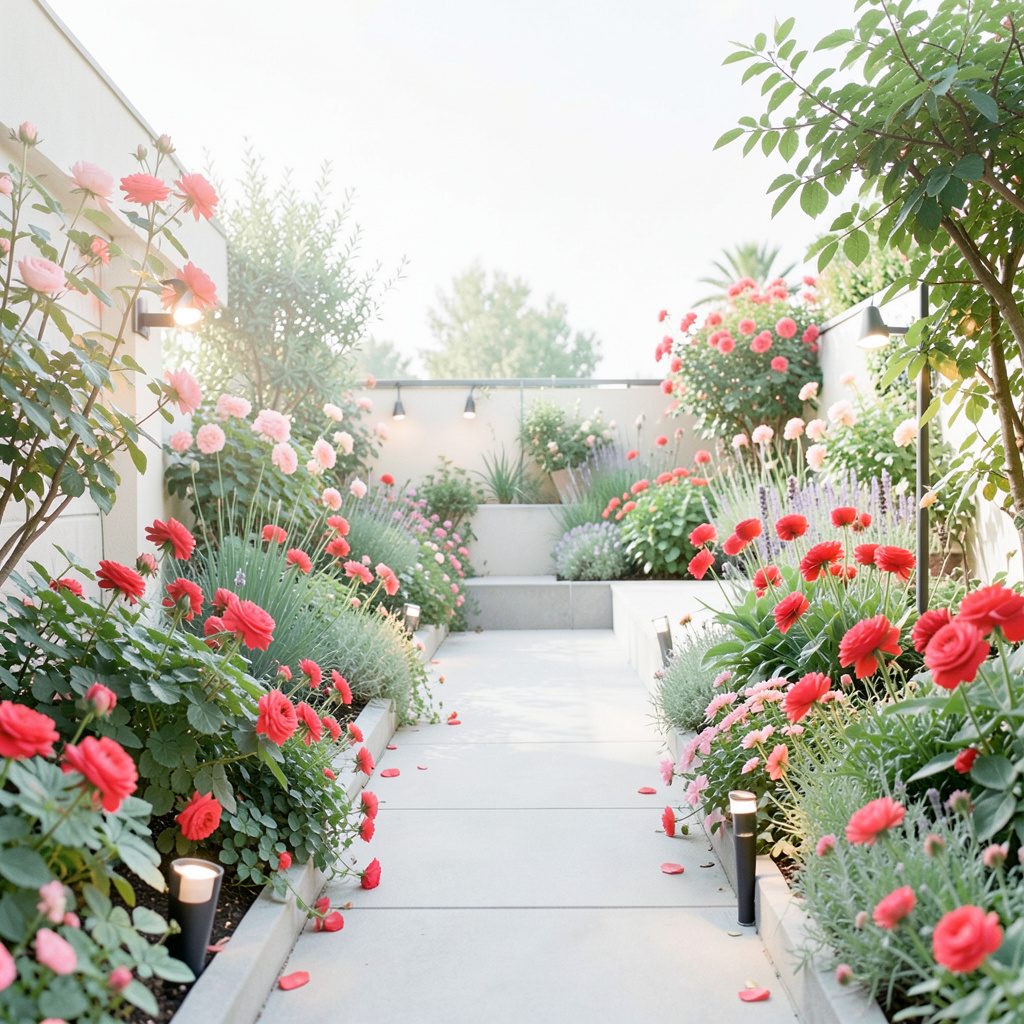
Solar pathway lights with glass panels bring a decorative touch to outdoor areas while providing low-voltage illumination without trenching or an electrician. Their appeal sits between practical landscape lighting and garden ornament: during the day, the glass catches sunlight, and after dark, a small LED casts a gentle glow along a path. Learn more about Welcome Bonus Slot Machines.
For Australian gardens, this combination can work particularly well. Many homes have sunny front gardens, broad entertaining areas and pathways linking a verandah, pool, shed or alfresco space. Solar fixtures also suit older properties where running new cabling through established lawns or paving would be inconvenient.
The main choice is whether visual character matters more than maximum brightness and long-term toughness. Clear, seeded or coloured glass can make a fitting look far more substantial than a plain plastic lamp, but it may need more care and can be less forgiving in harsh weather.
A good installation therefore depends on sunlight, drainage, foot traffic and expectations. These lights are usually best for marking an edge and improving atmosphere, rather than replacing powerful security lighting or dedicated step lights.
How Glass Panels Change The Look
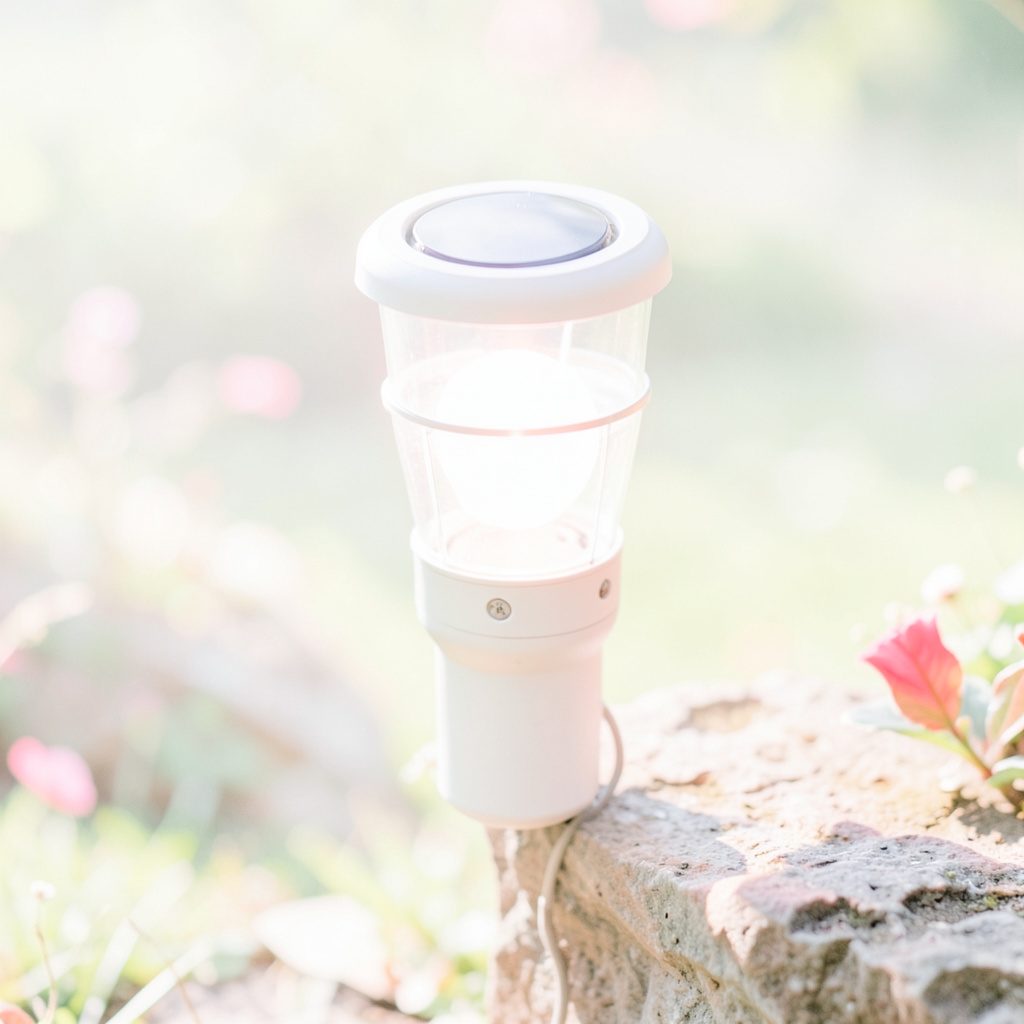
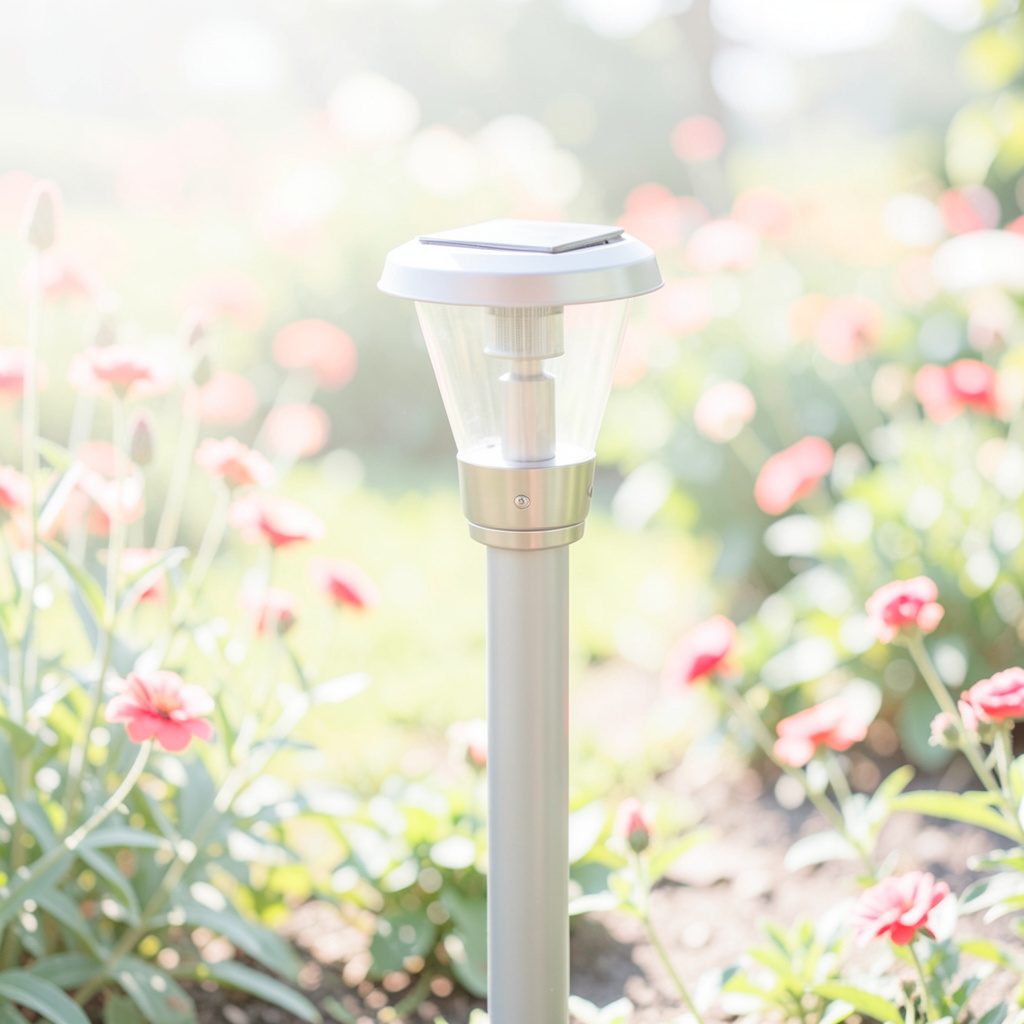
Glass panels create a softer, more textured effect than the smooth diffuser found on many basic solar stakes. Ribbed or seeded glass breaks up the LED’s small point of light, spreading it across the surrounding mulch, gravel or paving. In a cottage garden, this can complement flowering plants and stone borders without looking overly modern.
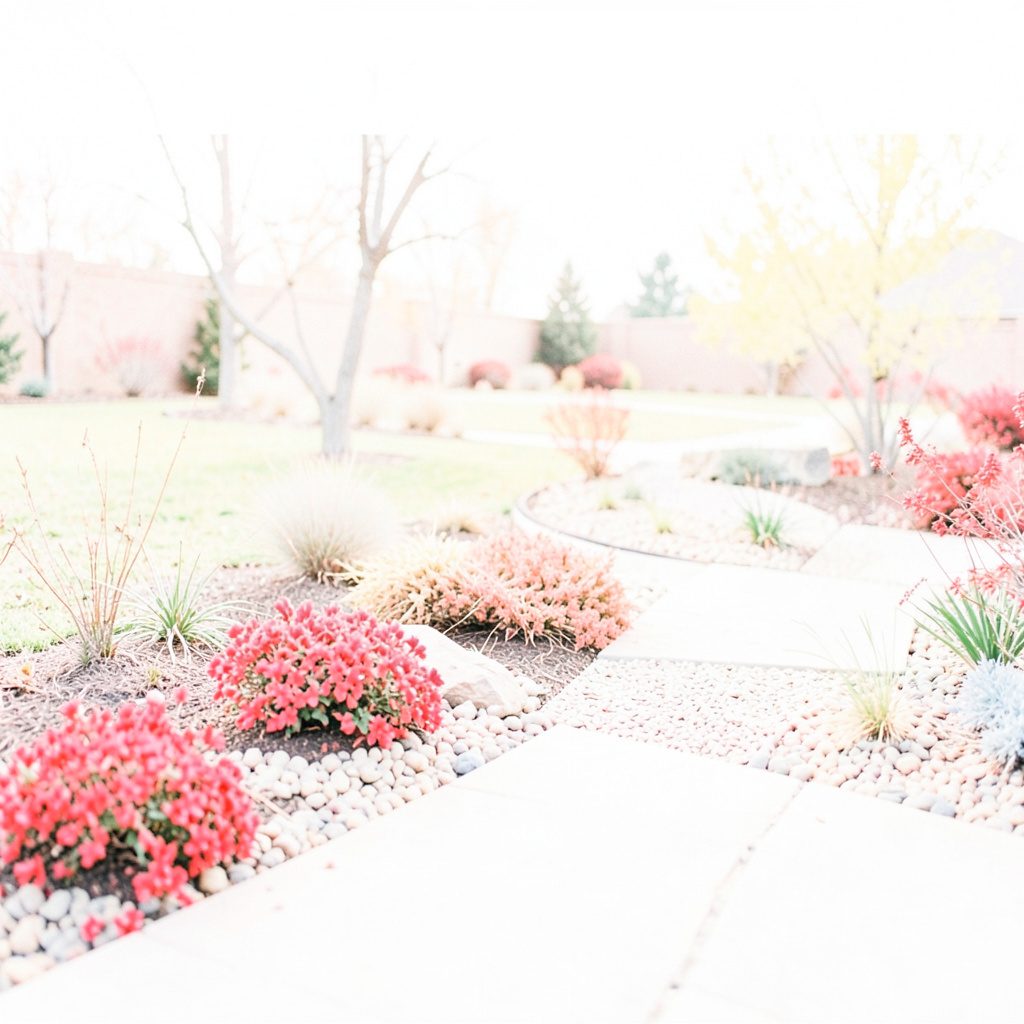
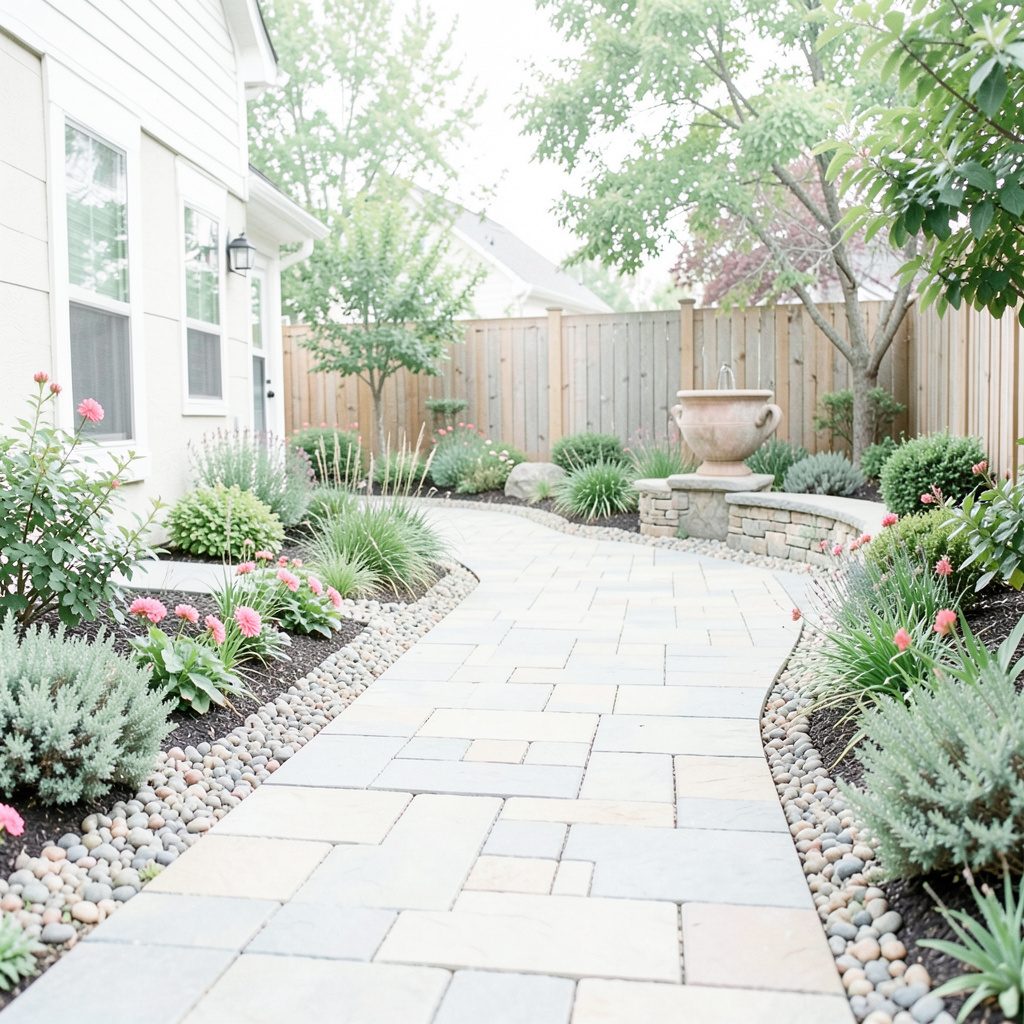
The fixture can also become part of the landscape during daylight. Black, bronze and brushed-metal housings pair easily with timber decking, sandstone and dark retaining walls. A cluster beside a winding path through a Melbourne backyard may feel decorative even when the batteries are not charging.
There is a trade-off between style and consistency. Glass may produce attractive patterns, yet each panel can refract light differently. If the goal is a uniform line of illumination, a frosted plastic lens or integrated LED bollard may look tidier. For design inspiration beyond stake lights, these LED deck rope lights show how concealed or linear illumination can create a more continuous glow around an entertaining area.
Advantages For Australian Gardens
The biggest benefit is installation simplicity. Solar pathway lamps generally arrive as self-contained units with a panel, rechargeable battery, LED and stake. They can be positioned beside a walkway without connecting to mains power, making them useful for renters, quick garden updates and properties where paving has already been completed.
Running costs are minimal after purchase. There is no additional electricity use, and modern LEDs consume little energy compared with older halogen garden lamps. A quality unit can switch on automatically at dusk, which is useful when guests arrive after sunset or when a front path needs a visible edge for deliveries.
Australia’s strong sunlight can support good charging, especially in Brisbane, Perth or regional New South Wales. However, “sunny country” does not mean every garden location receives enough direct light. A path beneath a dense gum tree, beside a tall fence or under a covered verandah may leave the panel undercharged by evening.
Summer conditions also expose materials to ultraviolet radiation, dust and heat. In bushfire-prone areas, dry leaf litter should not be allowed to build up around any light, wiring or battery compartment. Solar lighting is not a substitute for compliant outdoor electrical work, pool-area safety measures or proper security floodlights.
Drawbacks Worth Considering
The most common limitation is brightness. Small solar path lights are designed for ambience and orientation, not for lighting an entire driveway or revealing detail across a large lawn. Their output may look impressive in a product photograph but seem modest beside a bright porch fitting.
Runtime varies with season, cloud cover and battery age. Several overcast days in Hobart or a shaded winter garden can reduce illumination substantially. Some models advertise long runtimes under ideal test conditions, while real-world performance may be shorter when the panel receives only filtered light.
Glass is another point of concern. It can crack if a fitting is knocked by a mower, wheelbarrow or football. Hail, falling branches and accidental impacts are more serious risks than they would be with flexible plastic. Replacement glass panels may be difficult to source, so a damaged decorative light may need to be replaced as a complete unit.
Maintenance is modest but not absent. Dust, salt spray and insect residue reduce charging efficiency and dull the glass. Coastal properties around Newcastle, Adelaide or the Gold Coast should be checked for corrosion, particularly where the housing uses thin plated metal. Wiping the panel and lens periodically can make a noticeable difference.
Choosing Durable Materials And Features
Look for an outdoor rating suited to exposed conditions, with sealed joins around the battery compartment and switch. An IP rating is useful, although it should be considered alongside construction quality. A well-sealed light with stainless steel or powder-coated aluminium parts is generally a safer choice than a very light fitting with brittle plastic stakes.
Battery type matters as well. Replaceable rechargeable batteries can extend the useful life of the lamp, while sealed batteries may make disposal and replacement less convenient. Check whether the battery is a common size and whether the manufacturer provides replacement parts. A larger solar panel can also help maintain runtime during shorter winter days.
The stake should be strong enough for local soil. Sandy ground may need a deeper or wider support, while compacted clay can bend a thin spike during installation. Avoid hammering directly onto the glass or housing; loosen the soil first and press the stake in carefully. If a path runs close to lawn, position the fitting far enough back to avoid mower damage.
The contrast between materials is similar to choosing tools for garden work: a decorative finish does not automatically indicate strength. This comparison of steel tine options is a useful reminder that the underlying material and construction often matter more than surface appearance.
Getting The Placement And Light Right
Begin by observing the proposed area over a full day. Panels should face the strongest available sunlight, while the lamps should remain clear of shrubs that will grow across the path. Place them at a consistent distance from the walkway, but avoid creating a rigid airport-runway effect unless that suits the architecture.
Spacing depends on brightness and the desired mood. Wider gaps can create a relaxed garden rhythm, while closer spacing improves wayfinding along steps and uneven paving. For a narrow side passage, alternating lights from left to right often produces better coverage than placing every lamp in a straight line.
Warm white LEDs usually feel more inviting near timber, brick and planting. Cooler white light can improve visibility but may appear stark in a residential garden. Philips outdoor products are often considered when a more established lighting brand is preferred, while InnoGear-style solar options attract buyers seeking decorative variety and accessible pricing.
Retail availability deserves attention in Australia. Amazon Australia offers a broad range of solar stake lights, while Home Depot references may relate to overseas product lines rather than local stock, voltage or warranty support. Check delivery, replacement parts, Australian customer reviews and return terms before comparing prices based only on appearance. For a wider look at garden illumination, this guide to best outdoor lights can help place pathway fixtures within a complete lighting scheme.
Practical Buying Recommendations
The right model is the one that matches the location rather than the most elaborate listing. For a front entry, prioritise reliable dusk-to-dawn operation and a stable stake. For a decorative courtyard, textured glass and warm light may matter more than maximum runtime. Around steps, choose visibility and secure placement before ornament.
A small trial installation is sensible. Buy or use two fixtures first, place them where the panels receive realistic sunlight, and observe their performance through several evenings. This also reveals whether the glass creates attractive illumination or distracting glare.
- Choose warm white LEDs for patios, verandahs and planted borders.
- Select replaceable batteries and accessible battery compartments where possible.
- Prefer sealed housings, sturdy stakes and corrosion-resistant finishes.
- Keep panels clear of tree shade, tall grasses and roof overhangs.
- Avoid placing glass fixtures beside active mower paths or sports areas.
- Use brighter mains-powered lighting for security, stairs and important hazards.
- Compare Australian warranties, reviews and spare-part availability before buying.
Solar glass-panel lights are strongest when treated as accents that guide movement and add atmosphere. They can make a path feel considered without cables, switches or a major landscaping project, but their performance remains tied to the site and the weather.
For most Australian homes, a balanced scheme combines these decorative fixtures with brighter lighting near doors, steps and garages. Start by marking a short path section that receives several hours of direct sun, then test two lights there for one week before installing the full run.