Featured Topics
LED Rope Lights for Deck Stairs: Safety and Style
Deck stairs are among the first places where outdoor lighting earns its keep. A softly illuminated stair edge helps family members, guests and pets see each tread after dark, while also giving a deck a more polished appearance. LED rope lights are particularly useful because they create an even line of light without the glare of a bright spotlight.
For Australian homes, this idea suits everything from compact suburban decks in Sydney and Melbourne to broad entertaining areas in Brisbane, Perth and Adelaide. Outdoor living often continues well after sunset, especially during summer barbecues, so practical stair lighting can support both safety and atmosphere.
The best installation balances brightness, weather resistance, wiring and visual restraint. Rope lighting should define the stairs rather than wash the entire garden in harsh white light. With the right colour temperature, mounting position and controls, deck stairs can become a subtle architectural feature.
Why Stair Lighting Matters
A deck stair can be difficult to judge when the surrounding garden is dark. Changes in level, narrow treads and shadows around handrails create trip hazards, particularly when guests are carrying plates or moving between the house and lawn. A continuous LED strip or rope light gives the eye a clear visual guide.
Good lighting also helps distinguish the edge of each step without producing a distracting pool of brightness. This is especially valuable on timber stairs, where natural grain, stains and uneven weathering can make tread edges less obvious. The aim is gentle definition, not stadium-style illumination.
Rope lights work well because their flexible casing can follow a straight stair edge or a modest curve around a landing. They are available in different lengths and can often be trimmed only at marked points, so accurate measuring is essential before purchase. Avoid cutting sealed sections or joining products with incompatible connectors.
Choosing The Right Outdoor-Rated Product
Look for a rope light designed specifically for exterior use, with a suitable IP rating for exposure to rain, dust and garden debris. Australian conditions vary considerably: coastal homes may face salt air, while inland areas can experience intense sun, dry heat and large temperature changes. UV-resistant outer tubing can help prevent yellowing and brittleness.
LEDs are preferable to older incandescent rope lights because they use less energy, run cooler and generally last longer. A warm white tone around 2700K to 3000K usually complements timber decking and creates a relaxed entertaining mood. Neutral white can improve visibility on busy stairs, though very cool blue-white light may feel stark in a residential garden.
Select a low-voltage system where possible, particularly if the lights will be close to handrails, wet surfaces or areas used by children. The transformer must be rated for the total wattage and installed according to Australian electrical requirements. Fixed mains-connected outdoor wiring should be handled by a licensed electrician rather than improvised with indoor extension leads.
Positioning The Light For Clear Treads
The most effective position is usually along the front edge or underside of each tread, where the light can reveal the step without shining directly into people’s eyes. A continuous line beneath the nosing creates a floating effect and reduces visible hardware. For open-riser stairs, mount the rope light carefully so it cannot be snagged by shoes or garden equipment.
An alternative is to run one light along the side stringer or handrail. This can be less visually busy and is useful when the stair design does not allow access beneath each tread. Side lighting should still reach every step; gaps between mounting clips can produce dark patches that undermine the safety benefit.
Use clips, channels or brackets made for the product and the deck material. Adhesive backing may fail on dusty timber, textured composite boards or surfaces exposed to heat. Clean and dry the mounting area, allow for drainage, and leave enough slack at corners to avoid stressing the casing.
Building A Layered Lighting Scheme
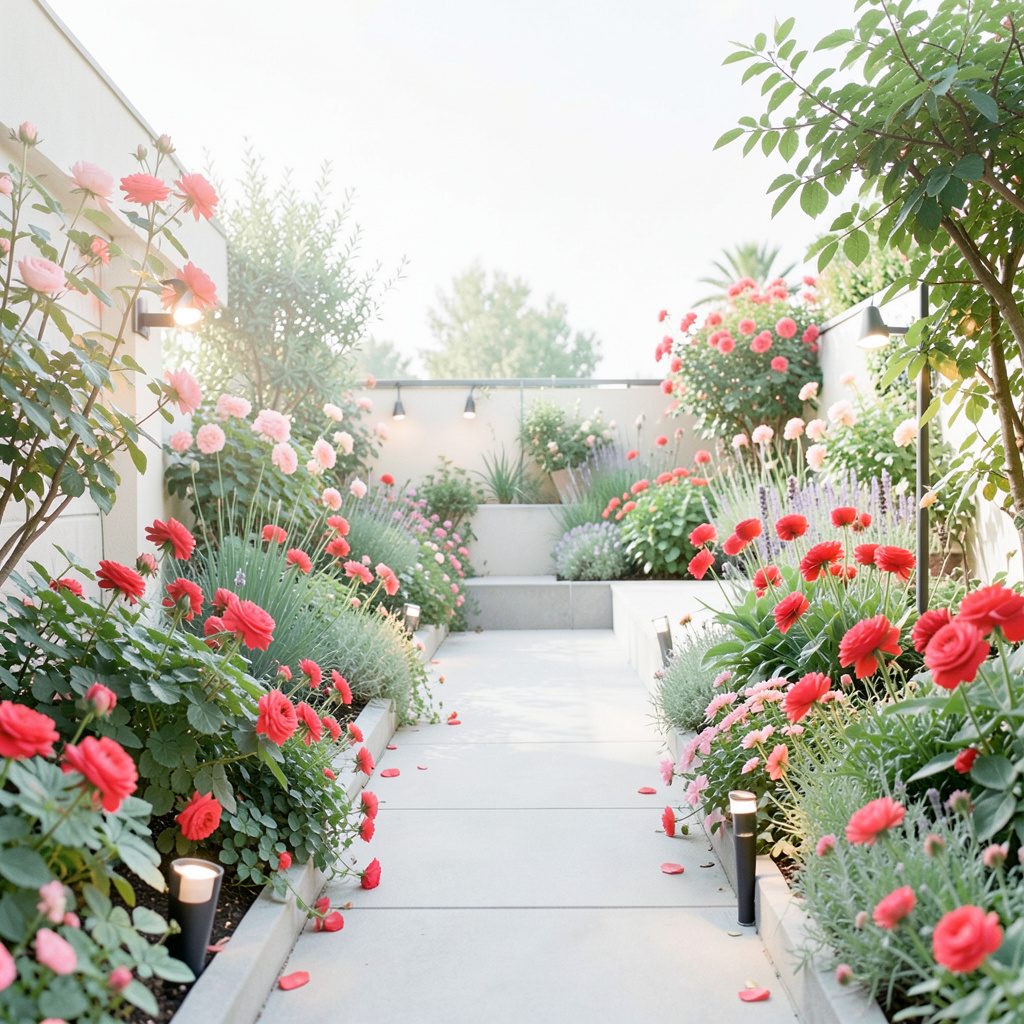
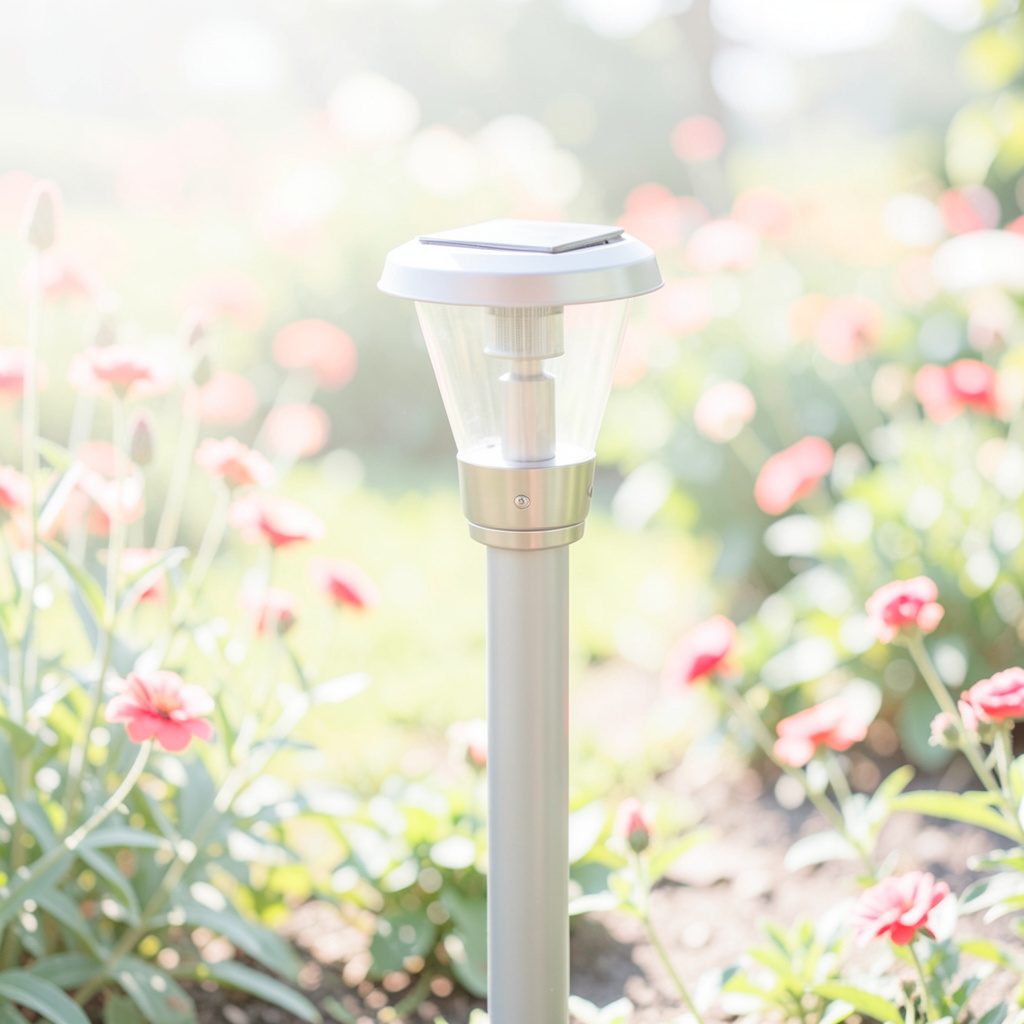
Deck stairs rarely need to carry the whole lighting design. Combine rope lights with low-level path lights, wall sconces or a few solar garden lights around nearby planting beds. Layering gives the eye several reference points and prevents the stairs from appearing disconnected from the rest of the outdoor room.
A softly lit landing can make the transition from deck to lawn easier to read. If the garden includes a retaining wall, pond or uneven paving, illuminate those changes in level as well. A well-planned garden layout can make lighting installation cleaner, and resources such as garden design tools may be useful when reshaping planting areas around a deck.
Avoid placing bright uplights directly opposite the stairs. Glare from polished surfaces, glass doors or pale paving can reduce contrast and make tread edges harder to see. Shielded fixtures and downward-facing beams are generally more comfortable for neighbours and guests.
Adding Smart And Solar Controls
A timer or dusk-to-dawn sensor keeps stair lights operating when they are useful, without leaving them on throughout the day. Motion activation can be convenient for occasional access, although a sudden burst of brightness may feel intrusive during a relaxed evening. A low continuous glow with a gentle boost on movement often provides a better balance.
Smart outdoor lighting systems can offer scheduling, dimming and remote control through a phone. Before buying, check compatibility between the rope light, controller, transformer and chosen platform. This guide to smart outdoor lights can help clarify the differences between connected systems and ordinary timer-controlled products.
Solar rope lights are appealing for stairs far from the house because they avoid trenching and mains cabling. Their performance depends on direct sunlight, battery capacity and panel placement. In a shaded Melbourne courtyard or under a dense pergola, a plug-in low-voltage system may provide more reliable output than a small solar panel.
Matching Materials And Outdoor Style
Warm white rope lighting suits spotted gum, treated pine and composite decking, particularly when the surrounding garden uses natural stone, mulch and leafy plants. Black or dark-grey channels can disappear against charcoal composite boards, while white casing may work better beside painted balustrades or pale rendered walls.
For a contemporary terrace, keep the line crisp and conceal the transformer and excess cable. A coastal garden may benefit from understated illumination that supports grasses, succulents and weathered timber rather than competing with them. In Queensland, where outdoor entertaining areas are often generous, dimmable lighting helps shift the mood from dinner to late-night conversation.
Colour-changing LEDs can be fun for parties, but they are rarely the best everyday setting for stairs. If using RGB lighting, establish a warm or neutral default and reserve stronger colours for special occasions. Consistency matters: mismatched tones from several brands can make a deck look untidy.
Protecting Performance Through The Seasons
Inspect the rope light before summer entertaining and again after periods of heavy rain. Look for cracked tubing, loose clips, exposed connectors, water inside end caps or sections that flicker. Turn off power before handling the installation, and replace damaged components rather than sealing serious faults with household tape.
Keep leaves, cobwebs and soil away from the light channel and transformer. In bushfire-prone regions, avoid creating a setup that traps dry leaf litter beneath or around the deck. Local fire restrictions and building requirements vary, so materials and electrical work should suit the property’s location and conditions.
Salt spray can accelerate corrosion around coastal homes in places such as Newcastle, Gold Coast and Perth. Use corrosion-resistant fixings and rinse exposed components gently when appropriate. A simple inspection routine helps preserve both brightness and safety without turning maintenance into a major project.
Making The Final Installation Work
Start by measuring every stair run, landing and corner, then sketch the cable route and transformer location. Confirm the total wattage, connector type and outdoor rating before purchasing. Retailers such as Bunnings, Home Depot-style hardware suppliers available locally, Amazon Australia and specialist lighting stores offer different product ranges, but specifications matter more than a promotional photograph.
The installation should leave treads unobstructed, handrails easy to grip and cables inaccessible to feet, pets and garden tools. Test the lights at night from the top and bottom of the stairs. If the LEDs cause glare, reposition them behind the nosing, add a diffuser or reduce the brightness.
For broader ideas on coordinating stair lighting with path, patio and landscape fixtures, explore these outdoor lighting ideas. The most successful result is usually quiet and consistent: enough illumination to reveal each step, with enough shadow and warmth to preserve the character of the garden.
Measure the stair runs this week, choose a weather-rated warm-white system, and test the planned mounting position with a temporary low-voltage light before fixing anything permanently.