Featured Topics

Best Outdoor Lights for a Modern Minimalist Patio
A modern minimalist patio needs lighting that feels deliberate rather than decorative for its own sake. Clean lines, restrained colours and a clear view across the outdoor room work best when each fitting has a practical role. The goal is a gentle layer of illumination that makes dining, walking and relaxing easier without turning the patio into a brightly lit showroom.
The best outdoor lights for a modern minimalist patio usually combine warm colour temperature, simple silhouettes and discreet installation. Wall sconces can frame a doorway, slim bollards can define a path, and small solar lights can add a soft glow around planting beds. A few well-positioned fixtures are often more effective than a large collection of mismatched products.
Australian homes bring their own considerations. Harsh summer sun, sudden storms, coastal salt air and wide entertaining areas can all affect a lighting choice. A fitting that suits a sheltered Melbourne courtyard may not be the right option for an exposed deck in Perth or a humid patio in Brisbane.
It is also worth considering how the patio is used throughout the year. Australians often move between the kitchen, barbecue area and garden during long evening gatherings, so lighting needs to support movement while preserving the relaxed atmosphere. Good design makes the space feel comfortable from sunset through to the last trip indoors.
Start With A Calm Lighting Scheme
Minimalist outdoor lighting works best when it is layered. Begin with ambient light, such as a warm wall fixture or a low-glare pendant beneath a covered roof. Add task lighting near the barbecue, outdoor kitchen or dining table, then use accent lights sparingly to highlight a tree, textured wall or architectural edge.
Avoid placing identical lights at every possible point. Repetition can create a clean appearance, but too many bright fixtures flatten the space and make the garden feel smaller. A better approach is to select two or three fixture styles that share a finish, shape or light colour.
For ideas covering pathway markers, garden accents and patio illumination, this outdoor lighting collection offers a useful starting point. The most successful schemes generally mix concealed or compact fittings with one stronger visual feature, such as a black wall lantern beside a sliding door.
Choose Materials For Australian Conditions
Powder-coated aluminium, stainless steel and quality outdoor plastics are practical choices for many Australian patios. Coastal households around Sydney, Adelaide or the Gold Coast should pay close attention to corrosion resistance, since salt carried in the air can damage unsuitable finishes. A sheltered position still helps, but it does not remove the need for durable construction.
Check the fitting’s outdoor rating before installation. Covered patios may require a different level of protection from lights exposed directly to rain, wind and garden sprinklers. Solar path lights should also be secured where pets, children or lawn maintenance equipment could knock them over.
Black and charcoal finishes suit contemporary brick, concrete and timber, while brushed metal can soften a stark monochrome design. In hot northern areas, avoid placing solar panels where they are shaded by a pergola, palm or neighbouring building during the afternoon. A panel may receive strong sun but still perform poorly if its useful charging hours are blocked.
Select The Right Light Colour
Warm white light, usually around 2700K to 3000K, is generally the most comfortable choice for an entertaining area. It complements timber decking, sandstone, brick and greenery without making skin tones or food appear cold. Neutral or cool white can be useful for security zones, but it often feels too clinical beside a dining setting.
LED technology makes it easier to achieve a consistent glow while using less energy than older outdoor lamps. When comparing household and garden products, the difference between warm-dimming technology and standard LED can be significant; this explanation of Philips LED colour provides helpful context before choosing bulbs or integrated fittings.
For a minimalist patio, avoid mixing several colour temperatures in the same visual field. A cool sensor light on the garage, a blue-toned solar stake and warm wall lamps near the table can make the garden look disjointed. Keep the main entertaining zone consistent, then allow brighter security lighting to operate separately.
Compare Solar, Mains And Battery Options
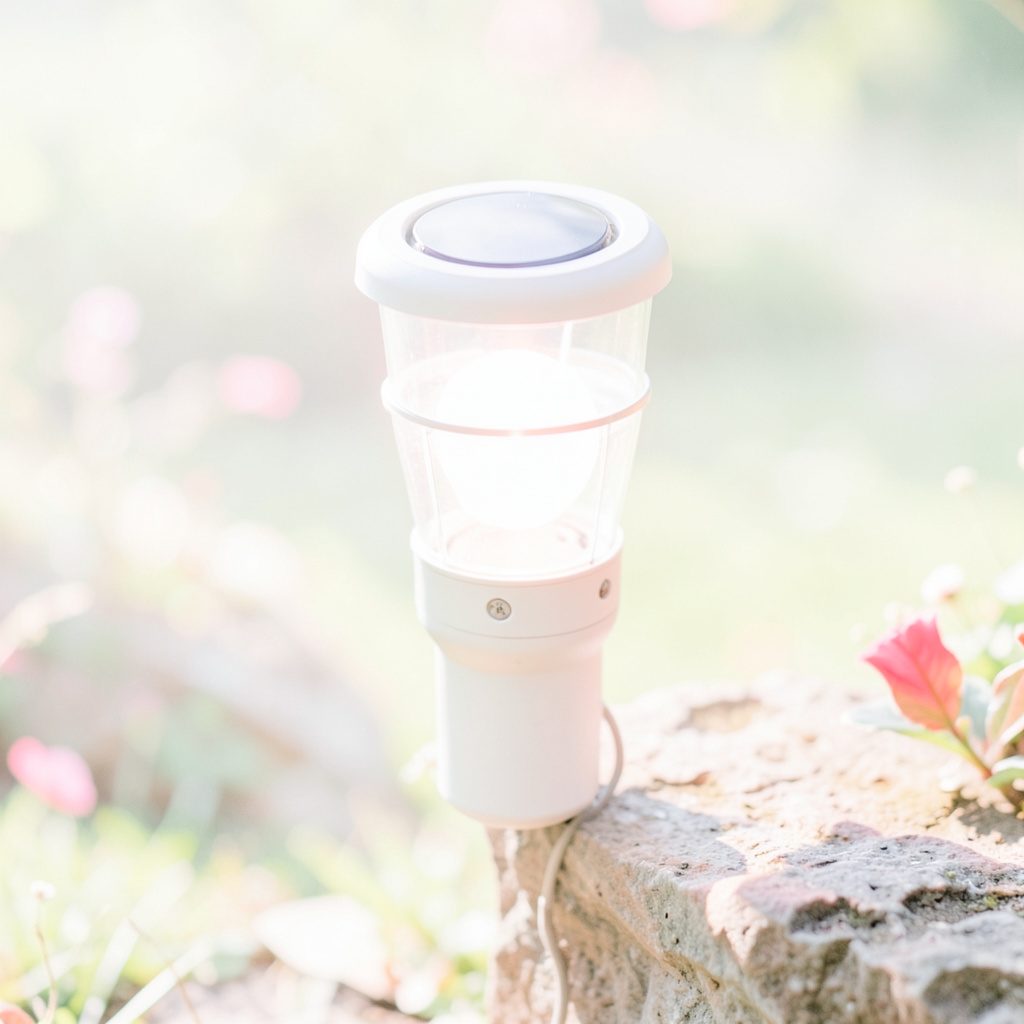
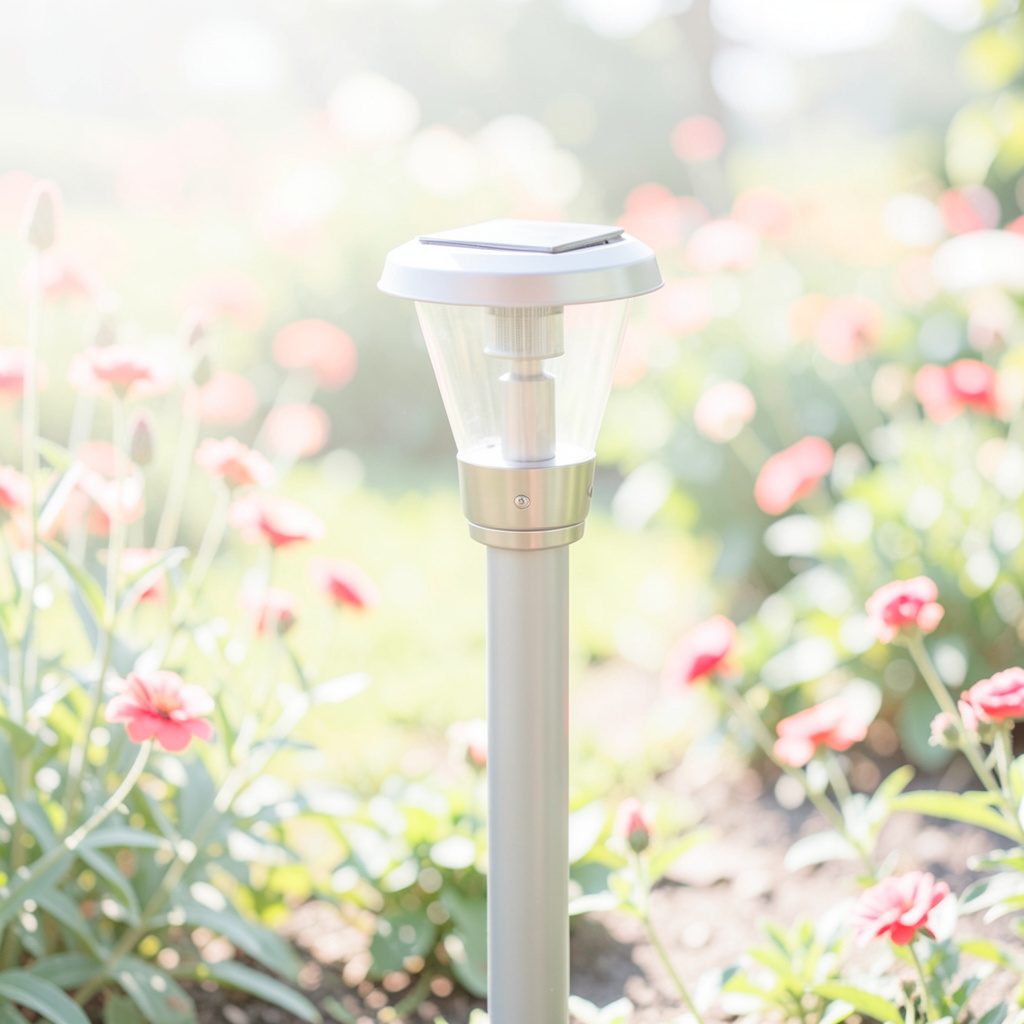
Solar lights are convenient for garden edges, narrow paths and areas where running cable would be disruptive. They suit renters and homeowners who want a simple installation, particularly in sunny regions such as Queensland or Western Australia. Look for replaceable batteries, sturdy stakes and a panel that can be angled towards useful daylight.
Solar performance varies with season, cloud cover and placement. In a shaded courtyard in Hobart or a patio enclosed by tall buildings, mains-powered or rechargeable battery lighting may provide more dependable results. The best solar products are not necessarily the brightest; a modest, steady glow often looks more refined than a high-output light that fades quickly.
Plug-in and wired low-voltage systems are worth considering for a permanent entertaining area. They can provide consistent illumination for late dinners and winter gatherings, though installation should be planned around drainage, paving and electrical safety. Australian buyers may find that local stock at Bunnings, Beacon Lighting and Mitre 10 is easier to return or replace than an imported product with uncertain support.
Online marketplaces can provide access to a wider range of compact sconces, rechargeable lamps and solar sets. When reviewing international product listings, check voltage, plug type, warranty conditions and delivery details before purchasing. A fitting that looks ideal in a photograph may arrive with a non-Australian connection or limited instructions.
Match Fixtures To The Patio Layout
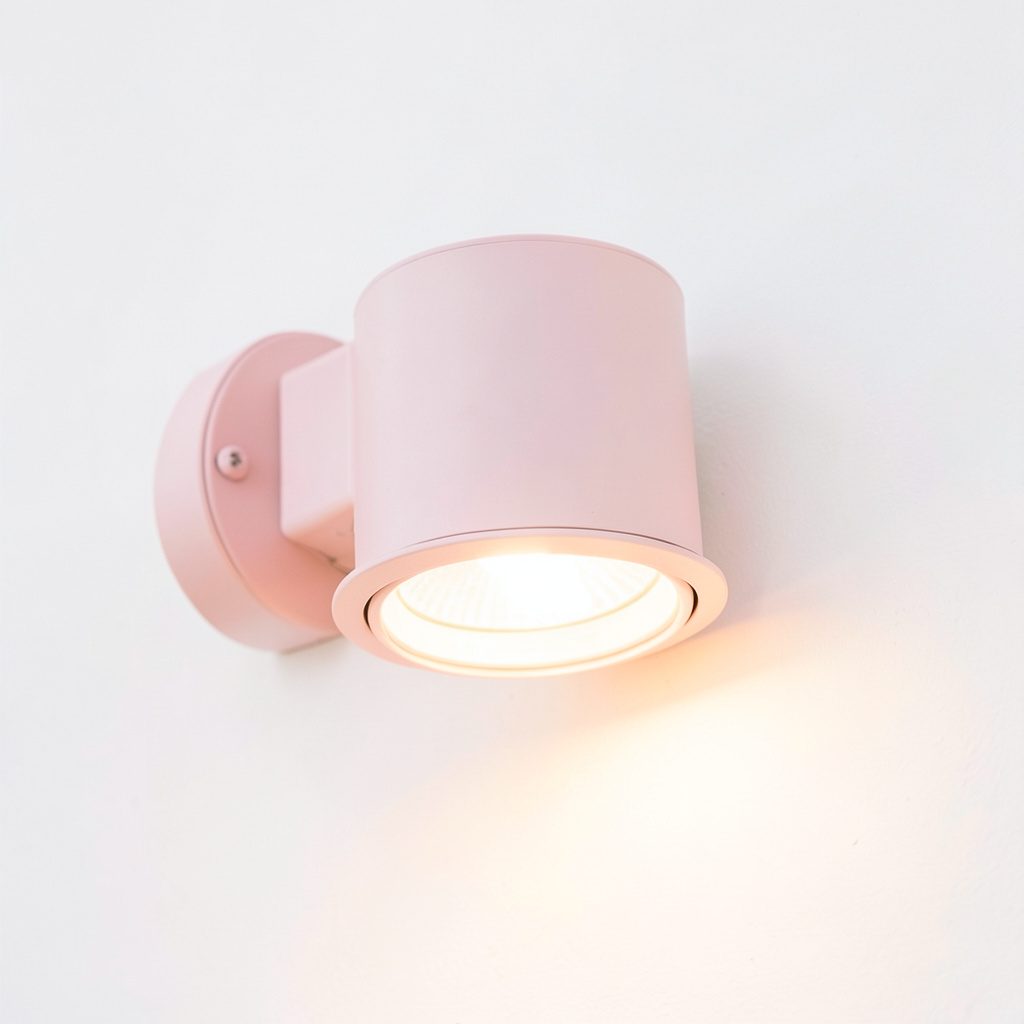
A wall light beside the back door should illuminate the threshold without shining directly into people’s eyes. Shielded sconces and downward-facing designs are particularly effective because they provide useful light on steps and paving while keeping glare under control. For a long wall, two small fittings can look more balanced than one oversized lantern.
Portable LED table lamps are useful for renters, apartment balconies and flexible entertaining layouts. They can be moved from a dining table to a drinks trolley, and many rechargeable models remove the need for extension cords. Choose a stable base and a switch that is easy to find after dark.
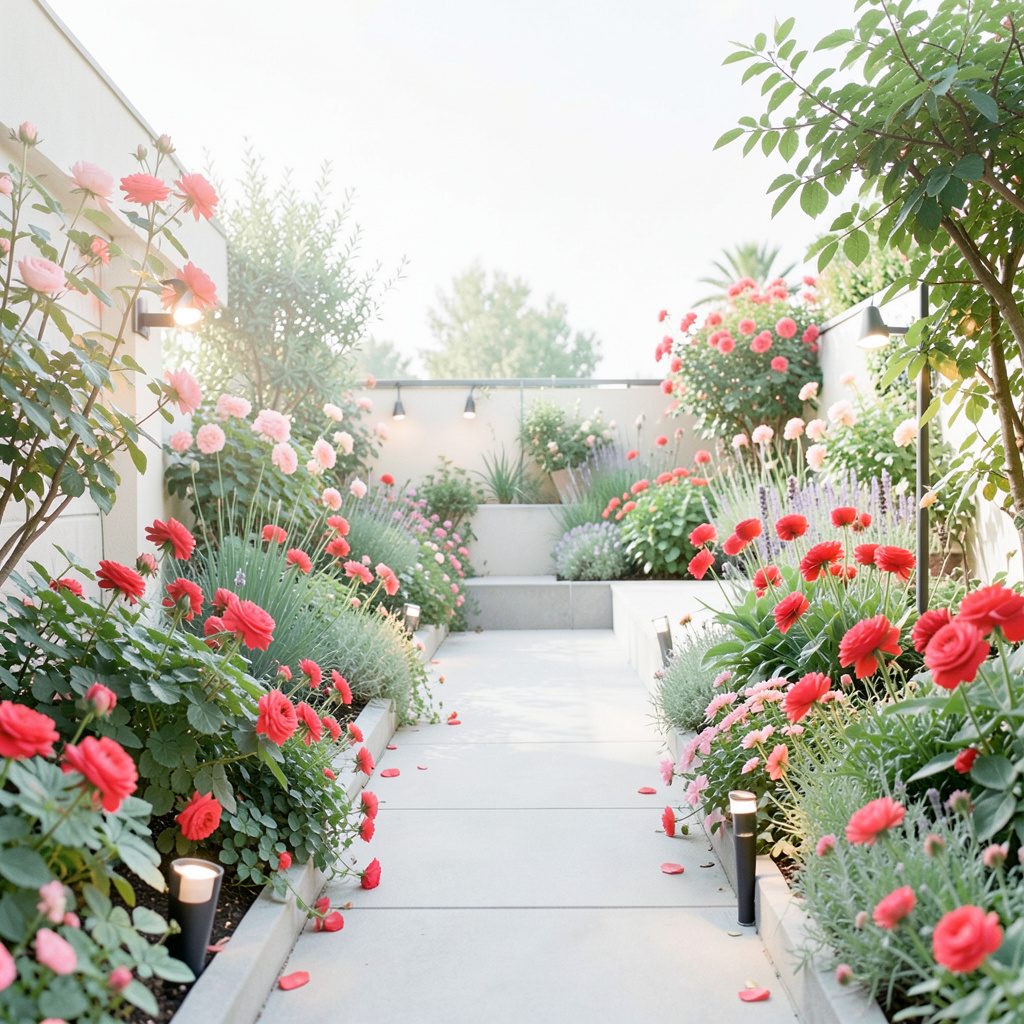
Low-level bollards or recessed deck lights can define a route from the patio to the lawn, but spacing matters. Place lights where they reveal changes in level rather than creating a continuous runway. In a minimalist garden, one light at a step or turn may provide more visual clarity than a row of bright fixtures.
The personal perspective behind design-focused lighting recommendations can be explored through the author profile, particularly if you are comparing decorative garden ideas with practical product guidance. Product selection should always follow the layout: identify where people sit, walk and work before deciding how many fittings to buy.
A simple palette of matte black, warm white light and natural timber can make most contemporary patios feel cohesive. Use uplighting on a feature tree only when it adds depth, and keep glare away from neighbouring properties. In dense suburban areas, considerate brightness matters as much as appearance, especially when patios sit close to bedrooms or shared fences.
The strongest scheme is usually the one that disappears into the evening atmosphere. Remember to prioritise comfortable warm light, weather-ready materials, reliable power and carefully controlled placement; modern outdoor lighting should reveal the patio without competing with it.