Featured Topics

Review: Philips Hue Lily spotlights for garden accents
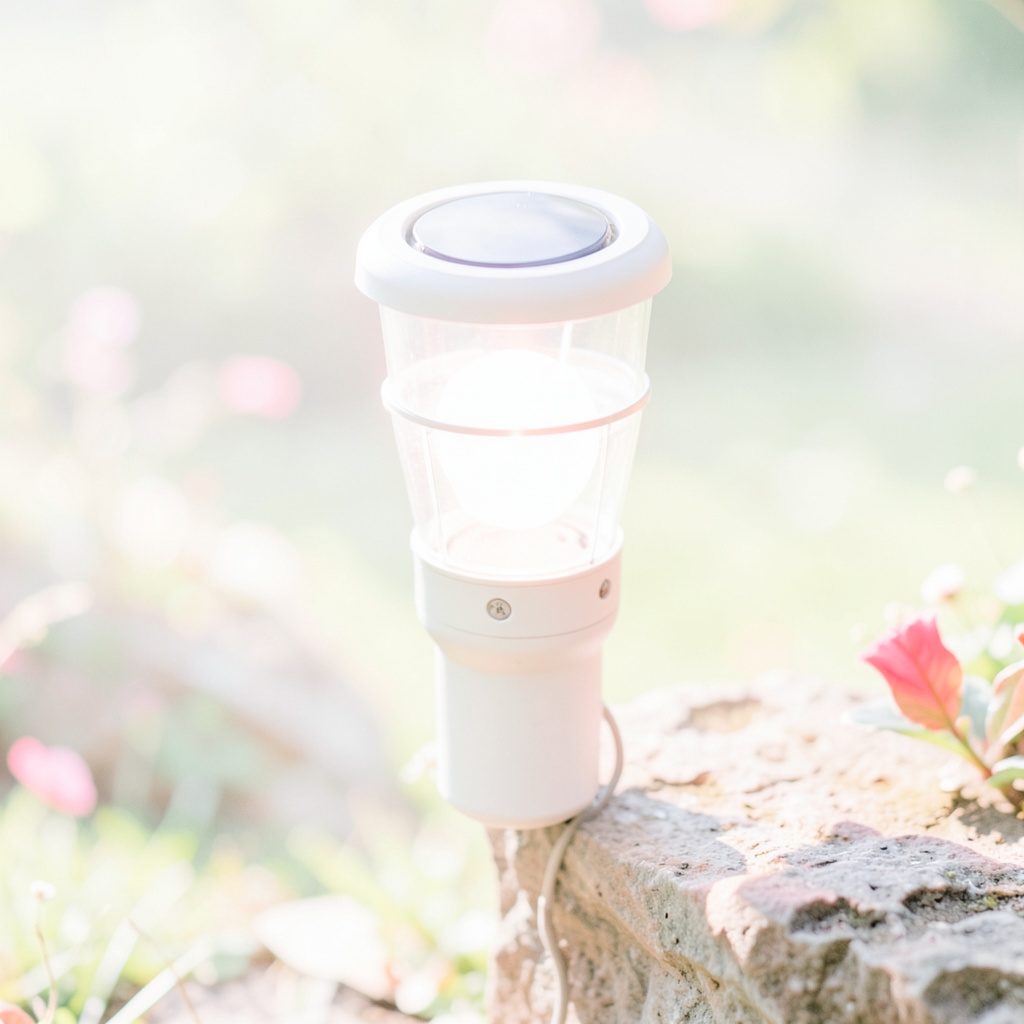
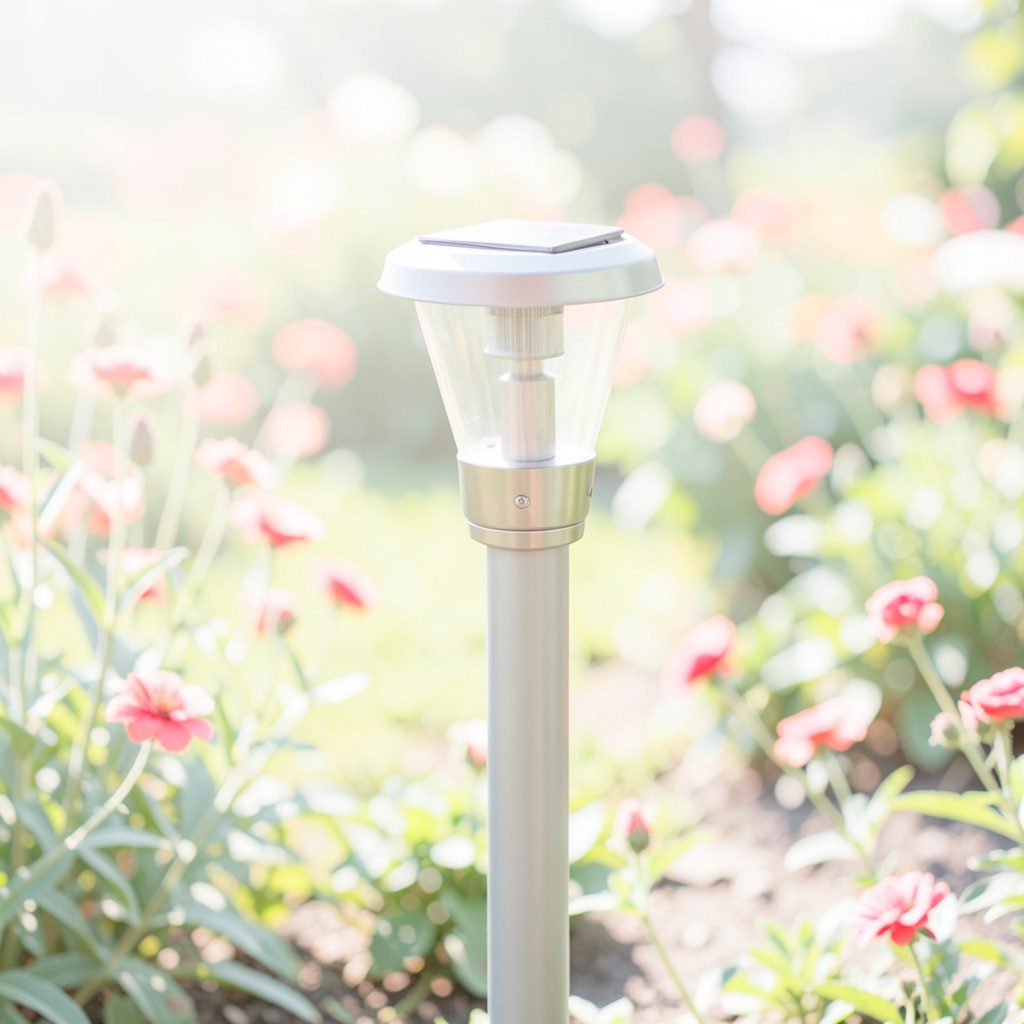
Philips Hue Lily spotlights are compact, wired LED landscape lights designed to turn trees, shrubs, walls and other garden features into evening focal points. Their small format suits planting beds and patios, while colour-changing light gives more control than a conventional outdoor spotlight. A Lily can wash a feature with warm white, cool white or vivid colour, then respond to schedules, voice commands and app scenes.
This review examines the light quality, placement, smart-home features and installation demands of the range, rather than treating brightness as the only measure of value. The important practical question is whether a landscape spotlight can create a repeatable effect after sunset, fit Australian electrical and weather conditions, and remain economical once lamps, the Hue Bridge and installation costs are counted.
Why the Lily suits garden accents
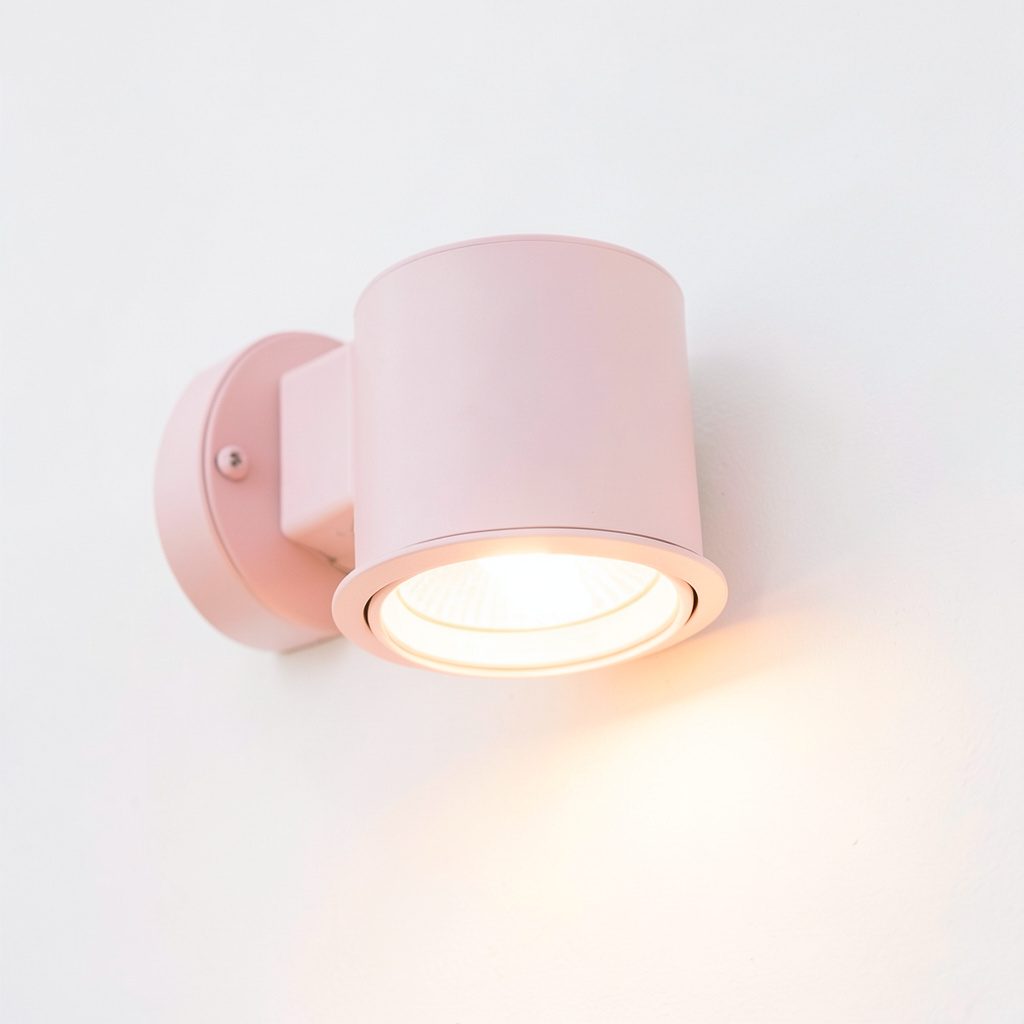
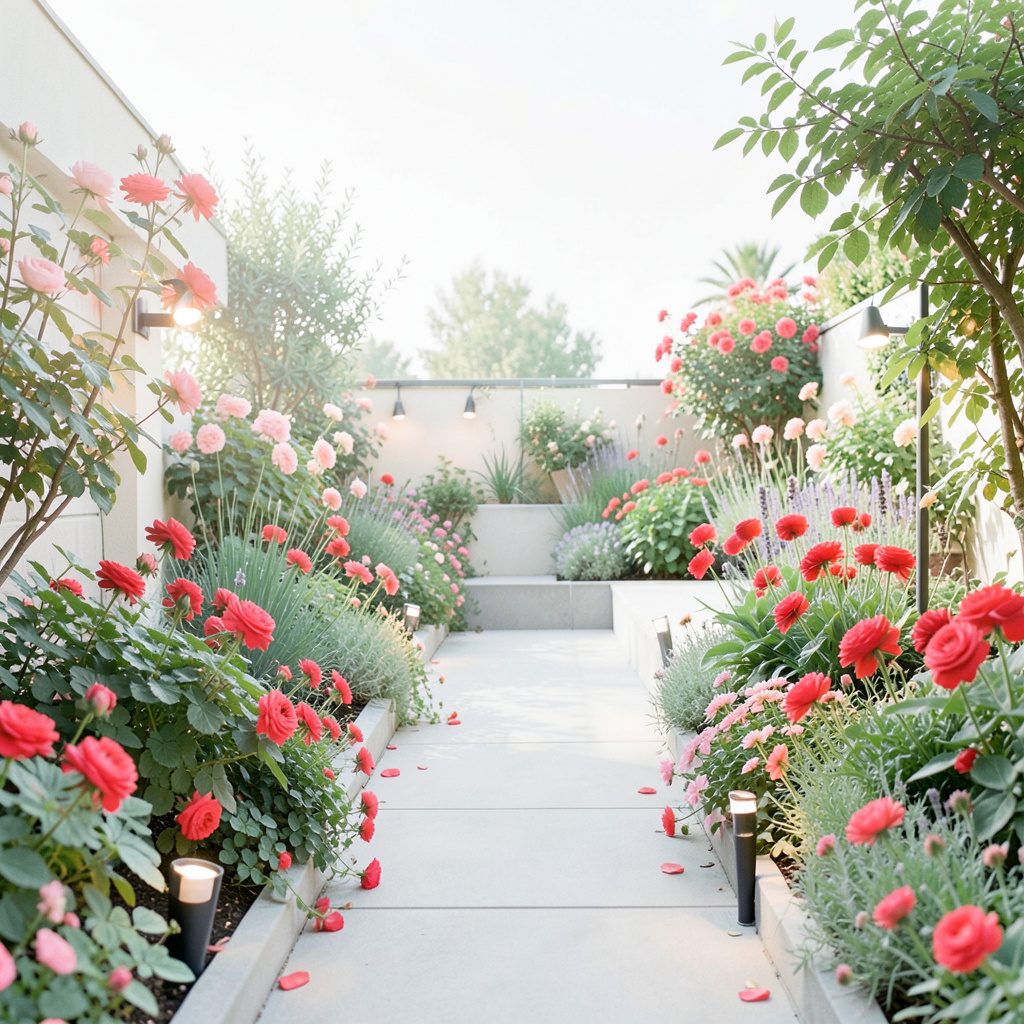
The Lily is an accent fixture, not a broad floodlight. Its adjustable head and focused beam suit highlighting a tree canopy, a sculptural shrub, a textured wall or an architectural feature. The small spike format also keeps the fitting visually restrained among planting, provided the mains cable is routed discreetly rather than left across mulch or lawn.
Layering usually produces a better result than simply adding brightness. The balance of ambient, task and feature lighting described in lighting a terrace works in a garden too: low-level path illumination can support movement, while one carefully aimed Lily creates the visual focus. This makes a Lily most valuable where there is something specific worth seeing.
Colour, beam and placement
Colour is the Lily’s strongest creative advantage. Common versions offer millions of colours plus tunable white, approximately 2700K to 6500K. Warm amber suits timber and rustic walls; restrained white reveals foliage and stone more naturally; saturated colour works well for entertaining areas, although it can quickly look theatrical around a quiet suburban garden.
Aim matters as much as colour. For a tree, point the adjustable head into the canopy rather than at the trunk base. For a shrub, a gentle wash across the leaves gives more depth than a bright spot. Some versions offer narrow and wider beam options, so the exact model and its beam angle should be checked before several lights are ordered.
Glare is easy to create. A spotlight too close to a path can dazzle someone walking towards it, and uplighting can disturb neighbours if the beam escapes above a hedge. Test one position at dusk, then view it from the house and the path. This simple check is more reliable than choosing a colour from a product photograph.
Smart control and installation requirements
The Hue app makes the lights easy to organise into rooms and zones, dim, and place on schedules. A relaxed evening scene can fade down automatically; a brighter scene can activate when guests arrive. Voice control through compatible assistants adds convenience, while simulated motion or arrival routines can make a garden feel occupied without a camera.
Full smart control generally works best with a Hue Bridge. Supported versions can also be connected directly by Bluetooth for basic control, but a bridge unlocks more reliable group control, remote access and whole-home routines. It also provides the backbone for larger installations, so its location, power supply and network cable should be planned before lamps arrive.
The site’s author background gives context to its broader garden-lighting recommendations, while installation details should still be checked against the manual for the exact Australian lamp.
Australian weather and electrical realities
The Lily’s weather-resistant IP44 rating suits ordinary outdoor exposure and splashing water, but it does not make the fitting submersible or suitable for pressure washing. Keep the mains connection and any joins above the splash zone, follow the supplied instructions, and avoid positioning the light where irrigation routinely hits it. Outdoor suitability is a system requirement, not just a label on the lamp.
Local conditions can be demanding. Salt-laden air around Sydney can expose weak fittings and connectors to corrosion. Perth’s dry heat and strong ultraviolet exposure call for shaded cable runs and UV-rated outdoor cable. Melbourne’s cold, damp spring can leave standing moisture around a garden, while Brisbane’s intense summer downpours can overwhelm poorly positioned connections.
Australian electrical standards are equally important. The domestic supply is 230–240V and normally uses Type I plugs, so an imported unit or its adaptor must be suitable. Use a weatherproof outdoor outlet on an RCD-protected circuit; for a new circuit or fixed wiring, use a licensed electrician. Indoor extension leads and unprotected connections are not suitable substitutes.
A tidy installation also protects the wider garden by keeping leads away from mower paths. A dry, organised shed is better for lawn-care equipment too, as the lawn-care drying guide explains.
Value compared with other garden lighting
The Lily is a premium option because it combines a durable outdoor fitting with a mature smart-lighting ecosystem. A bridge and several colour-changing spotlights can cost much more than basic wired LEDs, while extra cable and suitable outdoor sockets add to the project. Dimming also allows lower output at night, improving comfort and reducing electricity use.
Off-grid areas need a different answer. Solar lantern options can provide welcome ambience without cabling, and InnoGear solar spotlights can suit a dark path or garden shed where independent lighting is enough. They do not provide the Lily’s colour scenes, app control or integration with other Hue fittings.
Check the Australian market carefully when comparing prices. An Amazon Australia listing may come from a third-party seller, so confirm the supplied plug and transformer, local warranty coverage and authorised Philips supply. A United States Home Depot listing can help with feature comparison, but its voltage, plug and warranty may not suit Australia. For security, InnoGear motion-activated fixtures may be more suitable.
Recommendations for a reliable Lily installation
Preparation before commitment is a sound buying principle, as planning ahead for enrolment illustrates; here it means comparing the complete system, not just one spotlight. These recommendations suit most Australian installations.
- Confirm the local 240V specification, included power supply and Australian Type I plug arrangement before buying, especially through marketplace sellers.
- Budget for a Hue Bridge when using multiple lights, remote access or scheduled routines, including its network cable and suitable power supply.
- Plan a weatherproof outdoor socket on an RCD-protected circuit, and arrange a licensed electrician if one must be installed or a new circuit is needed.
- Choose the beam and mounting distance for the feature, then check glare from the path and light spill towards neighbouring windows.
- Protect every connection from irrigation and rain, and route cables where they cannot be cut by a mower or tripped over.
- Begin with one or two lamps, evaluate their effect at night and only then extend the layout across the garden.
Adjust these recommendations to the installation. A rented terrace without fixed wiring may be better served by solar lights, while an established smart home can make the Bridge and app-based control worthwhile. The Lily earns its place when subtle accent lighting and reliable automation matter more than the lowest purchase price.
One practical first project
A whole-garden Hue project can become expensive quickly. A measured first installation reveals whether the output suits the planting, whether the bridge has a reliable connection and whether the cable route is workable. It also prevents buying several matching colours before checking how one lamp looks among real foliage.
The next step is to choose one tree or shrub, mark the intended spotlight position and measure the power lead before ordering the first Lily.