Featured Topics

How to light a garden water feature for night drama
A garden water feature becomes a stage after sunset, and controlled night drama comes from light following the water rather than flooding the whole yard. Reflections, ripples and shifting shadows can turn a modest pond, birdbath or fountain into the focal point of an outdoor room. The aim is layered night lighting: enough glow to reveal the feature’s form, controlled highlights to animate moving water, and restrained pathways that keep people safe.
A successful plan begins with how the space is used. A Sydney courtyard may need subtle dining light, a Brisbane pool area may need brighter task lighting, and a coastal Melbourne garden must tolerate salt-laden air. Australian summers also bring long evenings, heat, humidity and occasional storms, so fixture ratings and electrical planning matter as much as the visual effect.
Read the site before choosing fittings
During daylight, note where the water is still, where it catches the breeze, and which plants or hard surfaces will reflect light. A narrow spout needs a tight beam, while a broad pond benefits from several low-output fixtures placed around its edge. Wider garden lighting ideas can help with the wider landscape, but the feature itself should remain the brightest visual anchor.
Plan power before the aesthetic decisions. In Australia, mains lighting operates at 230–240 volts, and any accessible circuit should be protected by an RCD or GFCI. Keep cables away from splash zones, use outdoor-rated connectors, and have an accredited electrician handle fixed wiring or circuits near water. Pumps and lights on the same circuit can cause nuisance tripping, so separate circuits may be needed.
Build a layered lighting scheme
Build the scheme from three connected layers: ambient light to reveal the setting, focal light to define the water feature, and task lighting for steps, seating or pool edges. Ambient fixtures should sit lower and dimmer than the hero light. This creates depth and keeps bright points from competing with the reflections.
Choose the colour temperature and beam angle to shape the scene. Warm white at about 2200–2700K usually feels welcoming beside timber, stone and natural planting. Narrow beams suit fountains and sculptural plants; broader floods can soften a pond but may flatten it. RGB and colour-changing LEDs add drama when the water movement is strong enough to animate them.
Match equipment to Australian conditions
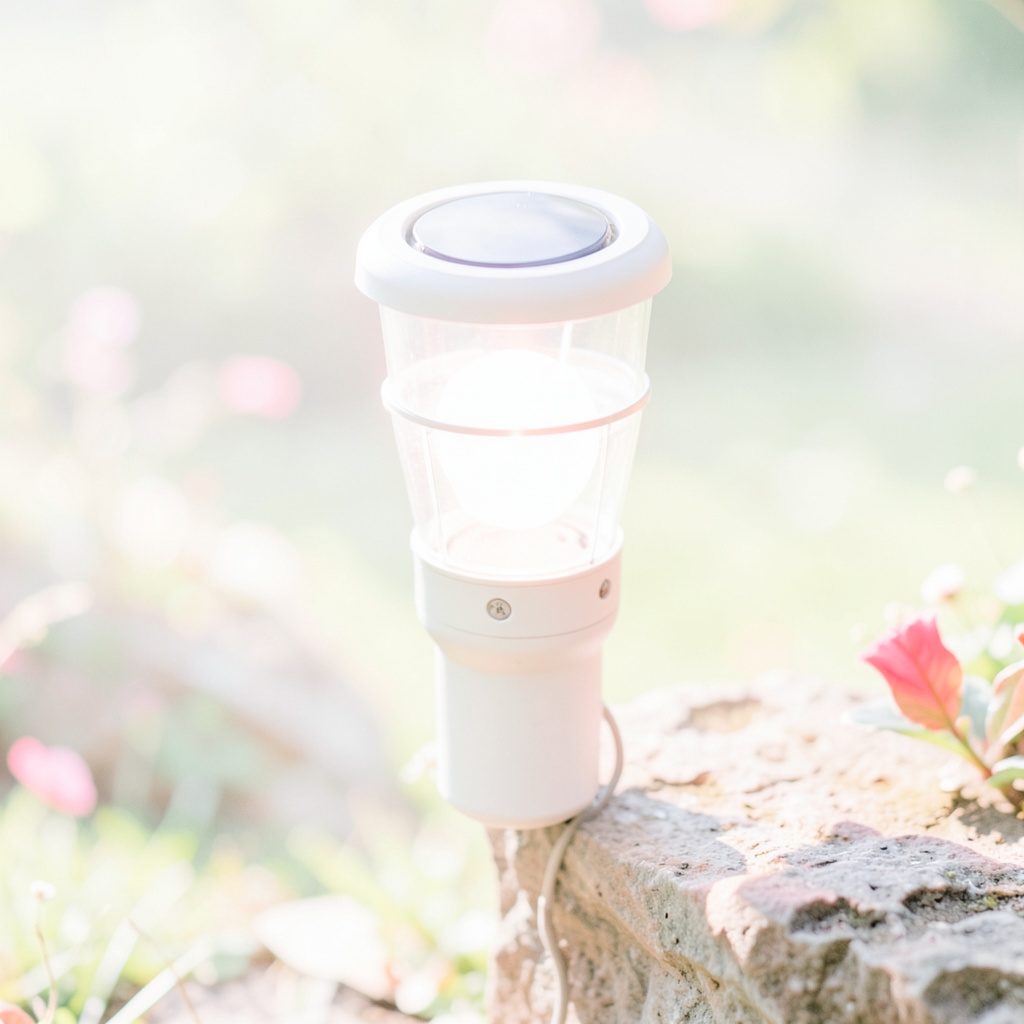
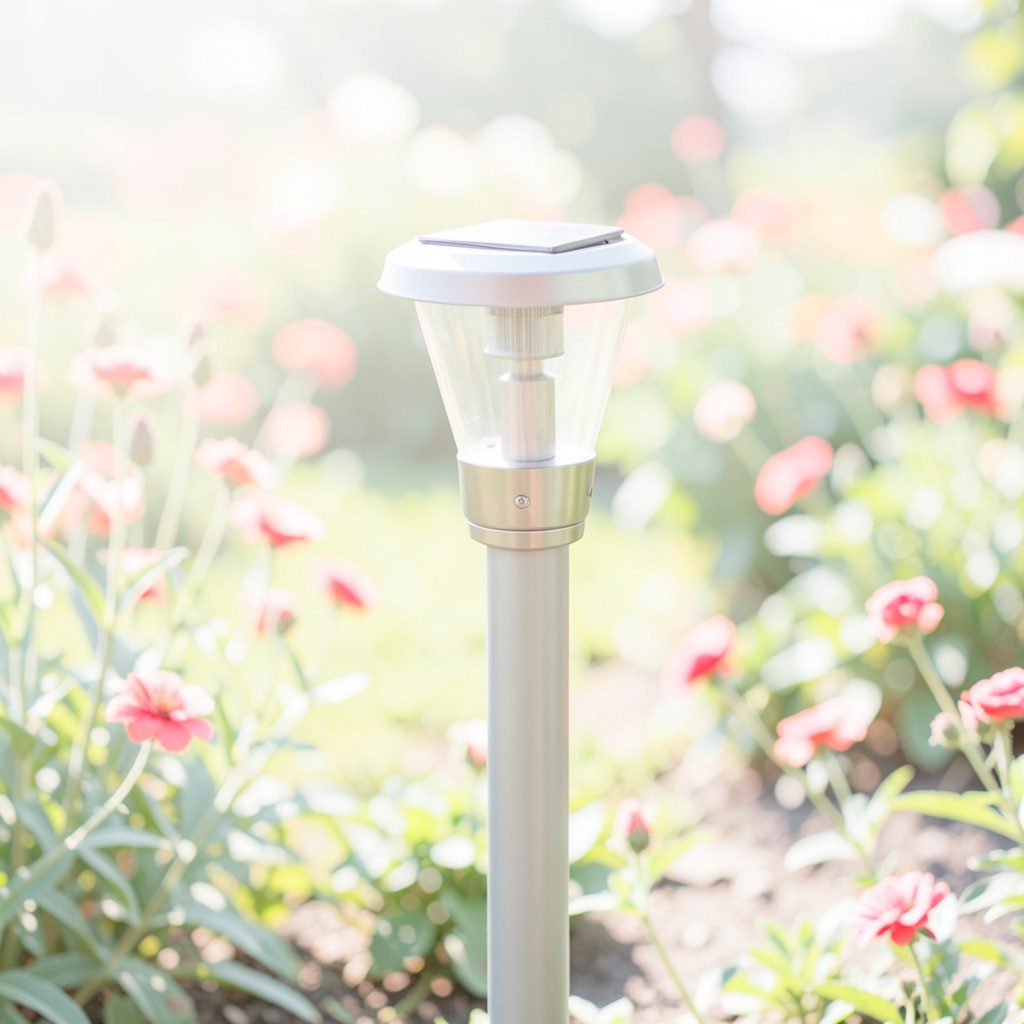
Choose fixtures for actual exposure rather than appearance alone. Look for IP44 or IP65 weather ratings, UV-stable housings and corrosion-resistant fixings; only fittings explicitly labelled submersible belong below the waterline. Philips garden and outdoor spots can provide controlled accent light, while InnoGear solar lights suit simpler paths or planting pockets. In coastal areas around Sydney, the Gold Coast or Adelaide, marine-grade stainless steel or powder-coated aluminium reduces corrosion risk.
Decide between solar and mains lighting before placement. Solar spotlights need direct sun and are useful for low-level pond edging or garden beds, but shaded fountains may need a separate panel. A step-by-step installation guide can be useful for checking mounting, cable joins and low-voltage connections, though local electrical rules still apply. Compare specifications through Bunnings, Amazon.com.au and specialist Australian lighting stores; a Home Depot listing can be a useful reference, but do not assume its voltage, plug or weather certification suits Australia.
Use placement to create depth
Think in reflections first. Place a small shielded light just below the water surface, behind a stone or plant, to create a bright halo that the water doubles. Side lighting from a shrub bed can reveal texture without exposing the source. Uplighting a fountain makes the moving water brighter, while backlighting silhouettes the jets against a darker boundary.
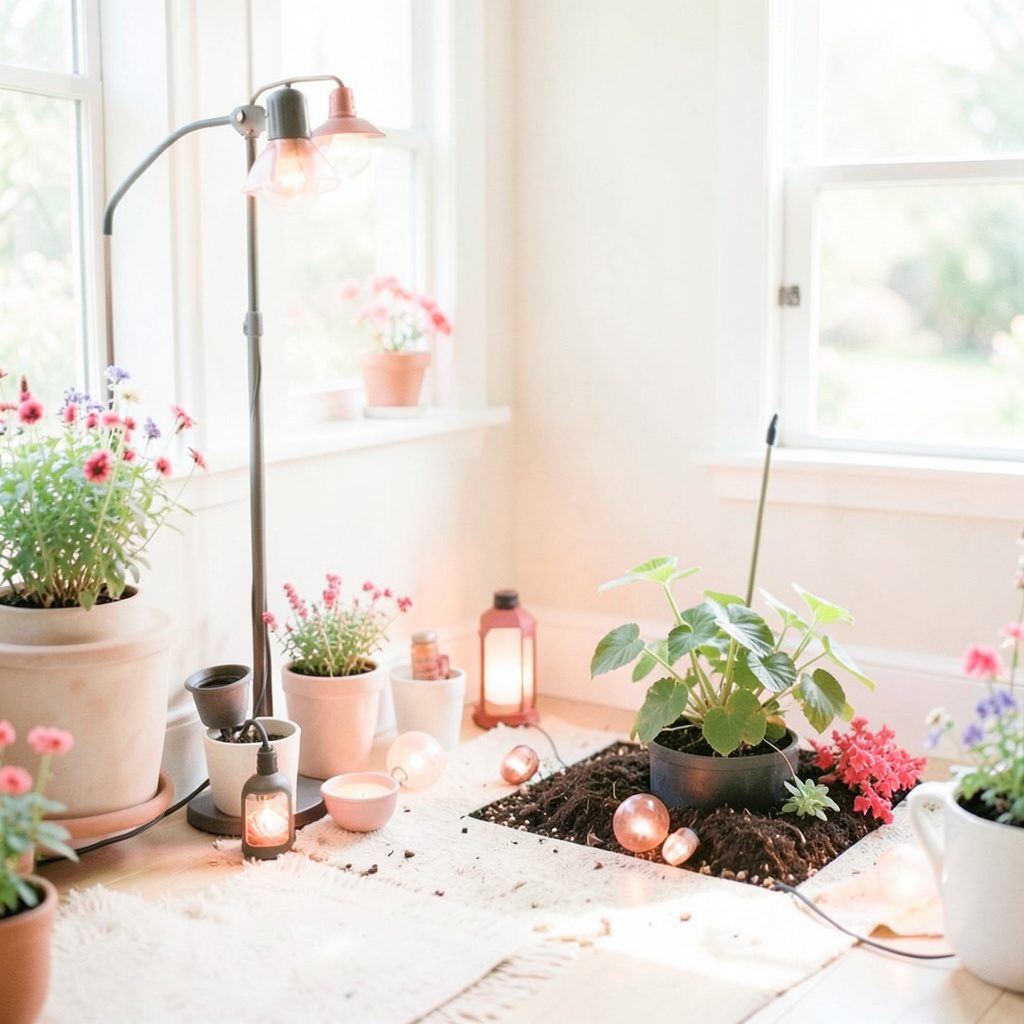
Experiment before finalising positions. Use temporary clamp lights or a dimmable lamp and photograph the feature from the main viewing point. Watch for glare in the eye, hard shadows from leaves and reflected hotspots that expose cable or pump housings. A little aimed light often creates more drama than several bright floodlights scattered around the basin.
Add smart control and simple routines
Controls should make the garden easier to enjoy, not harder to operate. A photocell or timer can switch the scene on at dusk, while a dimmer lets you lower the effect before bed time. Smart modules can group water and path lights or respond to motion, provided the hub and Wi-Fi are suitable for outdoor Australian homes.
Give every routine a seasonal check. Clean lenses, remove leaves from sensors and confirm cables have not been chewed by dogs or garden fauna. In hotter regions, check solar panels for dust and position them where irrigation cannot wash away the charge controller. Replacing batteries and updating seals every few seasons protects both performance and safety.
Match each layer to the right fixture
The right fixture is less about maximum brightness than accurate placement. Compare lumens, beam angle, material and weather rating rather than wattage alone, and check dimensions, cable lengths and included fittings before purchasing. For the focal glow and moving water, compare:
- Warm-white LED spotlight: A 2200–2700K fixture with an adjustable beam creates a natural focal glow around a spout or pond edge.
- Submersible pond light: A properly rated, low-voltage lamp adds colour beneath the surface and makes small basins look deeper after dark.
- Narrow-beam uplight: Compact fixtures reveal jets, sculptural plants or textured stone without washing out the surrounding garden.
- RGB colour-changing lamp: Programmable hues create a theatrical effect, while fixed deep blue often looks calmer and more natural.
- Shielded wall washer: A broad, asymmetrical beam can graze a textured wall or fence so moving water casts lively shadows across it.
For access, edging and security, compare:
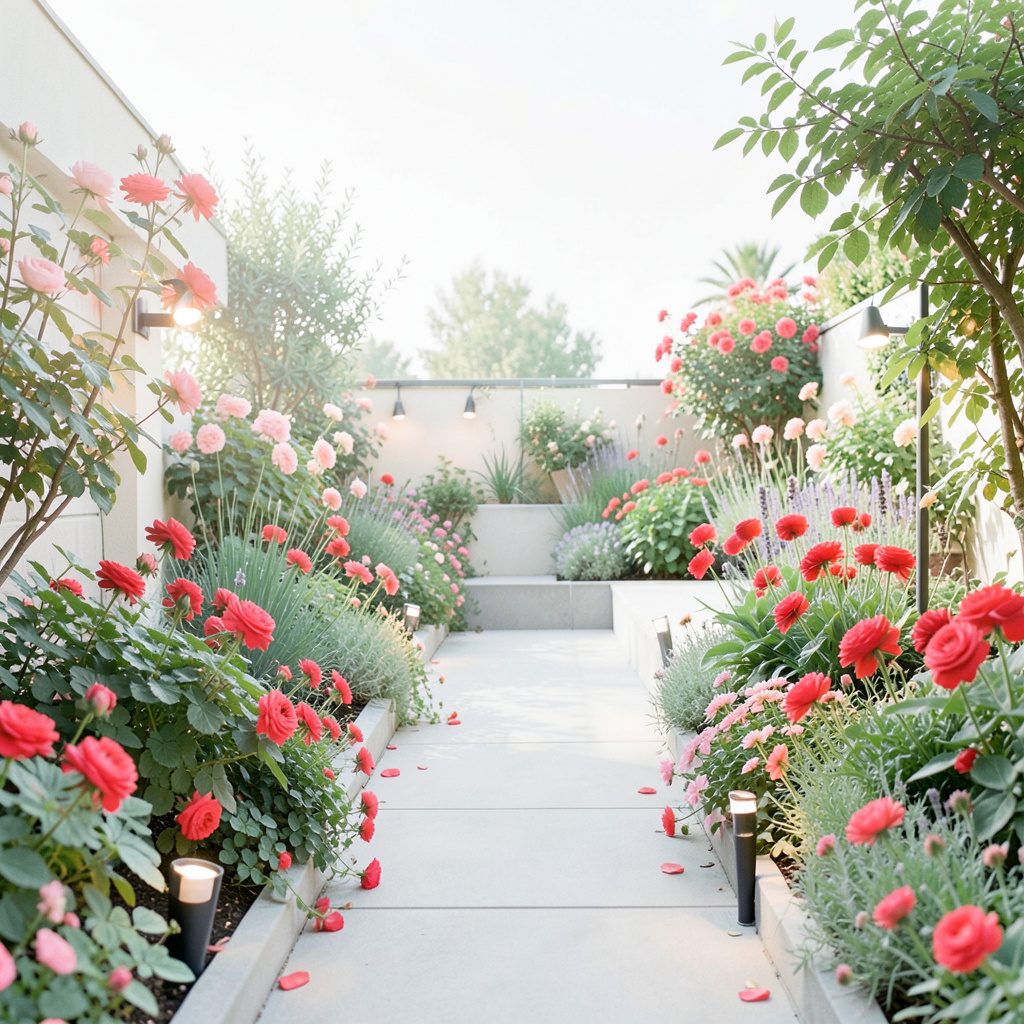
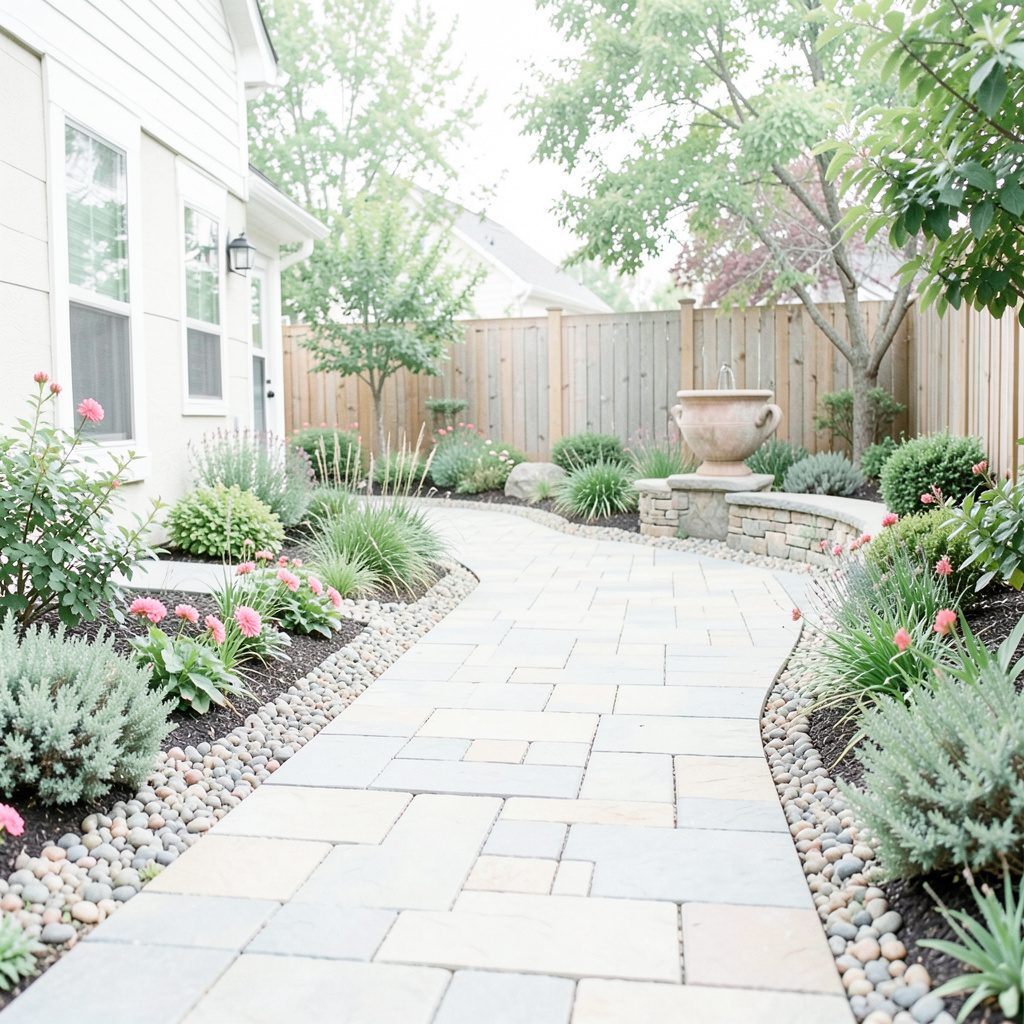
- For edge definition, contemporary bollard lighting gives paths a clean silhouette without glaring toward guests.
- InnoGear solar path light: Useful for remote beds and informal paths, provided the panel receives several hours of direct Australian sunlight.
- Low-level LED step light: Recessed or surface-mounted options illuminate risers and narrow paving around a fountain with controlled glare.
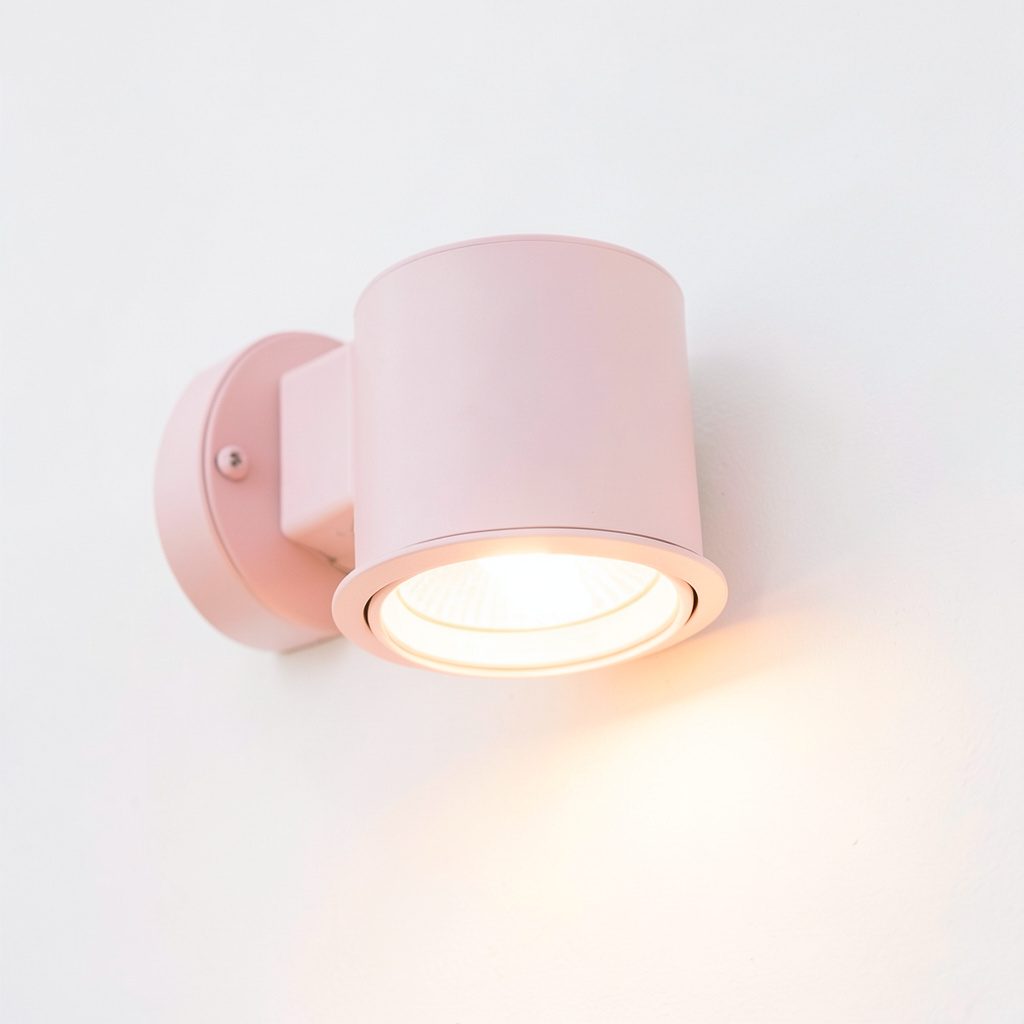
- Shielded wall pack: Downward light near seating or an outdoor kitchen improves visibility while keeping the water feature visually dominant.
- PIR motion light: A narrow sensor-controlled beam can reveal movement along a path, provided it does not disturb wildlife or neighbouring homes.
Once installed, walk the garden after dark with the house lights off, then repeat the test with normal indoor lighting on. Check how the feature reads from the patio, front path and key windows. Fine-tune dimming and aim rather than adding more fixtures; a cohesive scene usually needs fewer, better-placed lights.
Remember that the most memorable garden water feature lighting is controlled, layered and built for local conditions, rather than simply the brightest.