Featured Topics

LED Bollard Lights for Contemporary Landscape Design
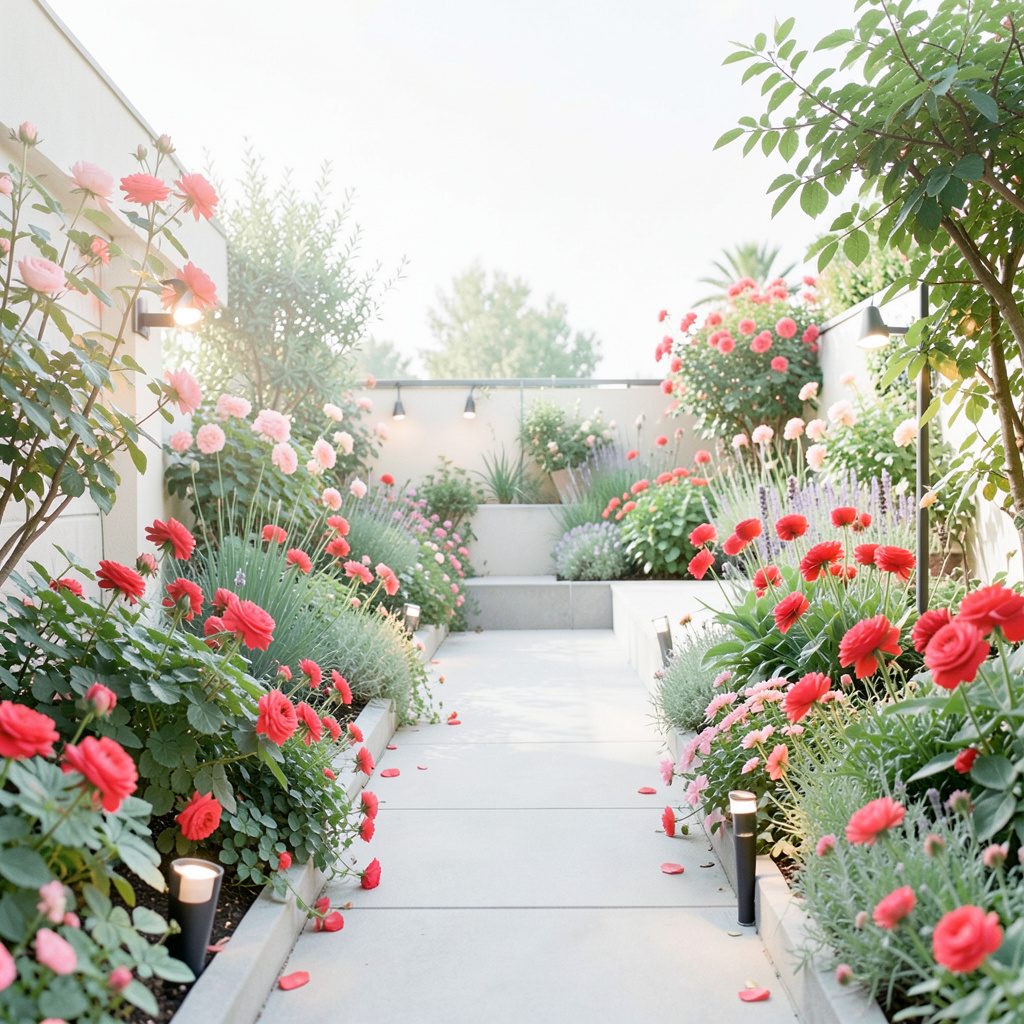
Contemporary gardens rely on clean lines, restrained materials and lighting that feels integrated rather than decorative. LED bollard lights suit this approach particularly well, creating a low, architectural glow along paths, driveways, terraces and entertaining areas. Their upright form adds rhythm to a landscape while directing attention towards planting, paving and changes in level. Learn more about 214622 Cashback Bonus Voor Nieuwe Spelers.
In Australia, outdoor lighting also has to cope with intense sun, sudden storms, salty coastal air and long summer evenings spent around the alfresco. A fitting that looks elegant in a Melbourne courtyard may need a different specification for a Brisbane garden or a coastal home near Perth. Choosing the right beam, finish, power source and weather rating is therefore as important as choosing the style. Learn more about Meredithlbl.com.
LED technology makes bollard lighting practical for everyday use. It consumes less energy than older halogen systems, generates limited heat and provides reliable illumination for movement after dark. Integrated solar models can be useful in areas without convenient wiring, while mains-powered fittings generally deliver more consistent brightness throughout the night.
The best schemes treat garden lights as part of the landscape design rather than an afterthought. A path should be easy to follow, steps should be clearly visible and seating areas should feel comfortable without being overlit. With thoughtful spacing, contemporary bollards can provide all three benefits while preserving the atmosphere of the garden.
Why Bollard Lighting Works In Modern Gardens
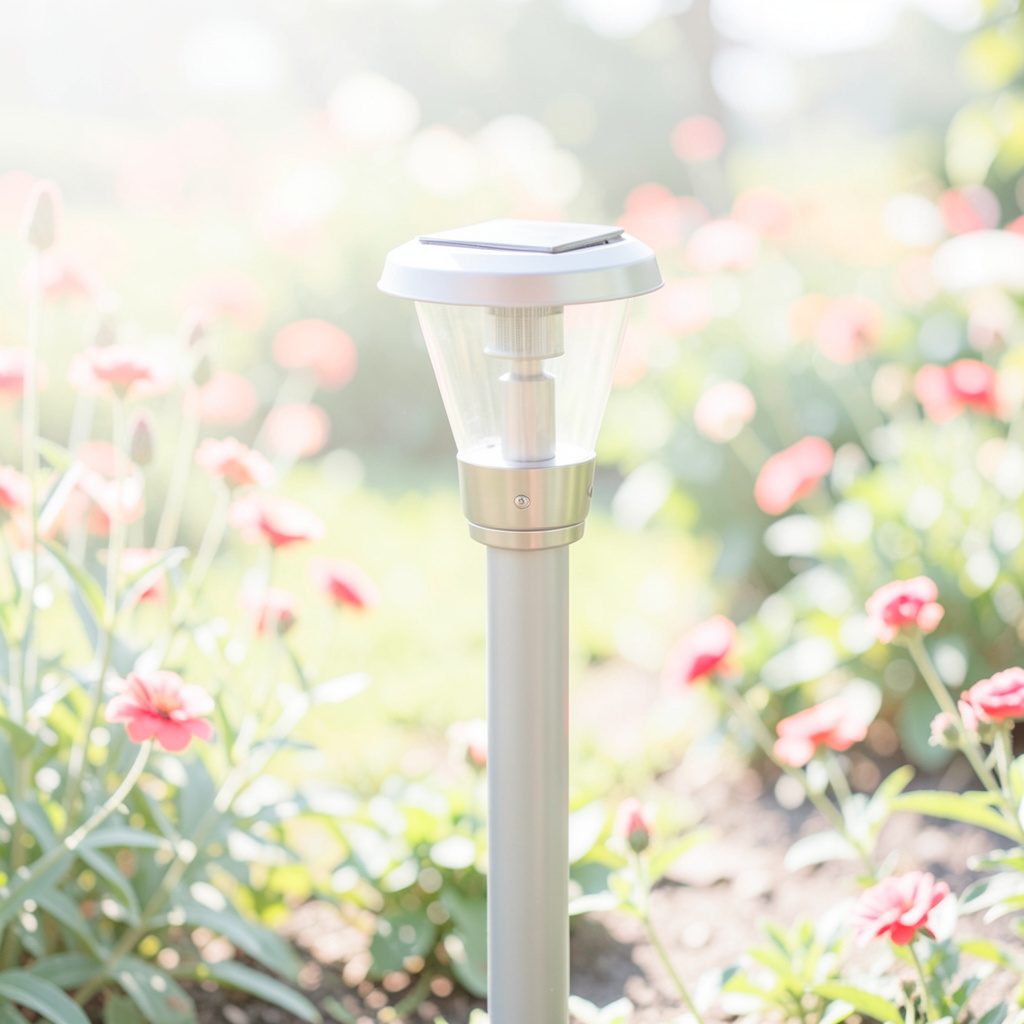
Bollard lights create a repeated vertical element that complements rendered walls, concrete pavers, steel edging and structured planting. A simple black aluminium body can echo window frames or fencing, while a brushed stainless-steel finish works well beside pale stone and coastal planting. For a softer look, choose a warm white LED around 2700K to 3000K rather than a stark, cool colour.
Their height gives them an advantage over small path lights. Light can spread across a wider section of paving, helping define the route without placing bright fixtures directly at ankle level. Low-glare caps and downward-facing optics are especially valuable beside a front path, where guests should see the surface clearly without looking into a lamp.
Bollards also help organise larger outdoor spaces. Place them beside a transition from lawn to terrace, around a pool boundary where permitted, or along the edge of a long driveway. In a compact Sydney courtyard, two or three carefully positioned fittings may be enough to frame the space and make it feel more deliberate.
Choosing The Right LED Specification
Begin with the light distribution rather than the appearance of the fitting. A 360-degree diffuser creates a broad ambient glow, but it may send light into neighbouring properties or bedroom windows. A shielded, downward design offers better control and is often more suitable for suburban blocks. As a general guide, path lighting should reveal the route without turning the garden into a brightly lit corridor.
Look for an outdoor rating of at least IP44 in sheltered areas, with IP65 or higher preferable where fittings face heavy rain, irrigation spray or exposed conditions. Stainless steel, powder-coated aluminium and UV-stable plastics are dependable choices. In coastal towns such as Newcastle, Wollongong or on the Gold Coast, marine-grade materials and regular rinsing can help reduce corrosion.
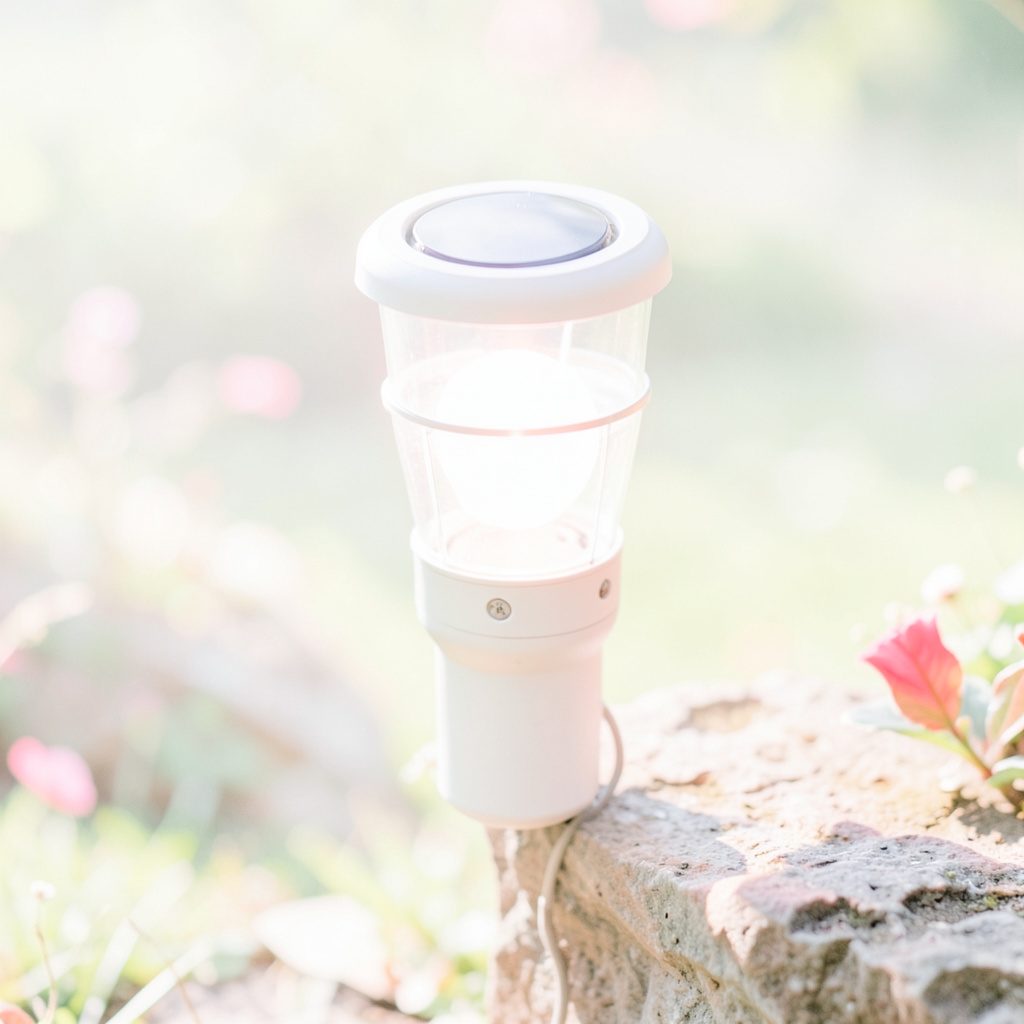
Solar bollards are convenient for garden beds and remote corners, particularly when trenching would disturb established plants. Their performance depends on direct sunlight, battery capacity and winter conditions. A product such as an InnoGear solar fitting can work well for decorative edging, while a Philips LED bollard or a comparable hardwired model is usually better when dependable overnight output is essential. For related outdoor illumination, these solar wall light ideas can help coordinate nearby walls and fences.
Planning Spacing And Visual Comfort
Spacing should respond to the shape of the path, the density of planting and the brightness of surrounding areas. Uniform rows can look formal and slightly mechanical, while alternating positions create a more relaxed rhythm. Avoid placing a light at every metre; wider gaps often produce a calmer result and reduce unnecessary glare.
For a narrow walkway, position bollards to one side or alternate them along both edges. On stairs, use additional low-level lighting to illuminate each tread rather than relying on a tall fitting above. Along a driveway, keep fixtures far enough from turning areas to avoid accidental knocks from vehicles, trailers or the family ute.
Think about what the light will reveal. A warm wash across ornamental grasses, clipped hedges or a textured rendered wall adds depth, while a lamp aimed directly at glossy leaves can create distracting hotspots. Conceal cables where possible, and check that irrigation systems will not spray directly onto electrical connections.
A few practical decisions make installation easier and safer:
- Match the bollard height to the scale of the path, planting and nearby structures.
- Choose warm white LEDs for entertaining zones and residential pathways.
- Use shielded optics where glare could affect neighbours or passing traffic.
- Select IP65-rated fittings for exposed Australian gardens and irrigation zones.
- Prefer replaceable lamps or accessible drivers when long-term maintenance matters.
- Test solar locations through winter before installing several fixtures.
- Buy from a retailer that provides clear warranty and electrical information.
Combining Bollards With Other Garden Lighting
A layered lighting plan usually feels more natural than a single bright fixture type. Bollards can define circulation, while recessed step lights improve safety on level changes and wall lights add useful illumination near doors. String lights may create a relaxed mood over a pergola, but they should complement rather than compete with the more structured pathway lighting.
Retail availability also affects the decision. Australian shoppers may compare products on Amazon, visit Bunnings or Mitre 10 for installation supplies, and look at Home Depot references when researching overseas design ideas. Check voltage, plug type, warranty coverage and delivery conditions before ordering imported products. A fitting designed for another market may require a different transformer or may lack documentation suitable for Australian installation.
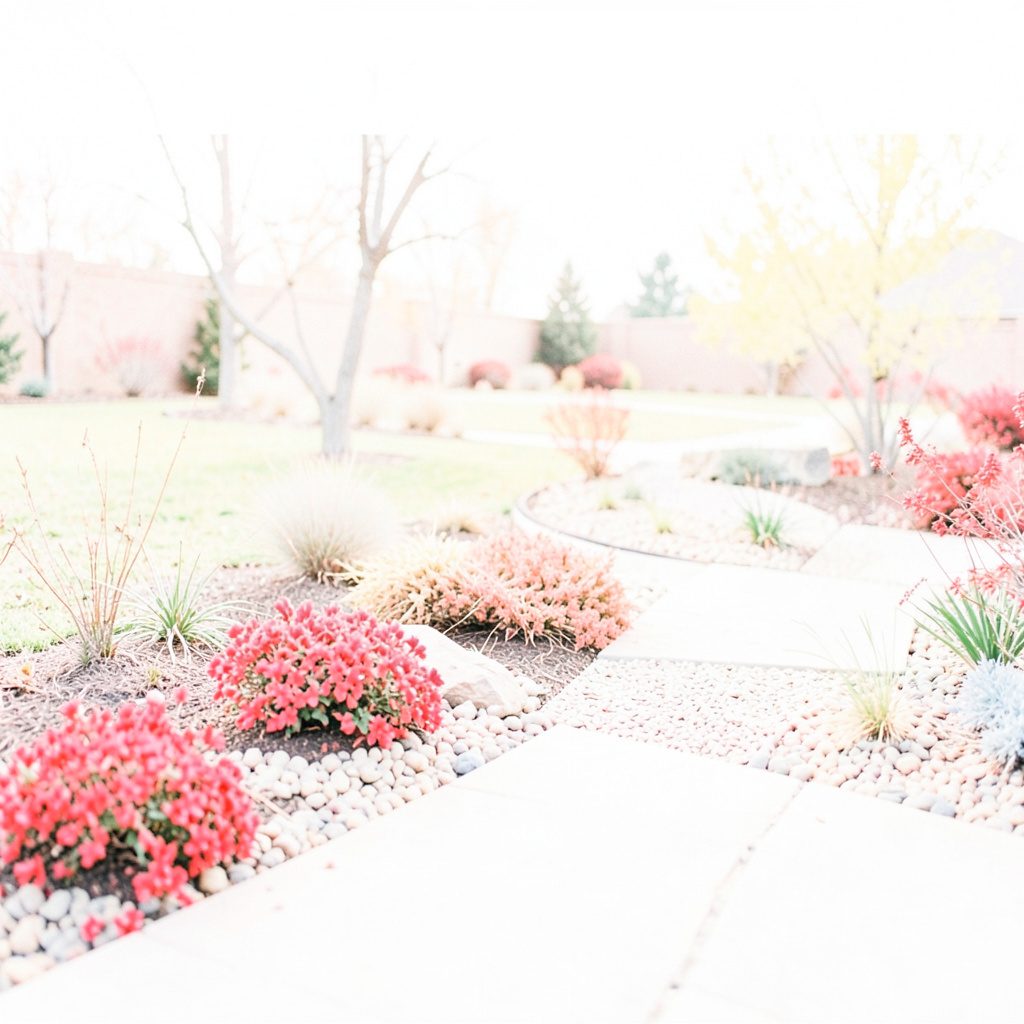
Garden character matters as much as technical performance. In a native planting scheme with grasses, banksias and scattered stones, dark bollards can disappear during the day and provide a quiet glow at night. In a leafy suburban garden, reviewing modern vegetable garden ideas can also help coordinate lighting around raised beds, edible borders and productive outdoor spaces.
Finishing A Cohesive Outdoor Scheme
The strongest contemporary installations are edited carefully. Too many fittings flatten shadows and make foliage look washed out, while too few can leave steps and path junctions uncertain. Walk through the garden after dark before finalising positions, viewing the fittings from the house, footpath and neighbouring sightlines.
Keep the colour temperature consistent across the main circulation areas, and use timers, dusk sensors or smart controls to avoid leaving lights on unnecessarily. Solar units should be cleaned periodically so dust and bird residue do not reduce charging performance. Hardwired systems should be installed by a licensed electrician, particularly where cables pass near paving, pools or outdoor structures.
For an Australian home, a sensible starting point is a small trial section: install two or three warm-white bollards along the most-used path, observe the shadows and glare over several evenings, then adjust spacing before completing the garden. Begin by marking that test run beside the front or alfresco path and checking it after sunset.