Featured Topics

How to light a fire pit area for evening gatherings
A fire pit changes character as daylight fades. In an Australian backyard, the flames may draw everyone towards the middle of the patio, while conversation continues between chairs, a nearby table and the outdoor kitchen. Lighting needs to follow that movement, creating a warm focal point without leaving faces in shadow or making the path to the door difficult to find.
Good fire pit lighting is built in layers rather than left to a single bright lamp. Decide where people sit, how they will move after dark, and which surfaces should remain visible. Then combine soft ambient light, directional light and a few low-level accents, all on a warm white tone that complements the fire.
Plan light around the people, not the fire
Begin by sketching the seating arrangement and the route between the fire pit, outdoor kitchen, garden gate and back door. The busiest conversation zones usually need more light than the centre of the pit itself. A low table lamp can illuminate a drinks area, while a directional fitting can pick out faces without washing out the flame.
Work in three layers: ambient light for general visibility, task lighting for tables and serving areas, and accent light for planting, walls or sculptural features. Warm-white LEDs around 2200–2700K usually suit a wood fire better than cool white bulbs. Look for a high colour-rendering index when people, food and timber finishes are central to the gathering.
Fixtures should sit outside the heat zone specified in the fire pit’s manual, with no cable draped near the flames. Reflective surfaces can redirect light into guests’ eyes, so angle each fitting carefully. Working through layered lighting perspectives can also help you see why several restrained sources often look more welcoming than one powerful overhead light.
Choose weather-ready fixtures for Australian conditions
Australian conditions demand more than a convincing appearance in a showroom. Look for an explicitly stated outdoor rating, such as IP44 for fittings exposed to splashes or higher protection for exposed positions. Check the manufacturer’s guidance on ultraviolet exposure, heat, corrosion and insect ingress as well, since an IP rating does not cover every outdoor stressor.
Coastal locations add another consideration. Salt-laden air around Sydney can corrode inexpensive metal fittings and connectors, while strong sunlight can degrade plastic housings. Powder-coated aluminium, sealed cable entries and replaceable components are useful features around an outdoor fire pit. Choose the IP rating for the actual installation rather than relying on the product category alone.
The local market gives shoppers plenty of choice. Compare Australian dollar pricing, stock and delivery options at Bunnings, Home Depot and Amazon.com.au, then check local warranty coverage and 220–240V compatibility. Search listings for brands such as InnoGear and Philips, but verify the specifications of the particular model rather than assuming every imported fitting suits Australian conditions. Browsing outdoor lighting ideas can help you visualise how the surrounding patio might look beyond the fire feature.
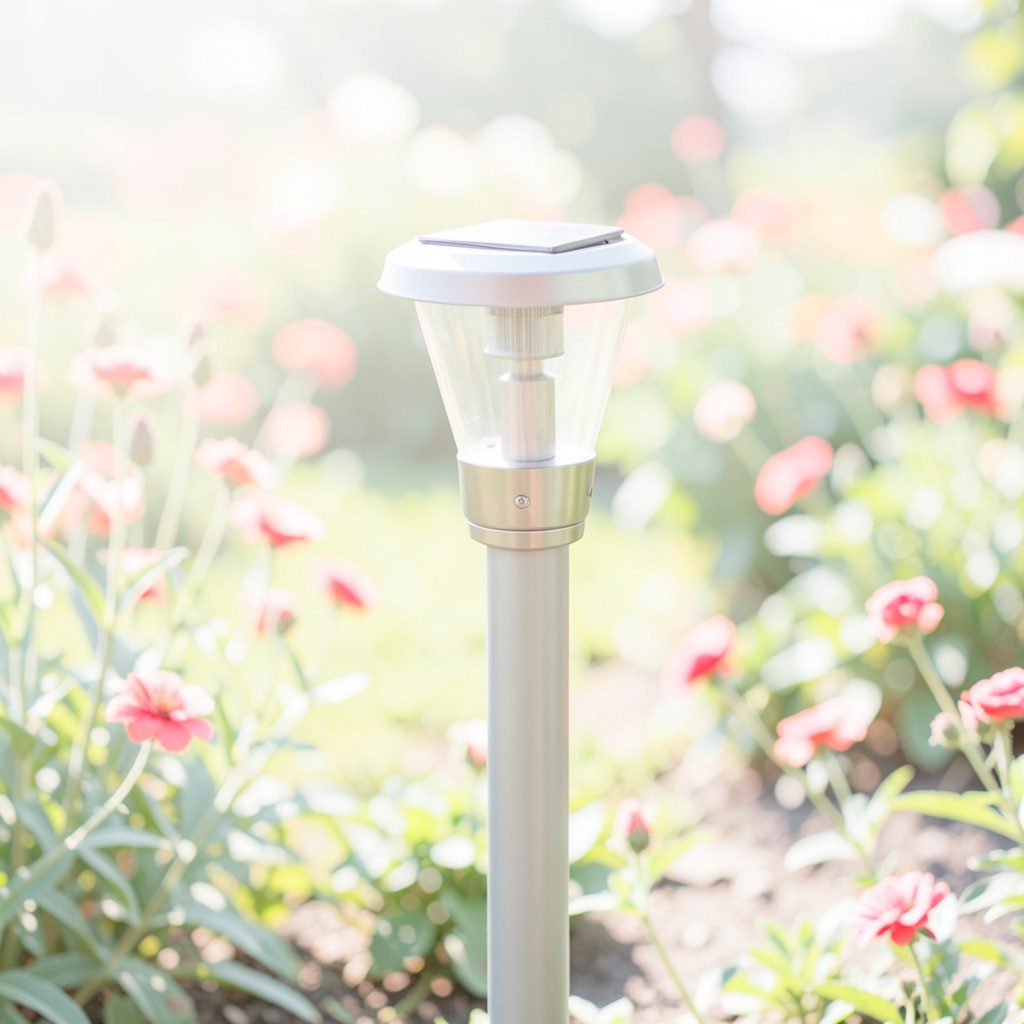
Solar lighting suits paths and garden borders, provided its panels receive strong direct sunlight. For most Australian latitudes, orient the panel towards the northern sky and keep it clear of tree shade and soot from the pit. Check the stated battery runtime on cloudy days, not merely the brightest evening, and look for models with replaceable batteries where possible.
Control glare and create depth with smart lighting
Once the main fixtures are in place, adjust their intensity. Dimmable LEDs let you keep the seating area soft after the initial arrival, when brighter task lighting makes finding glasses, plates or steps easier. Aimed spotlights can highlight a planter, textured wall or the stone surround, adding depth without requiring every surface to be illuminated equally.
Accent lighting should reinforce the fire pit’s position rather than compete with it. Try mounting a spotlight on a nearby wall or tree and aiming it towards the ground behind the pit. Backlighting creates a warm silhouette effect and gives the flames visual separation. Avoid pointing colour-changing lights directly at guests, where shifting hues can make faces look harsh.
For garden accents, this Philips Hue Lily review is useful background when comparing outdoor spotlights. Check whether a bridge is required for the control features you want, and confirm compatibility with your phone and existing smart-home system. The same care applies to integrated lights: their colour and placement matter more than adding every available effect.
Smart controls can handle timers, dimming and group switching, but they depend on reliable power and network coverage. Test commands before guests arrive, keep backup controls nearby and avoid placing hubs or hubs’ power supplies near heat or moisture. A simple manual switch remains a worthwhile safeguard, especially for outdoor equipment used only occasionally.
Use a practical fire pit lighting checklist
Use the first list to plan the physical layout, then use the second when comparing products and power options.
Layout and fixture checks
- Mark chairs, tables, steps and the route from the gate or back door.
- Aim most light towards seating and serving surfaces, never straight into guests’ eyes.
- Provide low-level markers along paths without lighting the entire garden.
- Check each fitting’s outdoor rating, cable length and required heat clearance.
- Plan an RCD-protected power supply, covered connections and trip-free cable runs.
Shopping works best when every fitting has a clear purpose and a suitable place to live. This comparison of outdoor smart plugs helps distinguish weather-rated models from standard indoor plugs, which belong only in dry, covered locations.
Purchase and setup checks
- Compare Australian dollar prices and availability at Bunnings, Home Depot and Amazon.com.au.
- Verify Australian warranty cover, 220–240V compatibility and included accessories.
- Check lumen output, battery runtime and charging claims instead of brightness alone.
- Confirm dimmer, app and hub compatibility before buying connected equipment.
- Use a licensed electrician for new fixed wiring or suitably located outdoor sockets.
Set the scene before the first guest arrives
Do a full test at dusk, when you can judge glare and shadows under the conditions the gathering will actually use. Walk the complete route, sit in each chair and check that faces, steps and serving surfaces remain visible. Fine-tune the aim and brightness with the fire unlit as well as burning, since flames already provide a changing source of light.
Aussie summer arvos often continue well after sunset, and BYO drinks keep people circulating between the fire pit, terrace and indoor kitchen. Rechargeable table lamps can provide gentle flexibility for later conversations without flooding the patio. Keep the fire pit’s safety instructions in view, follow local restrictions, have water or sand nearby and never leave the fire unattended.
Prepare the seating, power connections and lighting in that order, then leave a little adjustment time before anyone arrives. Tonight, set out one warm, dimmable light at dusk, walk around the seating area and adjust its angle until faces are lit without glare.