Featured Topics

Best Outdoor Smart Plugs For Controlling Lights
Outdoor smart plugs make garden lighting easier to schedule, automate and control from a phone. They can switch decorative festoon lights, pathway lamps, porch lights and some low-voltage lighting transformers without requiring a manual trip outside every evening. For Australian homes, the right model needs to suit local power standards, weather conditions and the realities of outdoor entertaining.
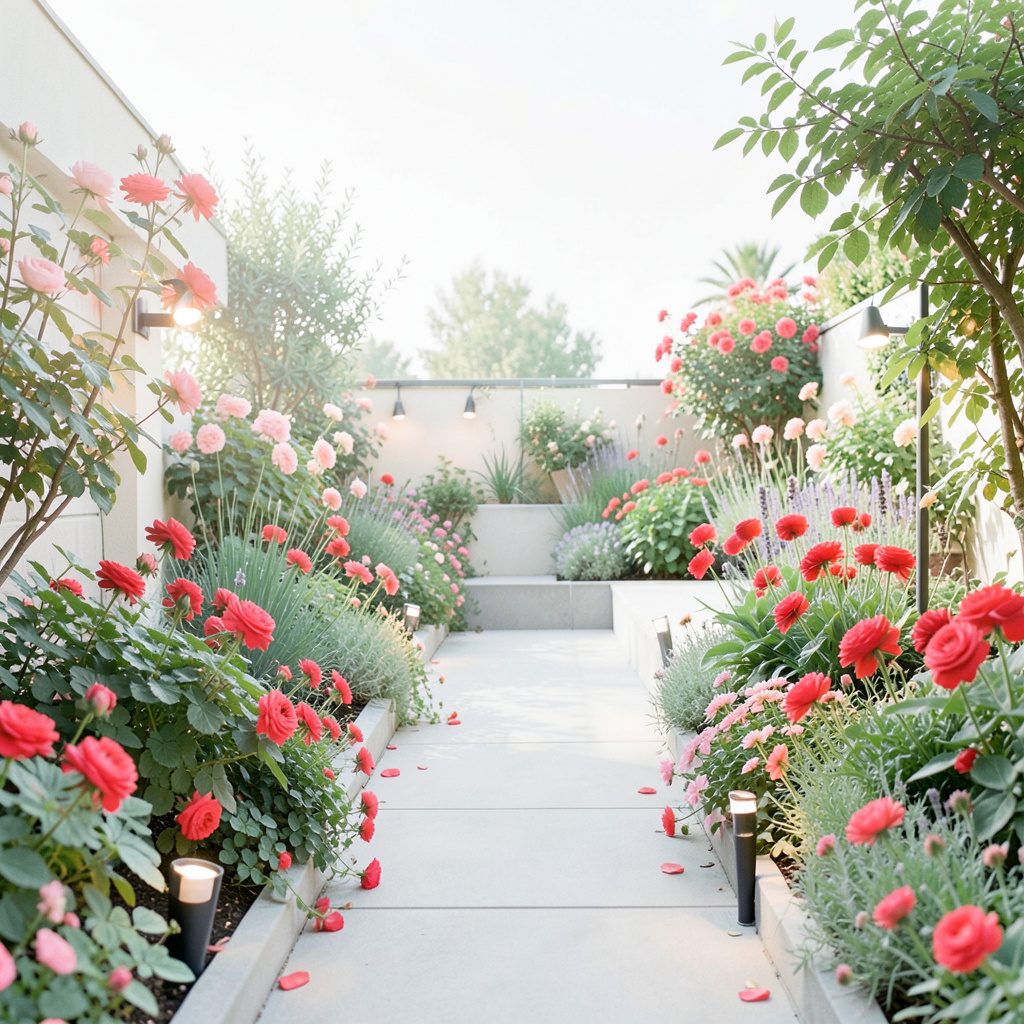
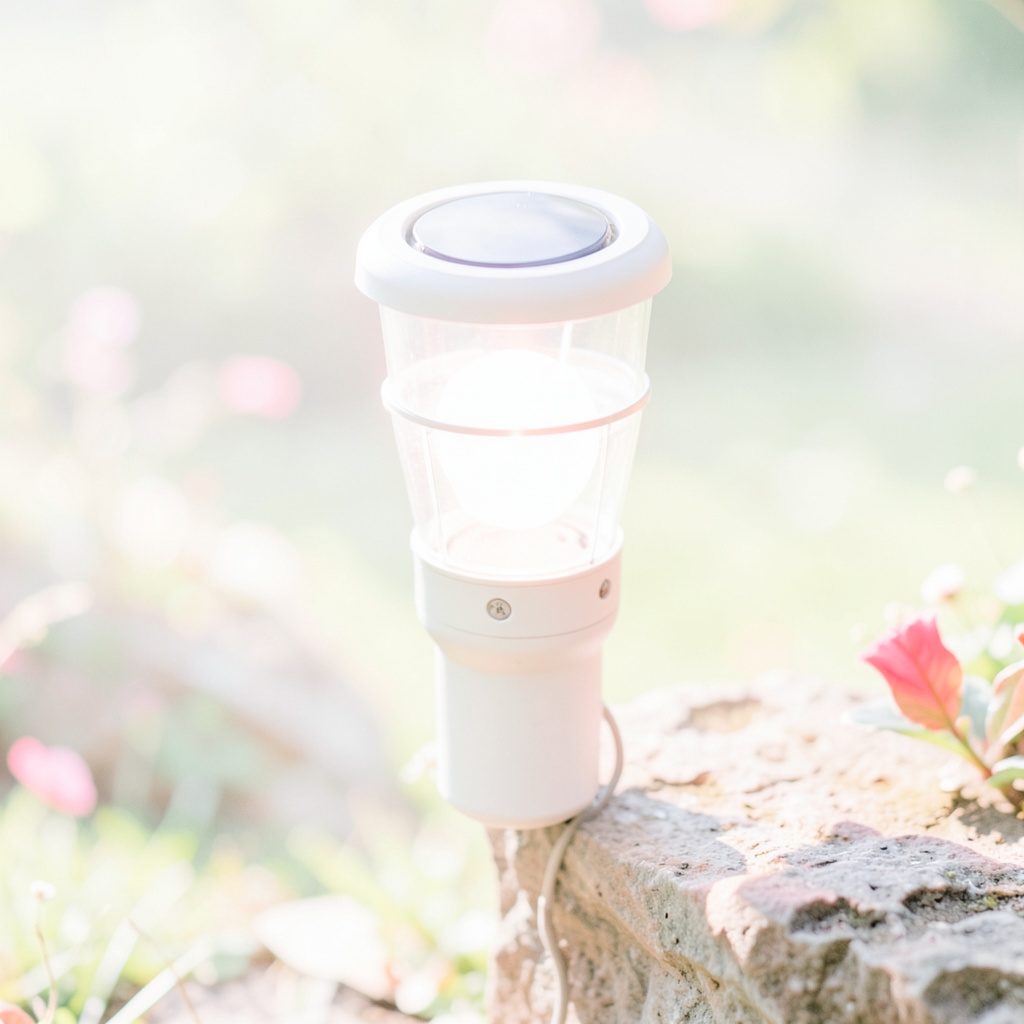
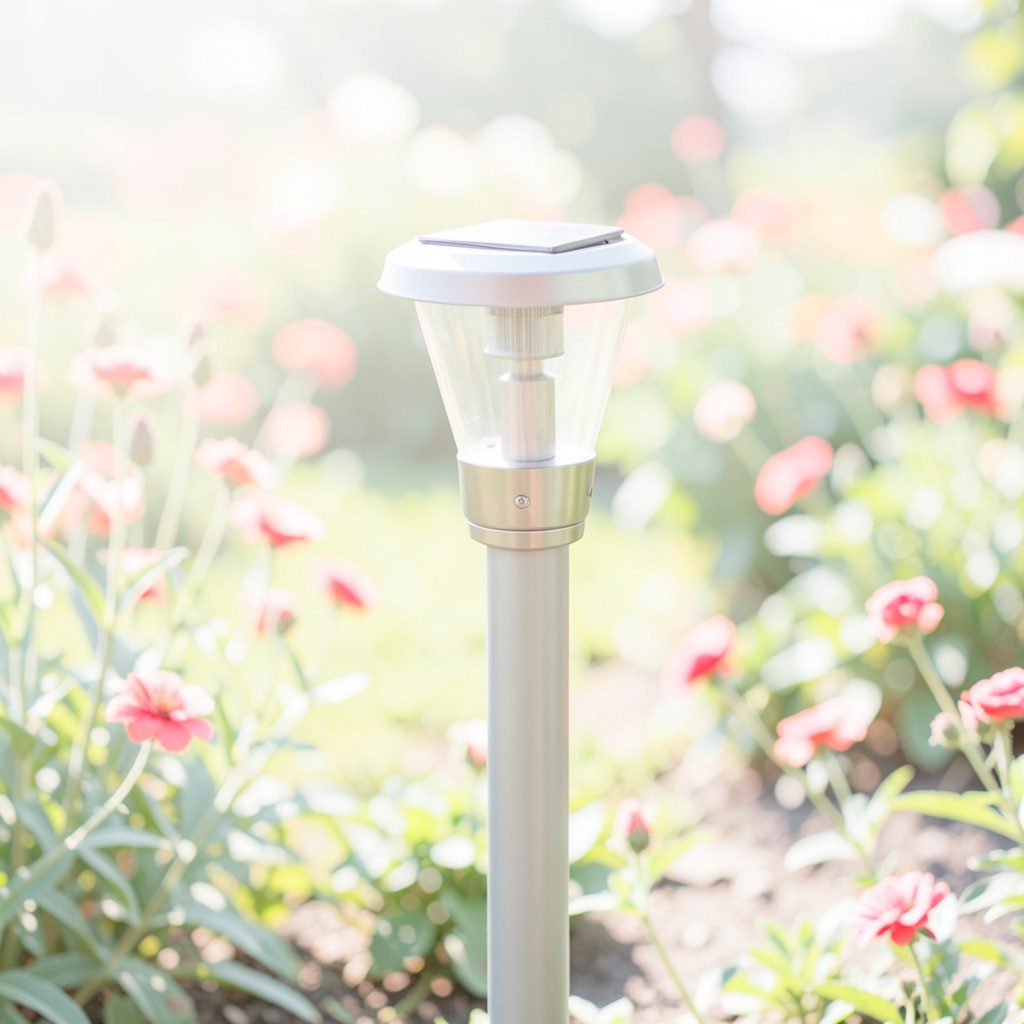
A reliable plug can also make a basic lighting arrangement feel much more considered. Combine it with solar path lights, LED garden globes or motion-sensitive security fittings, then create routines for sunset, bedtime and holidays. These landscape lighting ideas can help shape a practical plan before choosing the switching hardware.
Why Smart Plugs Suit Garden Lighting
The main advantage is convenience. A smart outdoor socket can turn lights on at sunset, switch them off at a set time, or respond to a voice command while you are inside. This is useful for a front path, alfresco area or side gate where the switch may be indoors or inconveniently placed.
Schedules are especially helpful in Australia because sunset varies considerably across the year. A fixed 6 pm timer may work in winter but leave lights running unnecessarily during long summer evenings. A plug with an astronomical timer, or one that can use local sunrise and sunset data, is generally better than a simple countdown timer.
Smart plugs are also useful when a property is empty. Randomised schedules can give the impression that someone is home, while remote control lets you check or change the lighting when travelling. The feature is most valuable when it remains dependable after a router restart or brief power interruption.
What To Check Before Buying
Australian homes use 230–240V electricity and Type I plugs, so an imported model designed for the United States, United Kingdom or Europe may be unsuitable even if its app looks appealing. Check for an Australian plug, an appropriate compliance mark and clear load information. Products sold through Australian retailers such as Amazon Australia, Bunnings or Mitre 10 are usually easier to verify than anonymous imports.
Outdoor protection matters just as much as smart functionality. Look for a stated outdoor rating, a weather-resistant casing and a cover that protects the unused socket. IP44 may be adequate in a sheltered position, while a more exposed garden installation may justify a higher rating. No plug should sit in a puddle, on wet grass or beneath a sprinkler.
The load rating needs attention too. Most LED lamps consume little power, but a transformer can draw a higher starting current than its running wattage suggests. Check the plug's maximum resistive and motor loads, and avoid connecting pumps, heaters or large incandescent displays unless the manufacturer specifically supports them.
Best Plug Types For Australian Conditions
A compact Wi-Fi outdoor plug is suitable for many patios and balconies. It connects directly to a home network and normally uses a phone app for schedules, timers and remote switching. A 2.4 GHz Wi-Fi connection is common because it travels further through walls than 5 GHz, but the signal still needs to reach the garden reliably.
Dual-outlet models are useful when you want separate control for a front entrance and a nearby path, or for festoon lights and a water feature. Check whether the sockets can be controlled independently. Some products advertise two outlets but switch them together, which limits the usefulness of separate schedules.
For homes with weak Wi-Fi at the boundary, a plug that supports a hub, mesh system or compatible smart-home platform may perform better. Products that work with Google Home, Amazon Alexa, Apple Home or Matter can fit into an existing setup, although compatibility should be checked rather than assumed. An outdoor access point may be a better solution than placing a smart plug at the edge of an unreliable network.
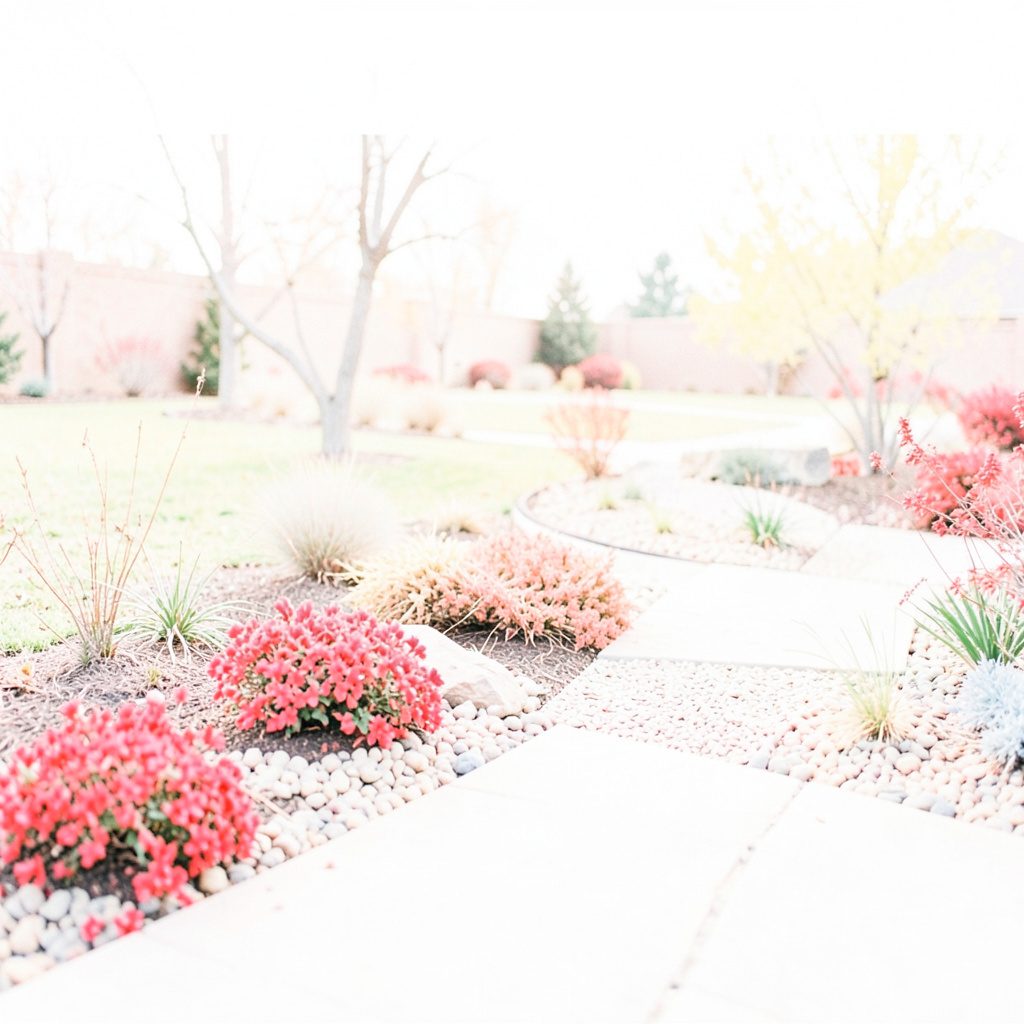
For broader inspiration, outdoor lighting systems can show how smart switching fits alongside permanent landscape fixtures, transformers and layered illumination. A smart plug is most effective when it controls a sensible group of lights instead of being used to compensate for poor fixture placement.
Setting Up Reliable Outdoor Scenes
Place the plug in a covered, raised location where the cable does not pull against the socket. A verandah, covered deck or weatherproof enclosure is preferable to an exposed lawn edge. In Brisbane, sudden summer storms can drive rain sideways, while coastal homes in places such as Newcastle, Adelaide or Perth may need extra care around salt and moisture.
Melbourne's colder, wetter winters can expose cable joins and extension leads to prolonged dampness. In hotter parts of Western Australia and Queensland, direct afternoon sun can make plastic housings age faster. Shade, ventilation and a protective cover help, but the manufacturer's temperature range should still be respected.
Set up simple scenes rather than complicated chains of automation. A “welcome home” routine might switch on the porch and driveway lights at sunset, while a later schedule turns off decorative lighting at 10.30 pm. Motion sensors can then handle occasional movement near a gate or garage without leaving every fitting illuminated all night.
Australian daylight-saving differences are worth remembering. New South Wales, Victoria, Tasmania, South Australia and the ACT change clocks seasonally, while Queensland, Western Australia and the Northern Territory do not. A well-designed app should use the phone or account's correct location and time zone, but it is sensible to review schedules after a clock change.
Practical Buying Recommendations
Use these criteria when comparing models and retailers:
- Choose an Australian Type I plug with clear 230–240V specifications and recognised local compliance information.
- Select an outdoor-rated casing with a secure cover, especially for exposed patios, balconies and garden edges.
- Prefer sunset, sunrise, countdown and randomised scheduling over a basic fixed-time timer.
- Confirm that the maximum load supports the connected LED driver or transformer, including its starting demand.
- Check whether separate outlets can be controlled independently if the unit has two sockets.
- Look for reliable 2.4 GHz Wi-Fi, hub support or a compatible mesh option before installing the plug far from the router.
- Use an RCD-protected circuit and keep all joins, extension leads and adaptors away from standing water.
Brand availability changes, so compare current specifications rather than relying on a product name alone. Arlec Grid Connect products are familiar in the Australian market, while TP-Link, Meross and similar brands may offer useful app and platform support in selected models. Always confirm that the exact version is an Australian release; an overseas model with a similar name can have a different plug, voltage rating or software region.
An outdoor smart plug should never be treated as a replacement for proper fixed wiring. If the installation involves new outdoor power points, buried cable, pool areas, permanent lighting circuits or a circuit that repeatedly trips, use a licensed electrician. RCD protection reduces electrical risk, but it does not make damaged equipment or submerged connections safe.
A Safer, Simpler Lighting Routine
Smart control works best when the lighting load is modest and clearly defined. LEDs are usually a good match because they use little energy, produce less heat and can remain on for entertaining without the running cost associated with older halogen lamps. Grouping several compatible fixtures on one switched circuit also makes troubleshooting easier.
Security lighting needs a slightly different approach from decorative lighting. A path or porch lamp can follow a sunset schedule, while a sensor-controlled floodlight should react to movement and avoid shining continuously into bedrooms or neighbouring properties. This security lighting guide provides useful context for balancing visibility, glare and placement.
Check the plug and connected lights at the start of each season. Look for cracked seals, corrosion, loose cable connections and water inside the cover. Test the schedule after a power cut, confirm the clock is correct after daylight saving changes, and keep a manual switching option available for occasions when the Wi-Fi network is offline.
The practical takeaway is simple: choose an Australian-compliant, weather-rated smart plug, connect it to an RCD-protected outdoor circuit, and use sunset-based schedules for low-wattage LED garden lights. This combination delivers convenient control without making outdoor lighting unnecessarily complicated.