Featured Topics

Lighting the patio with LED fabric lanterns
Summer evenings in Australia put the patio centre stage. The daylight slides sideways across the table, the barbecue comes off, and the whole house shifts into a softer gear. Problems arrive at that hour too: hard downlights that flatten a face, string lights that glare straight into the eyes of anyone sitting opposite, and garden lamps that either do nothing or flood the neighbours' fence. Fabric lanterns sit neatly between those extremes, spreading a warm, even wash of light that keeps people, plants and timber looking good long after the sun has gone. Learn more about License2rock.com.
A fabric lantern is a shade rather than a bulb. Stretchy polyester or ripstop nylon is fitted over a frame, sometimes with a bamboo hoop or a simple ring at the top, and an LED module sits inside. Because the light source is hidden and diffused, there are no visible hotspots and no harsh filament to stare at, which is why they work so well for eating outside. The best models run on warm white around 2200K to 2700K, dim down to a candle-like glow and cost almost nothing to run. Cord lanterns hang from pergolas and umbrellas, battery and solar versions sit on tables and along paths, and the fabric can be swapped for a different colour when the mood changes. Learn more about Led Strip Lights For Under.
Why fabric lanterns suit Australian backyards
The first advantage is diffusion. Outdoor living areas in Sydney, Melbourne, Brisbane and Perth are often open to the sky, so a single exposed bulb reads as a spotlight rather than ambience. A fabric shade throws light in every direction at once, and the result is closer to the soft interior spill of a lamp in a lounge room. It flatters brick, sandstone and rendered walls, and it makes a table setting look deliberate even when the furniture is a mix of old and new. Learn more about Epi Light.com.
Climate is the second consideration, and Australia is a demanding place to hang anything outdoors. Coastal air around the Northern Beaches, the Gold Coast or Fremantle is salty and corrosive, so look for lanterns rated at least IP44 with powder-coated or anodised metal fittings, and expect to replace fabric covers that fade or fray in a few summers. Inland heat is harder on the hardware: Melbourne and Adelaide can push past 35°C, and soft panels will sag if they are stored in a hot garage or car boot. Panels that are UV-stabilised, washable and available in spare colours solve most of that, and the same applies to batteries, which lose capacity when stored above about 40°C. Learn more about Best Smart Outdoor Lights Compatible.
The third factor is the bushfire season. From December through March in Victoria and New South Wales, no naked flame belongs near a deck, an eave or dry vegetation, and most decorative lanterns sold here already use enclosed LED modules for that reason. Keep shades clear of timber and garden beds, and prefer a wired or rechargeable product over anything that burns fuel. For ideas on weaving lanterns into an existing lighting plan rather than bolting them on, the License2Rock outdoor lighting site offers a useful guide to balancing ambient and task lighting across a garden. Learn more about How To Choose Solar Lights.
Choosing bulbs and colour temperature
Warm white is the workhorse. Around 2200K the light has an amber, almost candlelit character that suits timber decking and brick; 2700K is the most versatile and the easiest to match with other garden fittings; 3000K is crisper and better reserved for pathways, steps and driveways where visibility matters more than mood. Mixing temperatures across one small area is the most common mistake, so settle on one for the seating zone and use a slightly cooler tone only where you genuinely need to see. Colour-changing RGB lanterns are fun for parties, but the warm-white setting is usually the one that makes a space feel expensive.
Brightness is regularly overestimated. A single lantern producing around 150 to 300 lumens is plenty when it hangs at eye level and dims to about thirty per cent, and a cluster of three modest lanterns will outshine one glaring fixture. Check the colour rendering index as well: anything at CRI 80 or above keeps food, foliage and skin tones looking natural rather than washed out. Philips and InnoGear both publish lumen output, colour temperature and IP ratings on their product listings across Amazon.com.au and Home Depot, which makes comparing like with like simple. If you are ordering from an overseas seller, remember that Australian Customs applies GST and an import processing charge to many low-value parcels, so the shelf price in dollars is not always the landed price.
Layering does the heavy lifting. Once a lantern handles the overhead glow, a continuous line of light at a lower level adds polish, and the notes on LED strip lighting options are worth reading before you commit to a run of metres. Strip lighting tucked beneath a pergola beam or a bench edge defines the ceiling of the outdoor room without adding a single extra fitting to the roofline.
Hanging, spacing and glare control
Height decides whether a lantern feels like a lamp or a lantern in the sky. As a rule, hang the base of the shade sixty to ninety centimetres above head height so seated guests look under it rather than into it. Along a dining table, that usually means a bottom edge around 1.9 metres from the paving. Spacing is generous by nature: leave one and a half to two metres between lanterns, and use odd numbers in a row so the rhythm feels casual rather than gridded. Groups of three hung at slightly different heights create a cluster that reads as a single object.
Fixings matter more than they should. Cord lanterns hang from pergola beams, umbrella ribs, hooks under eaves or a purpose-built stand with a weighted base, and each needs a safety bond in case a hook pulls free. Coastal suburbs and high-rise apartments see more wind than people expect, so test a lantern in the spot before you drill anything, and never attach a cord to a tree branch without checking for movement and sap. Swinging lanterns look wonderful in still air and become a flickering distraction in a gust, and a cord that catches on a passing branch is a hazard rather than a feature.
Shapes and materials also affect how much light reaches the ground. Cylindrical shades cast a ring of light and suit dining; square and drum shapes push light downwards; open-weave fabric gives a patterned glow on a ceiling. The Epi Light lanterns collection is a useful reference for comparing frame shapes, shade depth and the difference between a light, translucent panel and a heavier cloth. Whatever the design, check cord length, whether the shade unzips for cleaning, and whether the frame collapses for storage through winter.
Power, charging and smart control
Three power options cover most Australian patios. USB rechargeable lanterns are the simplest: charge indoors, carry out, and run for roughly six to ten hours at a moderate setting, which suits a table that only needs light for an evening. Solar lanterns are the hands-free choice, and Australia gives them an unusually good deal in Perth, Brisbane and Adelaide, where summer days deliver long stretches of sunshine. Panel placement still decides the outcome, so a north-facing position in full sun beats a shaded spot under a pergola every time, and dusty inland gardens need the panel wiped down periodically. Hardwired lanterns suit a permanently installed entertainment area, but they need outdoor-rated fittings, correct clearances and a licensed electrician if the run crosses decking or garden beds.
Smart control has quietly become the most useful feature in this category. Timers, dusk-to-dawn sensors and dimming schedules remove the need to walk outside and switch anything on, and app control lets you pre-set a scene for dinner before guests arrive. Before buying, read up on smart outdoor light compatibility, because the important question is not whether the lantern is clever but whether it works with the app and voice assistant you already use. Wi-Fi range across a yard in a large Australian home can be a genuine obstacle, and a mesh node or a Bluetooth-only lantern may suit the back corner better than a cloud-connected fitting.
Mains power carries its own rules. Outdoor cable needs to be rated for the job, connections should stay dry, and any lead in a wet area should be protected by an RCD on the circuit. Planning the cable route now, before summer crowds gather on the deck, is far cheaper than rerouting a garden bed in January.
Setups worth copying around the home
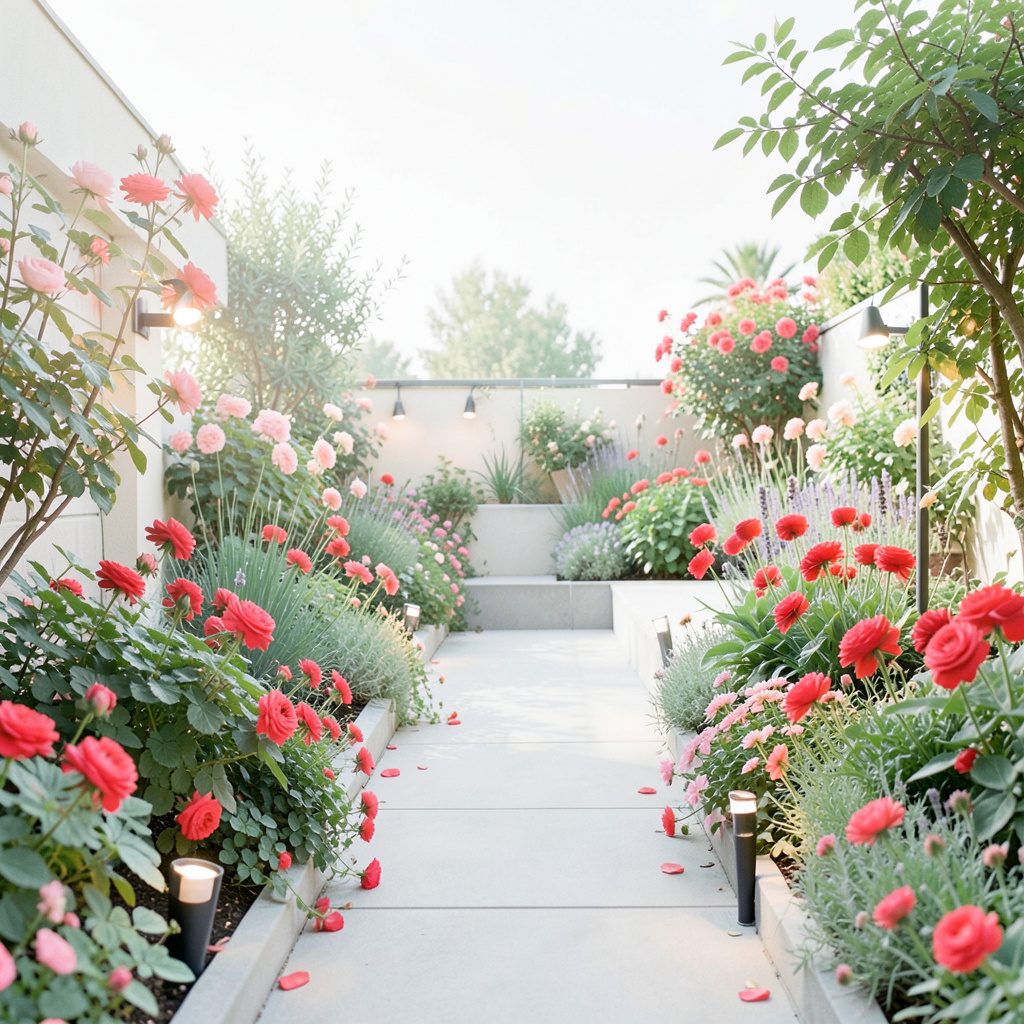
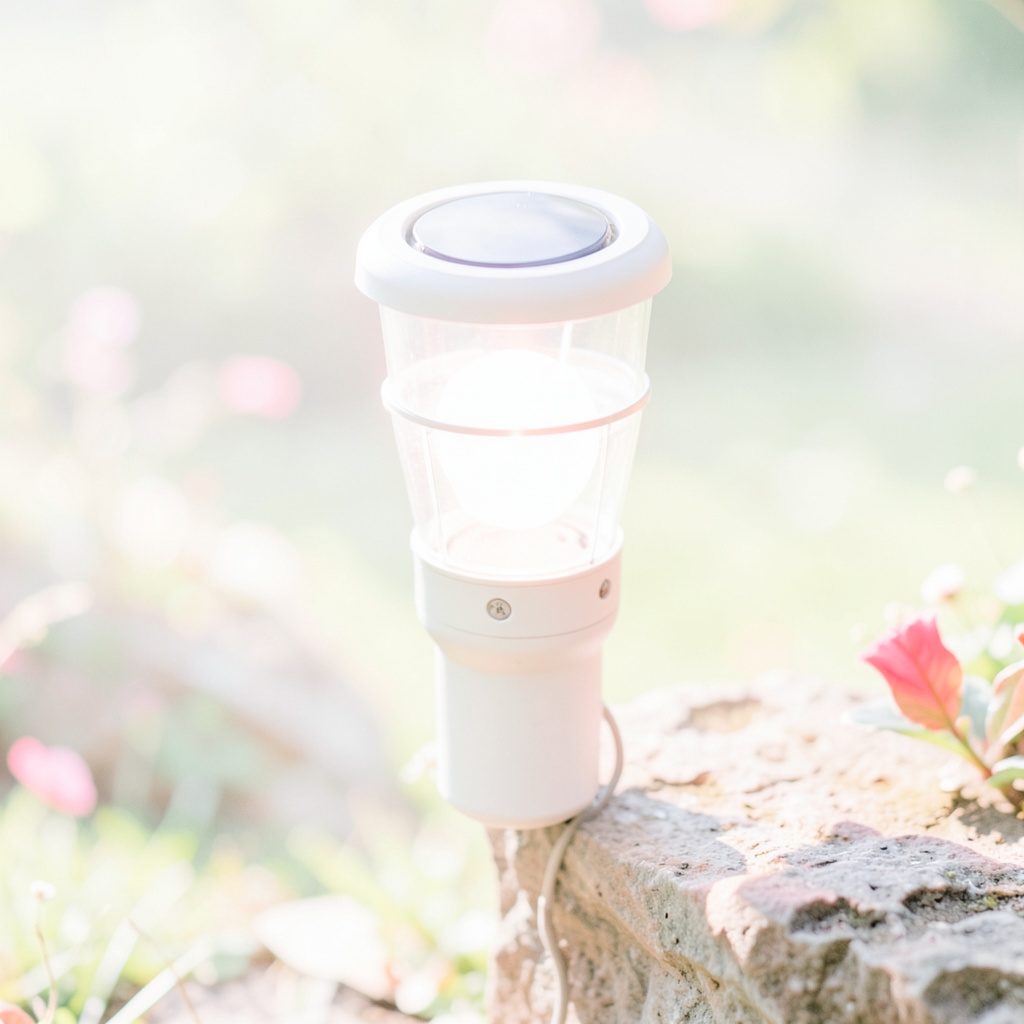
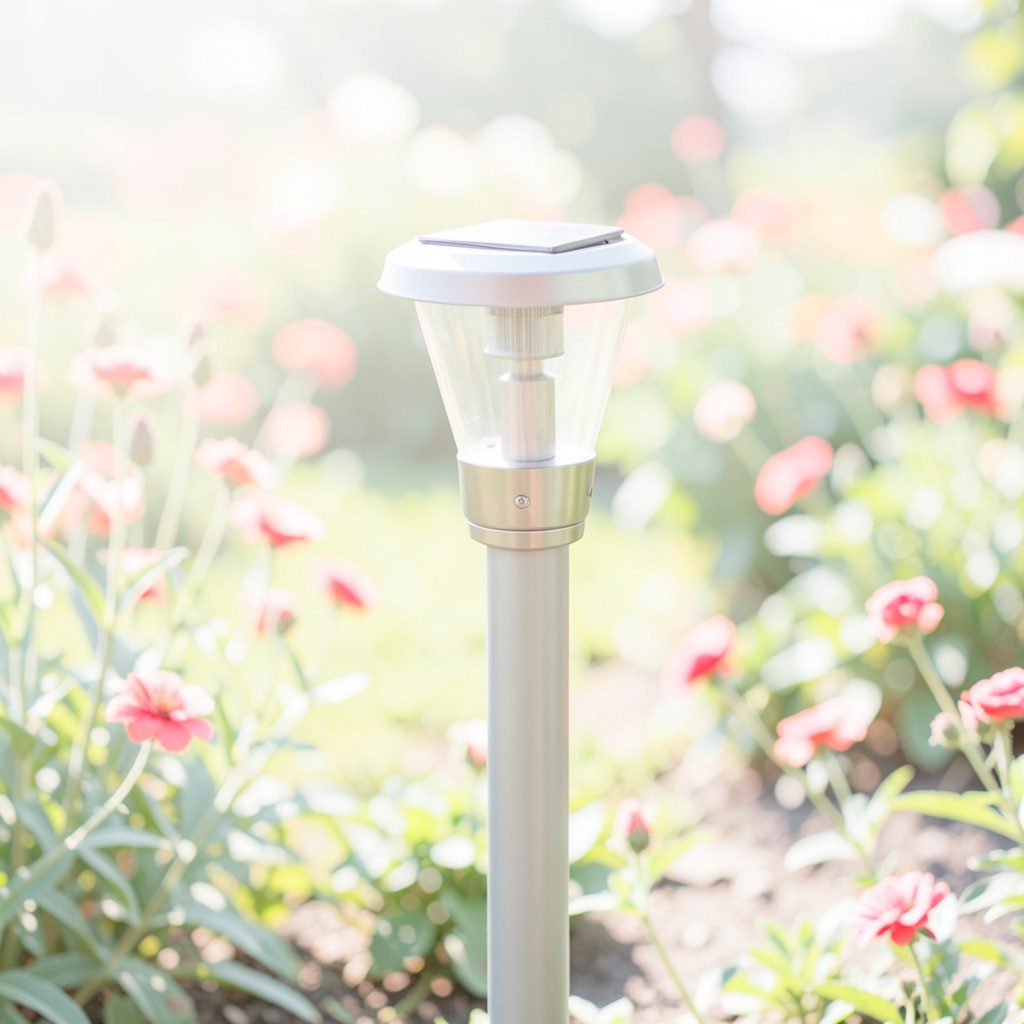
The most convincing gardens layer light rather than collecting it, and lanterns are usually the ambient layer that ties everything together. For the paths and border areas where mains power is awkward, the notes on choosing solar lights are a sensible place to start, since brightness, panel size and seasonal charge all affect how a lantern performs on a dim week. The setups below are the ones that consistently work.
- Dining under the pergola: three cord lanterns in a line above a table, dimmed to roughly thirty per cent in 2700K, with a solar table lamp or two for extra warmth at each end.
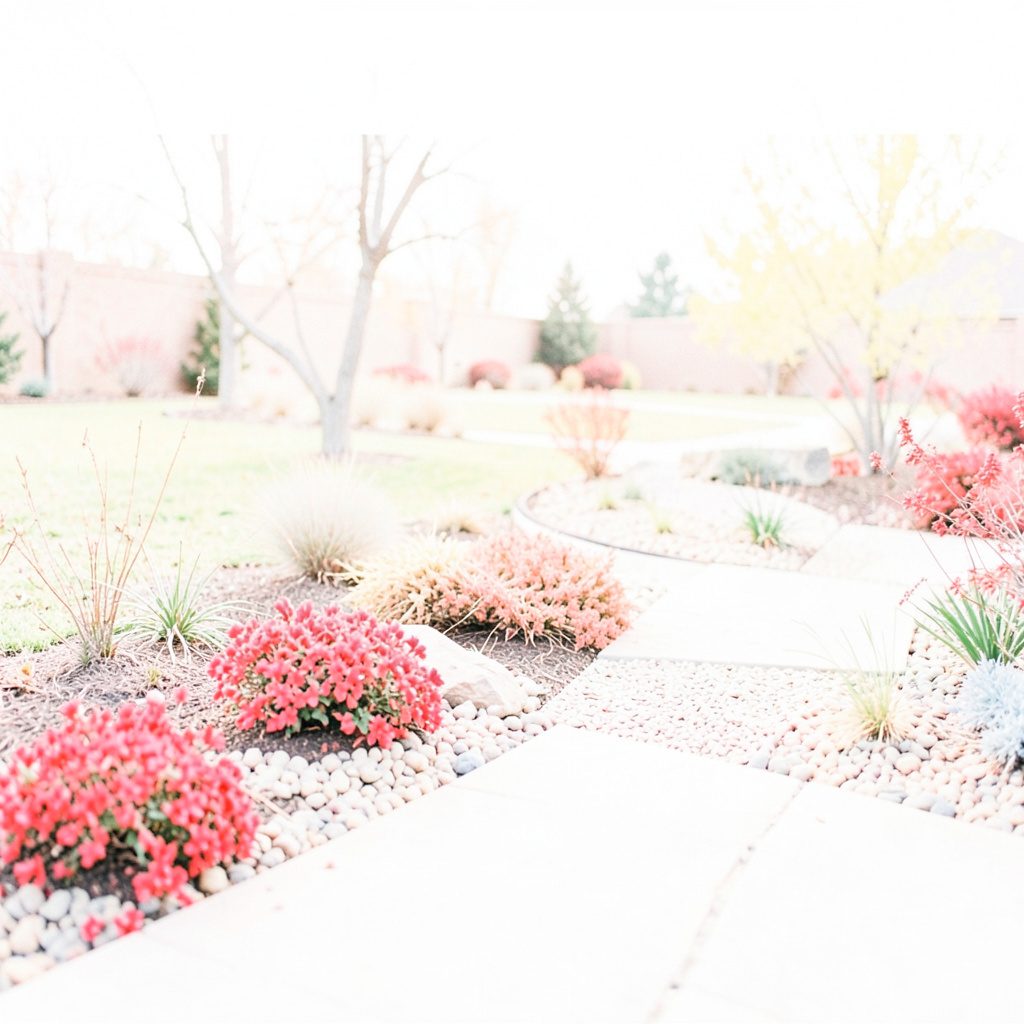
- Along a path: small shielded lanterns every metre or so on one side only, angled away from the house, so the walkway reads clearly without lighting up the whole front garden.
- Deck and steps: one larger lantern near the handrail and a low warm line of light under the deck lip, which defines the edge of the platform without glare at eye level.
- Under a verandah: a row of fabric lanterns on the ceiling line paired with strip lighting beneath the beams, keeping the brightest element at head height and the decorative one overhead.
- Around a pool or water feature: IP65 fittings only, installed on a separate circuit with no cable running through the water, and positioned so reflections do the work instead of added brightness.
- Front entrance: a pair of lanterns either side of the door on a dusk-to-dawn or motion sensor, combined with a dimmed path marker that guides visitors without waking the street.
Consistency does more than raw output. Two or three shades in the same fabric and the same colour temperature will read as one deliberate installation, while a mismatched collection looks like leftovers. Pick the shade colour to echo something nearby, such as a cushion, a door or a plant, and the glow will feel native to the garden rather than dropped into it.
The simplest way to plan is to watch the space before touching a product list. Note where the existing lights reach, where the dark corners sit after nine o'clock, and which surfaces already catch a little reflected light from the house. That observation usually removes two or three purchases from the shopping list and tells you exactly where the soft glow needs to come from.
This weekend, walk the garden and patio at dusk with a phone camera and mark three posts where light would help most, then take a photograph from each spot at the same time tomorrow night. Comparing those images will show how many lanterns you need, how high they should hang and which shade colour will work before a single fitting is bought.