Featured Topics

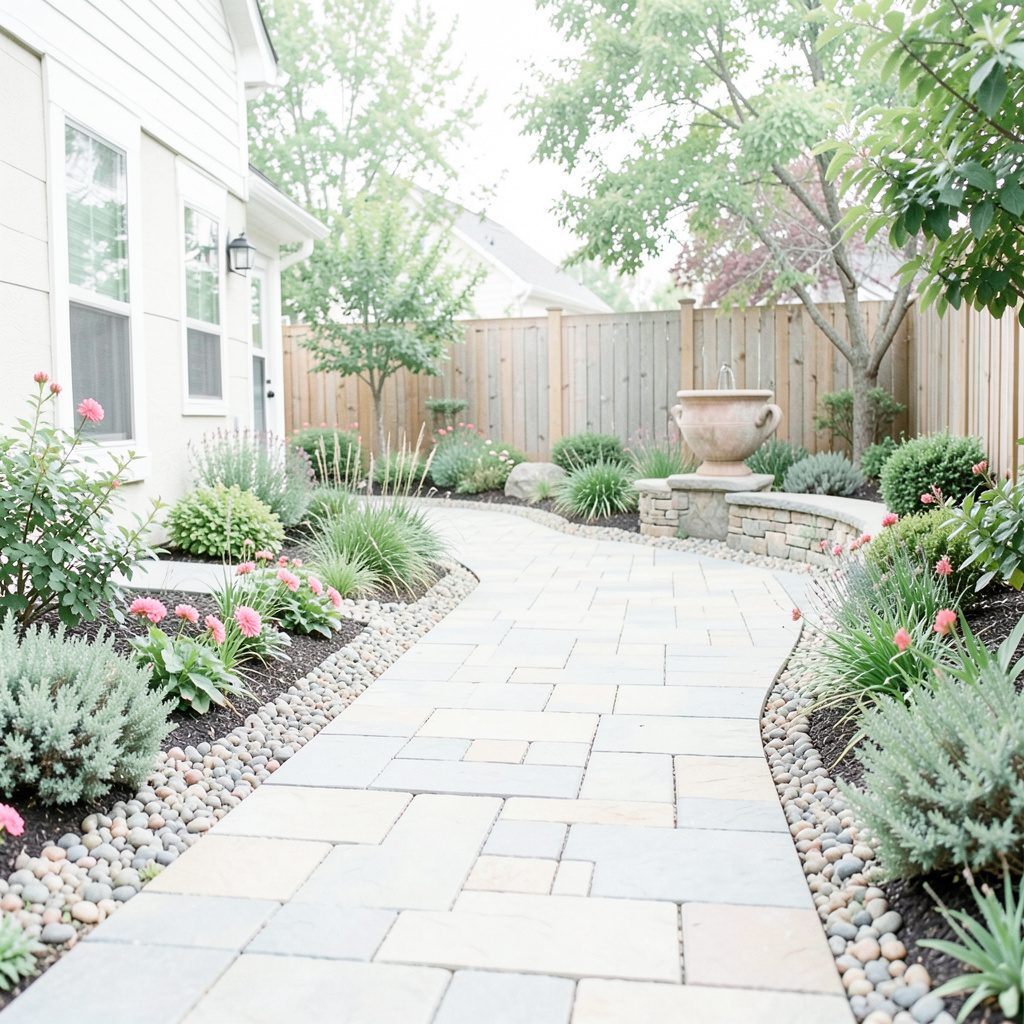
How to choose solar lights for shady yards
A shaded garden does not have to disappear after dusk. The usual advice to place a solar light in the sunniest patch may solve the charging problem while leaving the deck, path or dining corner dark. The first decision is therefore where you need light, rather than where the panel happens to fit.
Australian yards make this especially practical: tree canopies and fences are common, weekend barbies often continue outdoors, and intense summer sun can coexist with very little evening light. A good shade-lighting plan balances the charging location, the illuminated area and the number of hours the light must remain usable.
Map the shade before choosing fittings
Walk through the garden and note where direct sunlight reaches, particularly during winter, when deciduous trees cast longer shadows and daylight hours are shorter. A spot that is clear in January may sit beneath a dense canopy in July. Fences, sheds and pergolas also create shade that changes through the day.
Separate the place that needs illumination from the place that can charge the battery. A lamp beneath a verandah may look perfectly usable, but its built-in panel will receive too little energy if overhead. For a shaded yard, a separate solar panel connected to a remote light offers much more flexibility.
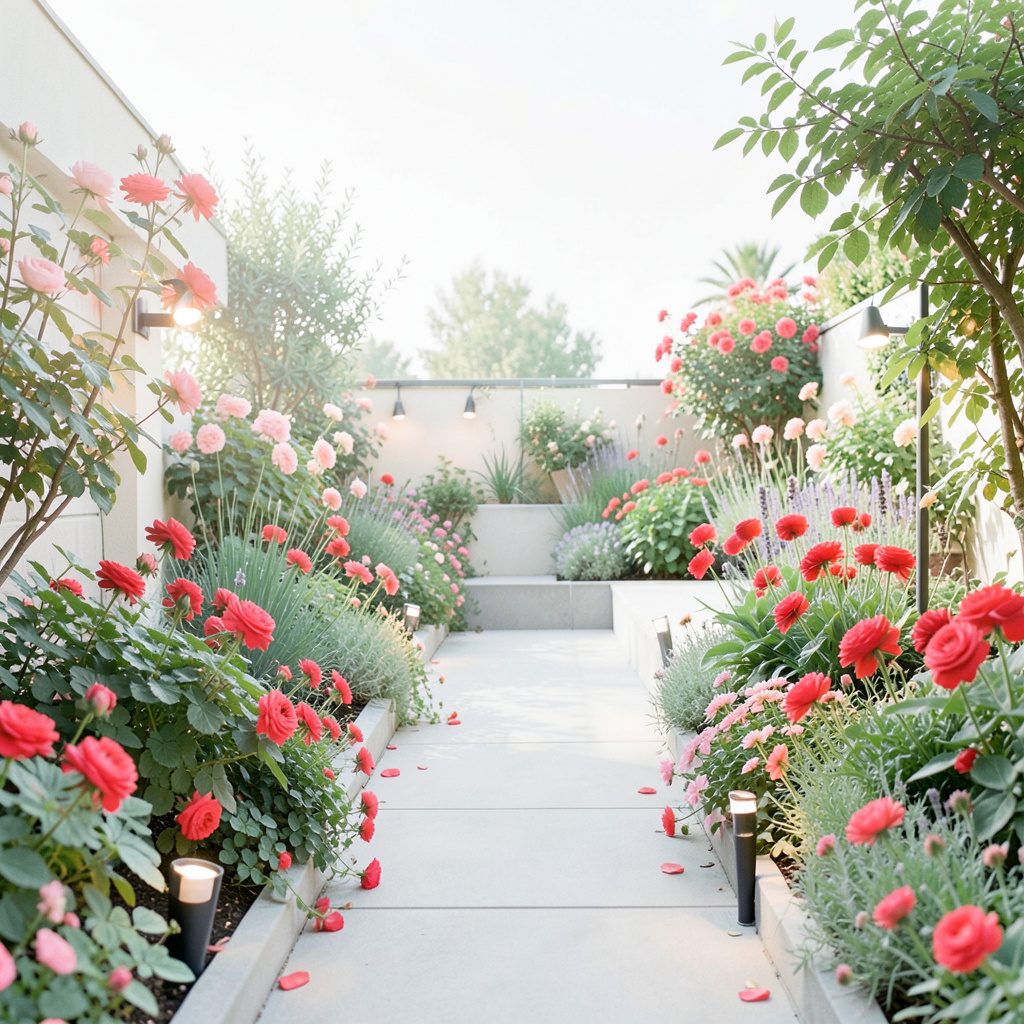
That distinction can change the whole design. Browsing garden lighting ideas is a useful way to see how placement alters a garden’s nighttime character before you commit to expensive fixtures.
Give the solar panel real sunlight
Most solar garden lights perform best with at least six hours of unobstructed direct sunlight, although the manufacturer’s requirements should take priority. In Australia, a generally north-facing panel collects useful energy throughout the year. Keep it clear of leaves, and avoid positions where a tree, roof or fence blocks the sky for most of the day.
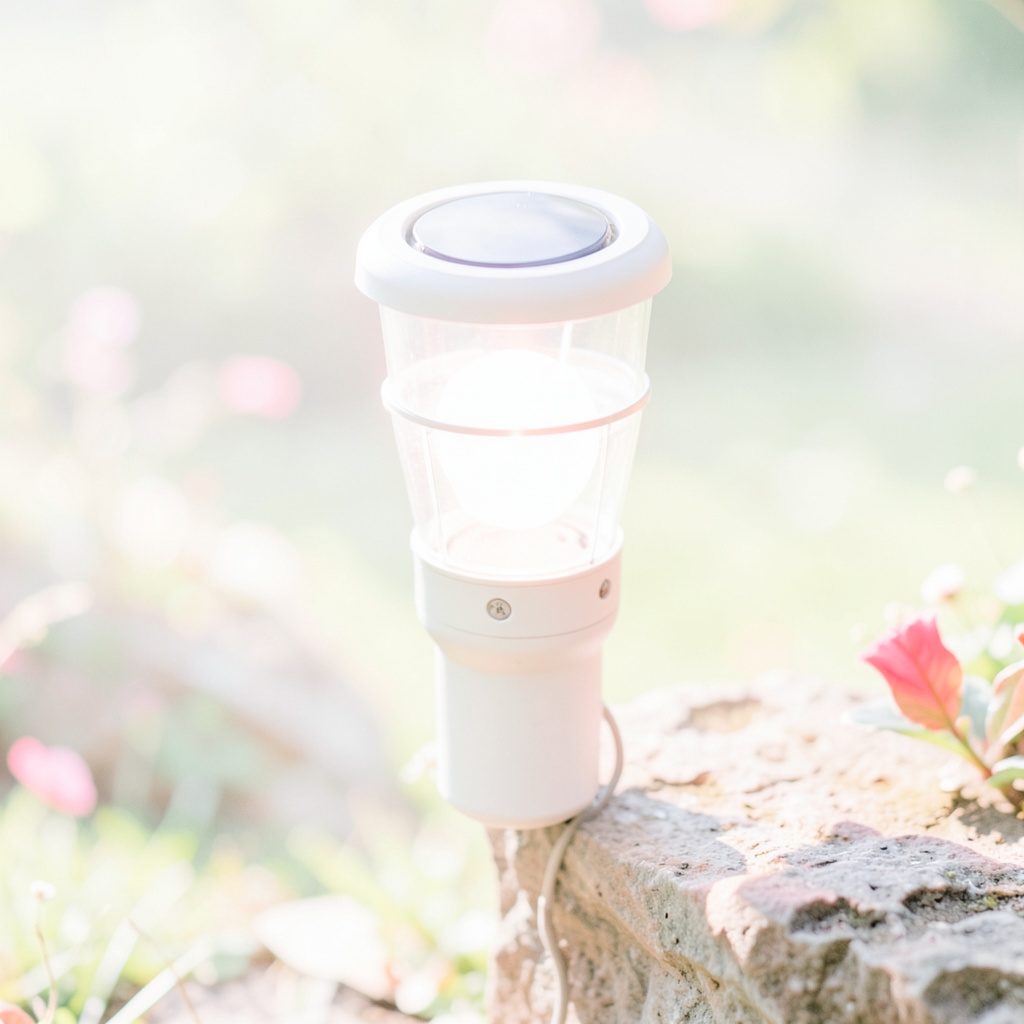
If the ideal panel position is far from the illuminated area, choose a system designed with a remote panel and cable. Use the specified cable length, secure it away from garden traffic and protect the connections from rain. A roundup of solar deck lighting helps distinguish fixtures suited to sheltered decks from basic lights intended for open lawns.
Permanent, all-day shade presents a different challenge. A small solar panel will charge poorly there, regardless of marketing claims. A larger panel may work, while a wired low-voltage system or professionally installed lighting may provide more dependable results.
Match each fitting to its purpose
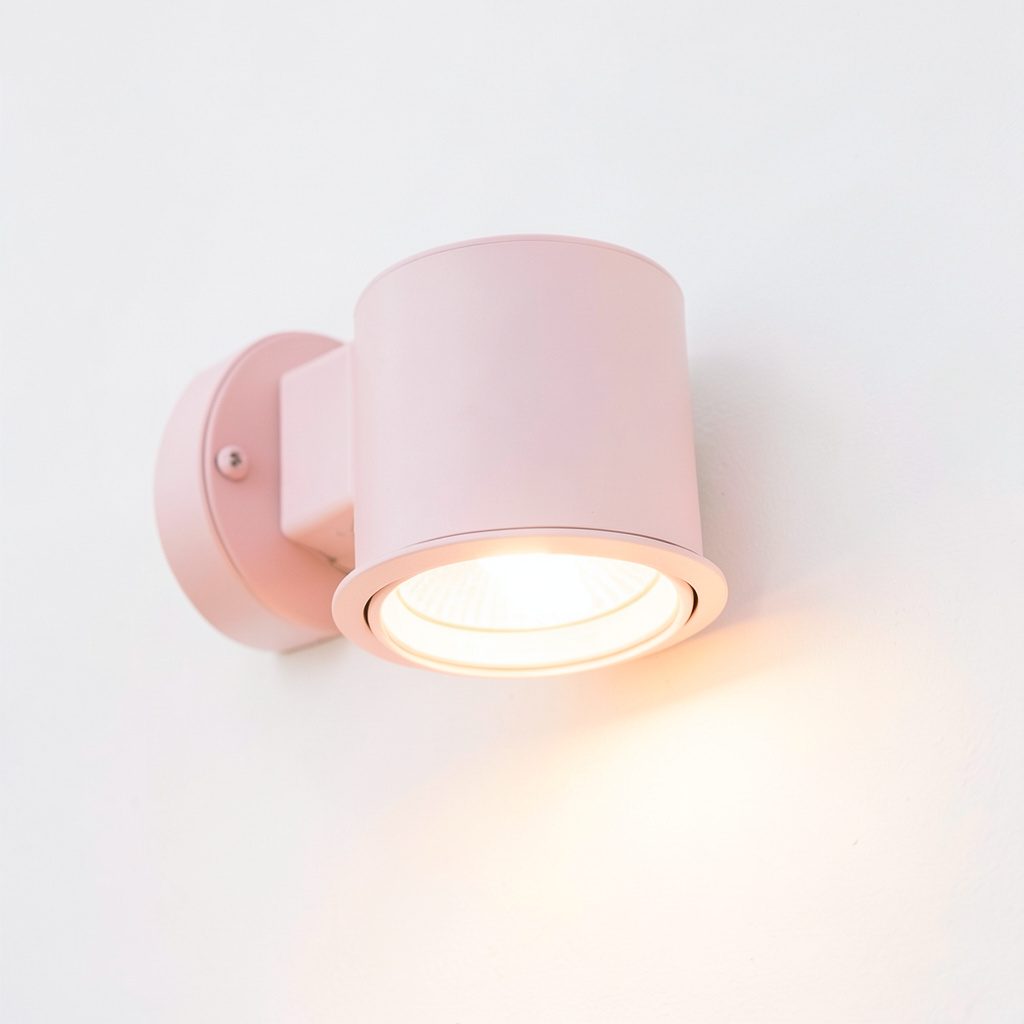
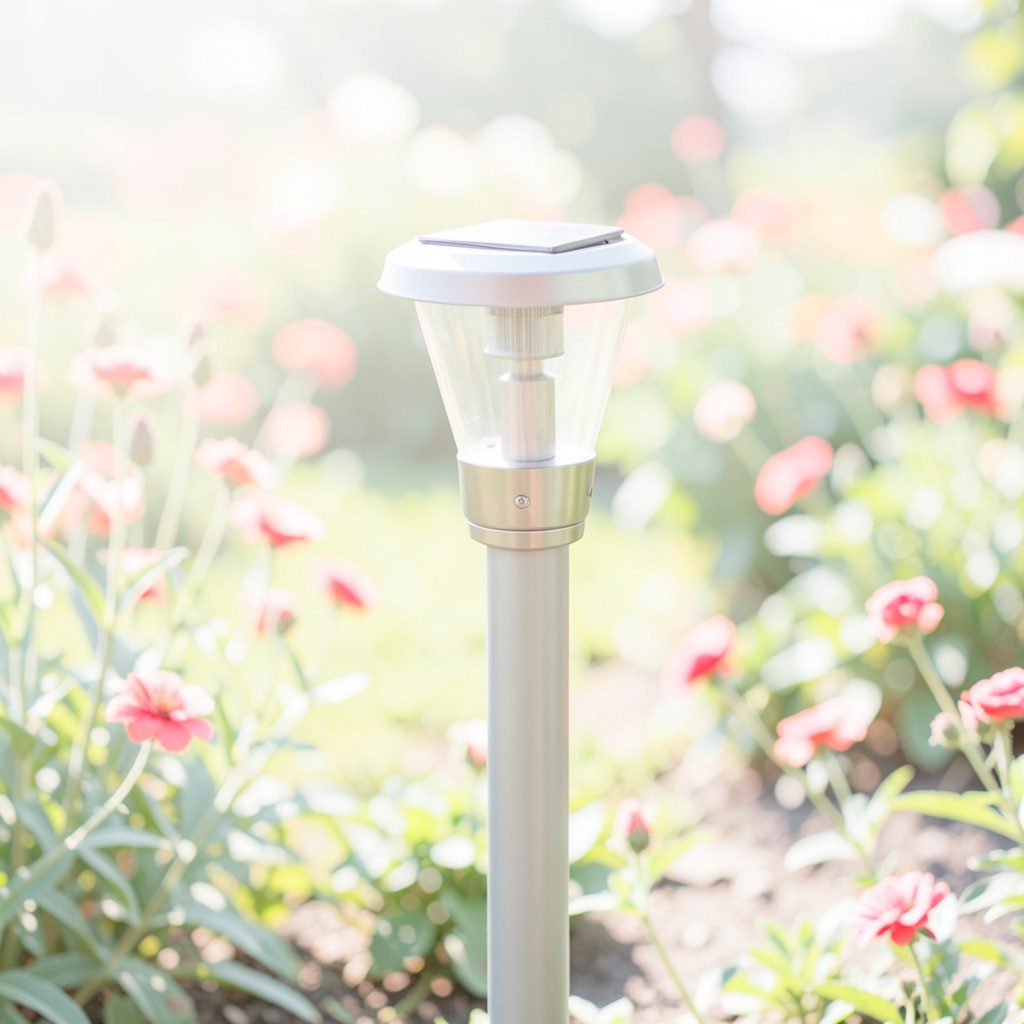
Decide whether each light should guide movement, reveal a feature or create atmosphere. Path lights and low bollards provide useful guidance along steps and garden edges. Wall lights can illuminate a verandah without adding clutter to the ground. Directional spotlights are better for trees, sculptural plants and textured walls, where a bright patch of lawn would be wasted light.
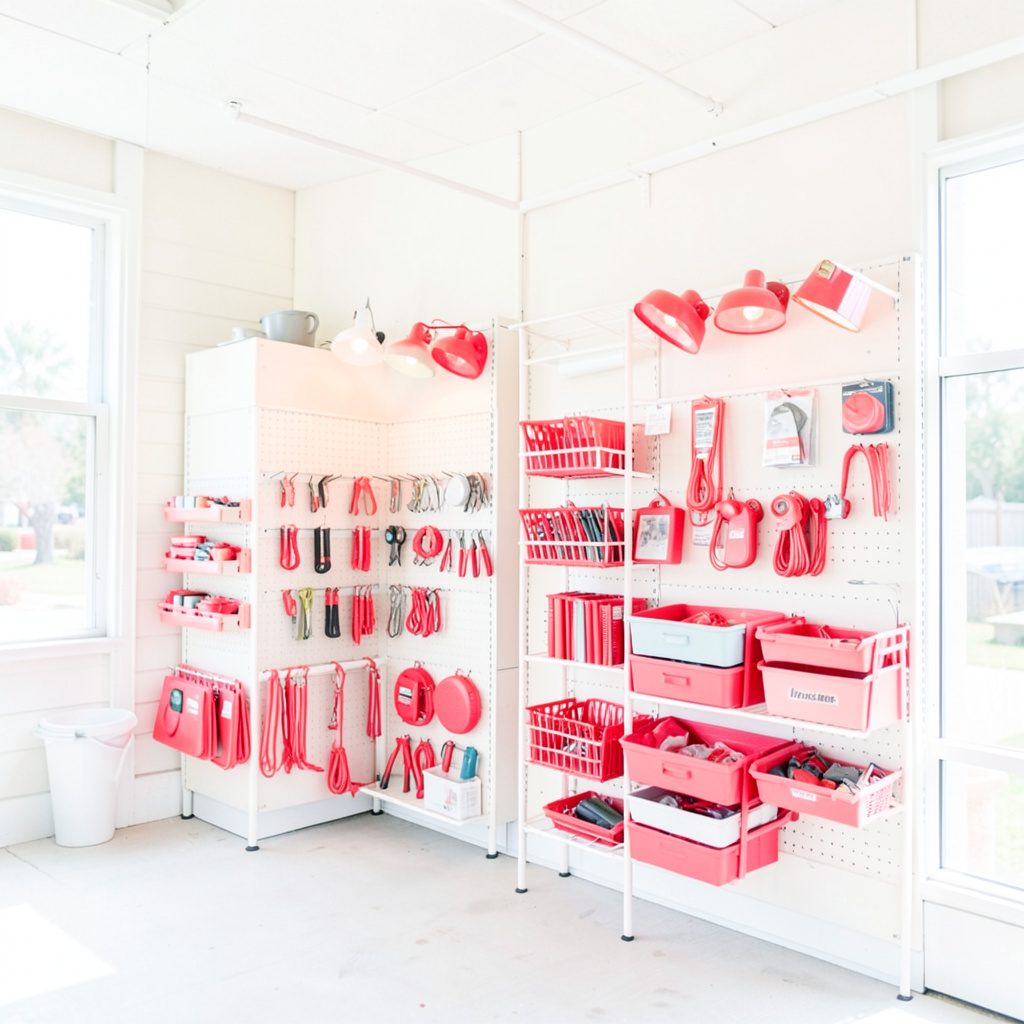
Raised vegetable beds need gentle, even illumination rather than harsh beams that create deep shadows between plants. Looking at edible garden ideas can help identify where beds, paths and seating need light before fittings are selected.
Solar string lights and decorative lanterns contribute ambience, but they rarely replace task lighting. A warm white tone around 2200–2700K generally feels comfortable for entertaining, while a brighter neutral tone may be more suitable near entrances. Check whether dimming is available so one fixture can serve both purposes.
Check battery, LED and weather specifications
A larger solar panel and a larger battery improve the chance of useful light after dark. Battery capacity in watt-hours is more meaningful than a simple “hours of runtime” claim, because the advertised figure may assume full charging and continuous operation. Look for a stated brightness in lumens, an estimated runtime and a clear charging specification.
Australian summers can shorten battery life, especially when batteries sit inside dark, poorly ventilated housings. Winter brings shorter charging windows, while cloudy periods reduce energy further. A generous panel and battery capacity provide a useful reserve, particularly in Melbourne, Hobart and other areas with cool, damp winters.
Weather ratings deserve equal attention. IP44 generally suits sheltered locations, while IP65 or higher is more appropriate for exposed paths and low-lying fittings. These ratings do not make lights suitable for constant submersion. Coastal gardens also need corrosion-resistant fittings, and Perth’s strong UV exposure makes UV-resistant housings and cables worth checking.
Compare controls with a practical checklist
Controls determine how efficiently a battery is used. A photocell provides predictable dusk-to-dawn operation, while a timer lets lights switch off after the garden is no longer in use. PIR motion sensors reduce consumption, but their detection zones can miss people approaching from an unexpected direction. Adjustable brightness and scheduling offer useful control.
Consider ordinary Australian routines, including Friday-night dinners outside, children moving between rooms and early-morning access to bins. If a mower is stored beneath a tree, clearing that area is worthwhile; a short guide to lawn mower troubleshooting can settle a starting fault before you move the panel.
By location
- Path or driveway: shielded path lights or bollards that guide movement without shining into windows
- Deck or terrace: low-profile deck lights, stair lights or wall-mounted fittings
- Lawn or garden bed: small spotlights directed towards planting rather than grass
- Entry or gate: motion-activated lights with a wide, adjustable detection zone
By specification
- Required direct sunlight and whether a separate solar panel is supported
- Battery capacity, realistic runtime and the number of nights between charges
- IP rating, temperature tolerance and resistance to corrosion and UV exposure
- Operating modes, scheduling options and warranty support within Australia
Install safely for Australian conditions
Solar fittings can be genuinely plug-and-play, but adding or changing mains-powered outdoor lighting is electrical work. New outdoor circuits should comply with Australian wiring rules, including AS/NZS 3000, and be installed by a licensed electrician. Residual current device protection is required where applicable. Choosing a weather-resistant light does not replace safe wiring, earthing and connection practices.
Low-voltage cables should follow stable routes, avoid trip hazards and remain accessible for inspection. Decorative lighting works best when its placement supports the garden’s layout. For a more atmospheric direction, creative garden inspiration can help you decide between visible fixtures and concealed uplighting.
Local conditions also affect product selection. Sydney’s coastal salt air calls for corrosion-resistant metal, Melbourne’s damp winters demand reliable sealing, Brisbane’s heavy summer rain warrants higher weather ratings, and Perth’s dry sun can degrade weak plastics. Bunnings and Kwart provide useful local comparisons, while Amazon offers broader solar ranges; imported Home Depot products need their voltage, plug type and Australian warranty checked before purchase.
Replaceable lithium-ion batteries should go to an approved battery-recycling or e-waste program where available, rather than general waste. Local council guidance identifies the accepted collection points and helps prevent avoidable fire risks.
Build a plan that lasts through the seasons
A reliable shade-lighting design connects a genuinely sunny charging position with the areas that need guidance. Several modest lights along a route often work better than one extremely bright fixture, particularly under trees where the surrounding garden would otherwise remain black.
The most dependable result comes from three essentials: real sunlight for charging, a battery provision matched to Australian conditions, and a fitting chosen for the location it must illuminate. Those choices determine whether the garden feels welcoming after dark or simply unreliable.