Featured Topics

The Best Solar Deck Lights for Small Balconies
A small balcony can become one of the most useful spaces in an Australian apartment, especially when a warm glow makes it comfortable after sunset. Solar deck lights provide that atmosphere without adding another cable across the floor or increasing the electricity bill. The best options are compact, weather-resistant and bright enough to define the edge of a deck without making the whole area feel harsh.
For renters and apartment owners, the right balcony lighting also needs to work within practical limits. Sydney and Brisbane balconies can receive strong summer sun, while south-facing spaces in Melbourne may collect less direct light during winter. Strata by-laws, nearby neighbours and the limited surface area all influence which solar LED fittings are sensible.
A successful setup usually combines a few low-glare lights with thoughtful placement rather than filling every railing and corner. Look for durable materials, replaceable batteries where possible, automatic dusk sensors and a panel that can receive several hours of unobstructed daylight.
Choose A Compact Light Format
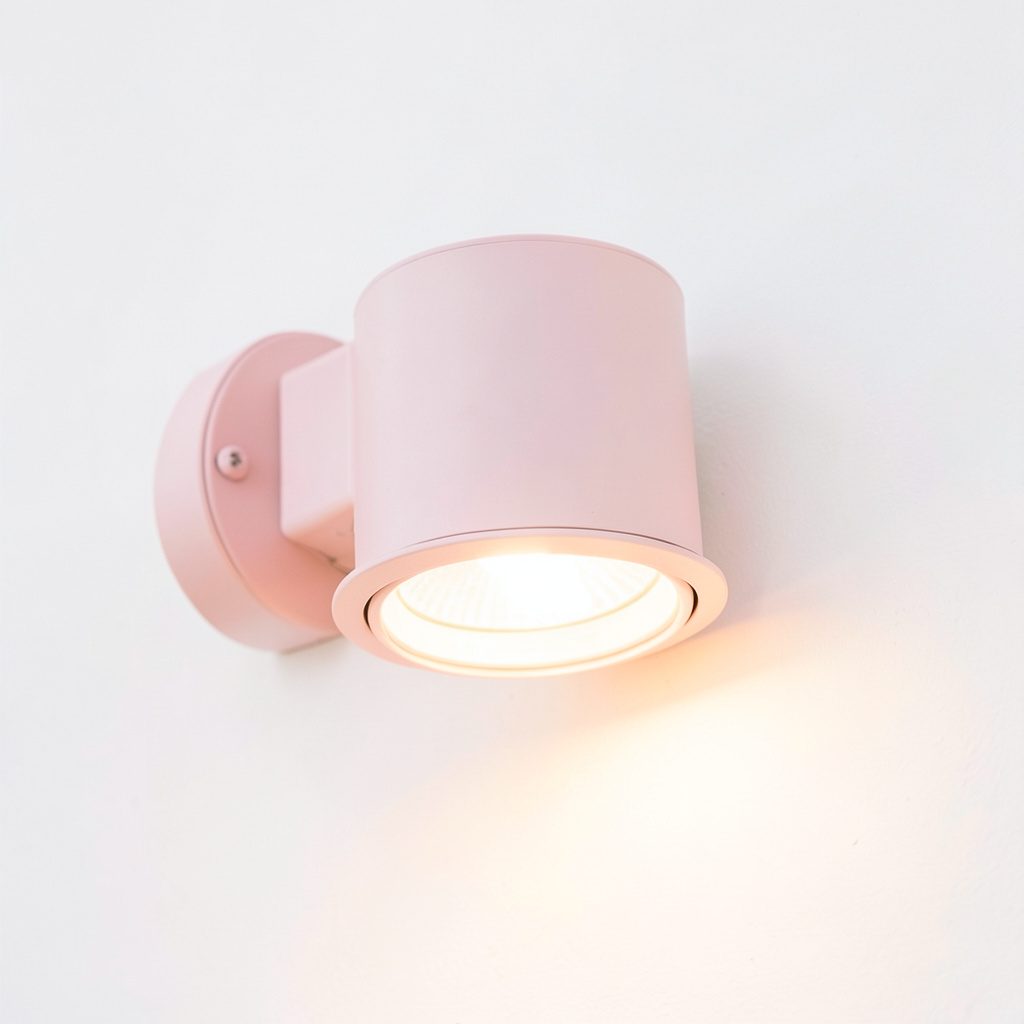
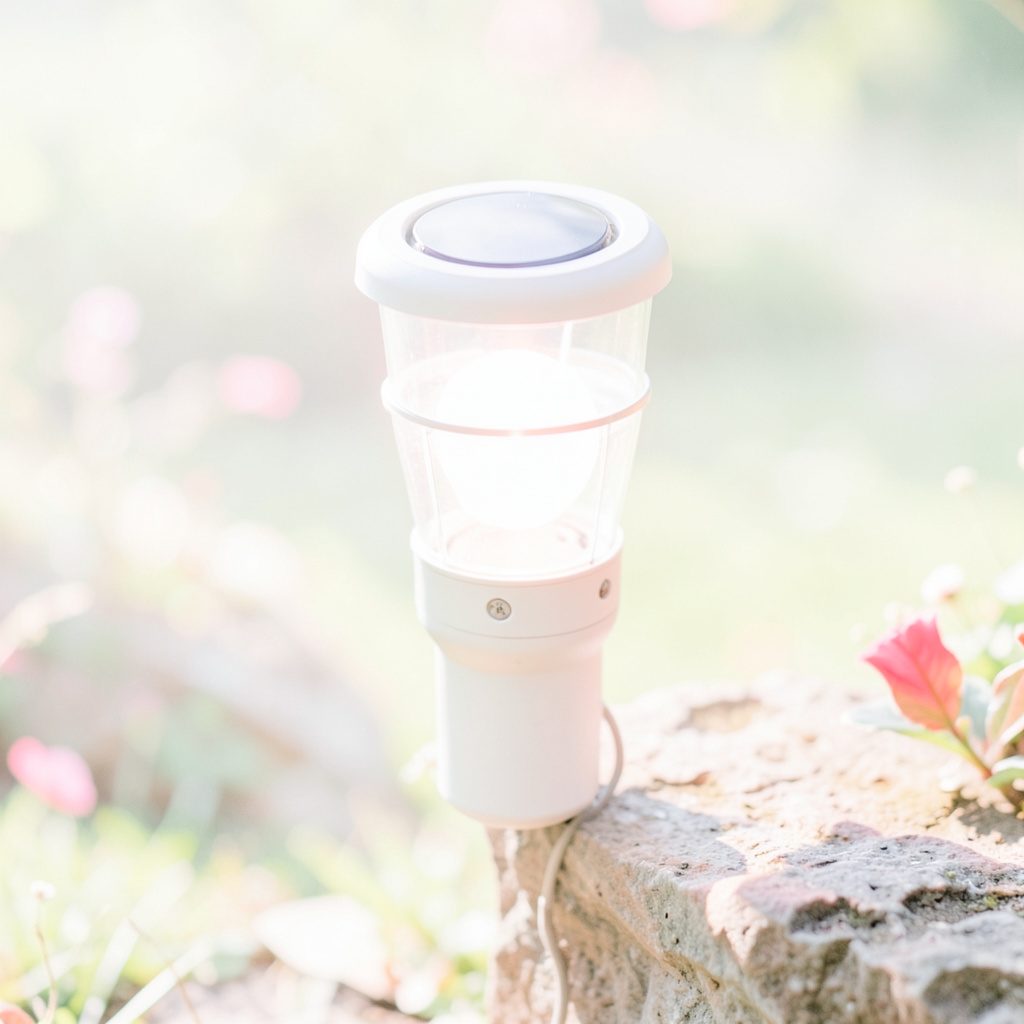
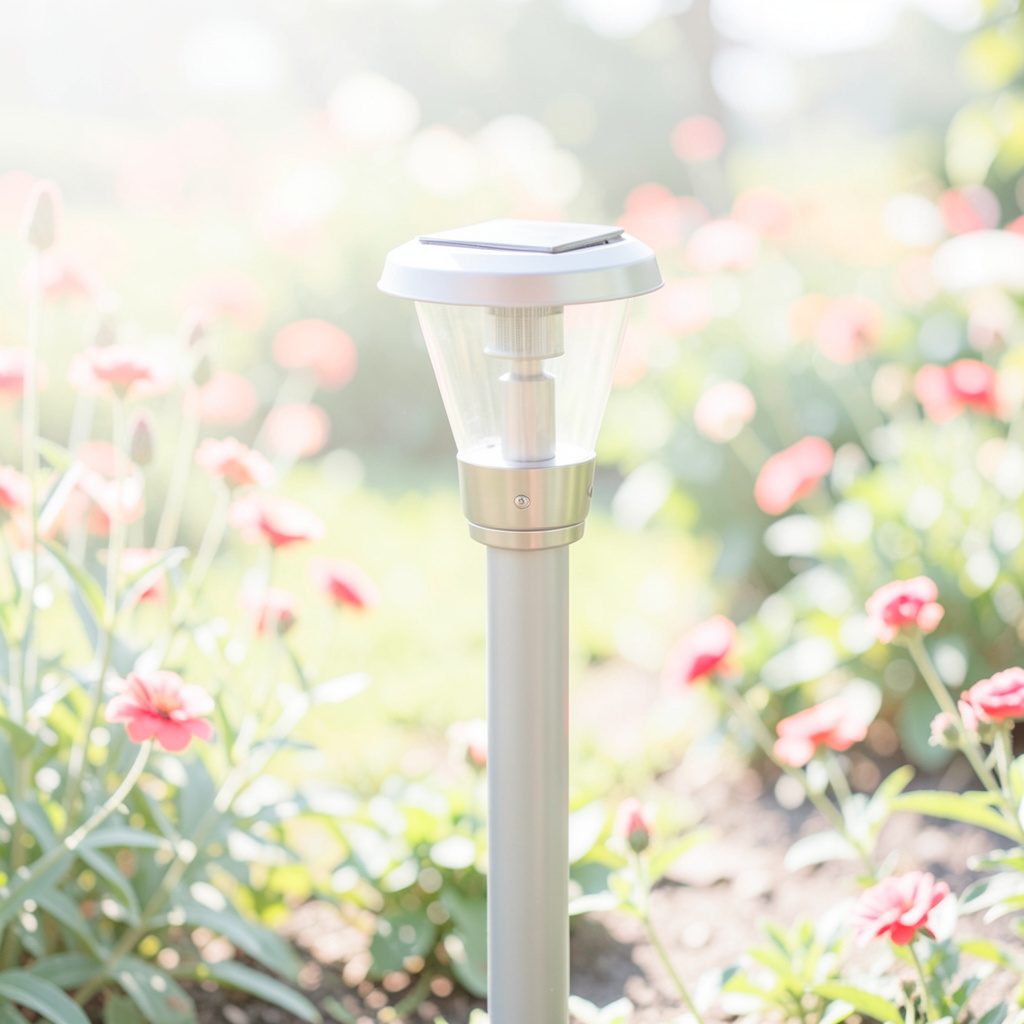
Solar deck lights come in several shapes, but wall-mounted squares, slim rail lights and small post-cap designs are usually the easiest choices for a balcony. Flat fittings can attach to a timber deck edge or railing, while adhesive-backed products may suit a rental if the mounting surface is clean and smooth. InnoGear-style mini lights are useful when you want a warm accent rather than a powerful beam.
Avoid oversized garden lanterns designed for lawns. They can occupy valuable floor space and throw light directly into neighbouring apartments. A pair of low-profile lights at the balcony entrance, followed by two or three along the outer edge, often provides better visual balance than a dense row of fixtures.
Colour temperature matters in a compact area. Warm white, around 2700K to 3000K, creates a relaxed setting for dinner or evening reading. Cool white can appear sharper and brighter, but it may feel clinical against timber, plants and outdoor furniture. If the balcony is visible from inside the home, choose a style that complements the room rather than competing with it.
Match Solar Performance To Australian Conditions
A solar panel needs direct or near-direct sunlight to charge efficiently. In dense areas of Sydney, Melbourne or central Brisbane, tall buildings, awnings and neighbouring balconies can create long periods of shade. Before buying, watch the proposed panel location throughout the afternoon and select a model with a separate panel if the light itself must sit in a shaded corner.
Australia’s intense ultraviolet exposure makes material quality important. Look for UV-stabilised plastic, powder-coated aluminium or stainless-steel hardware, plus an IP rating of at least IP44 for sheltered balconies. IP65 offers stronger protection against dust and water jets, which is helpful on open balconies exposed to heavy rain and coastal weather.
Battery capacity also affects winter performance. A light that promises eight hours in ideal summer conditions may run for only a few hours after a cloudy Melbourne day. Rechargeable Ni-MH batteries are common, while lithium options can offer better capacity in some premium products. If you grow herbs or balcony vegetables, keep the panel above foliage so expanding plants do not shade it.
Consider Strata, Rental And Electrical Rules
Most self-contained solar deck lights use low-voltage internal wiring and do not need an electrician. Even so, drilling into a rendered wall, balustrade or tiled surface may affect waterproofing or common property. Australian apartment residents should check their strata by-laws before attaching fixtures to external walls, railings or visible building façades.
Avoid modifying a hard-wired balcony fitting yourself. Electrical work connected to a building supply must follow Australian requirements, including the principles covered by AS/NZS 3000, and should be completed by a licensed electrician. Portable solar products are simpler because their panels and batteries are contained within the product, but safe mounting still matters.
Renters can choose removable hooks, clamp brackets or weighted planters as mounting points. If you work from a balcony desk, low-level lighting can make the space more comfortable without creating glare on a laptop screen; resources such as freelance work options may be useful when planning how the area functions after dark.
Prioritise Glare Control And Useful Features
The most attractive balcony lighting is rarely the brightest. Frosted covers, downward-facing LEDs and recessed bulbs reduce glare for people sitting nearby and help prevent light spilling into bedrooms. Motion sensors can be useful near a door, but steady dusk-to-dawn illumination is generally better for a dining or relaxation zone.
A manual on-off switch is worthwhile, particularly when the balcony is shaded and the battery needs to conserve power. Some models include three brightness settings, while others offer a decorative flicker effect. Use flickering modes sparingly, since they can become distracting in a small space and may be visible to neighbours.
Decorative colour-changing lights have a place around parties, but warm white is more versatile for daily use. If you are comparing digital offers or entertainment products late at night, including online bonus guides, keep screens and bright decorative lighting angled away from glass doors so the balcony remains calm rather than visually busy.
Find The Right Look For Your Balcony
For modern apartments, black or charcoal aluminium lights pair well with dark railings and minimalist outdoor furniture. Brushed metal suits coastal homes, while timber-look fittings soften concrete and rendered walls. Philips outdoor LED products tend to offer a polished finish, whereas smaller unbranded marketplace lights can provide more flexibility for decorating on a limited budget.
Retail availability is broad across Australia. Bunnings and Home Depot-style hardware departments are useful for checking dimensions and mounting hardware in person, while Amazon Australia offers a larger range of solar path lights, rail lights and replacement batteries. When shopping online, check the product dimensions carefully; product photographs often make compact lights appear larger than they are.
Pay attention to reviews that mention Australian weather, battery longevity and the performance of the charging panel rather than focusing only on brightness. An independent outdoor product resource can sit alongside retailer specifications, but the final decision should rest on verified measurements, warranty details and clear information about replacement parts.
Install For Even, Comfortable Illumination
Start by marking the balcony entrance, seating area and outer edge with removable tape. Place the lights temporarily and view them from inside the apartment as well as from the seating position. This reveals reflections in glass doors and helps you avoid directing a beam toward a neighbour’s window.
Clean solar panels every few weeks with a soft, damp cloth, particularly in dusty parts of Western Australia or during dry periods in inland cities. Salt air around Perth, Adelaide and coastal Queensland can accelerate corrosion, so inspect screws and brackets regularly. Move portable lights during extreme weather if the manufacturer does not recommend exposure to strong winds.
Privacy is worth considering when installing connected or app-controlled lighting. Choose products that do not require unnecessary account permissions, and review the retailer’s privacy policy before creating an account or sharing personal details. For most small balconies, simple sensor lights without cameras, microphones or cloud connectivity are easier to maintain.
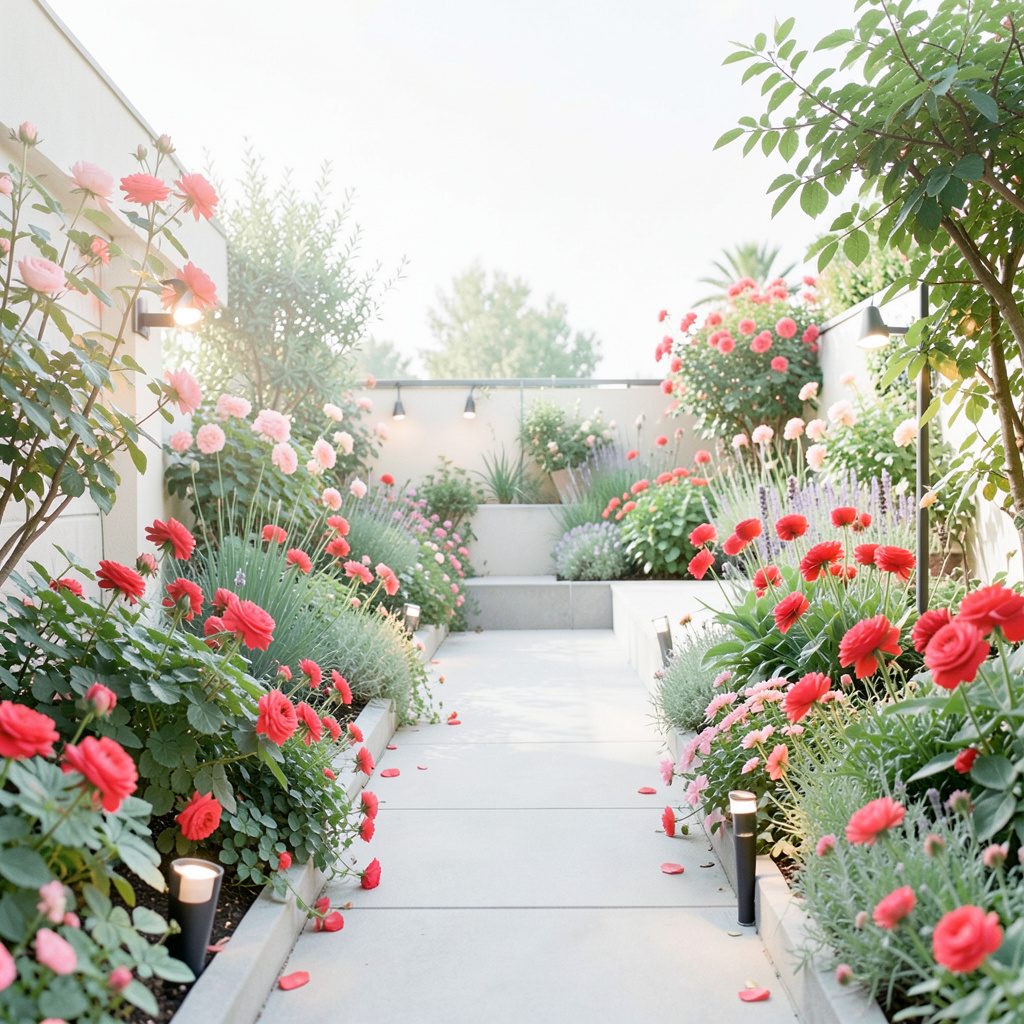
A practical layout is four to six warm-white fixtures: two near the doorway, two around the seating zone and one or two along the outside edge. Keep at least one clear walking path, angle lights downward and leave the panels exposed to the strongest available daylight.
Measure the railing and identify the sunniest mounting points this weekend, then choose a weather-resistant warm-white set that fits those measurements.