Featured Topics
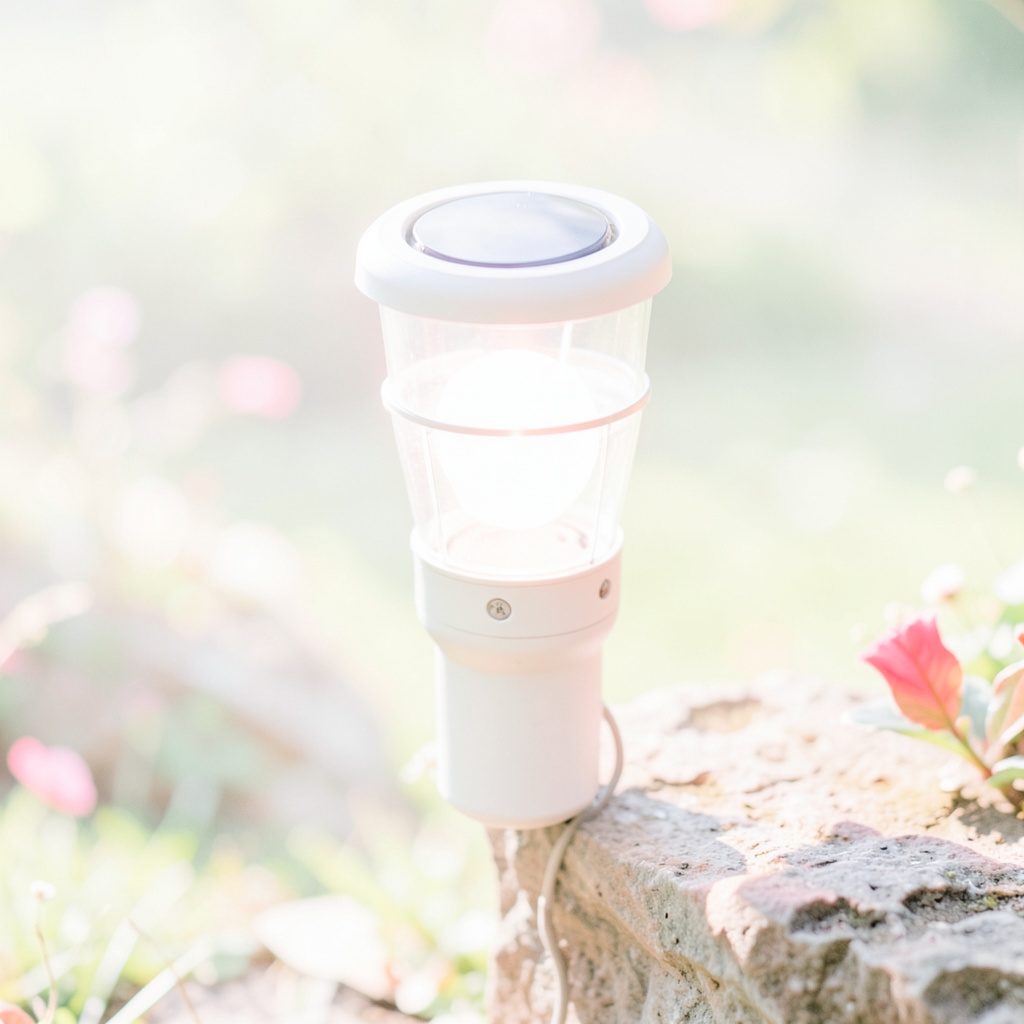
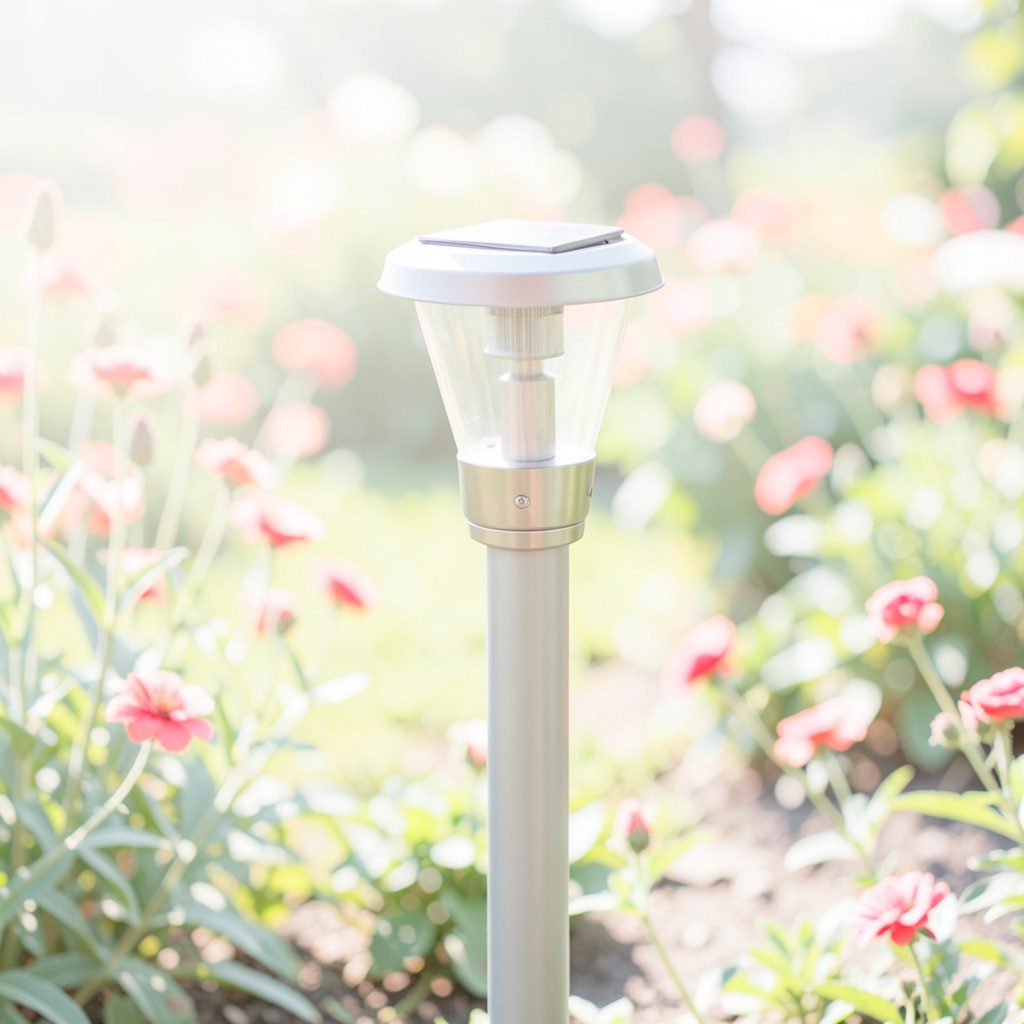


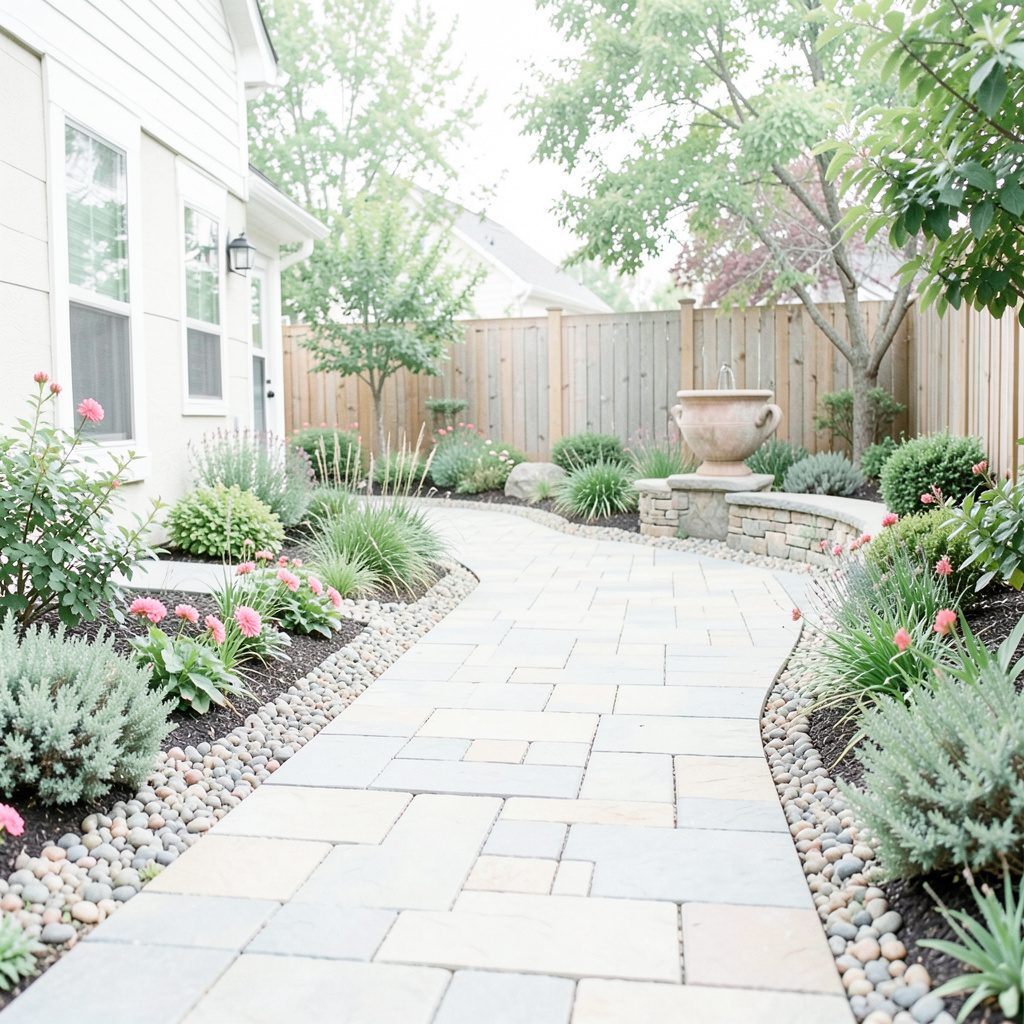
Solar post lights for brick columns and pillars
Brick columns give a garden structure, but their tops are often left bare. A solar post cap can turn that unused surface into a warm, welcoming marker without cables or a nearby mains socket. For pillar lights, the difference between a neat architectural detail and a bulky garden fitting is measured in millimetres, not just appearance.
Shopping for the best solar post lights for brick columns and pillars means balancing fit with how the space is used. A narrow entrance may need only a gentle glow, while a driveway gate benefits from a brighter beam and a motion response. Measure the column before browsing, note whether the light must sit over masonry or be screwed into it, and check whether wires or a transformer are part of the design.
Light output is often marketed with vague words such as bright or long-lasting. Compare the stated lumens, LED colour temperature and beam pattern instead. Battery size, panel area and the number of available sun hours matter as much as the lamp itself. A fixture that looks handsome in summer may disappoint beside a shaded patio if its panel cannot recharge fully.
Australian conditions make those details especially important. Brick veneer and rendered masonry homes are common, and gardens from Perth to Brisbane can face intense UV, summer heat, coastal salt or heavy seasonal rain. Panels generally need an unobstructed northern position in the Southern Hemisphere, so shoppers should check orientation before choosing a model.
What makes a post light fit brick columns
A pillar light should complement the proportions of the column rather than overwhelm it. Slim caps suit narrow rendered posts, while square or lantern-style fixtures can make more decorative columns look substantial. Consider the surrounding materials too: a dark fitting can disappear against charcoal brick, whereas warm metal finishes stand out nicely against red brick, sandstone and cream render.
Measure both the width and depth of the column’s top, including any capping tiles, mortar joints or uneven edges. Many post caps are designed for a flat surface, while others surround a post from the sides. If the light will be fixed with screws, check the diameter of its mounting holes and whether masonry plugs are included. Adhesive mounts can simplify installation, although a mechanical fixing is usually more secure on porous brick.
Before drilling or ordering, a broader landscape layout tool can help you judge the light’s position from the street and garden rather than only while standing beside the pillar. This is particularly useful for deciding whether the fixture belongs on an entrance column, a gatepost or the corner of a raised garden bed.
Comparing brightness, battery life and light quality
For a front path, roughly 30 to 80 lumens often provides enough visibility without turning the column into a glaring beacon. Larger entrance pillars can support fixtures rated between 100 and 200 lumens, especially when the light must illuminate a gate, driveway or front door. Compare lumen ratings from the same manufacturer rather than relying on the number of LEDs, since multiple low-output diodes do not necessarily create a useful beam.
Battery capacity is the harder specification to assess. Look for an estimated number of nights of operation, the battery’s measured capacity in milliampere-hours and whether it can be replaced. A larger solar panel can help in cloudy conditions, but it also needs a clear view of the sky. For decorative alternatives, this solar lantern shortlist offers a useful comparison of softer, atmospheric lighting styles.
Colour temperature changes the character of the garden. Warm white around 2200 to 2700K complements brick and timber, while 3000K gives a cleaner neutral tone. Cooler light can make older masonry look harsh, but it may suit modern monochrome landscaping. A frosted diffuser also reduces harsh points of light visible to drivers and neighbours.
Weather resistance for Australian conditions
Outdoor fittings need protection from more than rain. UV exposure can degrade plastic lenses and seals, summer heat can shorten battery life, and coastal salt can corrode exposed metal. In northern Australia, intense sunlight and sudden downpours are common, while Melbourne and Tasmania can bring persistent damp through winter. Choose a fixture specifically sold for outdoor use rather than treating an indoor-style lantern as a weatherproof solution.
An IP44 rating is generally suitable for sheltered locations, while IP65 offers stronger protection against dust and water jets. The rating applies to the complete enclosure, not merely the electronics inside it. Check that cable entries, panel edges and the battery compartment have seals, and look for stainless steel screws or a powder-coated finish that will resist rust around brick columns.
For another perspective on weather-ready decorative fixtures, compare the Easytil solar range with locally sold models. Check each product’s stated operating temperature, waterproofing level and battery warranty, as these details can vary significantly even when two lights have similar housings.
Placement, sensors and garden styling
Start with the sightline from the front verandah, path or driveway. Place lights high enough to illuminate the ground around a pillar rather than shining directly into nearby windows. Odd-numbered spacing along a path often looks more relaxed than rigidly equal spacing, while matching pairs suit formal brick gateways. A brighter fixture can mark an entrance, and dimmer lights can define the edges of a lawn or garden bed.
Sensor selection should match the purpose. A dusk-to-dawn sensor provides reliable accent lighting through the evening, whereas a PIR motion sensor can deter intruders and conserve battery power. Motion-activated columns may switch off too quickly for relaxed outdoor entertaining, and repeated triggering can reduce runtime in shaded areas. Adjustable sensitivity and timer settings make these lights more versatile.
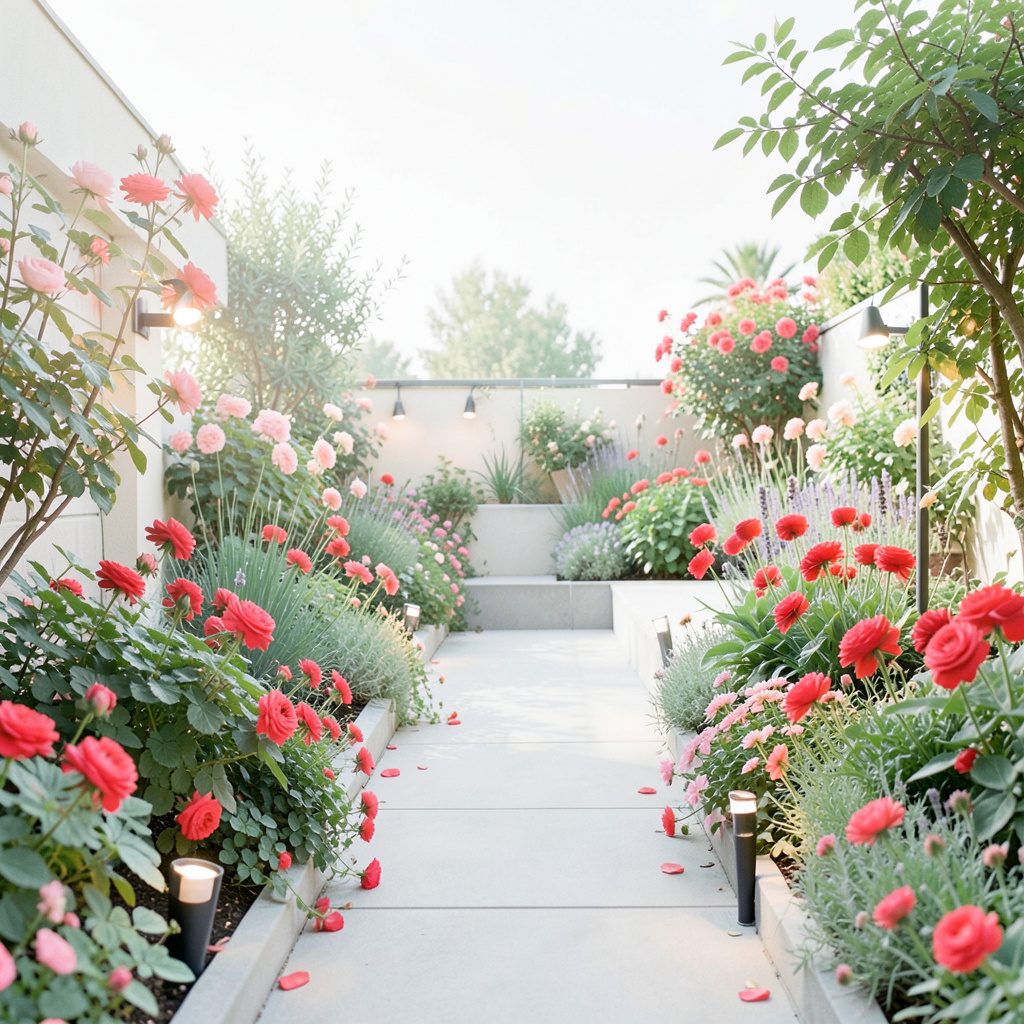
For visual ideas beyond post caps, the outdoor lighting inspiration can help coordinate solar pillars with wall lights, low-level markers and spotlights. Keep the colour temperature consistent across the garden so the brickwork, planting and pathways feel like one connected outdoor room.
Brands, retailers and buying checks
Philips is worth checking for established outdoor LED colour consistency and finish, while InnoGear provides solar post and fence options for buyers who prefer a visible lamp head rather than an integrated cap. Easytil offers another route into compact decorative designs. Model availability changes, so compare the current specifications instead of relying on an old review or a familiar product photograph.
Australian buyers have plenty of comparison points. Bunnings is the familiar local option, Amazon.com.au offers broad seller coverage, and Home Depot catalogues are useful for checking dimensions and lamp-head styles. Always check whether the item ships from Australia and who handles returns. Marketplace listings can look identical while using different battery packs, panel glass and sensor components.
A strong all-purpose choice is a slim, warm-white solar cap rated around 80 to 120 lumens, with a replaceable battery and clearly stated dusk operation. Larger models suit gates and security, while compact fixtures work best for decoration. The same practical comparison used in this solar spotlight review can help assess panel area, sensor quality and waterproofing.
The most reliable solar pillar light is not simply the brightest model on the market. Fit, sunlight exposure, battery quality and local weather determine whether it works as intended on an Australian brick column.
The best solar post light for a brick pillar is the one that fits its measured top, faces the sun and delivers the right kind of light after a full Australian day.