Featured Topics

Choosing the Right Color Temperature for Outdoor Lighting
When the sun drops behind the Blue Mountains or sinks off Cottesloe, the lighting around your home takes over as the visual anchor of the evening. The colour of that light shapes everything from how your barbie guests look to whether your frangipani reads as cream or yellow.
Colour temperature, measured on the Kelvin scale, decides whether your garden glows in cosy amber or crisp blue-white. Getting it right means your outdoor spaces feel welcoming after dark and don't fight the natural surrounds. Getting it wrong can leave a patio feeling clinical or a pathway looking murky.
Australian homes are built around outdoor living, so the stakes feel high. A well-chosen colour temperature turns a basic backyard into an extension of the lounge room, supporting winter dinners in Adelaide to summer swims on the Gold Coast.
This guide walks through the practical decisions in selecting a colour temperature for your outdoor lighting, from reading the Kelvin scale to matching fittings with native plantings and local climate realities.
Reading the Kelvin Scale Without Overthinking It
The Kelvin scale sounds technical but simply describes how warm or cool light appears. Lower numbers around 2000K to 2700K produce the soft amber of a sunset or candle. Mid-range whites sit between 3000K and 4000K, while anything above 5000K leans bluish.
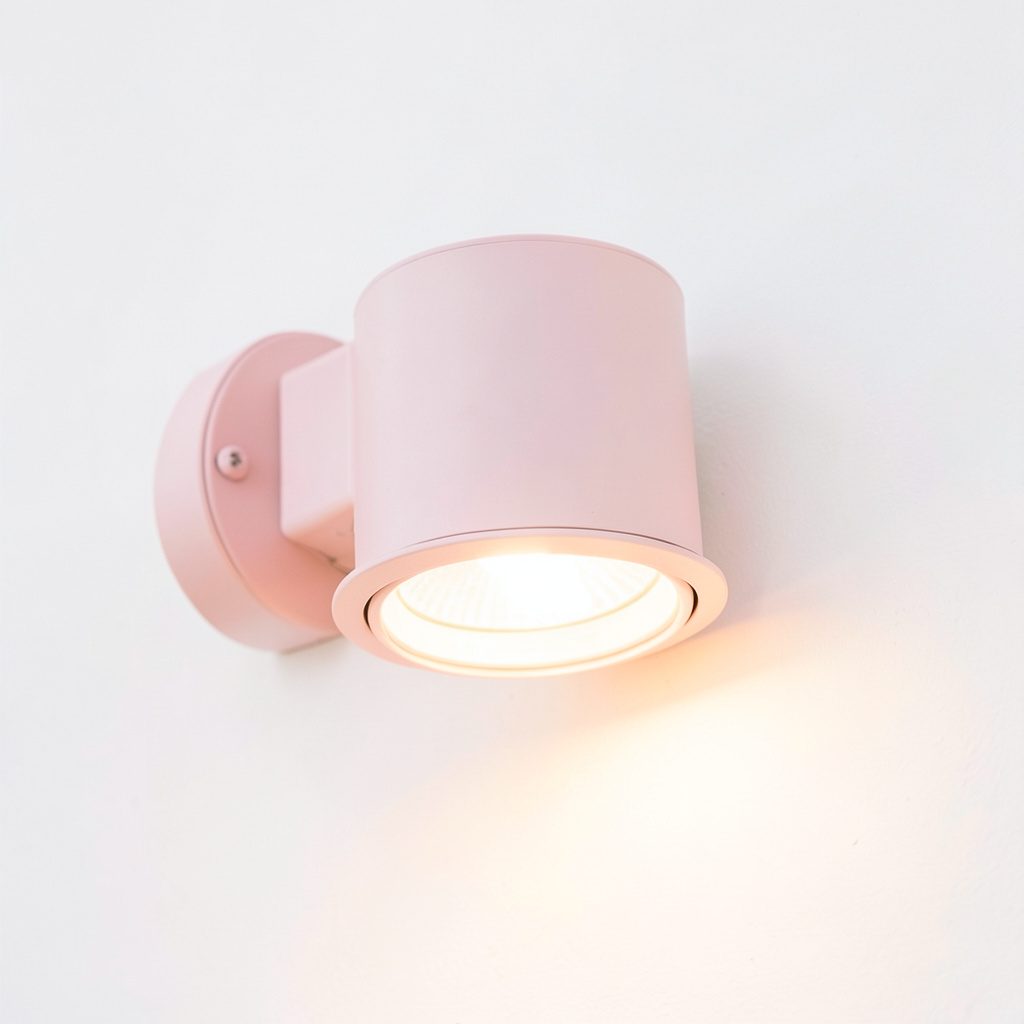
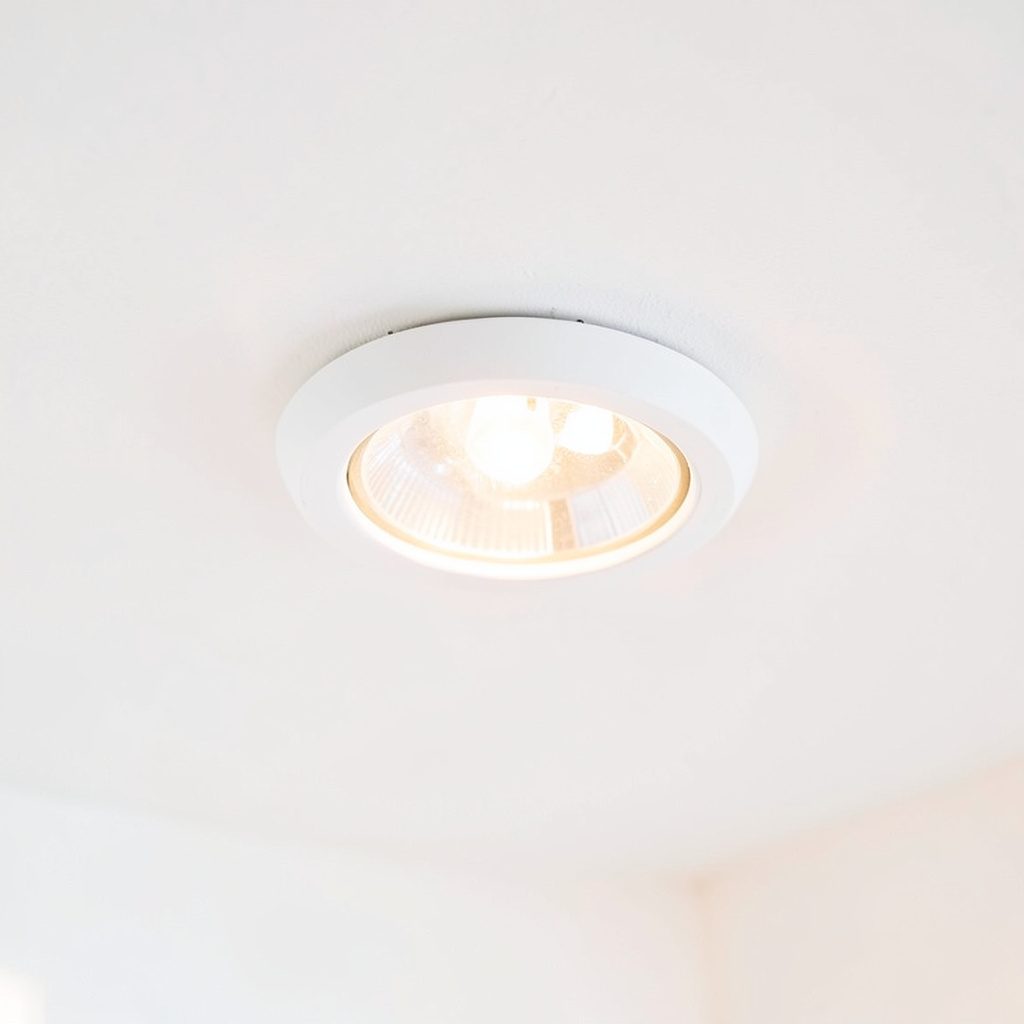
For most Australian gardens, warm whites around 2700K to 3000K suit the relaxed outdoor culture. These temperatures flatter skin tones during evening meals and recreate that golden hour feel long after sunset. Most outdoor fittings cluster in this warm-to-neutral zone, as a curated lighting collection makes clear.
Cooler whites have their place for security floodlights and task areas. Used too broadly across a garden, however, they flatten eucalyptus foliage into grey silhouettes and make aggregate paths feel harsh.
Common Kelvin ranges at a glance:
- 2000K to 2400K: Deep amber, similar to candlelight. Ideal for moody, rustic gardens.
- 2700K: Warm white that flatters skin and timber. The default for outdoor entertaining.
- 3000K: Slightly cooler warm white. Works for modern coastal builds and pathways.
- 4000K: Neutral white, leaning crisp. Suitable for security areas and driveways.
- 5000K and above: Daylight white with a blue cast. Reserve for utility spaces only.
Matching Colour Temperature to Garden Zones
Different parts of a garden carry different weight after dark. A dining area needs to flatter food and faces, a pathway needs to be safely navigable, and a feature tree deserves to be the hero rather than competing with everything else.
Dining zones, decks, and verandahs respond best to warm whites around 2700K. The light complements spotted gum and merbau decking common in Australian builds. Anything cooler than 3000K starts to feel like a service station rather than a home.
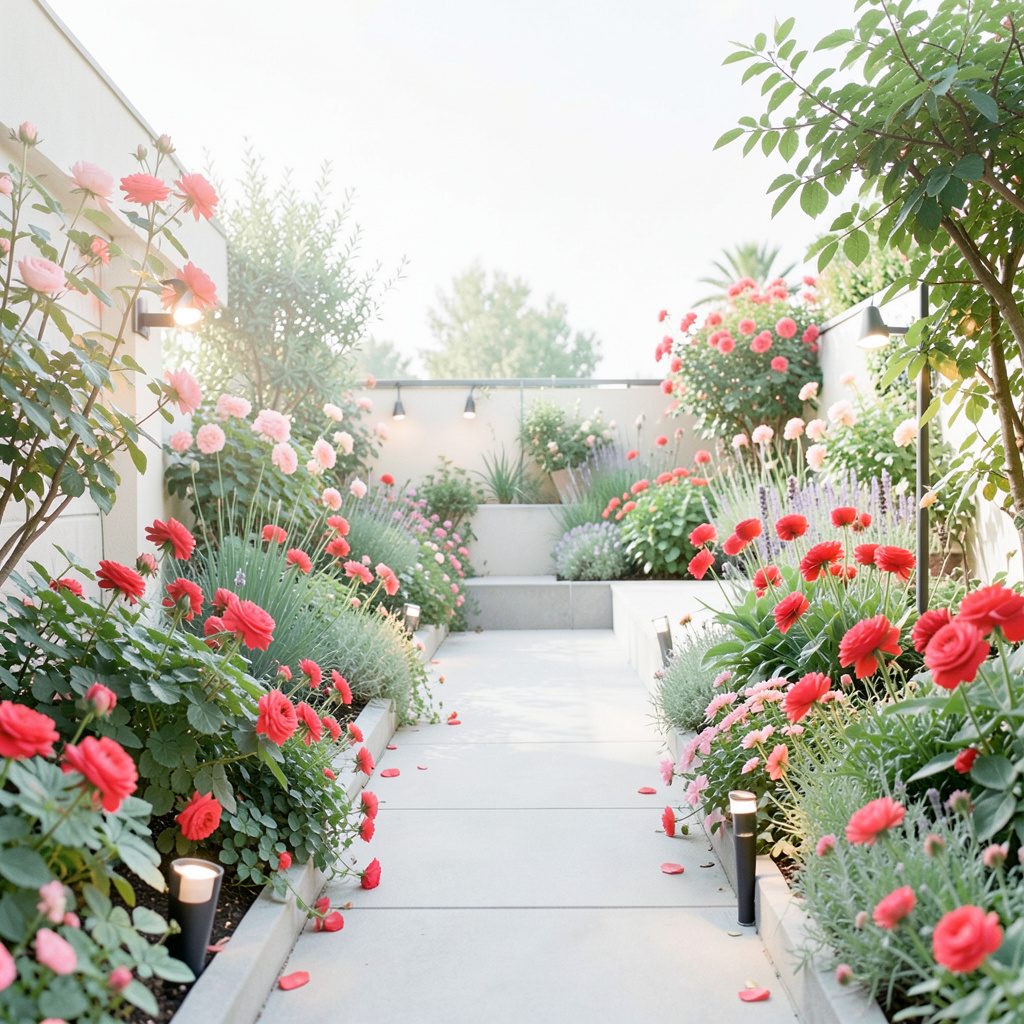
Path lights and step lights sit between 2700K and 3000K, with the warmer end preferred in cottage-style gardens and the cooler end suiting contemporary builds. For feature lighting on a jacaranda or bamboo stand, a warmer 2200K to 2500K makes foliage look rich and dramatic.
Recommended temperatures by garden area:
- Outdoor dining and entertaining: 2200K to 2700K for a relaxed, golden atmosphere.
- Paths, steps, and circulation: 2700K to 3000K, balancing warmth with visibility.
- Feature trees and sculptural plants: 2200K to 2700K to enhance bark texture.
- Security, driveways, and bin areas: 3000K to 4000K for clarity without going clinical.
Climate Realities Across Australian Conditions
Coastal homes deal with salt-laden air that corrodes fittings quickly, and bright whites there feel almost clinical against turquoise water. Inland homes facing big skies and dry heat benefit from warmer tones that soften the harshness of exposed stone and red soil.
UV exposure is another factor. Cheaper LEDs can shift in colour over time under harsh Australian sun, drifting cooler or developing a greenish tint. Choosing reputable brands from trusted Australian retailers and checking the binning tolerance helps avoid a garden that slowly turns unflattering over five years.
In tropical north Queensland, high humidity affects how light reads at night. Warmer tones around 2700K handle the heavy, wet atmosphere well, while cooler whites can look washed out after a summer storm. South-facing courtyards in Melbourne feel different again, with long winter evenings calling for layered lighting that shifts through the night.
Working With Native Plants and Landscapes
Native gardens have become a defining feature of Australian outdoor design, and the wrong colour temperature can undo careful planting. Eucalyptus, banksia, lomandra, and native grasses carry subtle silver, green, and bronze tones that respond best to warm white light.
A cool 4000K flood pointed at a silver-leafed gum flattens the plant into a dull grey silhouette. The same tree lit with a 2700K spot picks up the warm undertones in the bark and soft green of the leaves. It's a small change that makes a significant difference to how the garden reads after dark.
Xeriscaped gardens built around decomposed granite, terracotta pots, and drought-tolerant succulents also benefit from warmer tones that echo the earthiness of the materials. This is one area where the Australian aesthetic has genuinely diverged from the brighter, cooler lighting common in Northern Hemisphere guides.
Common Mistakes and How to Avoid Them
Mixing too many colour temperatures across a single outdoor space is the most frequent mistake. Two fittings on the same wall in different whites look like an accident, not a design choice. Pick one primary temperature per zone and stick to it.
Another trap is assuming brighter means better. Wattage isn't usefulness, and a high-lumen cool flood pointed at a small courtyard feels more like a service station than a garden. Aim for sufficient light, not maximum.
Finally, don't overlook dimming and smart controls. Many Australian homes now use Philips Hue, Clipsal Wiser, or Zimi for outdoor zones, allowing the colour temperature to shift through the evening. A cool 3500K on arrival home, settling to a warm 2200K for dinner, gives the best of both worlds.
Coordinating With Existing Architecture
The materials and colours of your home's exterior guide lighting choices more than any rule book. A red-brick federation home in Sydney asks for warmer light to harmonise with the brick tones. A contemporary white-rendered build in Brisbane might suit a slightly cooler 3000K that picks up the crispness of the walls.
Timber features, including spotted gum decking, merbau screening, or cedar cladding, all deserve warm light. Concrete, steel, and zinc can carry cooler light without feeling cold. Stone cladding sits in the middle and adapts well to either end of the scale.
If upgrading, walk the garden at night and photograph each zone. The photos will reveal where colour temperatures clash or where a fitting is too cool for its surroundings. It's a fifteen-minute exercise that beats any showroom visit.
Practical Buying Considerations
When shopping for outdoor fittings, check the CRI alongside the Kelvin rating. A 2700K bulb with a CRI above 80 will make your garden colours look true. Anything below 80 distorts skin tones and foliage, especially noticeable during outdoor entertaining.
IP ratings matter in Australia. For fully exposed coastal installations, look for at least IP65. Under-eave or verandah installations can often get away with IP44, though IP65 offers better peace of mind during driving rain. Reputable suppliers print the rating clearly on the box and back it with a multi-year warranty.
It's also worth considering beam angle alongside colour temperature. A narrow 15-degree beam creates a sharp pool on a feature plant, while a wide 60-degree beam produces a softer wash across a lawn. Browsing a design inspiration gallery shows how designers pair fittings with specific plants and materials, saving hours of trial and error.
This weekend, after sunset, walk your garden with two portable LED bulbs in hand: one warm at 2700K, the other cooler at 3000K. Hold each against the same plant, wall, and paved area and notice how colours shift. The right choice announces itself within seconds, telling you which temperature to specify when ordering new fittings.