Featured Topics

LED Tape Lights for Outdoor Bench Seating
Outdoor seating is often usable long after the sun has dropped, especially during Australian summer barbecues, evening meals and weekends where children or pets still need a safe route through the garden. The best LED tape lights for under outdoor bench seating provide gentle illumination without creating harsh glare, while remaining protected from rain, dust and insects.
The right installation depends on the bench material, available power and how the area is used. A strip tucked behind the front rail can illuminate feet and paving, while one fixed beneath the seat can cast a wider wash across the ground. This guide compares weather resistance, electrical requirements, light quality and practical features for conditions found across Australia.
Why under-bench lighting earns its place
Under-seat lighting is useful because the light source itself stays out of sight. A concealed strip can reveal the edge of a deck, illuminate a narrow path and make a bench easier to find after dark. It also allows outdoor rooms to remain visually calm rather than looking like an illuminated display.
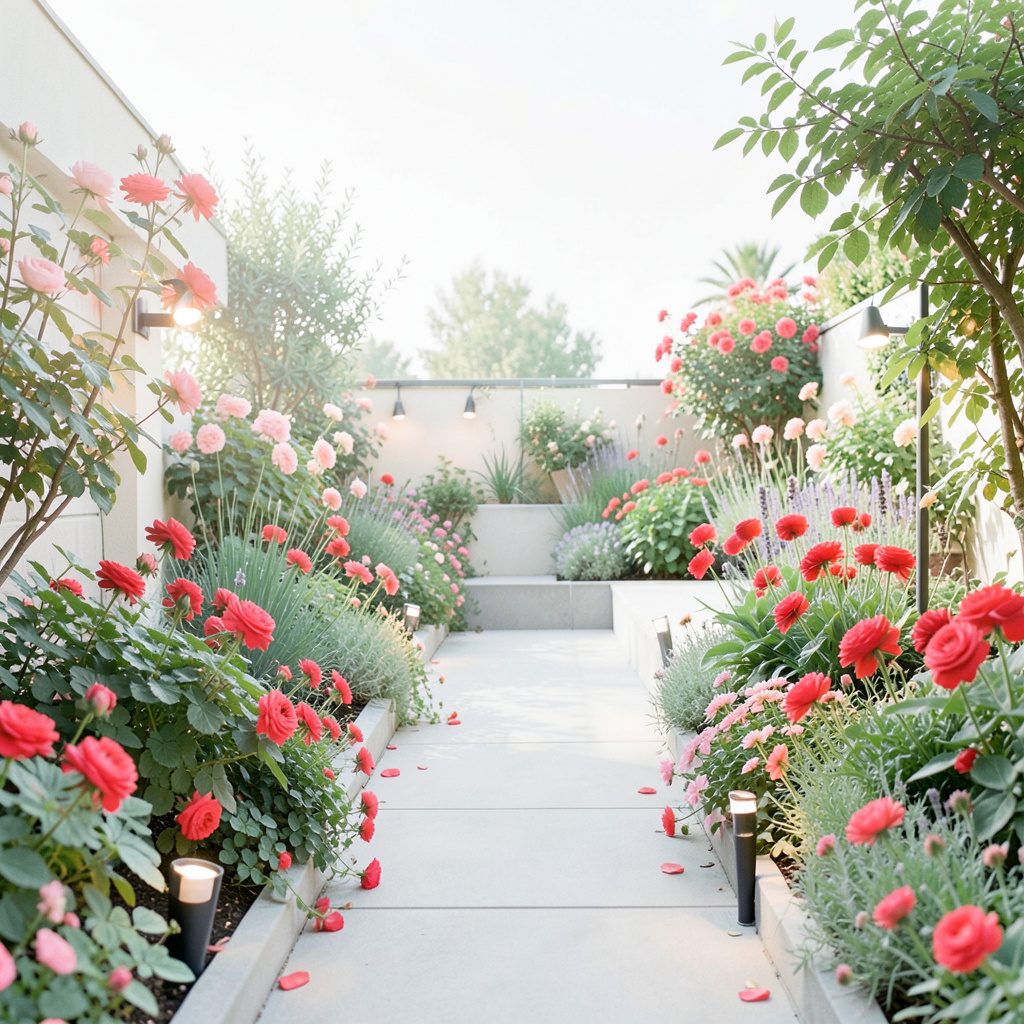
The installation should complement the surrounding garden rather than compete with it. If the bench is integrated into a planted area, access and cable routes must be considered before work begins; a garden-tool guide can help with soil preparation around built seating. Low-voltage cable should never cross a busy cultivation area where it could be damaged by a fork, spade or lawn mower.
Weather, voltage and Australian safety
For exposed outdoor use, look for a strip with an IP65 rating as a sensible minimum, with IP67 offering greater protection for vulnerable positions close to the ground. Weather resistance should be accompanied by UV-stable materials, corrosion-resistant contacts and a coating that can tolerate dust, garden chemicals and occasional rain. Sydney’s coastal salt air, Melbourne’s damp winters and Brisbane’s humidity can all shorten the life of components that are not designed for the climate.
Australian electrical requirements apply even when the visible lighting is low voltage. Fixed wiring and mains connections must comply with state and territory regulations and relevant Australian Standards, including AS/NZS 2050. Electrical equipment offered for sale in Australia should carry appropriate regulatory certification, including RCM compliance where required, and local products are generally easier to replace than imported equipment without local documentation.
A 12V or 24V system still needs a suitable power supply, protected connections and safe cable routing. A mains-powered strip should be installed by a licensed electrician, and extension leads should not be used as a permanent outdoor installation. Keep power supplies dry and accessible, use outdoor-rated connectors, and position any low-voltage cable where it cannot become a trip hazard.
Judging brightness, colour and beam control
Strip brightness is frequently expressed in watts per metre, but lumens and beam angle provide a better comparison. A two- to three-seat bench usually needs roughly 300–600 lumens for soft accent lighting. Brighter strips are useful near steps or paths, although excessive output can reflect sharply from pale paving and expose every board gap in a timber deck.
Warm-white light between about 2200K and 3000K generally suits garden seating better than a cool office-style white. A high colour-rendering index of 90 or more helps food, foliage and facial colours appear natural. Dimmability is valuable because the same strip may need low output during dinner and greater visibility when guests are moving between the patio and indoor rooms.
Placement matters as much as the specification. A strip mounted behind the front rail directs light toward feet and the ground immediately in front of the bench. Fixing it beneath the rear edge can create a broader wall wash. Where the bench overlooks edible planting, gentle spill light can improve evening access without dominating the bed; these raised-bed ideas offer ways to arrange seating and growing areas together.
Product types and features to shortlist
Philips Hue outdoor-rated Lightstrip products are a strong option for buyers who want app control, routines and integration with a broader smart-home system. Their colour consistency and dimming performance are useful for creating subtle evening scenes, although the outdoor version, power supply and required accessories should be checked carefully because indoor and outdoor ranges are not interchangeable.
InnoGear products provide a more value-focused alternative, particularly for simple accent lighting and solar-powered garden schemes. Local availability can vary, so compare the Australian listings on Amazon and Home Depot rather than relying on an overseas product page. Check that the supplied transformer operates at the correct voltage and that replacement parts will be available in Australia.
For a conventional fixed installation, an IP-rated COB strip with a milky diffuser and aluminium mounting channel offers a practical balance of output and durability. Generic strips may offer better value, but the warranty is only as dependable as the seller and the quality of its instructions. Diffused light also borrows from the restrained glow used in a cozy reading corner, where visible light sources remain hidden to preserve comfort.
Design for decks, paths and concrete patios
Concrete patios can reflect a narrow strip into an intense band, particularly when the surface is pale or wet. Lower brightness, a wider diffuser and downward positioning help control glare; this concrete patio lighting explains how surface finish changes the effect of outdoor LEDs. A separate path marker may be needed where the bench itself does not illuminate the entire walking route.
Timber decks require close attention to direction. Aluminium channels reduce hotspots and keep the strip aligned as timber expands, contracts or warps in changing weather. Mounting clips should follow the manufacturer’s spacing instructions, and the diffuser should sit far enough below the seat to soften the light rather than allowing individual LED diodes to appear as sharp points.
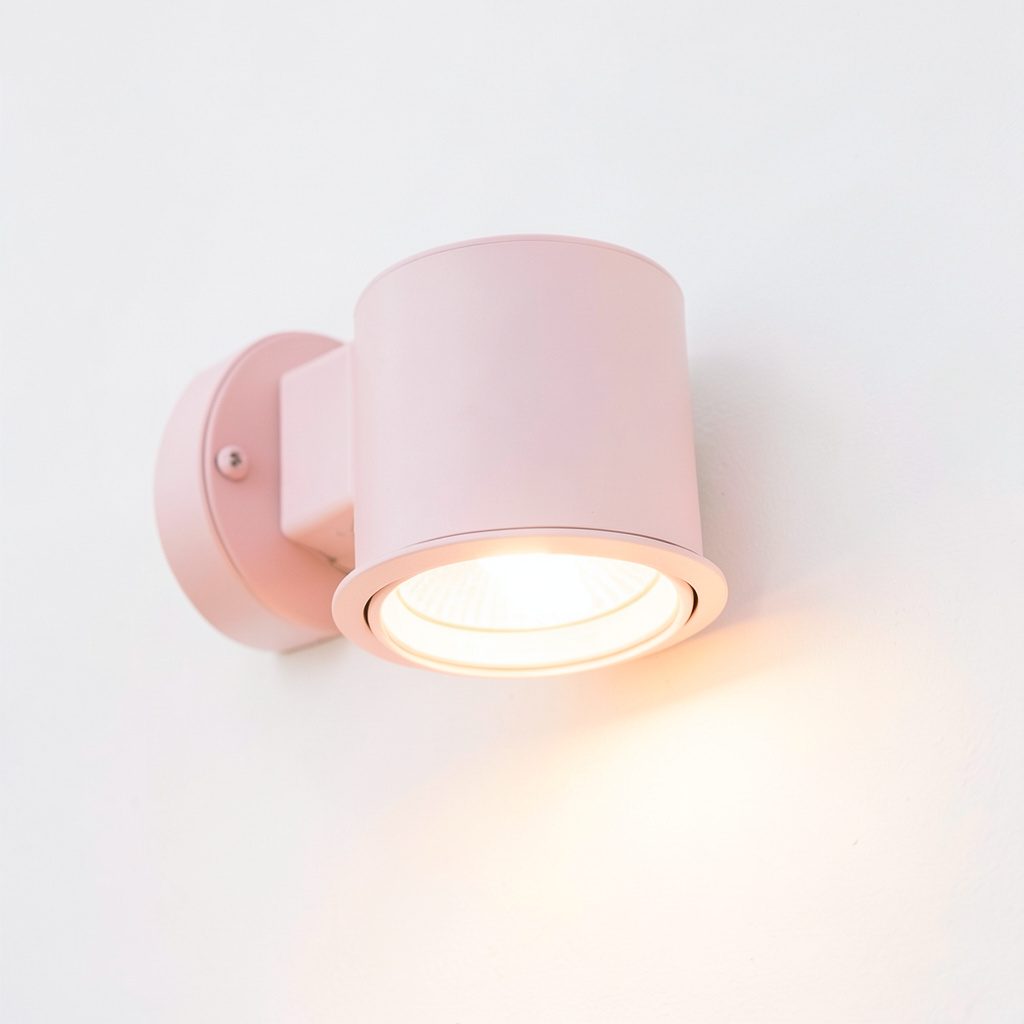
On lawns and garden borders, aim the beam downward and keep it below eye level. It should reveal the bench edge and nearby path without washing out planting or attracting insects to the seating area. For security, pair the concealed strip with a wider, shielded wall light that illuminates the wider yard without leaving deep shadows between trees, fences or parked vehicles.
Solar, mains and battery-powered choices
Solar lighting avoids fixed cables and can suit benches far from a patio, but the panel needs direct sunlight. A bench beneath a pergola, tree canopy or dense shrub may not charge a panel reliably even if it receives plenty of sun elsewhere. A solar lighting guide is useful for comparing runtime, panel placement and seasonal performance before choosing a solar strip.
Mains power remains the most consistent option for frequent evening use. It supports brighter output, dependable dimming and uninterrupted operation without battery replacement. The trade-off is the need for compliant fixed wiring and a suitably placed power supply, which makes professional installation sensible for permanent seating.
Rechargeable battery strips offer the simplest installation, but their runtime depends on temperature, battery age and how often the light is used. They work best for occasional accent lighting rather than a main path or security circuit. Whichever power method is chosen, retain a physical switch nearby so the lights can be turned off without reaching for an app.
Make a final selection and install it well
Shortlist each strip by its power method, IP rating, UV resistance, measured lumen output, colour temperature and warranty. A diffuser, aluminium channel and compatible dimmer may cost more initially, yet they usually improve comfort and reduce early failure. Check that every component is designed for outdoor use rather than relying on an indoor strip fitted inside a silicone sleeve.
Test the preferred option after dusk from both standing and seated positions. Look for reflections, bright diode points, uneven sections and excessive spill onto neighbouring areas. This is also the time to check whether app controls respond reliably, whether the transformer hums and whether automatic routines suit the household’s usual barbecue and outdoor-dinner schedule.
Install the strip with the correct channel or clips, seal cut ends as directed and route cables away from mowers and drainage paths. After switch-on, inspect the system in the first few evenings and adjust brightness or positioning if the light appears harsher than expected. Tomorrow, measure the bench’s usable underside and mark that length on the floor with masking tape.