Featured Topics

Lighting Ideas That Transform Concrete Patios
Concrete patios are blank canvases once the sun drops below the fence line. With the right mix of fixtures, a plain slab becomes an evening living room, a dinner setting for friends, or a softly lit stage for native grevilleas and frangipani. Across Australia, where backyards are treated as the main entertaining space for much of the year, patio lighting has shifted from a luxury to a near-essential part of outdoor design.
Homeowners from Brisbane to Perth are pairing solar bollards, warm LED strip lights, and low-voltage uplights to give tired concrete warmth and depth. The goal is rarely a stadium-bright flood; it is a layered glow that keeps mosquitoes manageable, stairs visible, and conversations going long after the esky has emptied.
Why Lighting Matters on a Bare Slab
Concrete reflects rather than absorbs light, which can turn a single bright fitting into a harsh glare. Layered fixtures soften that flat surface with shadows and highlights, breaking up the visual weight of a large patio. Gardeners who already tend their vegie beds at twilight quickly realise that spill light from a patio can double as gentle illumination for nearby herbs and seedlings, much like the practical glow discussed in vegie bed lighting guides.
The colour temperature you choose also shapes the feel of the slab. Warm white (around 2700K) echoes the amber of incandescent bulbs once favoured in fibro weekenders, while a neutral 3000K reads cleaner against rendered walls and timber screens. Cool whites tend to feel clinical on concrete and rarely suit the relaxed alfresco mood Australians chase on long summer evenings.
Picking Fixtures That Survive the Climate
Australia is a country of extremes, and outdoor gear has to put up with salt spray in coastal suburbs, baking heat in the Red Centre, and sudden downpours along the east coast. An IP65 rating or higher is the baseline for any fitting that sits within reach of a hose or a sea breeze. Stainless steel and powder-coated aluminium outperform plastic-bodied units when salt air starts to pit exposed screws.
Brands such as Philips and InnoGear release models with marine-grade components, and they are widely stocked at Bunnings and through online retailers. For shoppers comparing warranty terms and replacement drivers side by side, a curated resource like the landscape gardening hub can save an afternoon of tab-juggling.
Layering Ambient, Task, and Accent Light
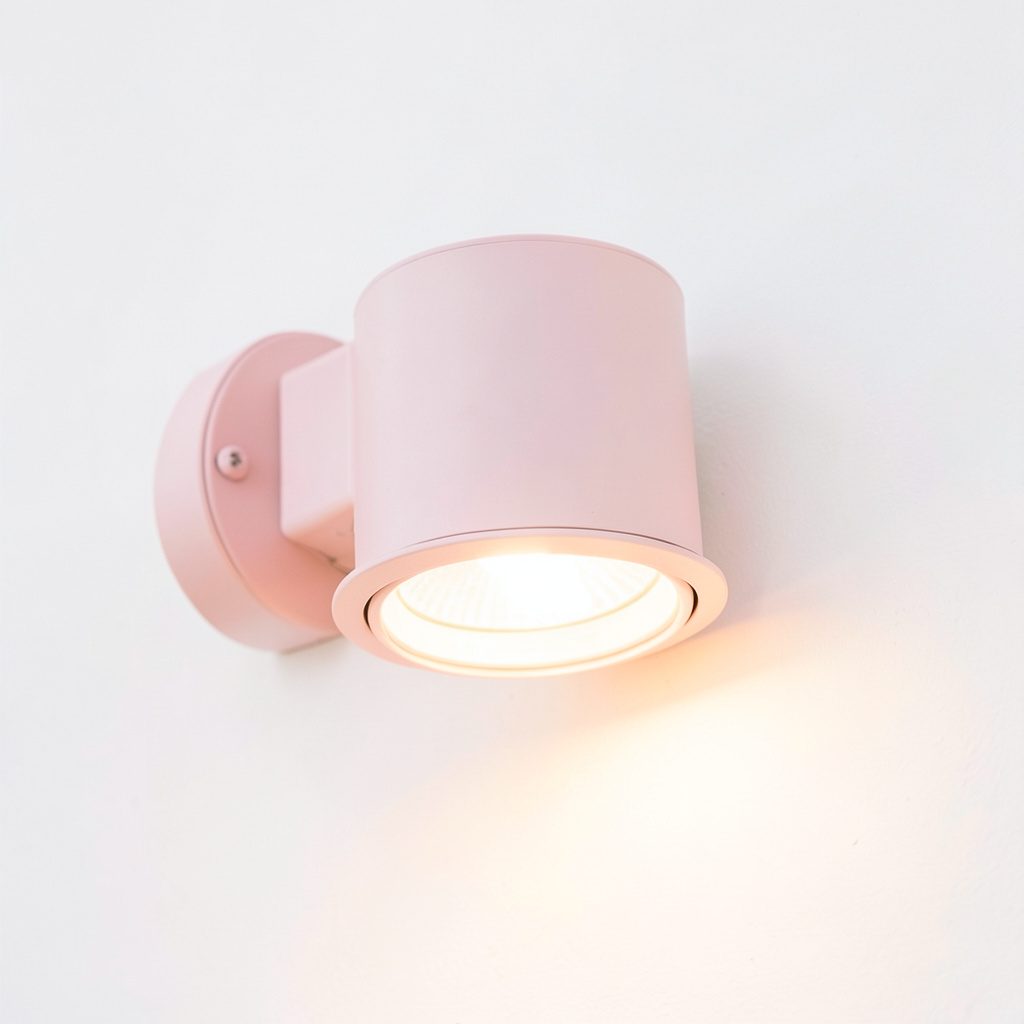
A balanced patio plan borrows the same logic used indoors: ambient light sets a base, task light supports specific activities, and accent fixtures draw the eye to a feature. On a concrete patio that often means strung festoon lights overhead, a pair of wall-mounted sconces flanking a servery window, and a low-glow uplight tucked behind a potted yucca.
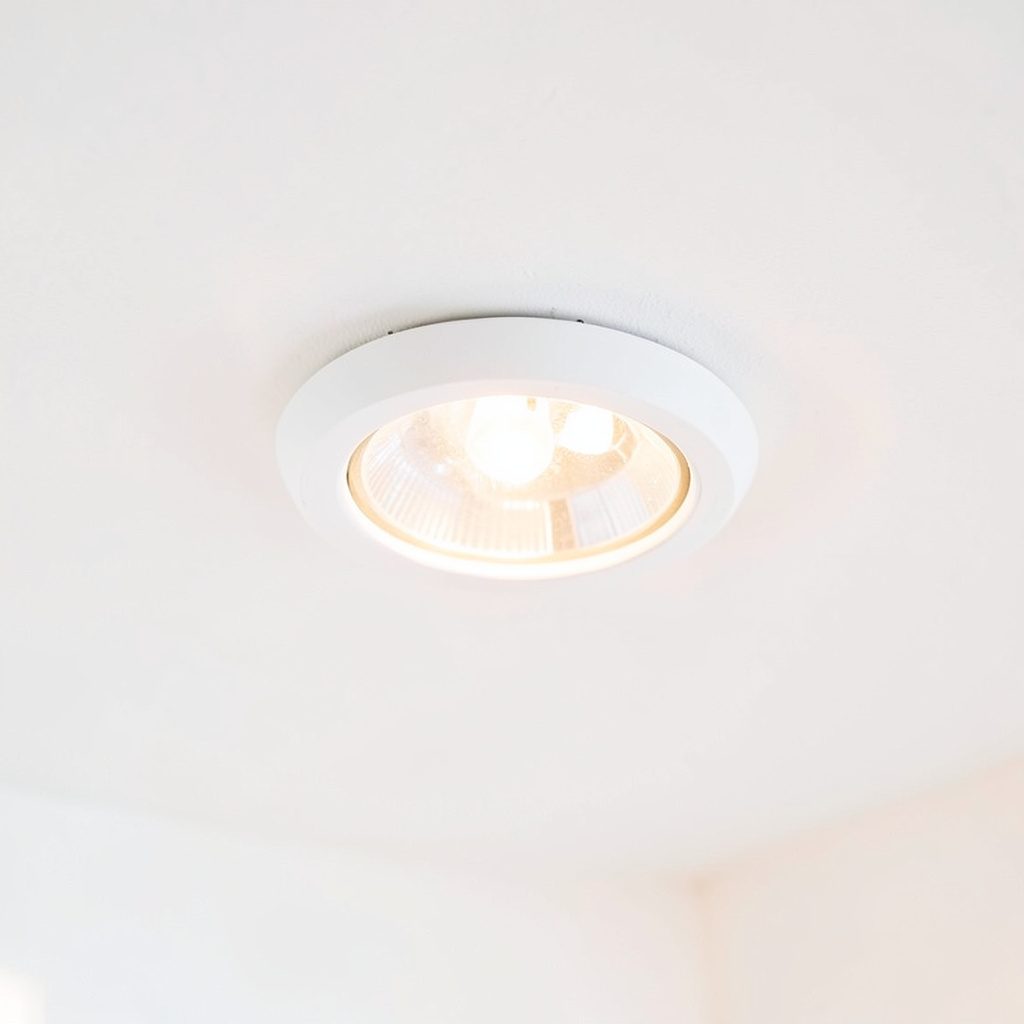
In a Melbourne courtyard, ambient light might come from a slim LED strip recessed into a timber bench, while task lighting takes the form of a downlight above the barbecue. Accent fixtures could be small spike lights aimed at a feature wall. Used together, the three layers prevent the slab from feeling like a parking lot and turn it into a destination.
Solar, LED, and Low-Voltage Trade-Offs
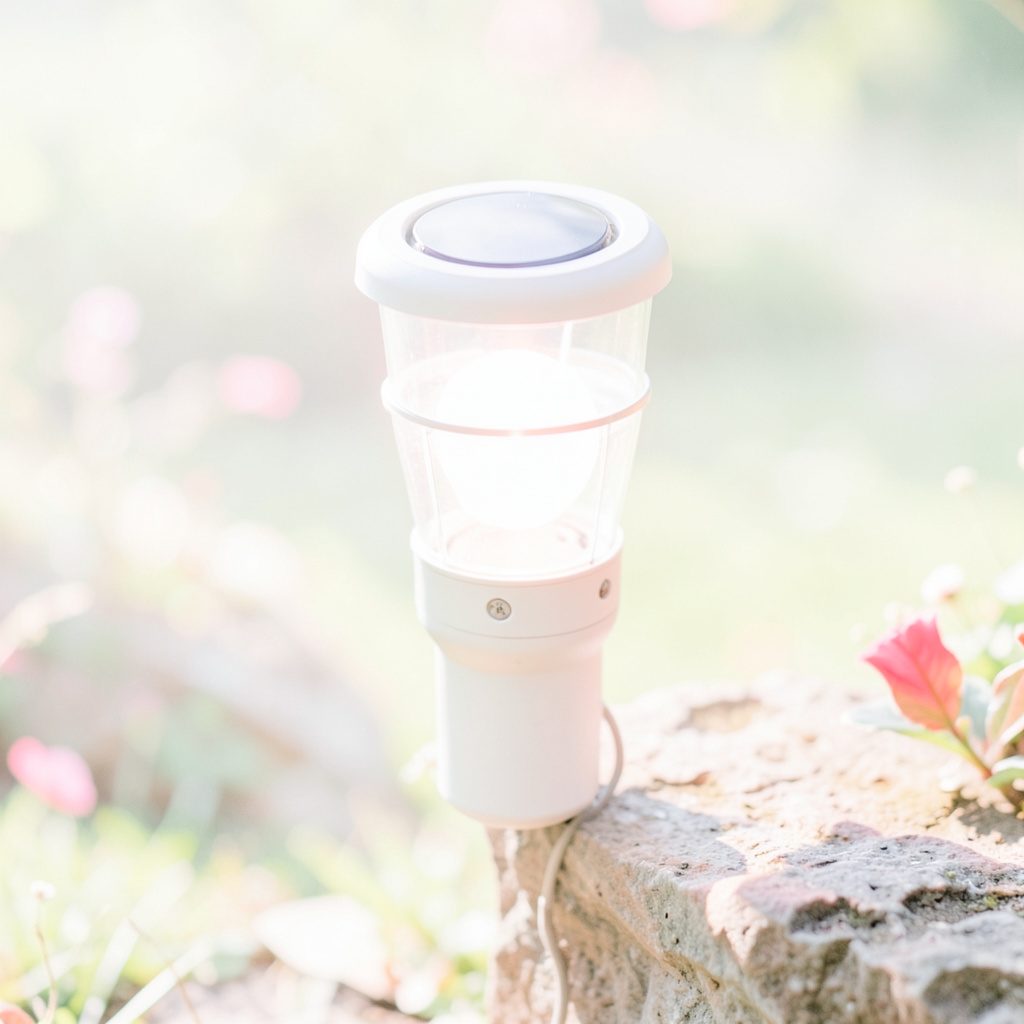
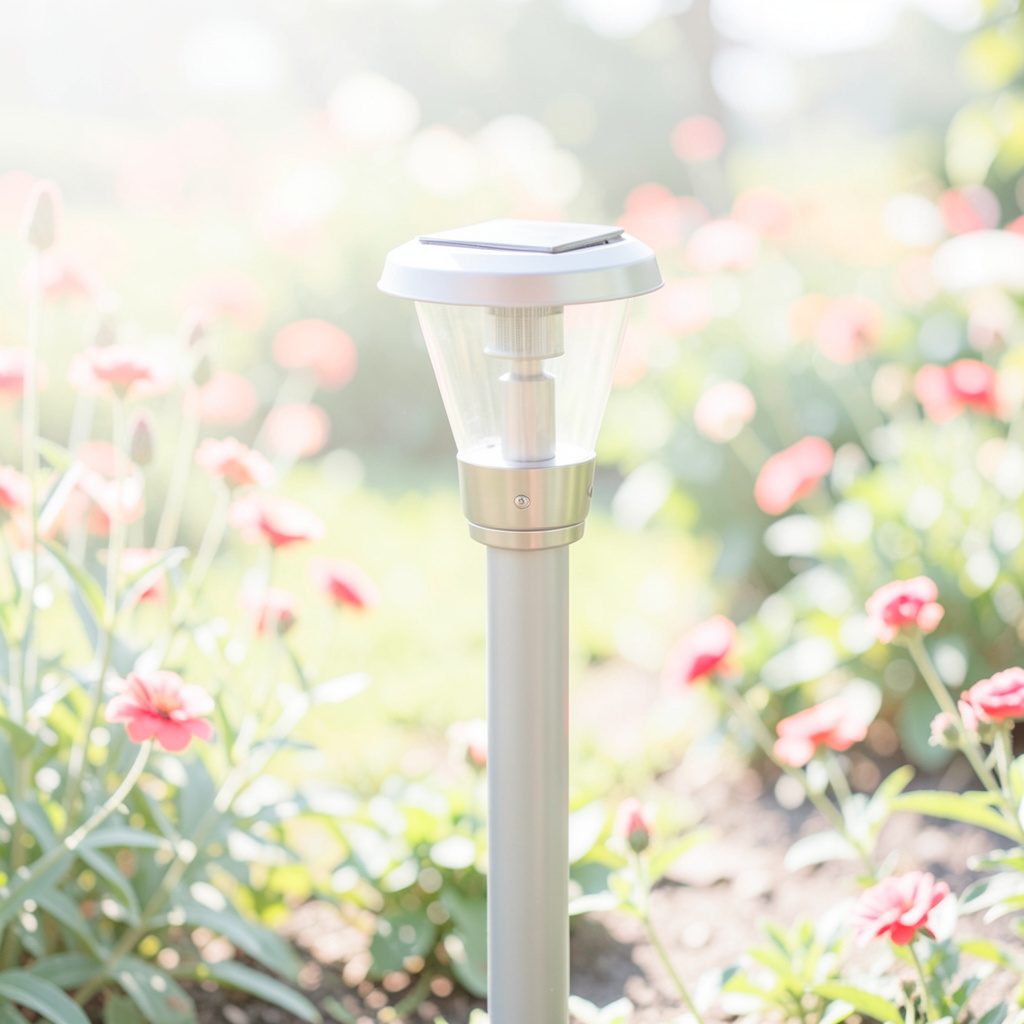
Solar fittings have earned their place in Australian gardens thanks to abundant sunlight and falling prices. A modern solar bollard now produces a usable glow through a Mildura winter and an overcast Hobart afternoon. The trade-off is positioning: panels need clear sky exposure, and shaded corners under pergolas will leave batteries undercharged.
Hardwired LED strips and 12V spike lights offer reliability and consistent brightness, but they require a transformer and a plan for routing cabling through or alongside the slab. Many homeowners run conduit under the concrete when pouring a new patio, though retrofitting along the edge with surface-mounted track is workable for existing slabs. Energy-conscious renovators often browse solar light comparison tools before committing to a wired setup.
Step, Path, and Edge Lighting for Safety
Trip hazards on a patio are usually the lip where concrete meets the lawn or the transition from slab to deck. Low-profile step lights that wash treads with a wide beam are far safer than overhead floods, which can cast sharp shadows. Along a side path leading to the chook shed or the washing line, short bollards spaced two metres apart give gentle guidance without lighting up the neighbour's fence.
Families with young children often add motion-activated fixtures near the back door, so a trip from the trampoline to the kitchen does not end in a stubbed toe. Glare control matters here too; shielded units that direct light downward keep possums, currawongs, and the occasional visiting kangaroo from being dazzled when they wander through the yard.
Smart Controls and Daylight Savings
Australians on daylight savings can find their lighting routine shifting through the year. A timer or a smartphone-controlled relay takes the guesswork out of dusk-by-dusk adjustments. Many Philips Hue outdoor fittings pair with popular voice assistants, letting a single phrase handle the patio, the driveway, and the front porch at the end of a long day.
Schedules can mirror household rhythms: dinner-mode at six, late-mode at ten, off at midnight. Some homeowners pair patio lights with a small weather sensor so storms trigger a brief boost rather than a full blackout, useful during tropical wet-season evenings in Cairns and Darwin.
Styling That Suits Aussie Outdoor Living
The look of patio lighting has changed as Aussies have embraced looser, more layered gardens. Instead of symmetrical rows, designers now favour clusters of three to five fixtures staggered across the slab edge, with ground-level uplights aimed at silvery foliage plants like westringia or lomandra. Fairy lights remain a beloved shortcut for instant atmosphere on a budget, particularly for renters in Sydney apartments with shared rooftop terraces.
Before clicking checkout on any outdoor lighting site, scan the data and privacy policy to confirm delivery windows and warranty handling. For anyone planning a full overhaul, sketching the layout on paper before buying often pays off. Spare a thought for DIY patio makeover guides when planning the layout, as marking where extension leads will sit prevents the all-too-common tangle of cords snaking across a freshly sealed slab.
Practical Fixture Choices for Concrete Patios
A few fitting types consistently earn their keep on Australian patios:
- Stainless LED step lights with an IP65 rating for slab edges and stair treads
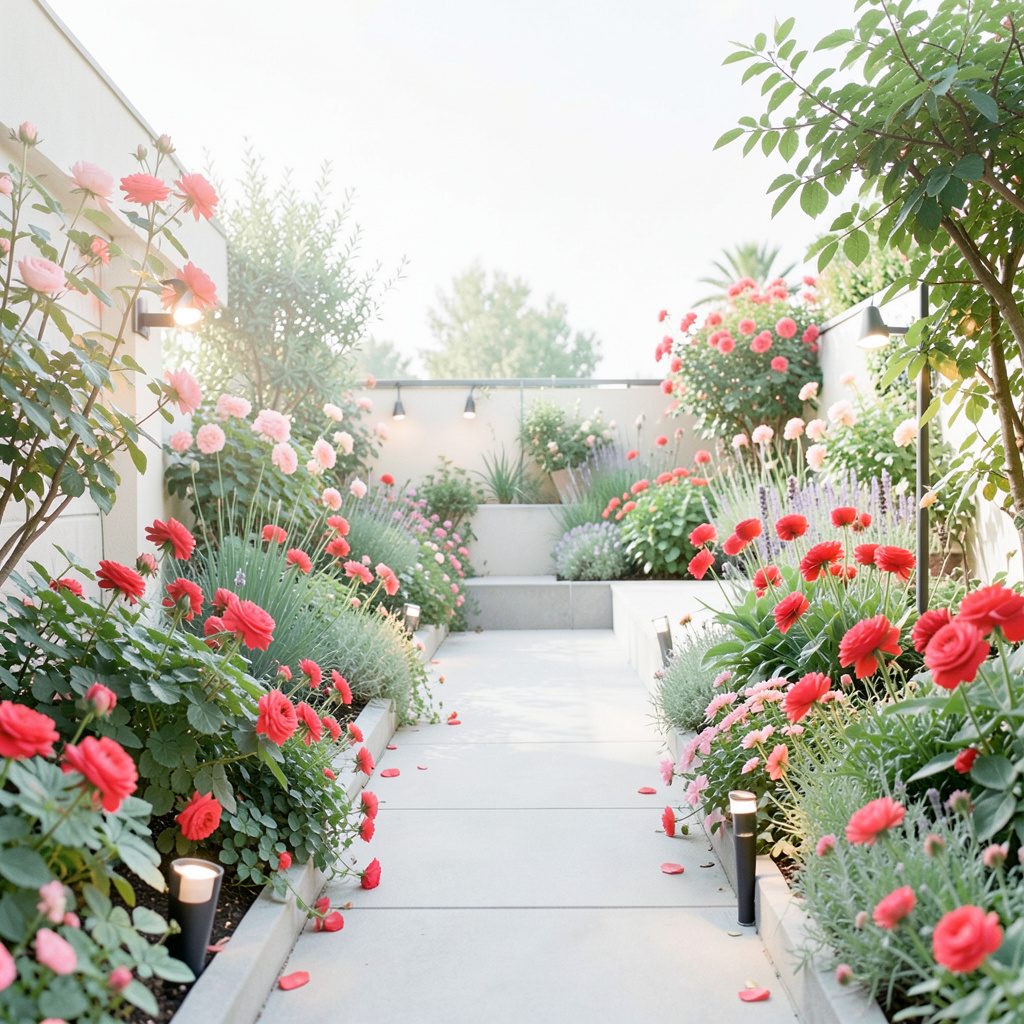
- Solar bollards for side paths where cabling is awkward or impossible
- Warm-white recessed strip lighting under built-in benches and planter lips
- Low-voltage spike uplights aimed at feature trees and rendered walls
- Festoon strings anchored between posts or across a pergola for ambient glow
- Motion-activated wall lights near rear doors for safe after-dark entries
The most rewarding patio lighting schemes tend to grow from a single evening spent outside with a torch, marking where shadows pool and where glare feels harsh. With those observations in hand, even a modest mix of solar and hardwired fittings can turn a plain concrete slab into the most-used room of the house.