Featured Topics

Best Affordable LED Floodlights for Large Backyards
The best affordable LED floodlights for large backyards balance brightness, coverage, weather resistance and running cost. In Australia, a good fitting needs to handle intense summer sun, sudden storms and large outdoor areas, whether it is lighting a suburban lawn in Brisbane, a sloping block near Hobart or a wide entertaining area outside Perth.
LED technology makes that balance easier. It uses less power than halogen, starts instantly and can provide broad illumination without making the yard feel like a sports oval. Solar floodlights can suit areas without nearby wiring, while mains-powered models are usually the dependable choice for regular security lighting and bigger properties.
Match brightness to the space
Lumens are more useful than wattage when comparing LED floodlights. A compact garden corner may need only 500 to 1,000 lumens, while a long driveway, shed frontage or broad lawn may benefit from 2,000 to 4,000 lumens. Two medium floodlights often create more even coverage than one extremely powerful unit mounted in the centre.
Beam angle matters just as much. A narrow beam throws light farther and can highlight a gate or side passage, while a wide beam spreads illumination across a patio or lawn. For a large backyard, look for adjustable heads or a beam angle of roughly 100 degrees or more, particularly when the fitting is installed low on a wall or fence.
Colour temperature also affects how the garden feels. Neutral white around 4,000K shows paths, steps and plants clearly without the harsh blue appearance of some cool-white security lights. Warm white is gentler around seating areas, vegetable beds and timber decking, and works well when the aim is atmosphere rather than surveillance.
Affordable models worth comparing
Philips LED floodlights are a sensible starting point for homeowners who want a recognised brand, consistent output and a clean, practical design. Mains-powered Philips fittings can work well beside garages, carports and rear doors, while compact versions suit smaller zones around a larger property. Check the exact lumen rating and IP certification for the model, as specifications differ across ranges and retailers.
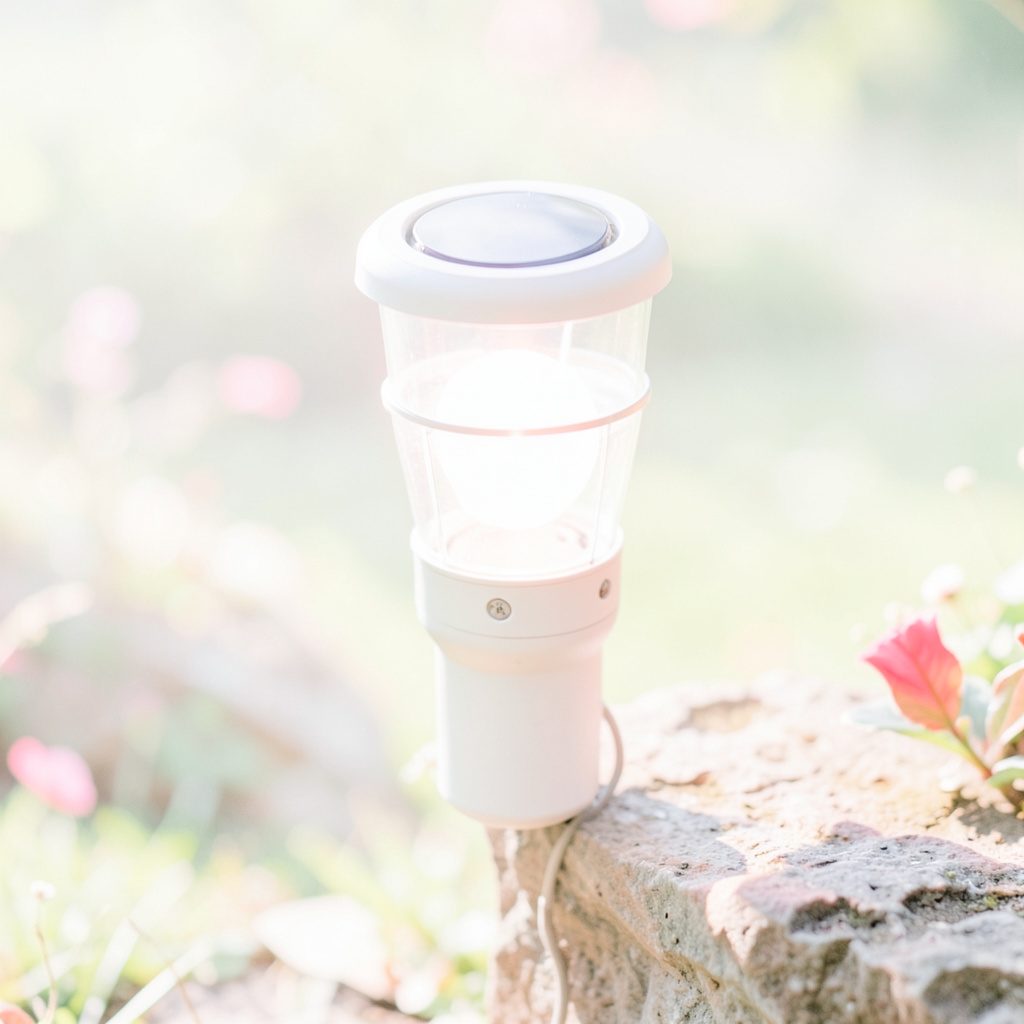
InnoGear solar floodlights are useful where trenching cable is inconvenient. They commonly combine a solar panel, rechargeable battery and motion sensor in one unit, making them suitable for fences, sheds and remote corners. Their performance depends heavily on direct sunlight, so a panel beneath a verandah or shaded by a gum tree may not recharge reliably through a Melbourne winter.
Retailers such as Bunnings, Amazon Australia and major electrical suppliers often stock several affordable alternatives. Prices can shift during end-of-financial-year sales, Black Friday promotions and seasonal outdoor campaigns. Compare the warranty, replacement availability and mounting hardware rather than choosing solely by the lowest ticket price.
Plan coverage across the backyard
Large blocks are easier to light in zones. One fitting can cover the entertaining area, another can face the side gate, and a third can illuminate the shed or rear boundary. This arrangement reduces dark gaps and avoids the deep shadows created when a single floodlight shines from one central point.
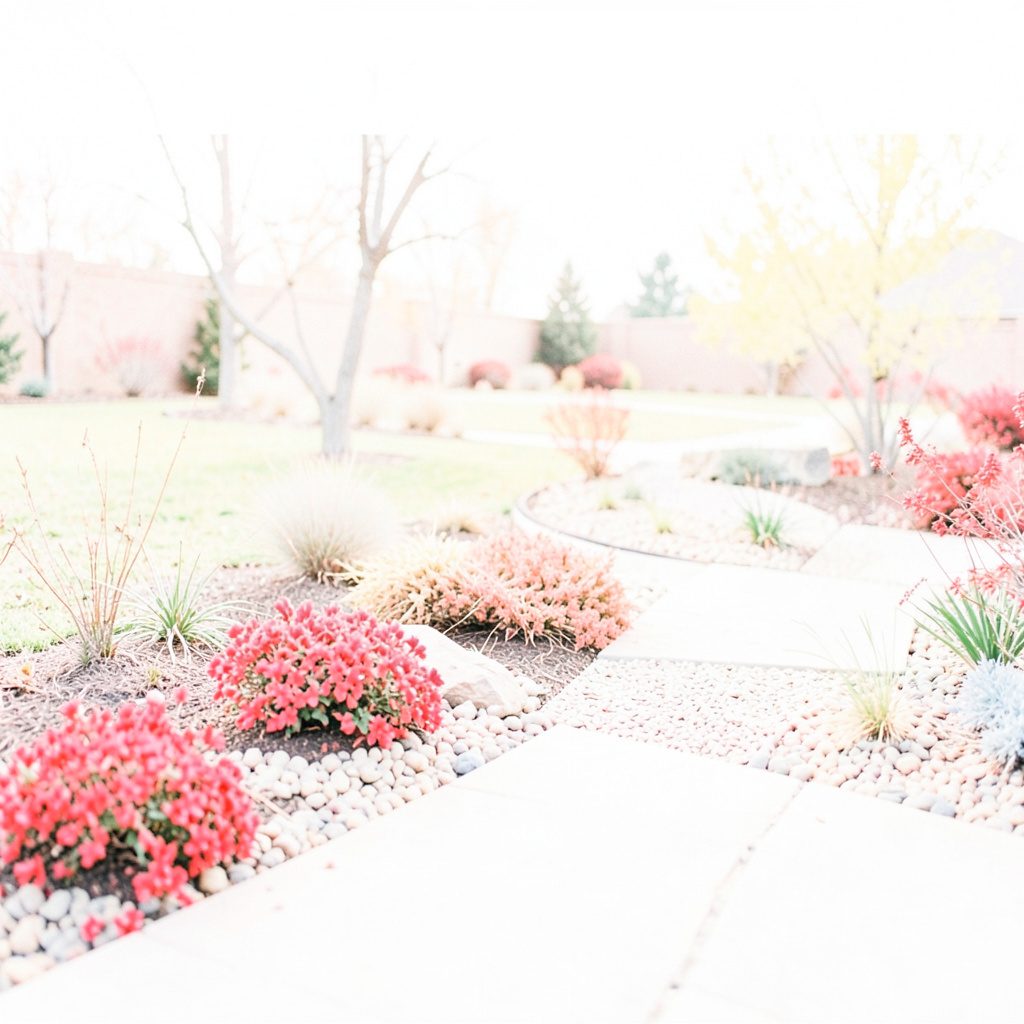
For a lawn beside planting beds, aim the light across the ground rather than directly into nearby windows. Garden features such as palms, stone edging and raised beds can create attractive layers when illuminated from the side. If you are planning food-growing areas, these vegetable garden ideas can help shape beds and pathways before deciding where the lights should go.
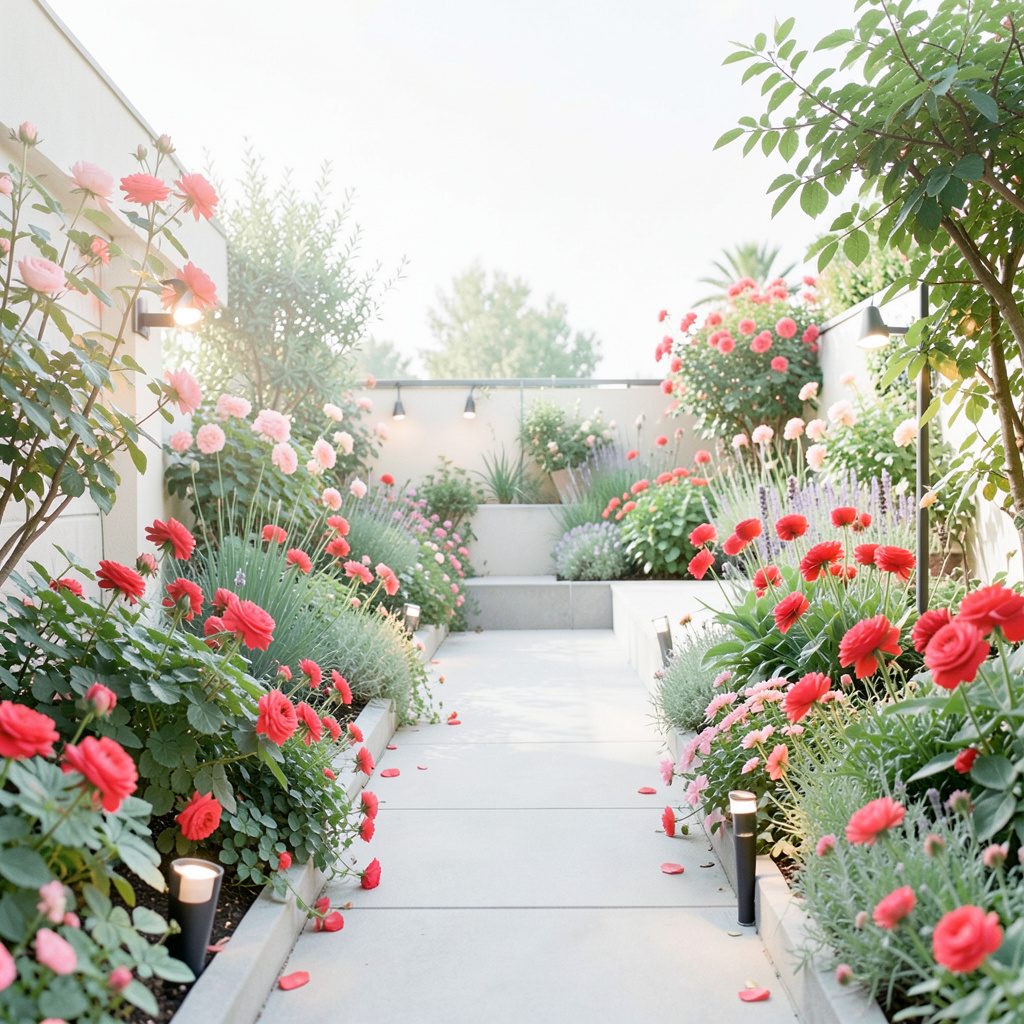
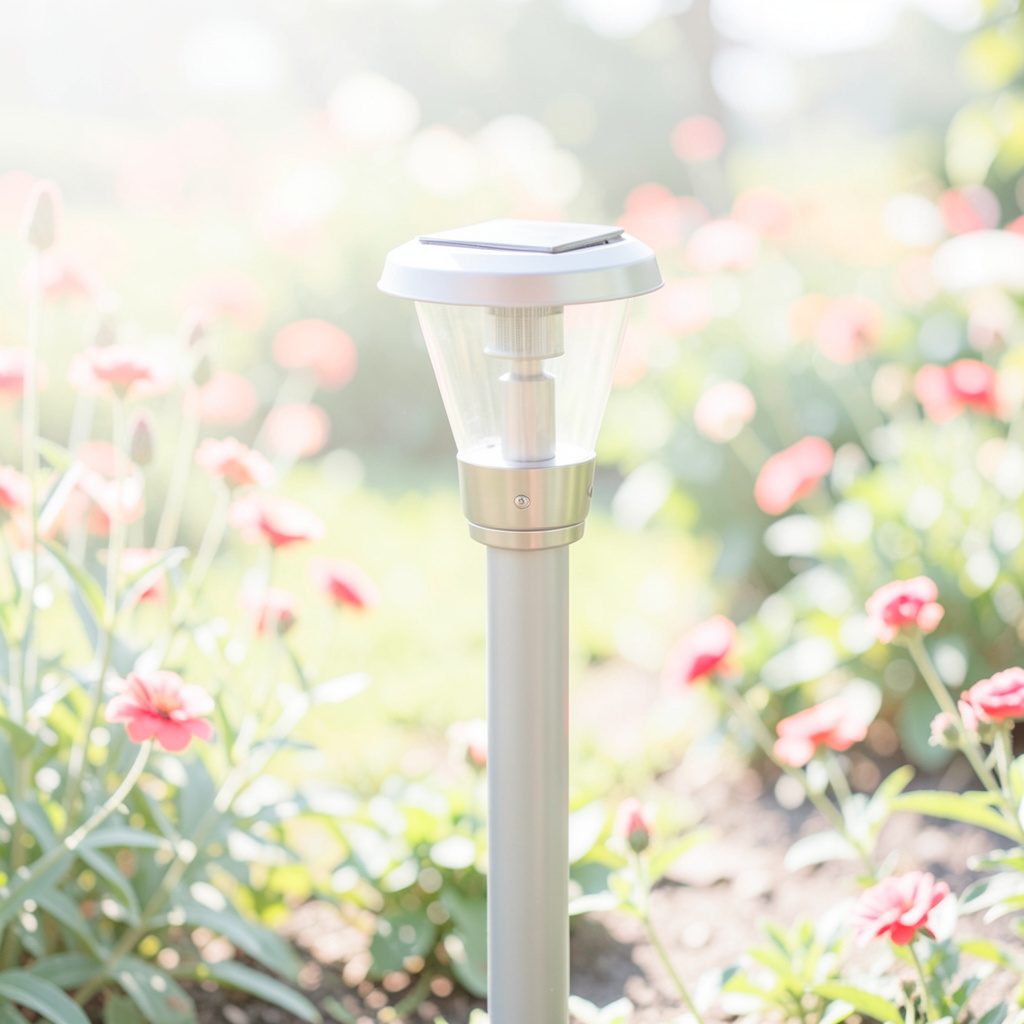
A separate low-level light may be better for paths. LED bollards give gentle guidance without washing the whole garden in glare, and contemporary bollard lights can complement modern paving, rendered walls and simple planting schemes. Use floodlights for visibility and bollards for orientation rather than expecting one fixture to do both jobs.
Use motion sensors thoughtfully
Motion-activated floodlights can cut unnecessary power use and make a yard feel safer. They are particularly practical for side access, bins, garages and areas that are used occasionally. Choose a sensor with adjustable range and duration so it does not activate every time a possum crosses the lawn or a branch moves in the wind.
A sensor aimed at a public footpath or a neighbour’s yard may create unwanted activations and complaints. In dense suburbs around Sydney, Melbourne and Adelaide, careful positioning helps reduce light spill into bedrooms. On acreage, the sensor can be aimed toward a driveway or gate, but the detection zone may need testing after installation.
Security lighting works best as part of a broader plan rather than as a substitute for every other measure. This motion sensor security guide offers useful context when deciding where detection is valuable and where steady low-level lighting may be more appropriate.
Protect fittings from Australian conditions
Look for an IP65 rating or higher for exposed outdoor floodlights. The first number indicates protection from dust, while the second relates to water. IP65 is generally a useful benchmark for rain and hose spray, although fittings should still be installed according to the manufacturer’s instructions and not placed where water regularly pools.
UV exposure is another concern. Cheap plastic housings can discolour or become brittle after years of Western Australian or Queensland sun. Metal housings, sealed cable entries and sturdy brackets tend to last longer, especially on north-facing walls. Coastal homes near Newcastle, the Gold Coast or Geelong should also consider corrosion resistance because salt air can affect screws and mounting hardware.
Keep the lens clear of spider webs, leaves and dust. A dirty lens reduces useful light and can make a fitting appear weaker than its rated output. Before maintaining the surrounding lawn, it may help to review how to sharpen lawn mower blades so routine mowing does not leave tall grass blocking low-mounted lights or covering solar panels.
Check the details before buying
A low purchase price can become poor value if the battery fades quickly, the sensor cannot be adjusted or the fitting fails after one wet season. Read the installation requirements carefully, especially for mains-powered models. In Australia, fixed 240-volt outdoor wiring should be handled by a licensed electrician, while plug-in products still need weather-appropriate outlets and cable protection.
Before choosing a floodlight, compare the following practical features:
- Brightness in lumens and the width of the beam
- IP rating, housing material and corrosion resistance
- Solar panel size, battery capacity and winter performance
- Motion-sensor range, activation time and sensitivity controls
- Adjustable heads, mounting strength and cable-entry design
- Warranty terms, replacement parts and local retailer support
Also consider how the light will look from inside the house. A fitting that illuminates the yard beautifully may shine straight through a bedroom window if it is mounted too high or tilted carelessly. A short evening test with temporary placement can reveal glare, shadows and sensor problems before permanent installation.
A family-oriented backyard may need warm, comfortable light around a deck and brighter illumination near steps or a pool gate. Pool areas require particular care with electrical safety and local regulations, so product instructions and professional installation should take priority over convenience. For community-minded garden projects and creative outdoor ideas, the Purple Stitch Project is another source of inspiration beyond standard hardware-store styling.
An effective large-yard lighting plan rarely depends on the most powerful fitting available. It uses several appropriately placed LED floodlights, keeps glare under control and selects solar or mains power according to the site. The key point to remember is simple: choose coverage, weather protection and controllability first, then let brightness and price complete the decision.