Featured Topics

Motion-Sensor Security Lights For Your Driveway
A well-placed driveway light can make arriving home easier, discourage unwanted visitors and help security cameras capture clearer footage. The best motion-sensor security lights combine dependable detection, useful brightness and weather resistance without flooding the entire street with glare.
For Australian homes, the choice needs to suit local conditions. A coastal property in Perth or Brisbane may face salt air and intense sun, while Melbourne driveways often need reliable performance through long, wet winter evenings. In regional areas, insects, possums and passing cars can trigger poorly adjusted sensors.
The latest options range from compact solar lamps to powerful hardwired LED floodlights. Some are simple fit-and-forget products, while others connect to Wi-Fi, send phone alerts or integrate with a broader smart-home system. Philips and InnoGear are familiar names in this category, while Arlec, Ring and other brands are widely found through Australian retailers.
A good starting point is the shape of the driveway, rather than the brand name. Think about where visitors walk, where vehicles turn, whether a garage blocks the sensor and how much direct sun reaches the mounting point. These details matter as much as the advertised lumen output.
What Makes A Driveway Light Effective
Motion detection is usually based on passive infrared technology, which senses changes in heat as a person or vehicle moves across its field of view. A sensor works best when movement crosses its detection zone, rather than approaching it directly. Mounting height, angle and nearby walls can therefore affect performance considerably.
Brightness should be matched to the job. Around 700 to 1,500 lumens is often suitable for a residential driveway, while a larger exposed area may benefit from a twin-head floodlight with a higher output. Excessively bright lamps can wash out security-camera images, disturb neighbours and create harsh shadows beside paths and fences.
Look for an adjustable detection range, timer and sensitivity control. A short timer of 30 seconds to two minutes is generally enough for unlocking a door or walking from the footpath to the garage. Warm-white light around 2700K to 3000K feels less severe near living areas, whereas neutral or cool white makes paving and vehicle access easier to see.
Five Strong Options For Australian Homes
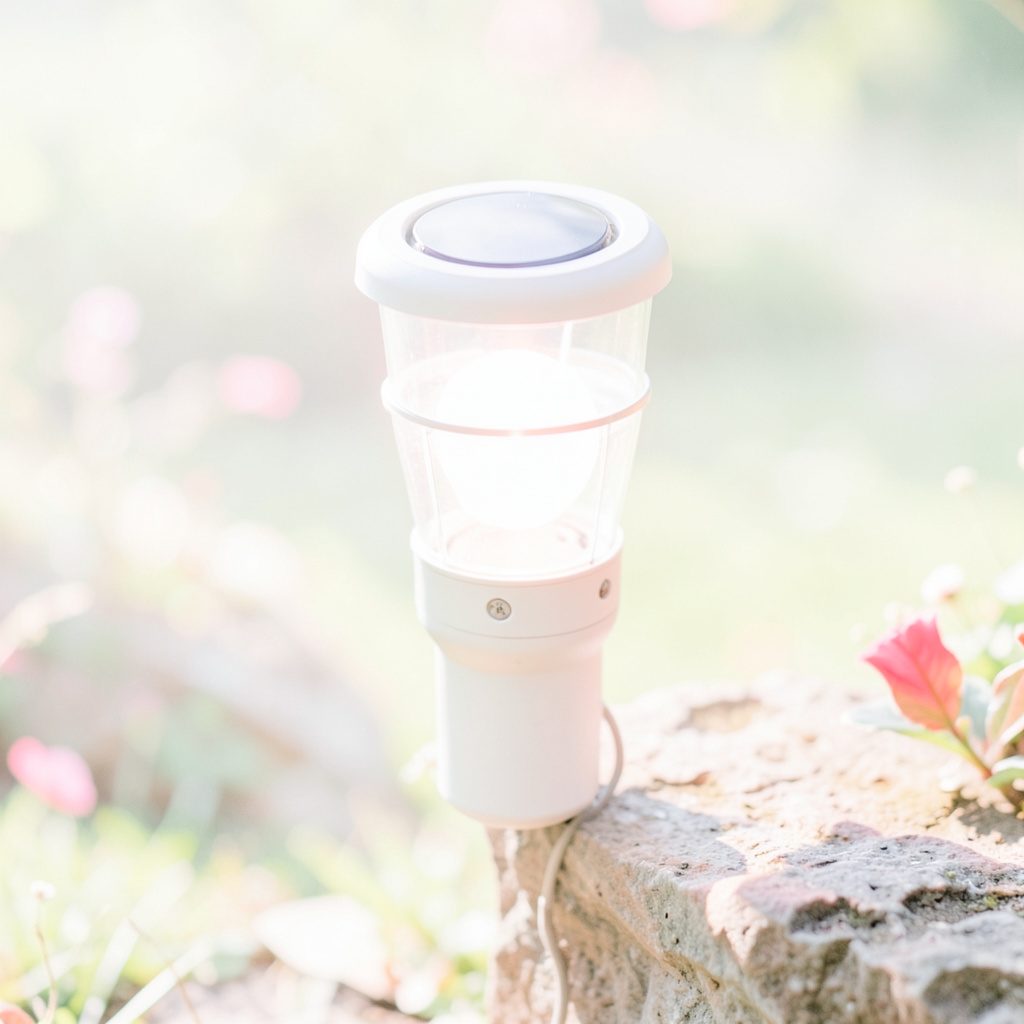
For a low-maintenance installation, an InnoGear solar motion light is a practical choice for a side driveway, carport edge or pedestrian approach. Its separate solar panel design is useful where the lamp needs to sit in shade, but the panel can receive full northern or western exposure. Solar output will vary through cloudy periods, so it is best for guidance and deterrence rather than constant high-power illumination.
A Philips outdoor LED security fitting suits homeowners who prefer a recognised lighting brand and a more polished appearance. Philips models commonly offer sealed construction, adjustable heads and broad illumination for garages or front entrances. Check the exact Australian model for IP rating, sensing range and whether installation requires a licensed electrician.
An Arlec Grid Connect outdoor floodlight is a useful smart-home option for households already using compatible devices. App control can allow schedules, remote switching and adjustments to sensitivity, although Wi-Fi reliability matters. A strong home network signal should reach the driveway, and cloud-dependent features may be less useful during an internet outage.
A Ring Smart Lighting Floodlight is worth considering when security cameras and phone notifications are priorities. Its floodlight can pair naturally with a wider Ring setup, giving households a record of motion as well as visible illumination. Subscription requirements, local availability and compatibility with existing Ring equipment should be checked before purchase.
For a simpler budget installation, choose a twin-head LED motion floodlight from a hardware retailer such as Bunnings or Home Depot’s Australian-equivalent local suppliers. These fittings usually provide broad coverage, manual override and a strong output without requiring an app. They are especially suitable for a garage facade where mains wiring is already accessible.
Placement That Reduces False Alarms
Mount a driveway floodlight high enough to discourage tampering but low enough for the sensor to cover the approach. Around 2 to 2.5 metres is common for residential walls, although the manufacturer’s instructions should take priority. Aim one head towards the vehicle entrance and the other towards the path, rather than pointing both directly at a neighbour’s property.
Avoid placing the sensor beside hot exhaust outlets, air-conditioning units or reflective windows. In Brisbane and northern Queensland, moving palm fronds and large insects can cause frequent activations. In suburban Melbourne, a sensor pointed towards a busy footpath may respond to every passer-by. Narrowing the detection angle or reducing sensitivity can solve these issues.
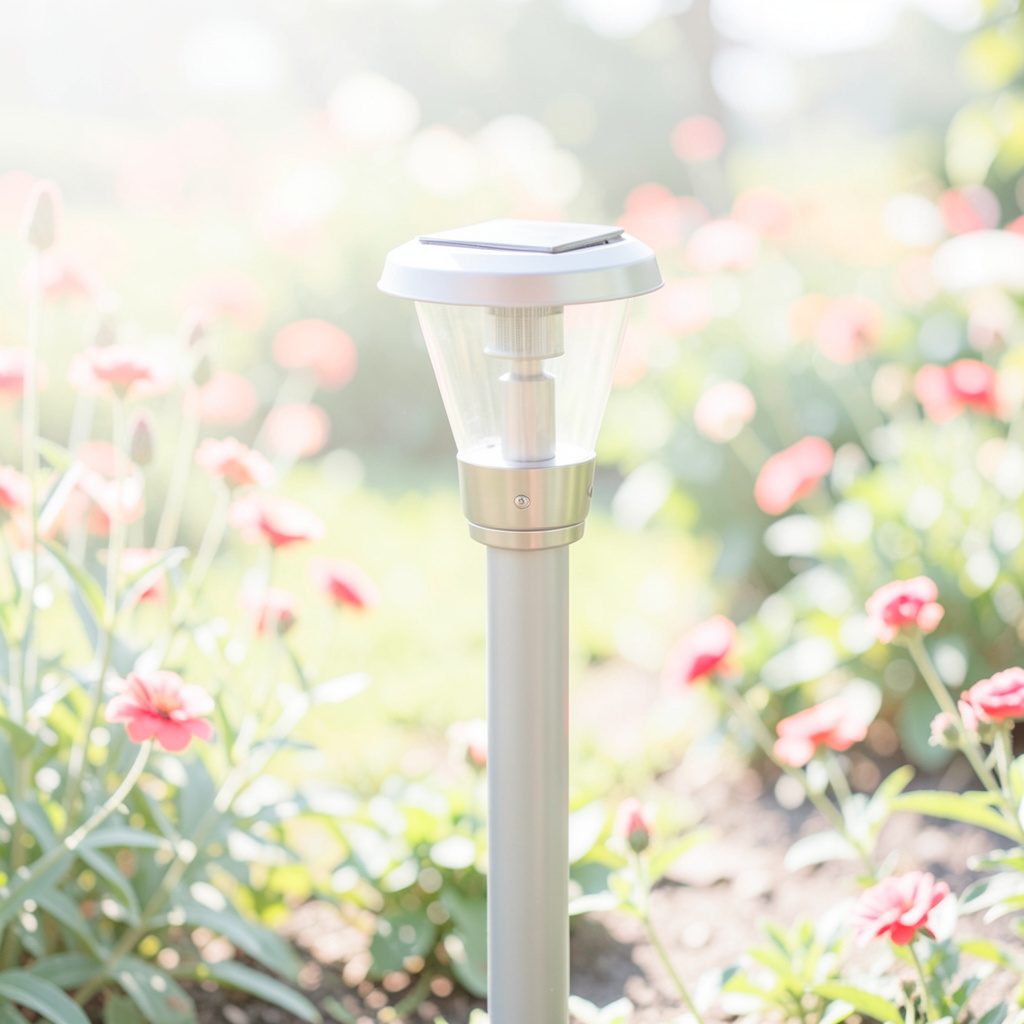
Solar fixtures need special attention to winter shading. A panel that receives good sun in January may be shaded by a tree or neighbouring roof during shorter winter days. The solar pathway guidance is also useful when judging panel placement, battery expectations and the difference between decorative illumination and dependable security lighting.
Keep light directed downwards and across your own property. Shielded heads reduce glare into bedrooms and make the driveway more comfortable to use. A little careful positioning can provide better visibility than simply buying the brightest available fitting.
Features Worth Paying For
Weather resistance is essential in the Australian outdoor environment. Look for an IP rating of at least IP44 for sheltered locations, with IP65 preferable for exposed walls and open driveways. UV-stable plastic, powder-coated metal and stainless-steel fixings generally last longer in harsh sun and coastal air.
Before comparing products, prioritise these details:
- Adjustable detection distance and sensor angle
- A timer with a manual-on or override function
- Sufficient lumens for the driveway’s actual size
- A replaceable or long-life battery in solar models
- IP65 protection for exposed installations
- Compatibility with cameras, hubs or phone apps already in use
Australian buyers should also distinguish between a plug-in, battery, solar and hardwired product. A mains-connected fitting may deliver the most consistent output, but electrical work should be handled by a licensed electrician. Solar lights avoid trenching and wiring, though their battery capacity can fall after several overcast days or as the battery ages.
Check retailer specifications rather than relying only on marketplace photographs. Stock and model names can vary between Amazon Australia, Bunnings, electrical wholesalers and independent lighting stores. Imported products may use unfamiliar plugs, frequencies or warranty arrangements, so regional product listings should be treated as a reference point rather than proof of Australian suitability.
Installation, Privacy And Local Rules
Australian outdoor lighting should be installed with attention to glare and obtrusive light. AS/NZS 4282 provides guidance on the effects of outdoor lighting, and councils or strata schemes may have additional expectations about light spilling onto roads, neighbouring lots or shared driveways. A sensor light aimed at a bedroom window can become a nuisance even when the fitting itself is legal.
If the light is connected to household wiring, use a licensed electrical contractor and select a fitting approved for the Australian market. Solar and battery products are simpler for many homeowners, but they still need secure mounting, protected cables and a position that cannot be easily damaged by vehicles or garden equipment.
Motion lighting can improve security, but it should support sensible habits rather than replace them. Keep shrubs below windows, lock side gates and make sure the lamp does not create deep shadows behind bins or retaining walls. In areas with bushfire concerns, avoid mounting combustible decorations or dry vegetation close to a hot or poorly maintained fitting.
For a design-led approach, review these lighting design ideas before selecting a fitting. Coordinating driveway lights with porch, pathway and garden illumination creates a clearer route to the entrance and avoids the patchy appearance caused by installing several unrelated lamps.
Choosing The Best Fit For Your Driveway
The strongest all-round choice for a wired installation is usually a twin-head LED floodlight with adjustable sensing and a durable IP rating. It provides consistent brightness and can cover both a driveway and garage entrance. A Philips fitting is a sensible polished option, while an Arlec smart model suits households that value app control and automation.
Solar InnoGear lights are convenient for rental properties, detached garages and locations where trenching would be expensive. Ring is better suited to households that want lighting linked with video monitoring and phone alerts. The right purchase depends on whether the main priority is deterrence, convenience, camera visibility or minimal installation work.
Before ordering, measure the mounting height, driveway width and distance to the nearest power source. Then choose one fitting that covers the main arrival route, set its timer to about one minute and test the sensor after dark with a vehicle and a person walking from the footpath.