Featured Topics

Top Solar Wall Lights for Entryways and Porches
A well-lit entryway makes a home feel safer, easier to navigate and more welcoming after sunset. Solar wall lights are particularly useful for front doors, side gates, verandahs and porch steps because they can work without trenching, rewiring or adding a new connection to the mains. Learn more about Epi Light.com.
For Australian homes, the best options combine a strong weather rating with sensible light output. A fitting that performs beautifully in a mild showroom may struggle with Brisbane humidity, Melbourne’s winter cloud cover or salt carried through the air in coastal Sydney. Battery capacity, panel placement and construction quality all affect real-world performance.
The ideal fixture should illuminate the lock, threshold and nearby steps without shining directly into a bedroom window or spilling across the footpath. Warm white LEDs usually create a comfortable residential atmosphere, while a brighter neutral white beam can improve visibility near garages, bins and side access points.
Solar lighting also suits the way many Australians use outdoor areas. Evening barbecues, late arrivals, dog walks and entertaining on a verandah all benefit from gentle, automatic illumination. With the right design, a wall-mounted light can provide practical security while blending with brick, weatherboard, rendered walls or modern fencing.
What To Look For In A Solar Wall Light
Begin with the solar panel and battery rather than the appearance alone. A larger panel generally collects energy more effectively, while a lithium-ion battery can offer dependable storage and a longer service life than a basic nickel-metal hydride cell. Look for a stated operating time, charging period and replacement battery information.
Motion activation is useful beside a driveway or side gate, where full brightness is needed only when someone approaches. At a front porch, a dusk-to-dawn setting may be more attractive because it provides a consistent glow throughout the evening. Some models combine both modes, using low light until the sensor detects movement.
The IP rating is another important specification. IP44 may suit a sheltered porch, but exposed walls benefit from IP65 or better, which offers stronger protection against rain and dust. A sealed housing, corrosion-resistant screws and UV-stable plastic matter just as much as the headline brightness.
Attractive Styles For Australian Homes
Classic lantern-style solar sconces work well with federation cottages, Queenslanders and traditional brick homes. Their warm LED light can soften dark timber, highlight a painted front door and make a narrow porch feel more established. Black, bronze and dark grey finishes tend to coordinate easily with gutters, door hardware and fencing.
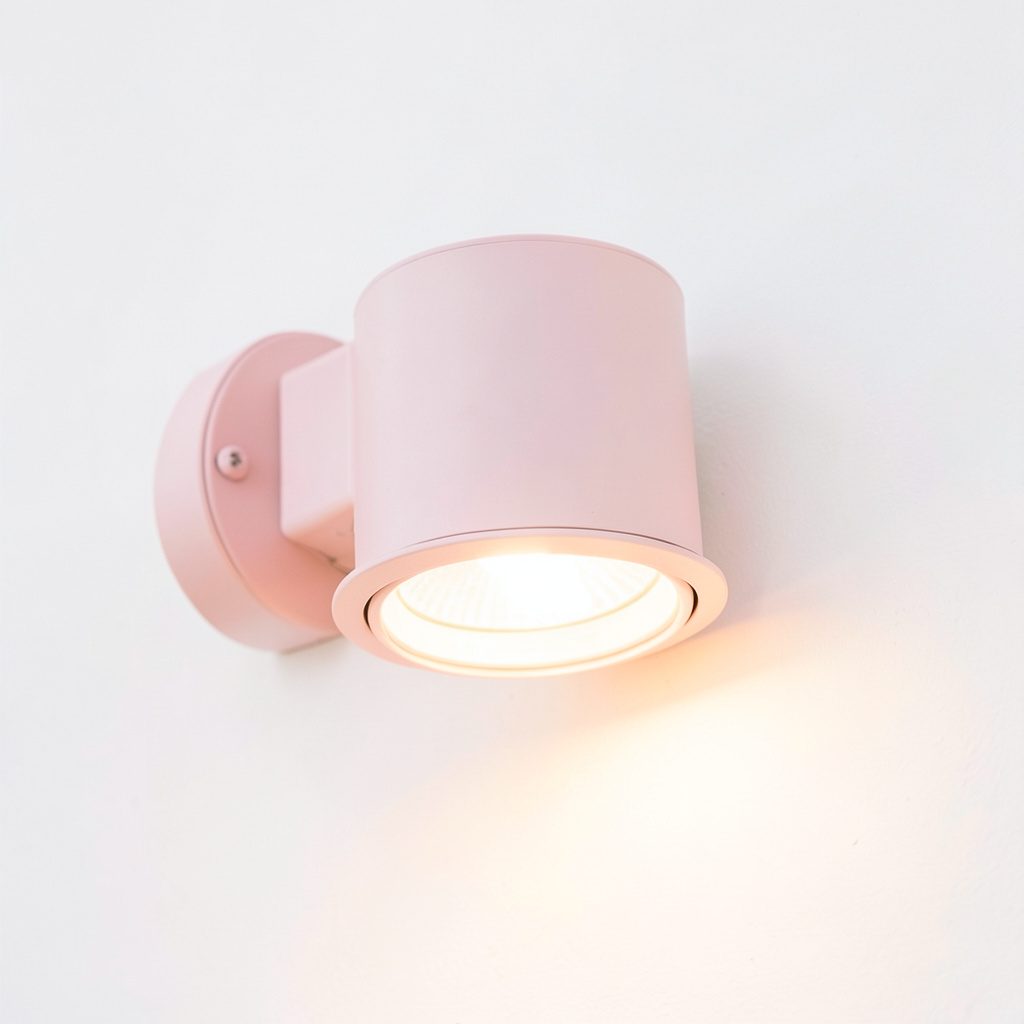
Slim contemporary wall lights suit rendered facades, new townhouses and minimalist terraces. A rectangular fixture with a concealed LED can wash light down the wall, while an up-and-down design creates a decorative pattern around the entry. For design references, a collection of modern lighting designs can help homeowners compare proportions, finishes and beam shapes before buying.
Integrated LED units are usually the simplest choice because there is no globe to replace. However, check whether the LED module is replaceable and whether the manufacturer provides battery or component support. Philips products are often considered for their familiar build quality, while InnoGear offers affordable sensor-based solar fittings that suit smaller renovation budgets.
Placement And Light Distribution
Mount the fixture where the panel receives several hours of unobstructed daylight. A wall facing north will often collect strong sun in much of Australia, although nearby eaves, trees and neighbouring buildings can reduce charging. In shaded courtyards, a model with a separate panel may be more effective than an all-in-one sconce.
The light should reach the key points of movement: the door handle, lock, house number and first step. Placing a fitting too high can create a weak pool of light at ground level, while placing it too low increases the chance of glare. Around 1.8 to 2.2 metres is a useful starting range, adjusted for the height of the doorway and wall.
Avoid aiming motion sensors at busy roads, swaying branches or a neighbour’s driveway. In dense suburbs such as inner Melbourne or Sydney, careful positioning reduces unwanted activation and prevents bright flashes through nearby windows. A shielded downward beam is often friendlier than an exposed LED facing the street.
Weather, Security And Local Requirements
Outdoor fixtures in coastal areas need extra protection from salt air. Homes around Perth, Adelaide beaches or the New South Wales coast should favour powder-coated aluminium, stainless-steel hardware and sealed switches. Wiping the panel and housing occasionally removes salt, dust and pollen that can reduce charging performance.
Heavy summer storms can affect solar lights in Brisbane and northern Queensland, particularly when fittings are mounted on exposed corners. A secure bracket, drainage around the casing and a high IP rating help prevent water ingress. In bushfire-prone regions, keep combustible leaves and dry vegetation away from the wall and surrounding planting.
Solar wall lights are generally low-voltage, self-contained products, but any hard-wired outdoor lighting should be installed according to Australian electrical requirements, including AS/NZS 3000 where applicable. Mains-powered work may require a licensed electrician and suitable protection such as an RCD. Strata rules, rental agreements and local restrictions on excessive light spill can also affect what may be installed.
Comparing Features, Brightness And Value
Lumens are more useful than vague claims such as “super bright.” Around 50 to 150 lumens can be enough for a sheltered front door, while a driveway or side passage may benefit from 200 lumens or more. Excessive brightness can make a small porch uncomfortable and create harsh shadows, so beam control is often more valuable than maximum output.
Check the sensor range and activation duration. A range of three to eight metres is common, but the practical distance depends on mounting height and the sensor’s field of view. Adjustable sensitivity helps prevent false triggers from cats, possums and passing pedestrians, which can drain the battery overnight.
When shopping through Amazon Australia, compare independent customer photographs with the manufacturer’s specifications rather than relying on stock images. Retail pages and buyer comparison notes can be useful for spotting recurring complaints about weak batteries, brittle brackets or inaccurate runtime claims. Home Depot can provide broad product inspiration, although Australian buyers should confirm voltage, shipping, warranty and replacement-part availability before importing.
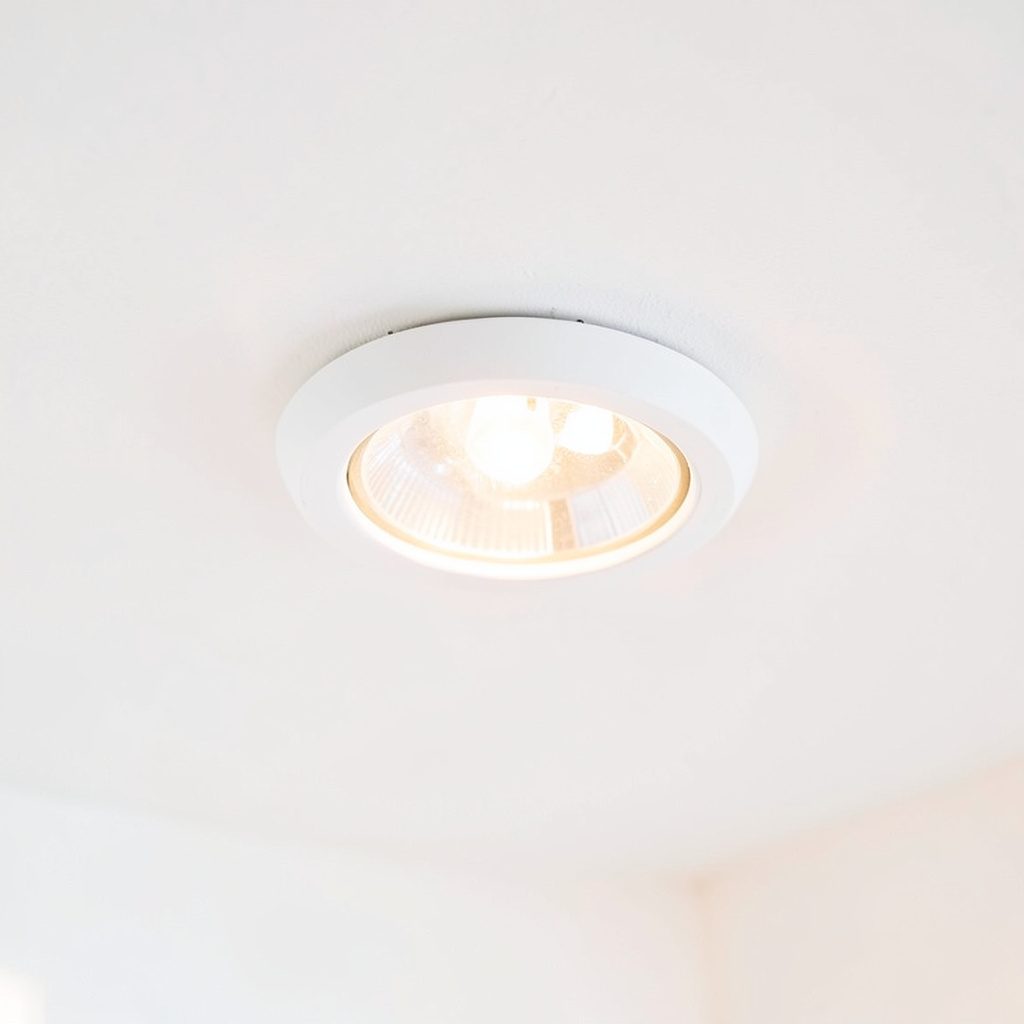
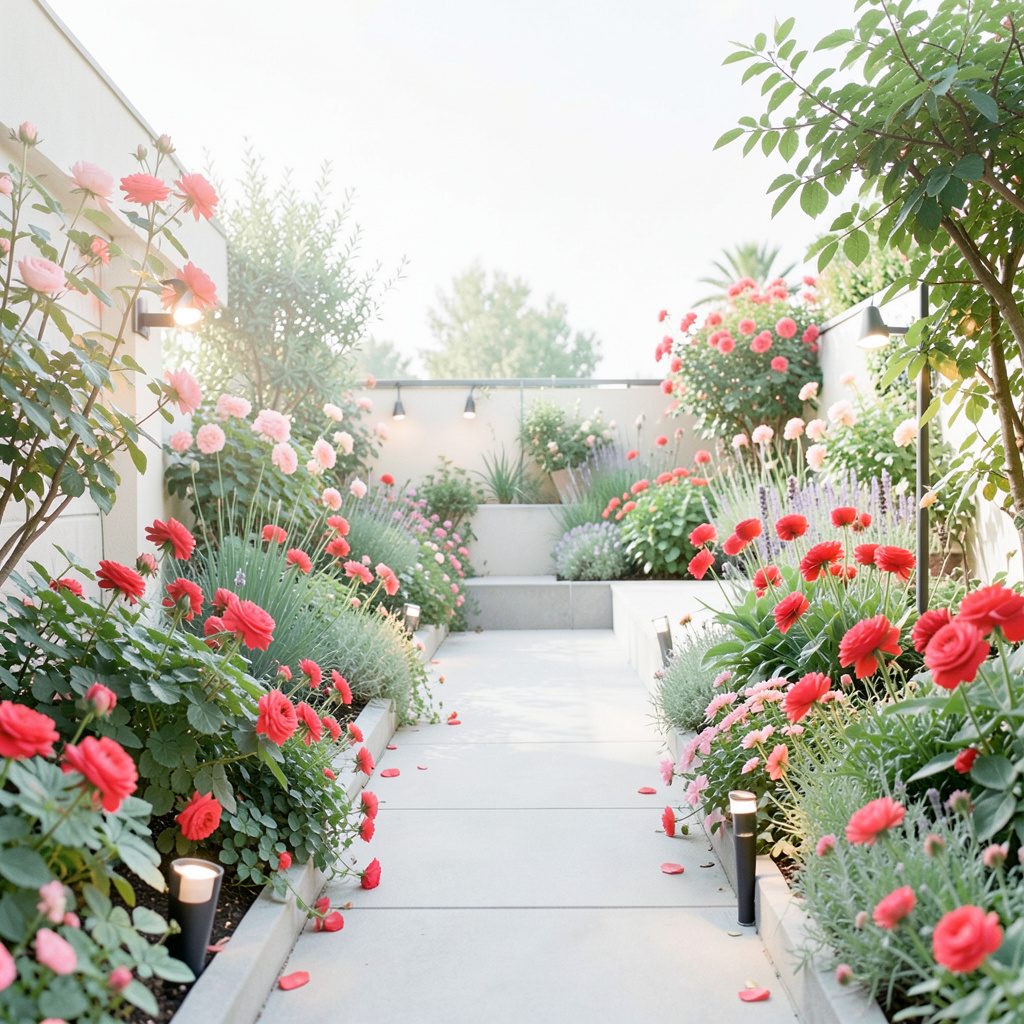
For further guidance on making a dark entrance feel brighter, these lighting tips offer useful ideas about layered illumination, reflective surfaces and glare control. A solar wall fitting works best when it supports the porch’s existing ceiling light, garden path lamps or subtle landscape lighting rather than trying to do every job alone.
Recommended Choices For Entryways And Porches
The right purchase depends on exposure, appearance and how much control is needed. A sheltered apartment balcony may need a compact decorative fitting, while a detached home with a long side passage will benefit from a larger panel and wider sensor range. The following shortlist covers the most useful categories:
- Choose a warm-white lantern sconce for a traditional porch, cottage facade or welcoming front entrance.
- Choose an IP65 motion-sensor light for exposed side gates, driveways and rubbish-bin access.
- Choose a separate-panel model when the wall is shaded by an awning, tree or neighbouring building.
- Choose a slim up-and-down LED fitting for a rendered contemporary facade or townhouse entry.
- Choose a light with a replaceable battery when long-term maintenance and repairability matter.
- Choose a lower-lumen shielded fixture where windows, footpaths or close neighbours make glare a concern.
Before installation, test the panel location with temporary tape or a removable bracket. Observe the wall at dusk, check where the beam falls and make sure the sensor does not activate every time a car passes. This small trial can prevent unnecessary drilling and reveal whether the chosen brightness is comfortable.
A dependable solar wall light should make the entrance legible without dominating it. Prioritise reliable charging, weather resistance, controlled illumination and a mounting position suited to the Australian climate. The feature worth remembering is simple: the best porch light is the one that delivers useful light exactly where people move, while remaining quiet, efficient and durable through changing seasons.