Featured Topics

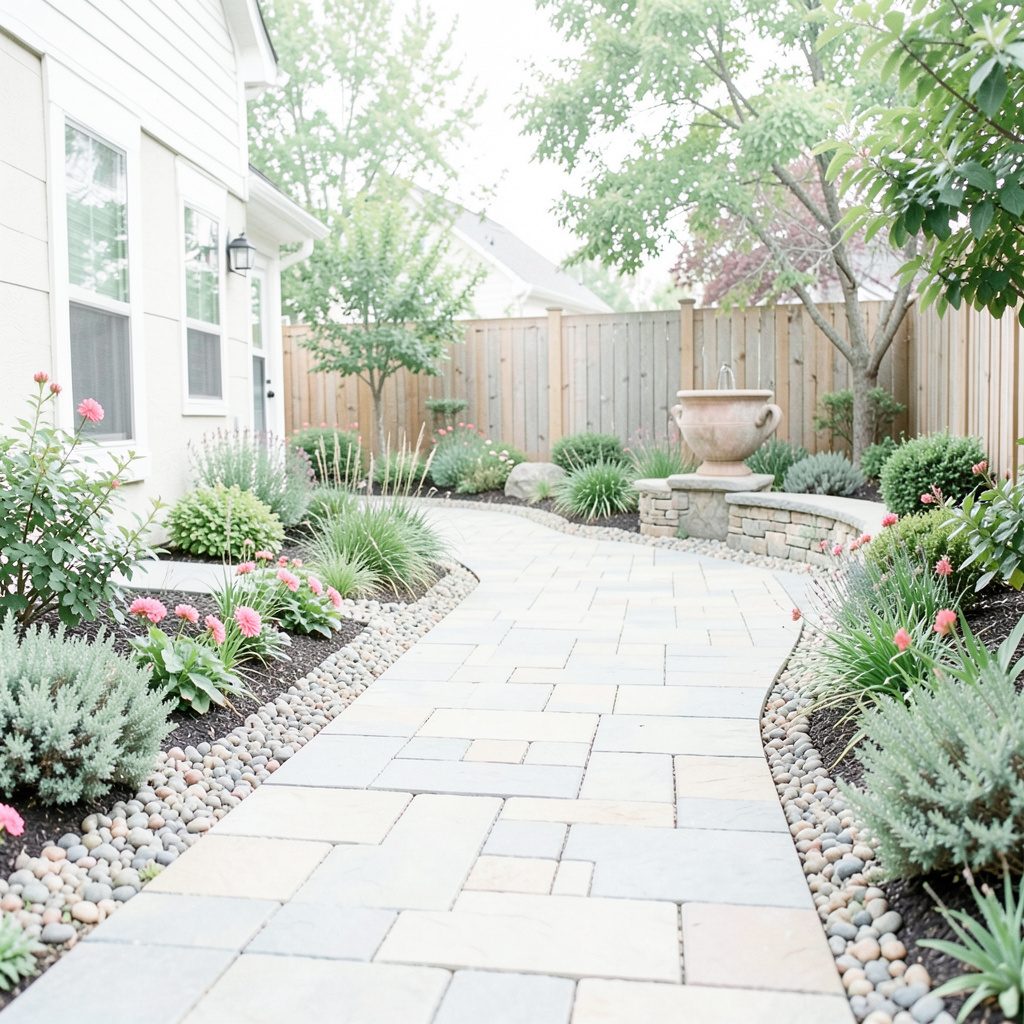
Brighten a Dark Garden Corner with Solar Spotlights
A shadowy garden corner can make an otherwise attractive outdoor space feel unfinished. Solar spotlights offer a simple way to reveal foliage, define a seating area, or draw attention to a feature without trenching cables through the lawn. With the right beam, placement, and panel position, even a neglected side passage can become a useful evening landscape. Learn more about Zolotovsem.kz.
The best results come from treating light as part of the garden design rather than scattering bright fittings at random. Australian gardens bring particular considerations, including intense summer sun, winter cloud cover in southern cities, water restrictions, wildlife, and local bushfire rules. A thoughtful arrangement can add atmosphere while keeping energy use and maintenance low.
Choosing The Right Corner
Start by observing the space after sunset. A dark corner may be caused by a tall fence, dense planting, a shed, or the shadow of a nearby building. Look for a feature that deserves emphasis, such as a sculptural tree, textured stone wall, raised planter, water bowl, or bench. Lighting the object rather than simply flooding the ground creates more depth.
A narrow garden bed often suits one adjustable spotlight aimed at foliage, while a broad corner may need two or three low-output fittings. In a small Sydney courtyard, a soft beam directed towards a lemon tree can make the space feel taller. In a larger Perth or Adelaide garden, several separated pools of light can prevent the corner from appearing isolated.
Check what can be seen from inside the house and from the main path. A beam that looks attractive from the patio may shine into a bedroom window or create glare for people walking past. The goal is controlled illumination, with darker spaces between lit features to preserve contrast.
Working With Australian Sunlight
Solar fittings need a clear view of the sky during the day. Place the panel where it receives several hours of direct sunlight, rather than hiding it beneath a tree canopy or behind a fence. In Brisbane and Darwin, strong sun can recharge many products quickly, but summer foliage may still create shade. Melbourne and Hobart gardens can require more careful positioning during cloudy winter periods.
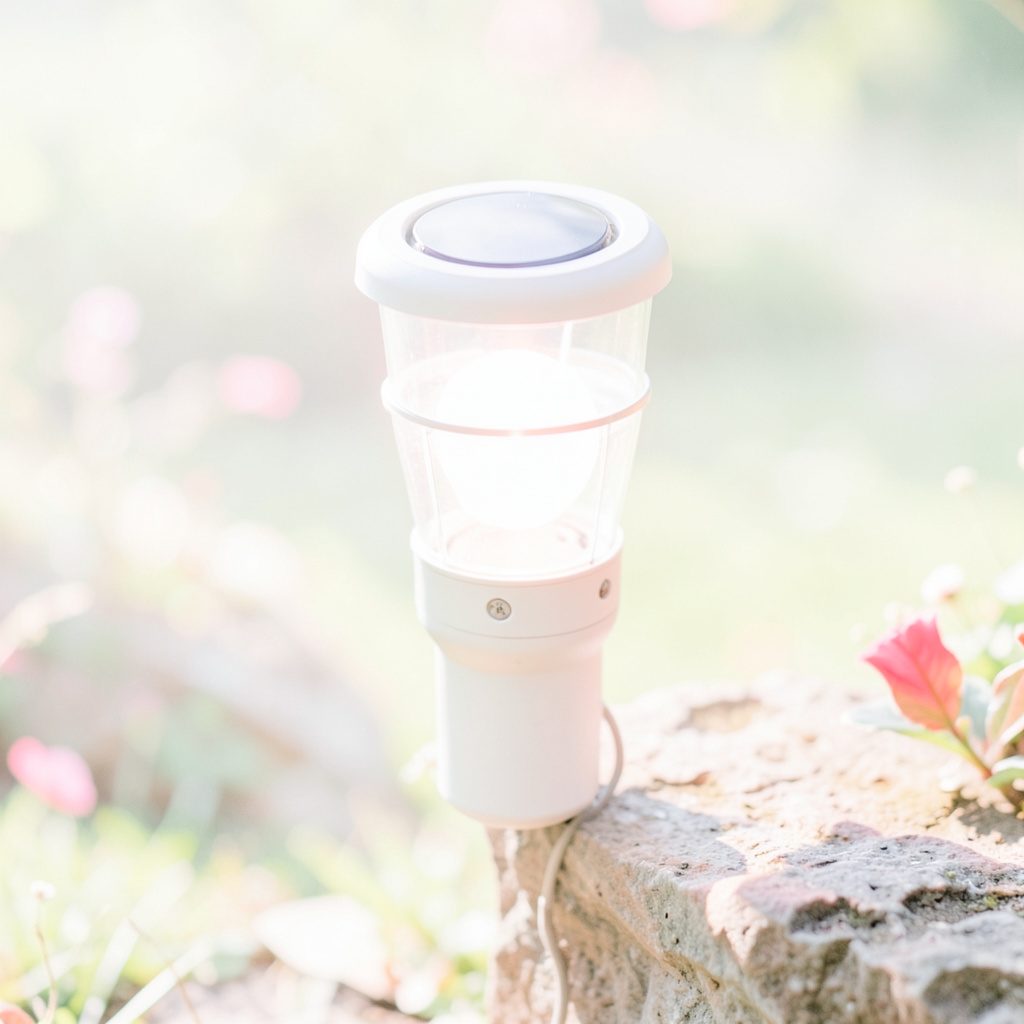
A separate-panel spotlight is useful when the ideal light position is shaded. The solar collector can sit on a sunny fence or pergola while a cable runs to the fitting in the dark corner. Keep the cable protected from mower blades, pets, and foot traffic, and allow enough slack for seasonal garden work.
Panel performance also depends on cleanliness. Dust, bird droppings, salt air, and pollen can reduce charging efficiency, especially in coastal areas such as Newcastle, Wollongong, and the Gold Coast. Wiping the panel with a damp cloth every few weeks during dry weather is a small habit that can noticeably extend evening runtime.
Positioning The Beam For Depth
Aim the spotlight across a surface instead of straight at the viewer. Grazing light along a rendered wall, timber screen, or rough-barked tree brings out texture and makes a flat corner more visually interesting. Aiming upward through fine foliage creates soft shadow patterns, while pointing down from a low branch can imitate moonlight.
Adjustable heads are valuable because garden planting changes. A fitting aimed at a small shrub in spring may need repositioning when the plant becomes dense. Choose warm white light, generally around 2700K to 3000K, for entertaining areas and foliage. Cooler white light can look crisp near modern walls but may make natural planting appear harsh.
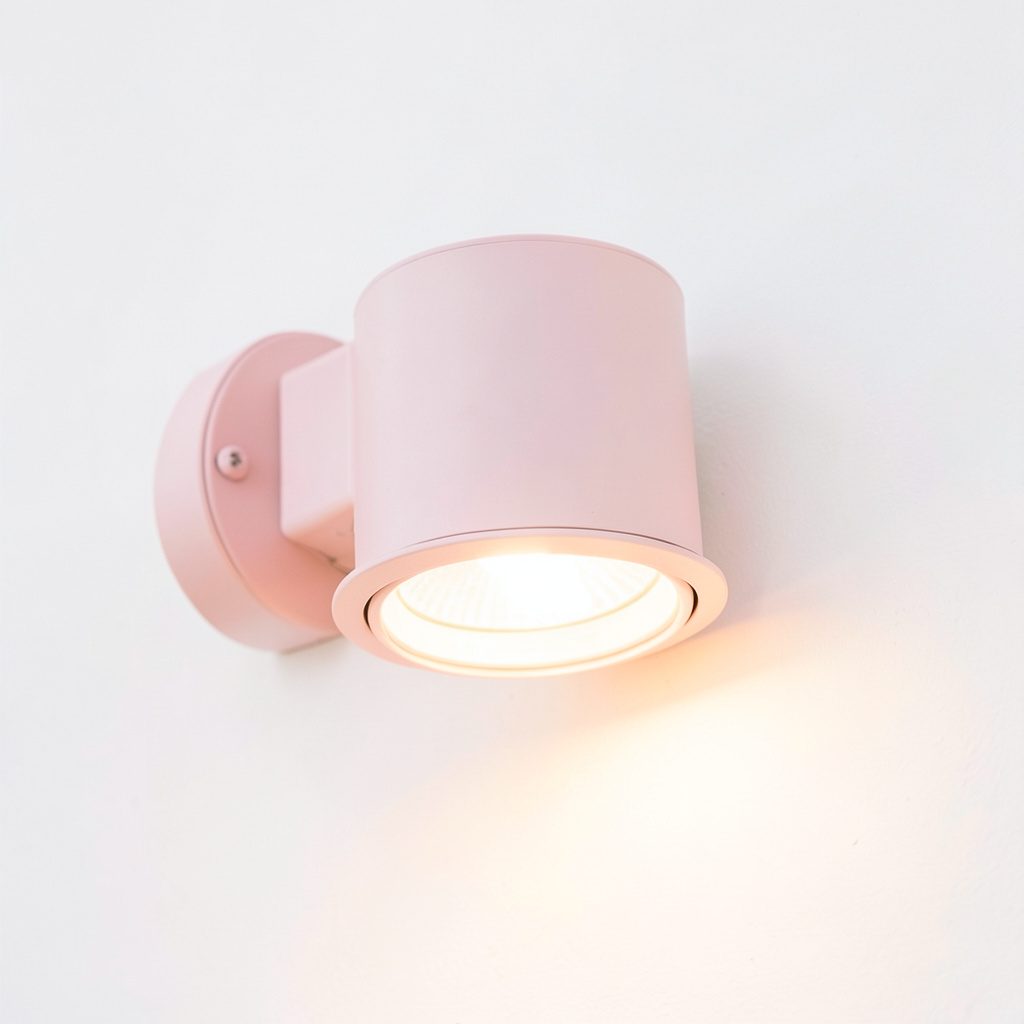
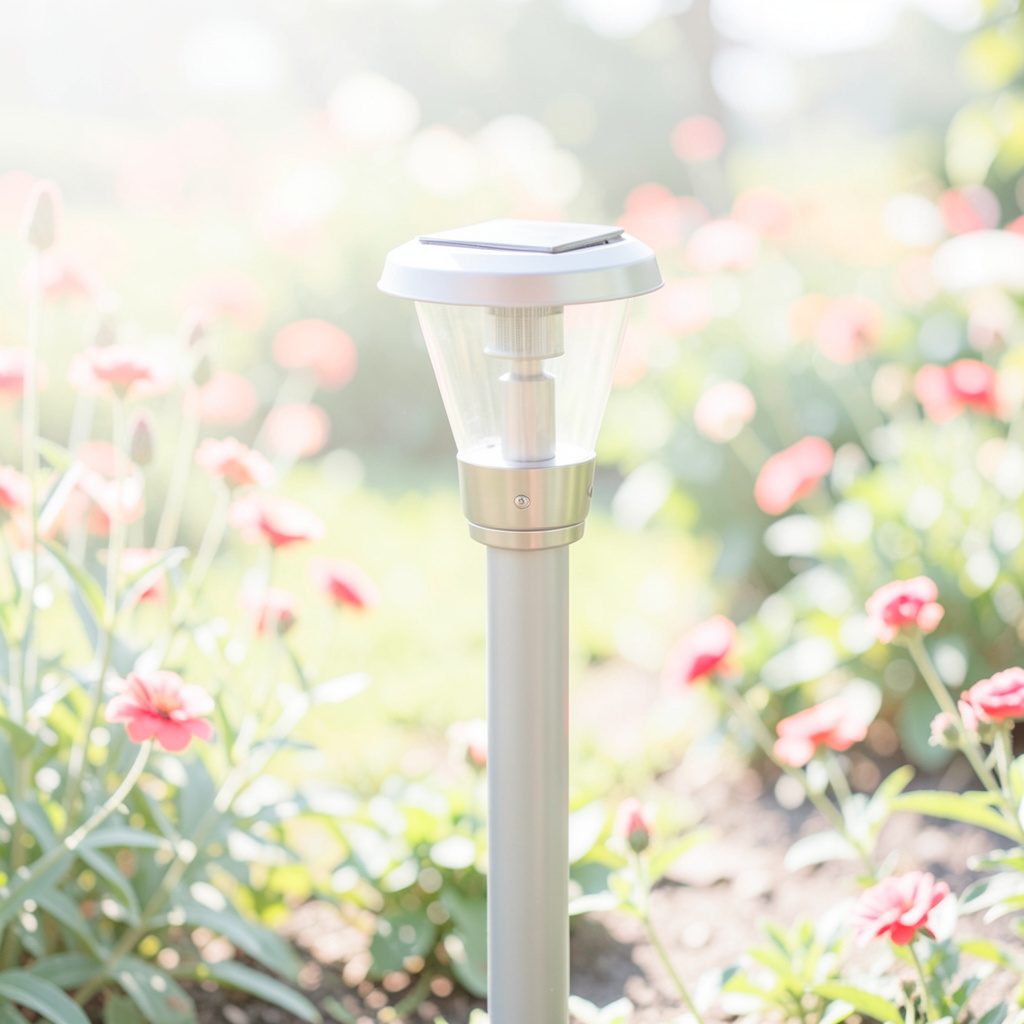
Keep the beam below eye level wherever possible. A shield, hood, or recessed lens can reduce glare on a patio and prevent light from spilling onto neighbouring properties. Slim spotlights from brands such as Philips or InnoGear can work well when their brightness and adjustment range match the scale of the garden rather than overpowering it.
Layering Light Around A Shadowy Space
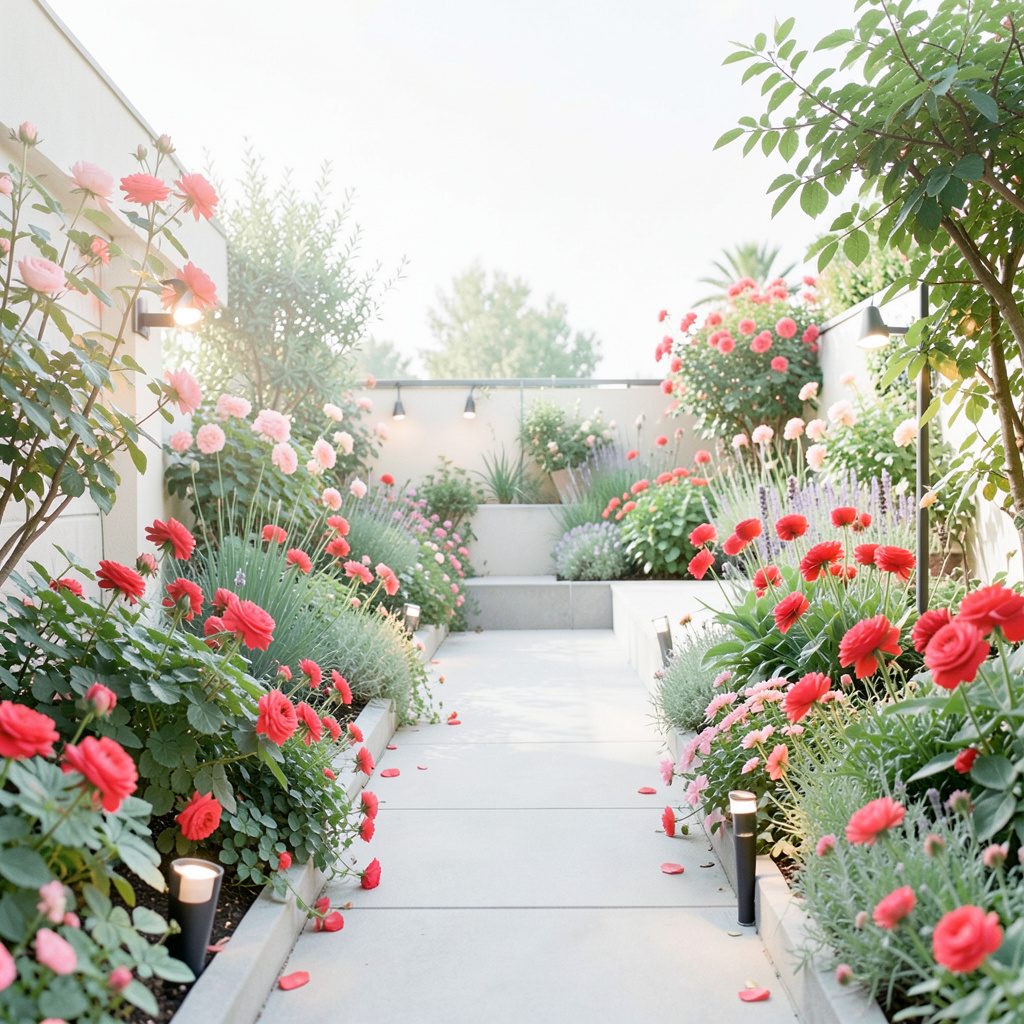
A spotlight should rarely carry the entire composition. Pair it with low pathway markers, discreet deck lights, or a lantern near the seating area. The spotlight gives height and focus; the lower lights provide orientation. This layered approach helps people move safely without turning the whole yard into a brightly lit zone.
Use different brightness levels to create a natural sequence. A feature tree can be the brightest element, while nearby stepping stones remain softly visible. In a terrace garden, a small wall light may connect the illuminated corner to the house. For design references that combine fixtures and garden settings, browse these lighting examples while considering the proportions of your own outdoor area.
Avoid placing identical lights at regular intervals unless the purpose is functional path lighting. A dark corner usually looks more convincing when one feature receives a stronger beam and surrounding plants catch only a gentle glow. This also reduces battery drain and helps preserve the night-time character of the garden.
Practical Solar Spotlight Checklist
Before installing fittings, assess the corner, the light source, and the practical demands of the property. This short checklist helps narrow down suitable solar landscape lighting:
- Identify the feature to highlight, such as a tree, wall, planter, or sculpture.
- Measure the distance between the panel, spotlight, and likely walking routes.
- Check direct sunlight at morning, midday, and afternoon.
- Select warm white light for foliage and entertaining areas.
- Choose adjustable heads, shields, or separate panels where glare is possible.
- Confirm that the fitting has weather resistance suitable for exposed conditions.
Once the main position is chosen, review how the lights will operate through the seasons. A simple dusk-to-dawn unit may suit a pathway, while a motion sensor can be more appropriate for a side gate or storage area. Products sold through Australian retailers and online marketplaces can vary significantly in battery size, lumen output, and sealing quality, so compare specifications rather than relying on appearance alone.
For a durable arrangement, check these installation details before pushing a spike into the soil:
- Keep the solar panel clear of branches, fences, and roof shadows.
- Set stakes into firm soil, avoiding irrigation pipes and electrical services.
- Use cable clips or conduit where a separate panel cable crosses a surface.
- Angle the beam away from windows, roads, and neighbouring homes.
- Test the light after dark and adjust it from normal eye height.
- Leave access for cleaning, battery replacement, and garden pruning.
Keeping The Installation Safe And Reliable
Solar spotlights are generally low voltage and easy to reposition, but outdoor placement still deserves care. Do not install them where water routinely pools, and avoid burying cables shallowly in areas likely to be dug or aerated. A fitting labelled for outdoor use should have clear ingress protection information, a sealed battery compartment, and materials suited to rain and sunlight.
Australian electrical work has important boundaries. Connecting fixed mains-powered outdoor lighting should be handled by a licensed electrician, and installations may need to follow state or territory requirements and AS/NZS 3000 wiring rules. Standalone plug-in or stake-mounted solar products are simpler, yet they should still be installed according to the manufacturer’s instructions.
Bushfire-prone areas require additional awareness. Councils, state agencies, and insurers may have guidance about vegetation, combustible materials, access, and equipment near structures. A solar light will not usually create the same heat risk as a halogen fitting, but plastic housings, dry mulch, and dense leaf litter should not be packed around any electrical product. Keep the surrounding bed tidy and maintain clear space near buildings.
Finishing The Corner With A Natural Glow
Allow the garden to remain partly dark. Darkness gives the illuminated plant or wall its visual importance and helps the space feel calm rather than commercial. A single well-aimed beam often has greater impact than several bright lights pointing in competing directions.
Review the corner after a week of ordinary use. Notice whether the light catches eyes while walking, whether branches cast unwanted shadows, and whether the battery lasts through the evening. In areas with possums, birds, or curious pets, secure loose cables and avoid placing fragile fittings where they can be knocked over.
The most reliable formula is simple: choose one feature, provide the panel with open Australian sunlight, use warm controlled illumination, and leave enough surrounding shadow for contrast. A clean panel, a protected cable, and a final after-dark adjustment will turn a forgotten garden corner into a practical, welcoming part of the outdoor space.