Featured Topics

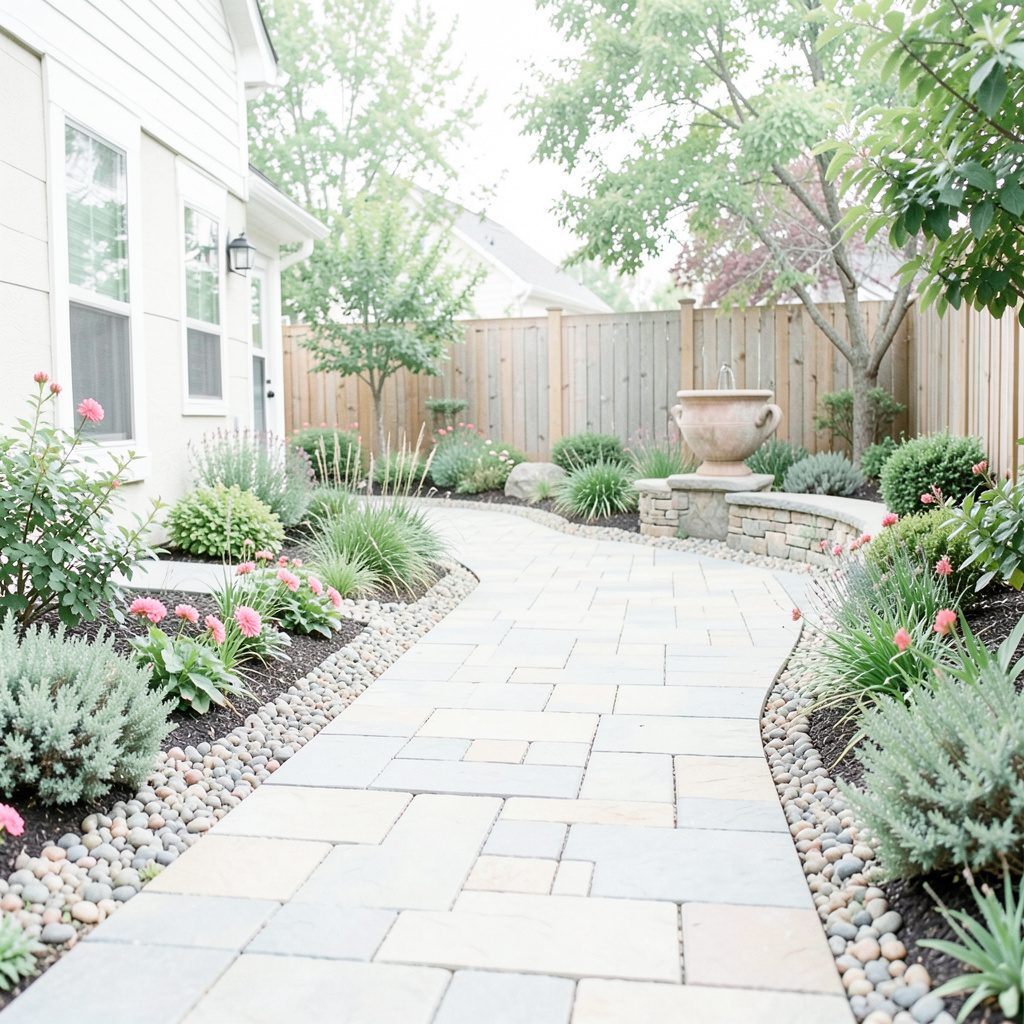
Solar torches for patio corners and pool areas
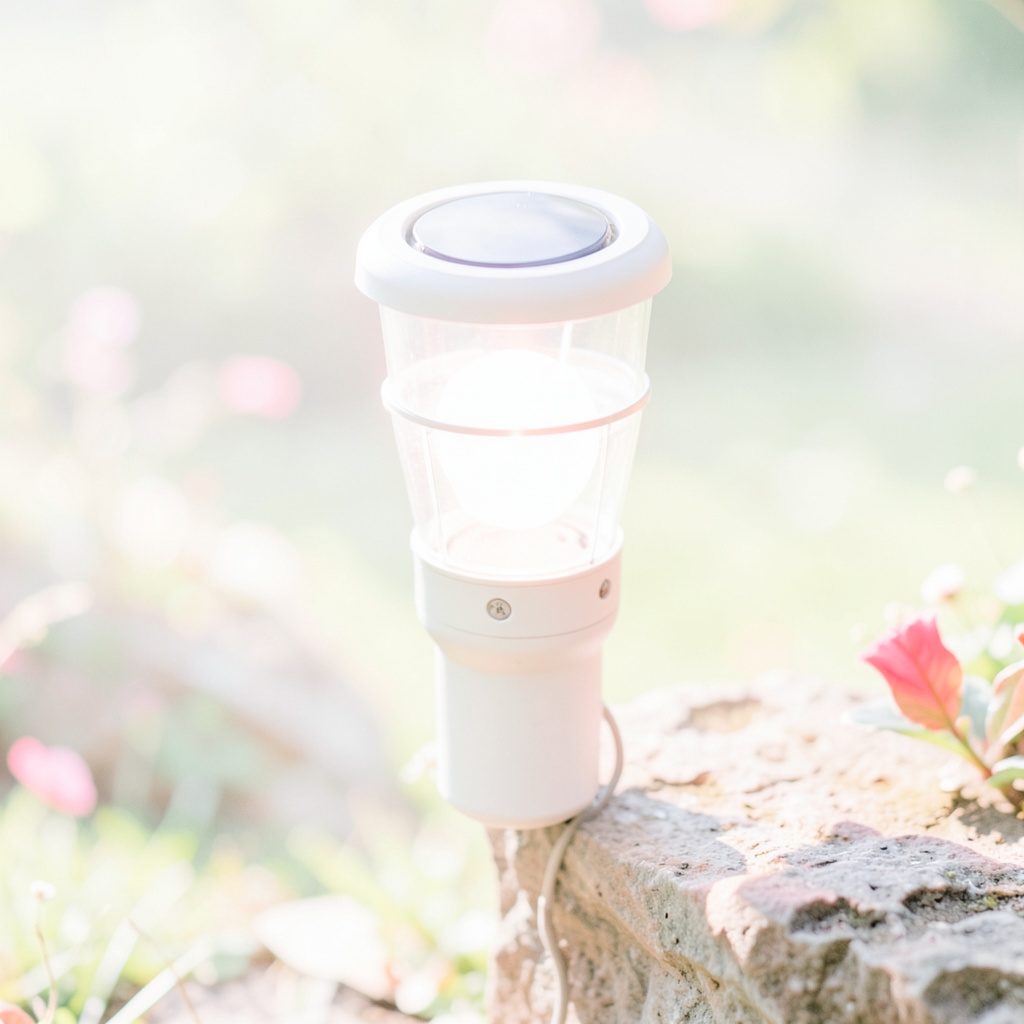
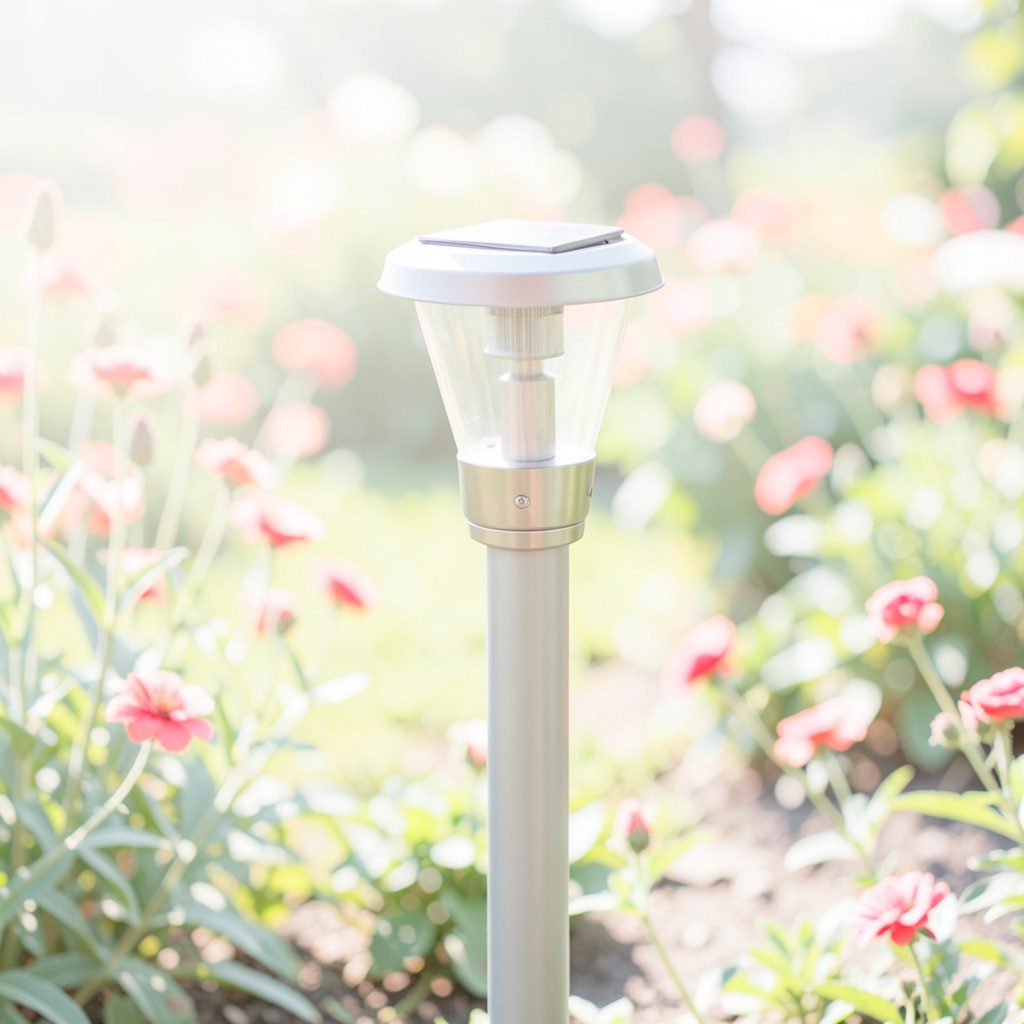
Top solar torches for patio corners and pool areas work best when they create a controlled glow rather than trying to light an entire yard. These compact LED fixtures can mark steps, graze a textured wall, outline a pool deck or cast a warm pool marker after sunset. A panel charges a rechargeable battery during the day, while a dusk-to-dawn sensor switches the light on without a mains cable. Learn more about Zero Turn Mower Maintenance Grease Fittings And Belt Replacement.
Australian homes need equipment that can handle a broad range of conditions. Sydney and Brisbane bring humidity, summer storms and pool chemicals; Melbourne and Adelaide experience cold, damp winters; Perth and northern Queensland receive intense sun that is ideal for charging but harsh on plastics. Patios regularly host long summer dinners and late swims, making dependable all-evening ambience especially valuable. Local pricing, replacement parts and warranty support are also easier to assess through Australian sellers. Learn more about How To Automate Your Garden.
Choosing solar torches for the right job
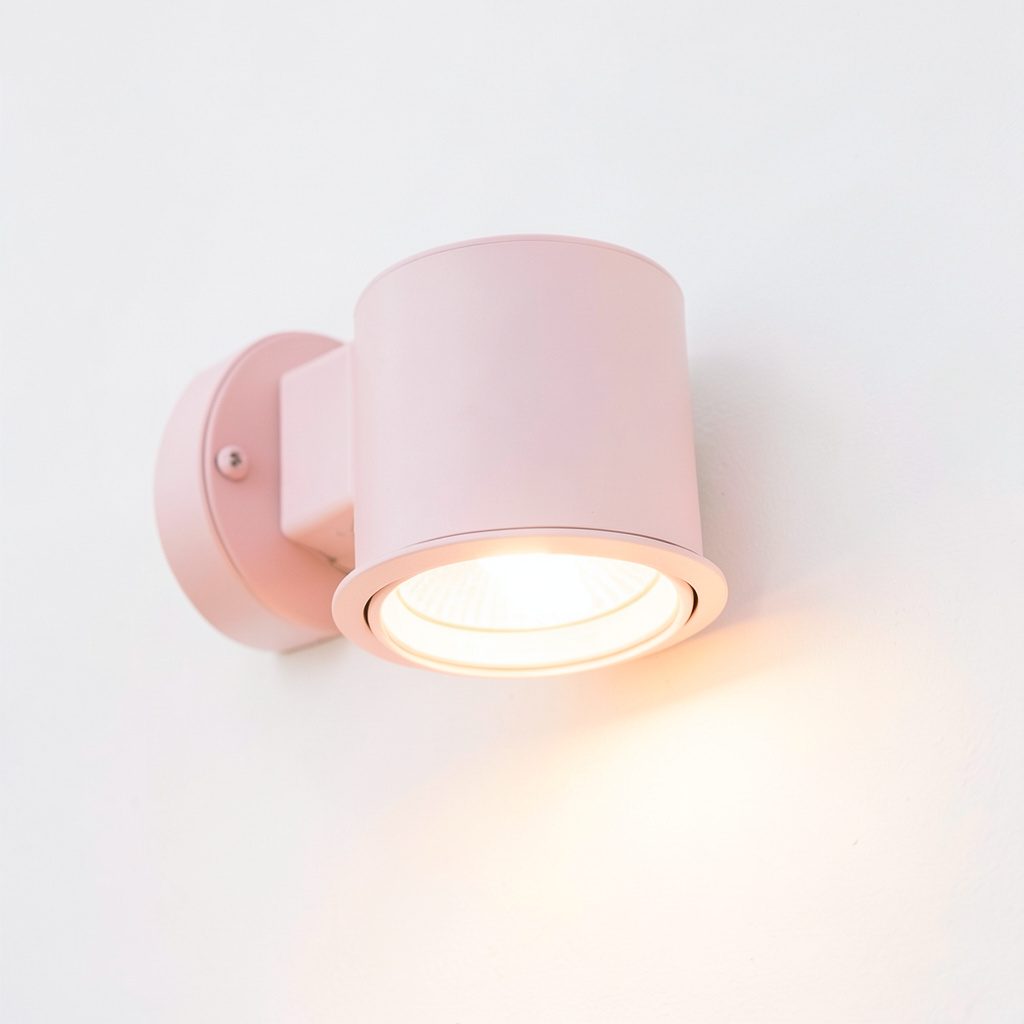
Start by defining what each torch should do. A soft path marker, directional wall washer and bright security light serve very different purposes, even when they use similar LED modules. For a patio corner, look for a controlled beam of roughly 40–80 lumens, adjustable head and warm-white output around 2200–2700K. Brighter fittings are useful near gates but can flatten the atmosphere around a pool. Learn more about Epi Light.com.
Glare is as important as brightness. A hooded lamp or downward-angled head keeps the source out of seated guests’ eyes, while a narrow beam can emphasise brickwork, plants or sculptural pool edges. Check beam angle and mounting height as carefully as lumen output, because a powerful torch mounted at eye level may create more discomfort than useful light. Learn more about Review Philips Hue Calla Pathway.
Manual switches are often preferable to remote controls because they prevent accidental daytime activation and make battery replacement straightforward. For a broader lighting system, [garden automation ideas] can explain where automation adds value, although sophisticated scheduling is generally more practical for mains or low-voltage landscape lighting than for a basic solar torch.
Designing for Australian outdoor spaces
Australian shoppers commonly compare prices through Amazon.com.au, Bunnings and specialist lighting stores. Home Depot listings can help with model comparisons, but their US stock, shipping arrangements and warranty support differ from Australian supply. Consumer guarantees under Australian Consumer Law still apply when a faulty product is bought through an Australian marketplace, provided the seller is trading in Australia.
Panel placement is crucial in the Southern Hemisphere. Where possible, give the solar panel a clear northern aspect rather than positioning it solely where the lamp is needed. Shade from eaves, trees or a pool fence can reduce charging, particularly during cloudy periods. UV-resistant finishes and sealed cable entries also matter in bright coastal locations, where salt and airborne sand can work into small openings.
A convincing outdoor scheme uses several lighting layers. Solar torches can define seating areas, low path lights guide movement, and brighter fixtures cover gates or access points. Exploring a [professional lighting range] can help distinguish decorative products from fittings designed to create a complete landscape-lighting composition.
Positioning light around patios and pools
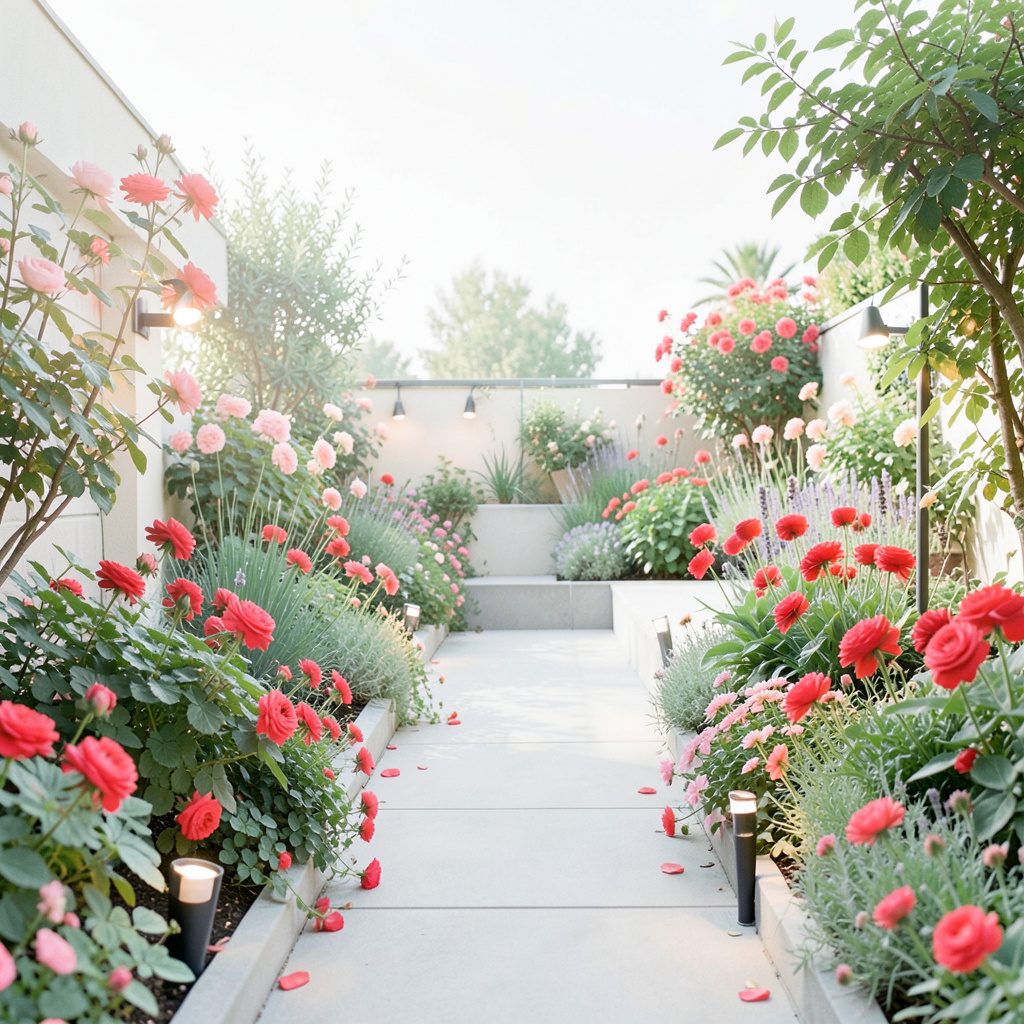
For patio corners, place the torch where it can wash a wall, highlight a plant or frame an outdoor sofa. Avoid pointing it across the seating area, since reflected light can reach neighbouring properties and make a dining space feel harsh. Mounting on a post or wall also allows the solar panel to receive sunlight independently of the lamp’s position.
Around a pool, visual safety is as important as decorative effect. Low bollards should clearly mark steps without creating trip hazards, while torches beside loungers should be shielded from direct sightlines. Pool-fence and barrier requirements vary between states and councils, so fixtures should not obstruct required clearances or create an apparent climbing aid near the barrier.
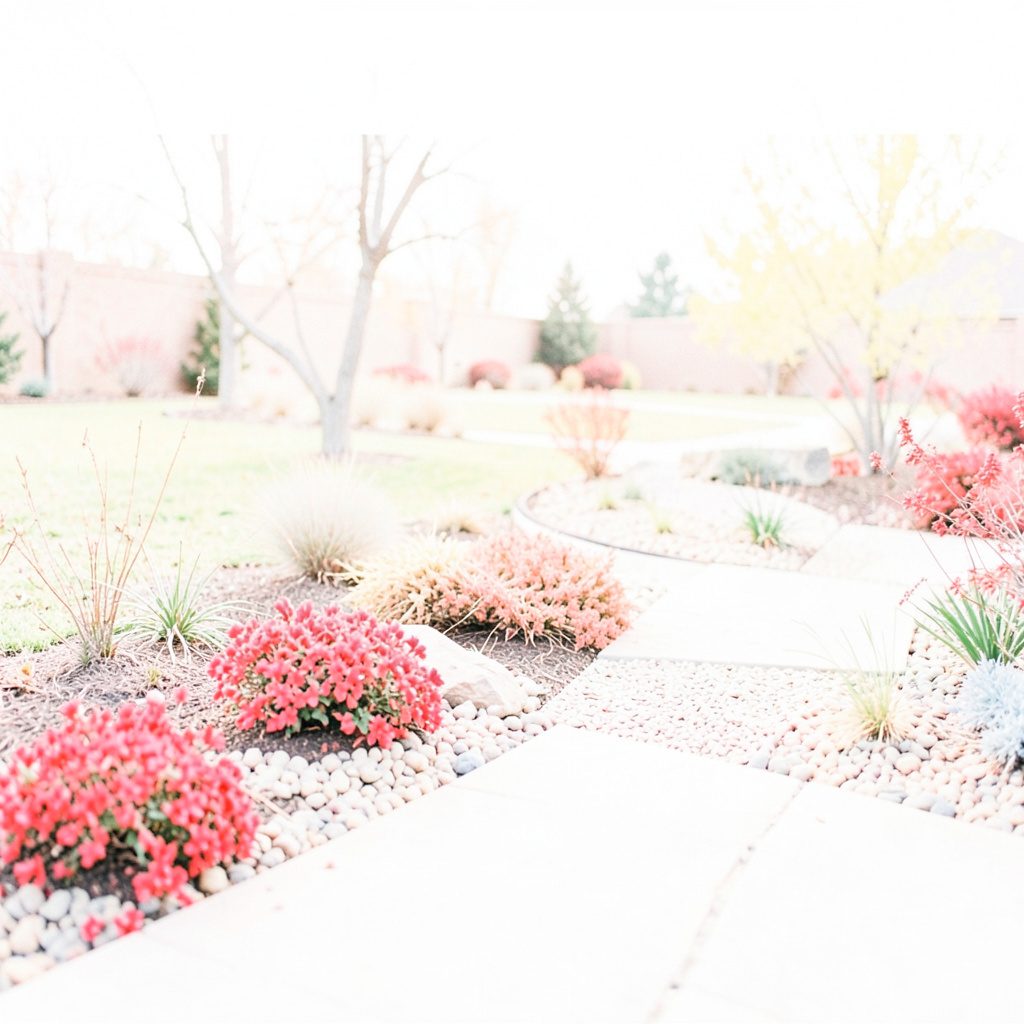
Path lights work best when their spacing follows the actual route. Mark changes in level, corners and openings rather than filling the lawn with evenly spaced points. This preserves the pool as the visual focus while providing enough guidance for people crossing wet tiles or moving between the house and entertainment area.
Comparing solar torch features and products
InnoGear is a practical starting point because its catalogue includes adjustable solar torches and multi-packs. Philips is more useful as a design benchmark: this [Philips Hue Calla review] demonstrates how a quality outdoor fitting handles colour, finish and placement, although Calla is a wired pathway light rather than a solar torch.
The strongest shortlist falls into several practical formats:
- InnoGear solar torch multipacks: A useful general-value option when several corners need matching warm-white lights.
- Adjustable solar spotlight heads: Effective for trees, feature walls and palms where a directional beam creates depth.
- Compact solar path lights: Better for lining steps and pool approaches than illuminating an entire deck.
- Solar bollards: A durable alternative near gates, provided their height does not obstruct pool-fence sightlines.
- Lantern-style solar lights: Suitable for outdoor tables, although their softer output is mainly decorative.
Compare each format by the effect it creates, then check specifications rather than relying on package size or the number of LEDs.
Before comparing prices, verify these important details:
- Rated output: Compare lumens and beam angle; around 40–80 lumens suits a subtle corner glow.
- Battery and runtime: Look for realistic full-charge run-time rather than relying only on milliamp-hour capacity.
- Weather rating: IP44 may suit sheltered locations, while IP65 offers better protection around splash zones.
- Solar exposure: The panel needs several hours of direct sun even when the lamp itself sits in shade.
- Warranty and parts: Confirm Australian support, replacement panels and battery availability.
Specifications can change between model years, so check the current product page rather than a generic listing. Amazon.com.au and Bunnings are useful for local stock and collection options, while specialist outdoor-lighting suppliers may provide better guidance when solar torches need to complement wired accents.
Installing and maintaining lights in real conditions
Solar power removes cable clutter, but it does not remove installation care. In southern Australia, angle unobstructed panels towards the north where possible, allow drainage around fittings and use stainless-steel fixings in coastal areas. Keep lamp heads above likely splash height, and test the dusk sensor after the first complete charging cycle.
Any fixed or mains-wired lighting around a pool must comply with applicable Australian wiring requirements, including AS/NZS 5030.1 and the broader AS/NZS 3000 standards, and should be installed by a licensed electrician. Local pool-fence rules also differ, so a torch should never be attached where it could affect barrier climbing resistance, required clearances or supervision sightlines. Standalone solar products avoid the wiring circuit but still require careful placement.
Routine maintenance protects charging performance and the fixture’s finish. Wipe dust and salt from panels, check that drainage holes remain open, and replace weakened seals before corrosion develops. Mowers and garden tools are a common source of damage to low pathway lights, particularly around lawn edges. A [lawn maintenance guide] explains the servicing habits that help keep mower-worked areas tidy around installed lighting.
What to remember before you buy
The best solar torch balances sunlight, battery performance and glare control. A generous panel, efficient LED, durable weather seal and sensible beam angle matter more than a large lumen claim. Match each fitting to a specific corner, step or pool approach, and check that replacement parts are available locally.
Remember that brightness alone does not make a solar torch dependable. Strong sun exposure, controlled light and a location suited to its beam determine whether it will still be useful months after installation.