Featured Topics

How to Automate Your Garden Lights with Timers
Automated garden lighting makes outdoor spaces easier to use, safer to navigate and more enjoyable after sunset. A timer can switch path lights on before you arrive home, illuminate a deck during dinner and turn everything off before the batteries or electricity are wasted overnight.
For Australian homes, the best setup usually combines a simple schedule with the right light for each area. Solar bollards may suit a Melbourne side path, while plug-in LED strings can work well on a Brisbane verandah. In dry regions, low-voltage fixtures and weather-resistant housings are especially important around dusty lawns, native gardens and exposed patios.
A timer is only one part of the system. Placement, battery condition, seasonal daylight changes and local wildlife all affect performance. With a little planning, you can create a reliable lighting routine without leaving lamps on all night or manually checking every fitting.
Choose The Right Timer System
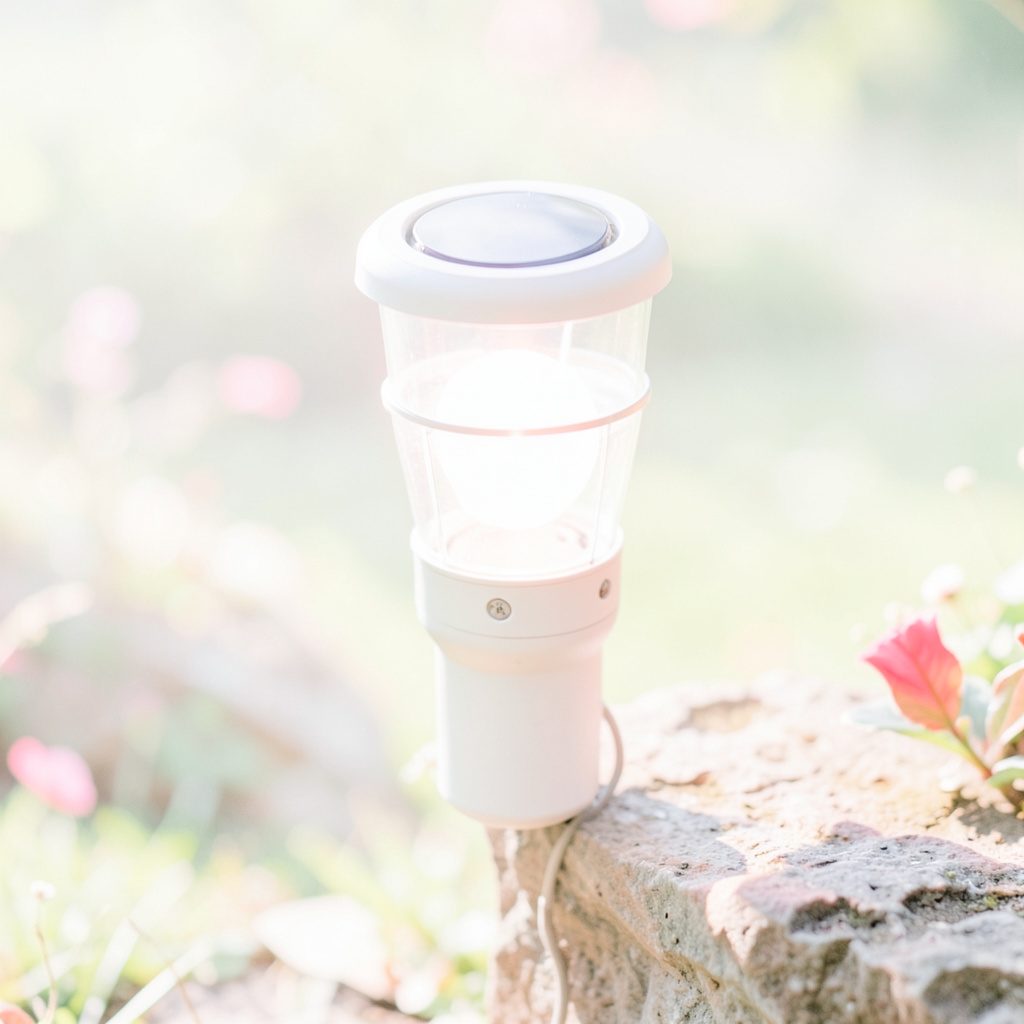
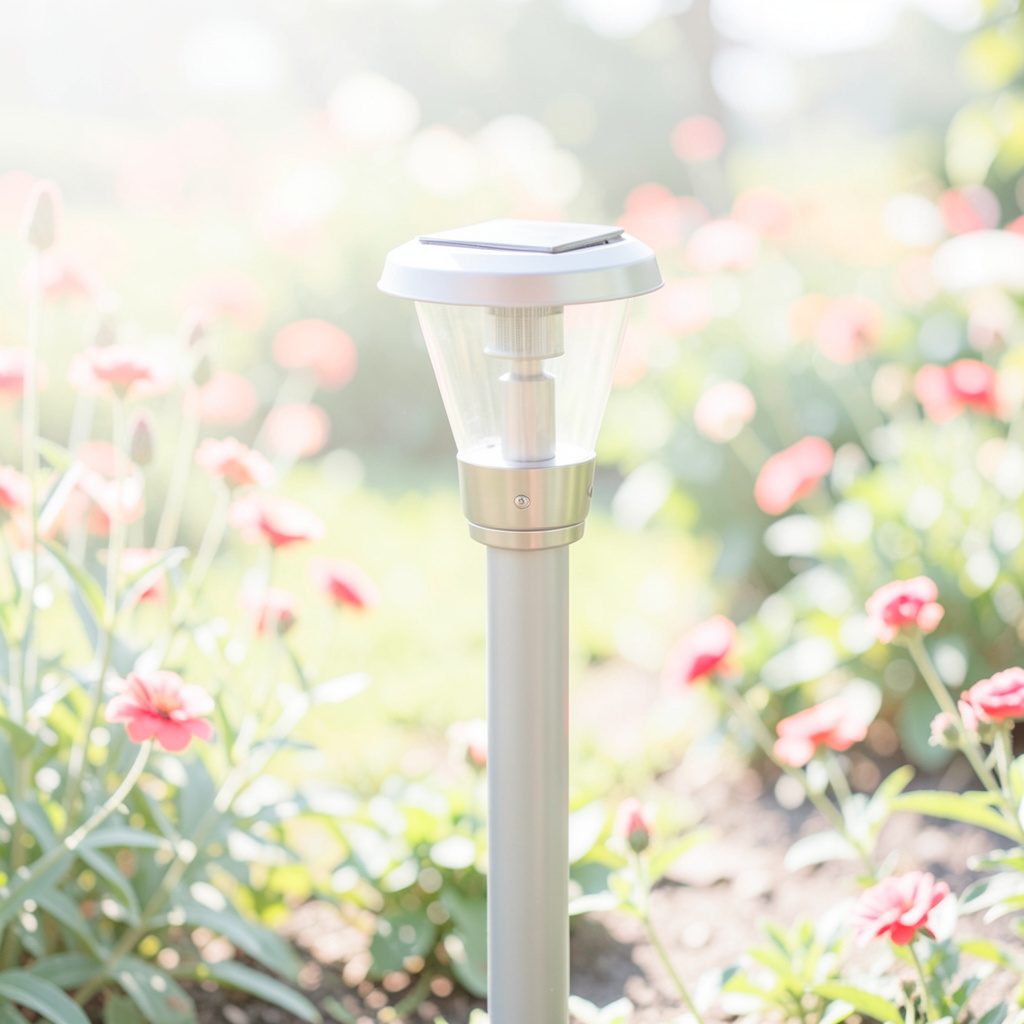
Solar garden lights commonly include a built-in dusk sensor. Rather than using a programmable clock, they detect falling light and switch on automatically. This is convenient for pathways and garden beds, although cloudy winter days can shorten charging time and reduce brightness after midnight.
Plug-in outdoor lights generally use a socket timer, smart plug or dedicated lighting controller. A mechanical timer is affordable and straightforward, while a digital timer gives you separate weekday and weekend schedules. Smart plugs add app control, but they need dependable Wi-Fi coverage and should be paired with outdoor-rated equipment.
Check the electrical rating before connecting anything. Outdoor power points in Australia should have suitable weather protection, and extension leads must be designed for exterior use. Keep connections raised from wet grass and away from irrigation spray, rather than placing them beneath a loose plastic bag.
Build A Schedule Around Sunset
A useful lighting schedule starts with the purpose of each fixture. Path lights may need to turn on shortly after dusk, while decorative lights can wait until dinner time. Security lighting often benefits from motion sensors instead of a long overnight schedule, reducing energy use and limiting disturbance to neighbours.
In Sydney and Brisbane, sunset times shift noticeably across the year. A fixed timer set for 6:00 pm may switch lights on too early in summer and too late in winter. Digital timers with seasonal adjustment or dusk-to-dawn sensors avoid this problem. If your timer uses a clock, reset it after daylight-saving changes in states that observe them.
Keep the late-night period modest. For most homes, decorative lighting can switch off around 10:00 or 11:00 pm, while a few low-level pathway or entry lights can remain active until dawn. This approach supports visibility without creating unnecessary glare for bedrooms, nearby properties or nocturnal animals.
Plan Zones For Better Control
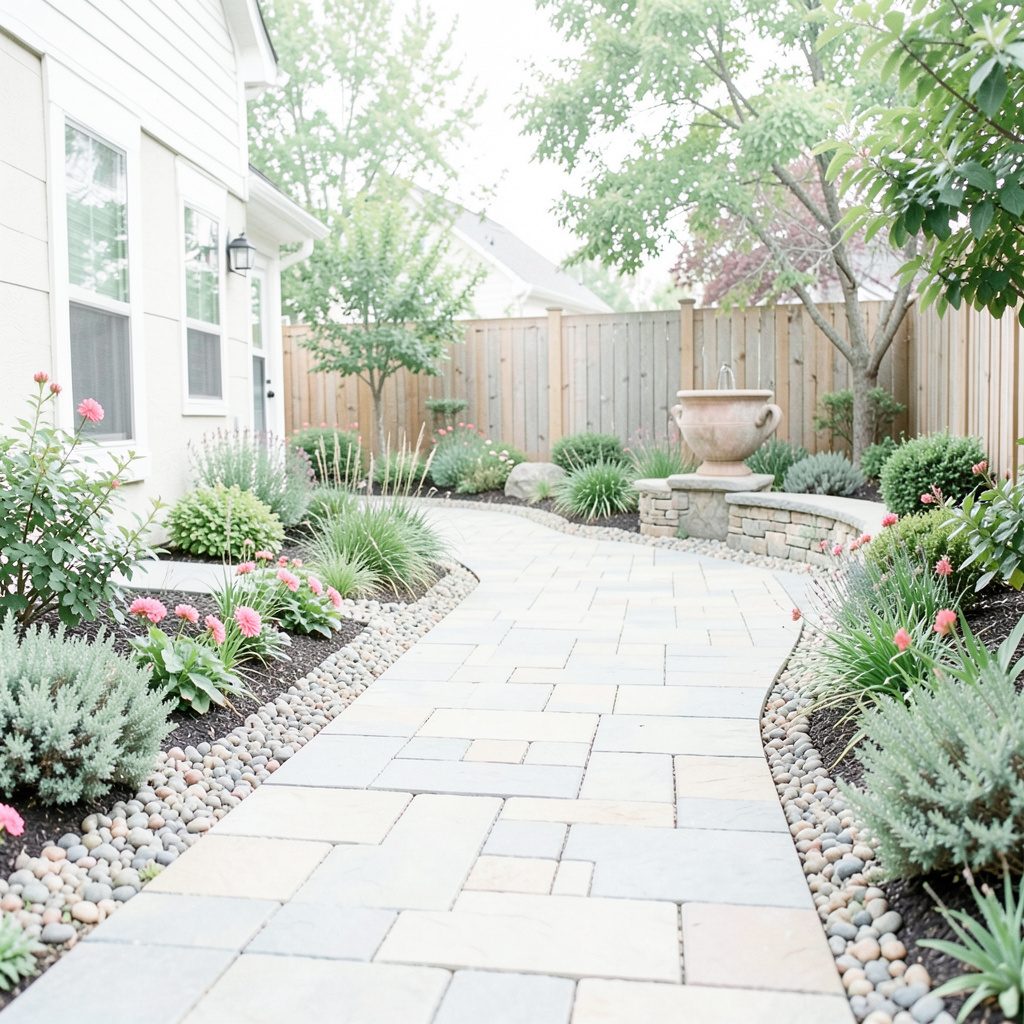
Divide the garden into zones instead of connecting every lamp to one timer. A front entrance zone might include the letterbox, steps and driveway. A patio zone could control festoon lights and wall-mounted LEDs, while a rear garden zone might use gentle illumination around trees, vegetable beds and seating.
Separate controls make the garden feel more natural. The front path can come on at dusk, the entertaining area can follow a dinner schedule, and feature lighting can switch off earlier. Low-voltage systems with multiple outputs are useful when several areas sit near one transformer.
- Entry paths: schedule low-glare lights from dusk until morning.
- Patios and decks: use a shorter evening period for entertaining.
- Feature trees: switch off earlier to preserve a calm night setting.
- Security points: combine timers with motion sensors where possible.
- Vegetable beds: choose soft, shielded light that does not shine into the house.
When positioning fixtures, avoid aiming beams directly at windows or neighbouring fences. Warm-white LEDs around 2700K to 3000K usually create a comfortable residential effect, while brighter cool-white lamps are better reserved for practical security areas.
Maintain Batteries, Sensors And Connections
Automation works only when the hardware remains dependable. Wipe solar panels every few weeks, especially during dusty periods or after nearby construction. Trim foliage that shades a panel during the afternoon, and check that the sensor is not hidden behind a leaf, pot or decorative screen.
Rechargeable batteries in solar lights gradually lose capacity. If a fitting shines for only an hour or two after a full sunny day, the battery may need replacement rather than a new timer. For older garden equipment, this guide on testing mower batteries explains useful checks that can also help when assessing rechargeable outdoor lighting cells.
Inspect cable joins, plugs and housings before the wet season. Look for cracked insulation, corrosion, loose stakes and water inside transparent covers. Replace damaged components instead of taping over them, and isolate the power before handling connections. In coastal areas such as Perth, Adelaide and parts of Queensland, salt air can accelerate corrosion on exposed metal fittings.
Make The Setup Flexible For Australian Living
Outdoor lighting often supports several activities in the same space. A patio may host a quiet meal one evening and a larger gathering the next. A flexible smart timer lets you extend the schedule for a celebration, then return to a lower-energy routine without changing every fitting manually. For a relaxed night outdoors, soft lighting can complement seating and a few simple games, including classic garden games, without flooding the entire yard with harsh light.
Solar lighting is popular in the Australian market because installation is simple and running costs are low. Retailers such as Amazon and Home Depot-style hardware suppliers offer many inexpensive options, while brands such as Philips and InnoGear provide choices across LED strips, spotlights, path markers and connected accessories. Compare lumen output, IP weather-resistance ratings, warranty terms and replacement battery availability rather than choosing by appearance alone.
A lighting plan should also respect the wider garden. When illuminating edible beds, keep lamps directed downward and use a timer that limits overnight exposure. The advice and plant ideas at Meredith LBL can help connect lighting choices with the garden’s broader layout, particularly when paths run between herbs, flowers and productive planting areas.
- Review schedules at the start of summer and winter.
- Use warm LEDs near seating, windows and wildlife habitat.
- Keep bright security lamps pointed towards entry points.
- Choose replaceable batteries for solar fixtures.
- Label each timer or smart plug by garden zone.
- Check cables and connectors after storms or heavy rain.
A timer can also be useful around a productive backyard. Gentle light near a path makes it easier to harvest after work, but plants do not need to be brightly lit through the night. If you grow leafy greens, herbs or tomatoes, use vegetable garden ideas to plan bed access first, then add discreet lighting where it improves safety.
Before finalising the routine, walk through the property after dark. Check whether steps are visible, whether lamps create shadows on paths and whether light spills into rooms or adjoining yards. Adjust the angle, brightness and switching time until the system feels useful rather than overpowering.
The most reliable arrangement is usually simple: a dusk sensor for everyday path lighting, separate timer zones for entertaining areas, motion activation for security and regular checks of batteries and connections. Set those controls to match local sunset patterns, keep fixtures shielded and record the schedule beside the switchboard so the whole household can maintain it safely.