Featured Topics

Top solar lights for mailbox illumination
A kerbside mailbox in Australia often has no porch, external power or nearby street lighting. A compact solar fixture can illuminate the house number, nameplate and surrounding path enough for postal workers, visitors and evening deliveries.
Solar lighting suits this task because the mailbox is outdoors and the fixture can operate independently of mains electricity. Quality depends on panel placement, battery capacity, weather resistance and whether the beam reveals details without creating glare.
The strongest options for Australian homes combine a replaceable battery, adjustable light head and automatic dusk sensor. This comparison covers practical brands such as InnoGear and Philips, with specification checks for retailers including Amazon and Home Depot.
Why mailbox lighting matters at the street
House numbers are particularly important on long suburban streets in Sydney, Melbourne and Brisbane, where similar-looking fences, trees and parked vehicles can make entrances difficult to identify. Lighting the number and mailbox also helps a visitor find the correct door after dark.
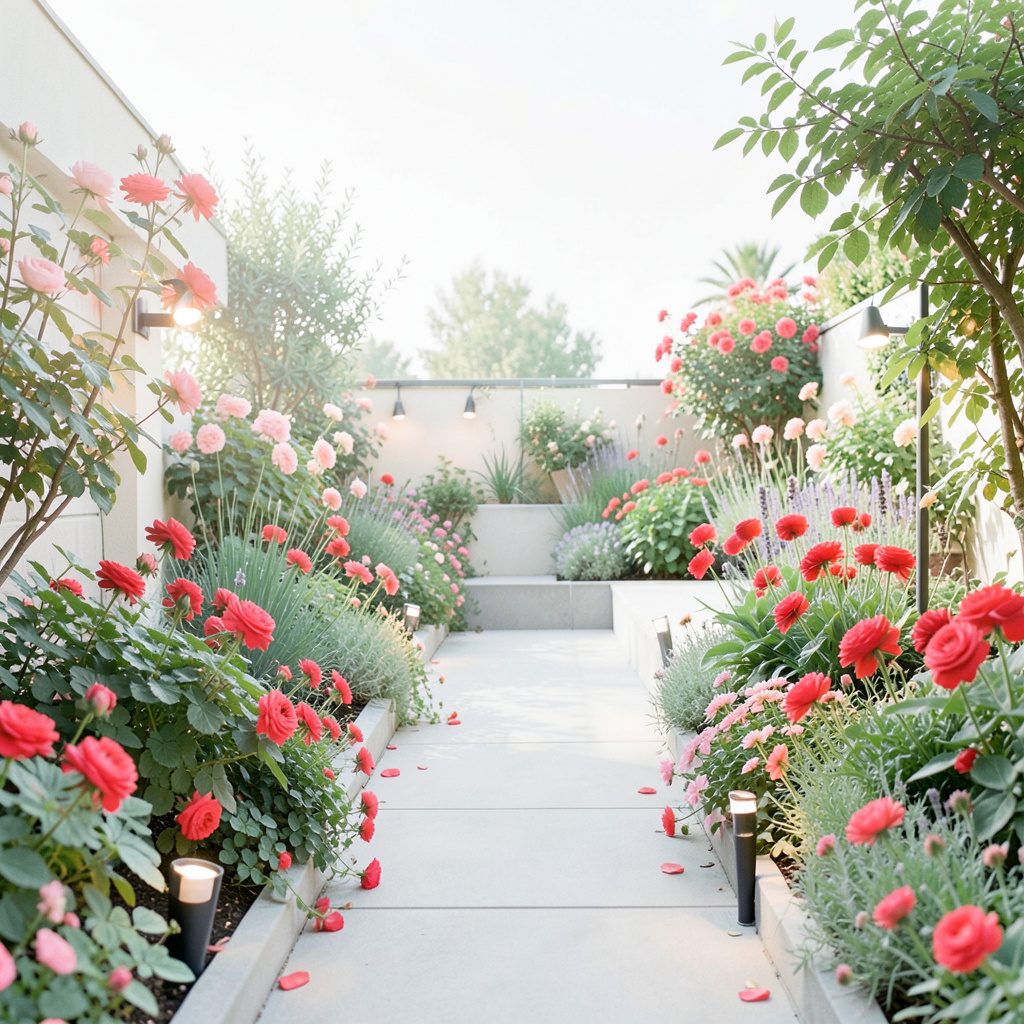
Good mailbox lighting creates a visual marker rather than a floodlit front yard. Short bollards, shielded spotlights and low-level wall lights can guide someone from the driveway without illuminating neighbouring windows or sending glare towards drivers.
Creative visual lighting projects show how a small light can define an entrance. The same principle applies to a letterbox: highlight one readable feature, establish a warm pool of light and keep the surrounding garden relatively subdued.
How solar lights handle Australian conditions
A solar light needs several hours of direct sunlight to charge its battery. In Australia, a north-facing panel generally receives useful year-round exposure, but trees, eaves and dense street vegetation can reduce charging. Check the panel’s position at different times rather than judging it only at midday.
Battery capacity matters more than the headline lumen figure when a light must operate through several cloudy or rainy nights. A larger battery stores more energy, while an efficient LED consumes less of it. Useful guidance on using path lights also applies: spacing and placement influence coverage as much as output.
Automatic sensors should switch the light on at dusk and, where appropriate, activate only when someone approaches. A small motion sensor can extend runtime, although it may miss a quiet visitor who approaches slowly. A dusk-to-dawn mode is simpler and more reliable for mailbox numberplates.
Leading solar light choices for mailboxes
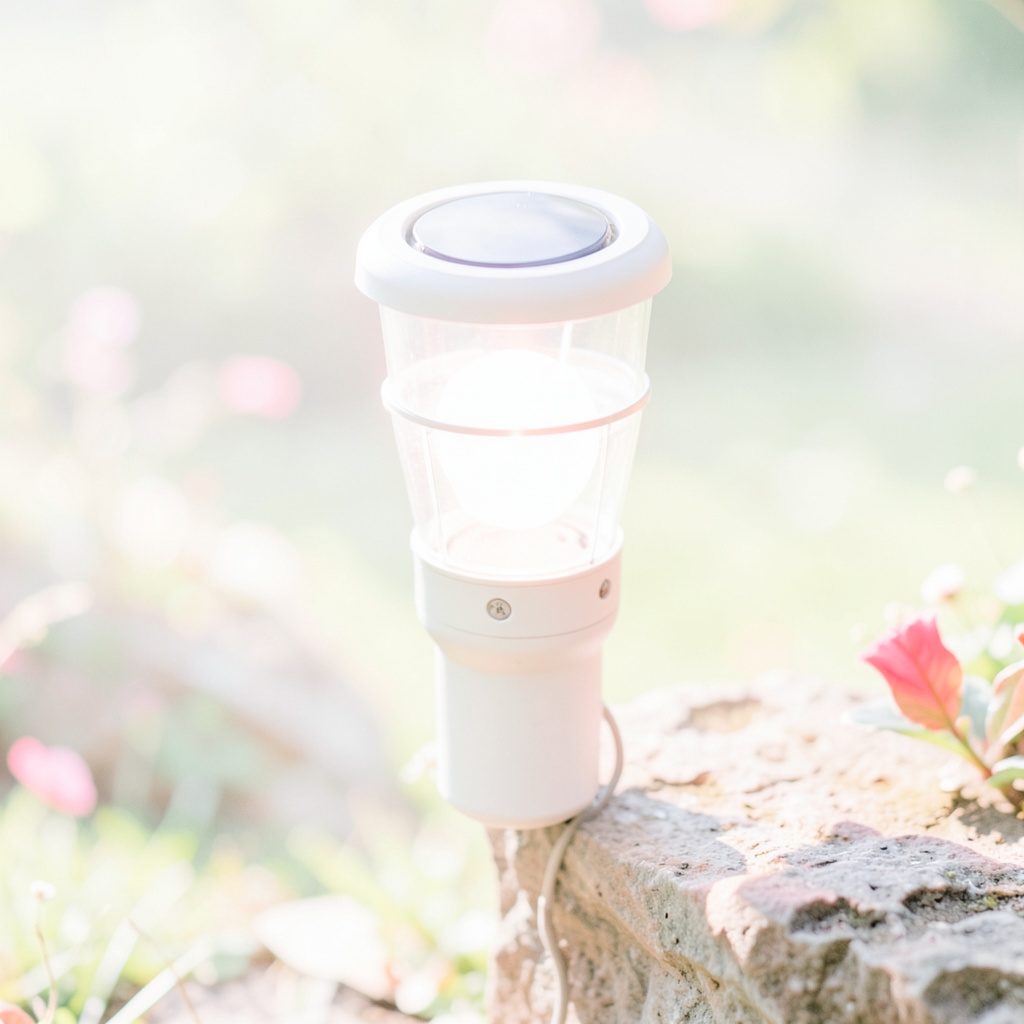
InnoGear solar spotlights offer a useful balance of adjustable aiming, multiple brightness modes and affordable pricing. Their beam can be directed towards a nameplate or slightly across the verge, making them a common choice for houses without a suitable wall or post for mounting.
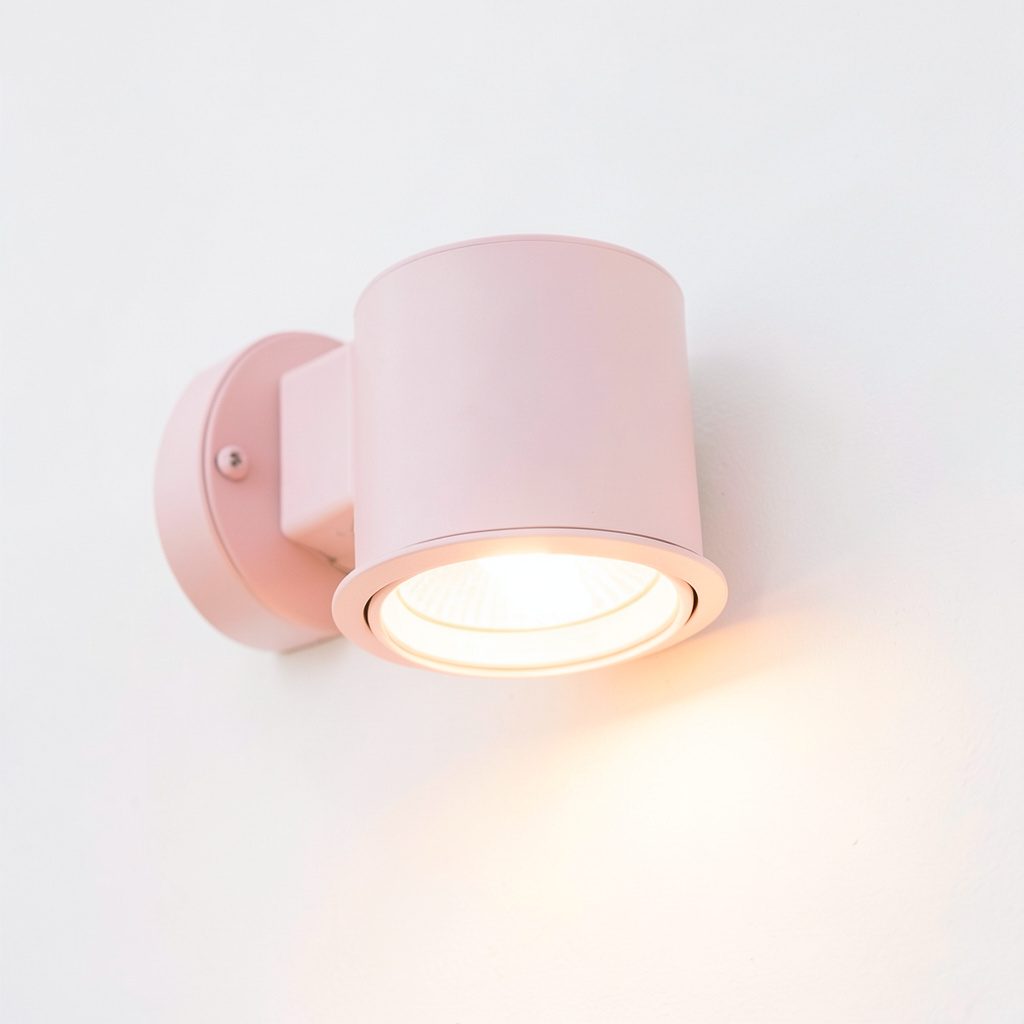
Compact solar wall lights are better when the mailbox sits on a brick pillar or side wall. Some use a separate solar panel, allowing the lamp to face the entrance while the panel occupies the sunniest position. Philips solar outdoor lanterns and wall lights provide a more decorative option for heritage homes and established gardens.
Retailer catalogues allow shoppers to compare lumen ratings, sensor ranges and battery specifications, but Australian buyers should check Amazon.com.au and local stockists as well as Home Depot listings. Imported versions may differ in charger plug, included hardware or warranty terms, so confirm what is supplied before buying.
For larger properties or unusual layouts, advice from landscape lighting specialists can help identify whether the mailbox needs a spot, wall wash or a coordinated path system.
Matching brightness to the mailbox area
A mailbox numberplate usually needs less light than a driveway. Around 100–200 lumens can make lettering readable at close range, while 200–400 lumens is useful for a gate, front path or broader driveway. Very bright fittings can flatten contrast and make the number harder to read.
Aim the beam down and towards the number rather than straight into the street. A shielded head or adjustable barn-door style visor controls spill. Warm white light around 2700–3000K generally feels comfortable beside brick, timber and native foliage, and it appears less harsh than cool white close to a front door.
An outdoor lighting guide can help with beam angle and colour consistency. For a single kerbside box, one precisely aimed fixture is usually sufficient; adding another brighter light may waste battery power and increase glare.
Battery, weather and seasonal reliability
Choose an outdoor-rated fixture with at least IP65 protection for exposed positions. Melbourne’s cold, wet winters can reduce charging, while Brisbane’s summer storms may expose a fixture to intense rain. Sydney’s coastal conditions also make corrosion-resistant finishes and sealed cable entries worthwhile.
Heat is another local consideration. Dark mailbox posts can become hot in summer, and battery performance may decline when stored in excessive heat. Select a light with a ventilated or insulated battery compartment and avoid enclosing it inside a tightly fitted metal cover.
If the mailbox sits beside a vegetable bed, light placement can affect the garden as well as the entrance. A narrow, downward-facing beam preserves darker growing conditions; edible garden ideas provide useful context when balancing security with productive planting. Shielded warm-white fittings also reduce the attraction of insects compared with bare cool-white bulbs.
Installing and maintaining a solar mailbox light
Choose the mounting point before buying the fixture. A post-top light can illuminate the front of a tall letterbox, while a wall light may suit a box mounted on a pillar. Side-facing solar panels can be useful where a vertical surface receives less sunlight than a horizontal one.
Most installations need only a screwdriver and a suitable bracket. If digging is required near a driveway or verge, check for underground utility services first and follow local council rules. Mailboxes are commonly installed within a front boundary, and lighting should not obstruct the footpath, verge or visibility for passing vehicles.
Maintenance is modest: wipe the panel clean, remove dirt from the sensor and replace the battery when runtime falls sharply. Bunnings and similar hardware stores can supply brackets, screws and weatherproof cable clips. Keep spare batteries away from extreme heat, particularly in bushfire-prone areas.
Recommended solar lights for different homes
These selections suit common Australian mailbox arrangements and can be compared by beam control, weather rating and battery type rather than by brand alone.
- Best adjustable option: An InnoGear solar spotlight with a tilting head and warm or neutral modes, suitable for numberplates, gates and slightly wider driveways.
- Best for wall-mounted mailboxes: A compact solar wall light with a separate panel, especially where the box faces away from direct sun.
- Best decorative fixture: A Philips solar wall lantern for heritage façades, rendered walls and gardens where the light housing should coordinate with existing fittings.
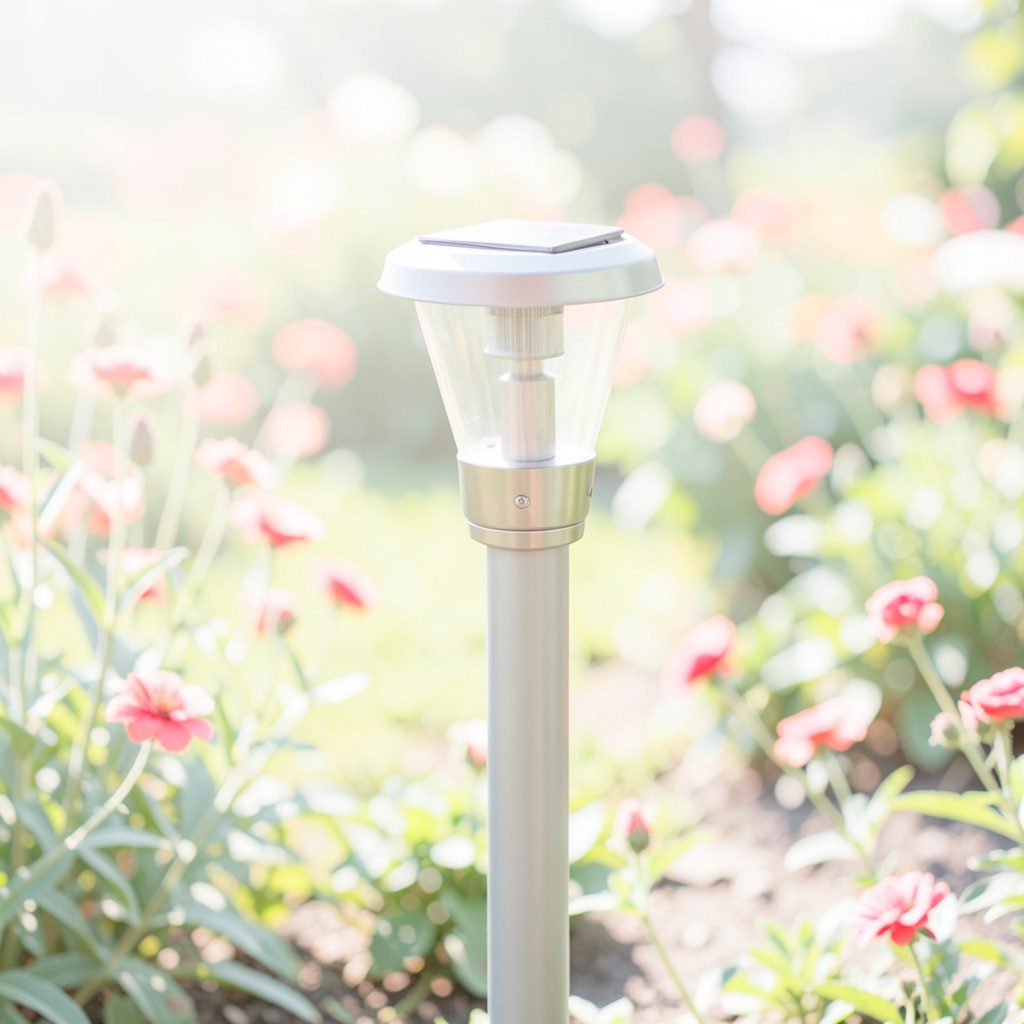
- Best for tall kerbside posts: A solar post-cap light that points downward, providing visible marker lighting without shining into the street.
- Best for security coverage: A 300–400-lumen solar floodlight with a motion sensor, adjustable timer and protective visor for larger driveways.
- Best for connecting the entrance: Lepro-style solar path lights placed at intervals between the gate and front path, with the mailbox spotlight aimed at the final marker.
For a typical Australian letterbox, a warm-white, weather-rated light with a replaceable battery and adjustable beam offers the most dependable result when its panel receives several hours of direct sun.