Featured Topics

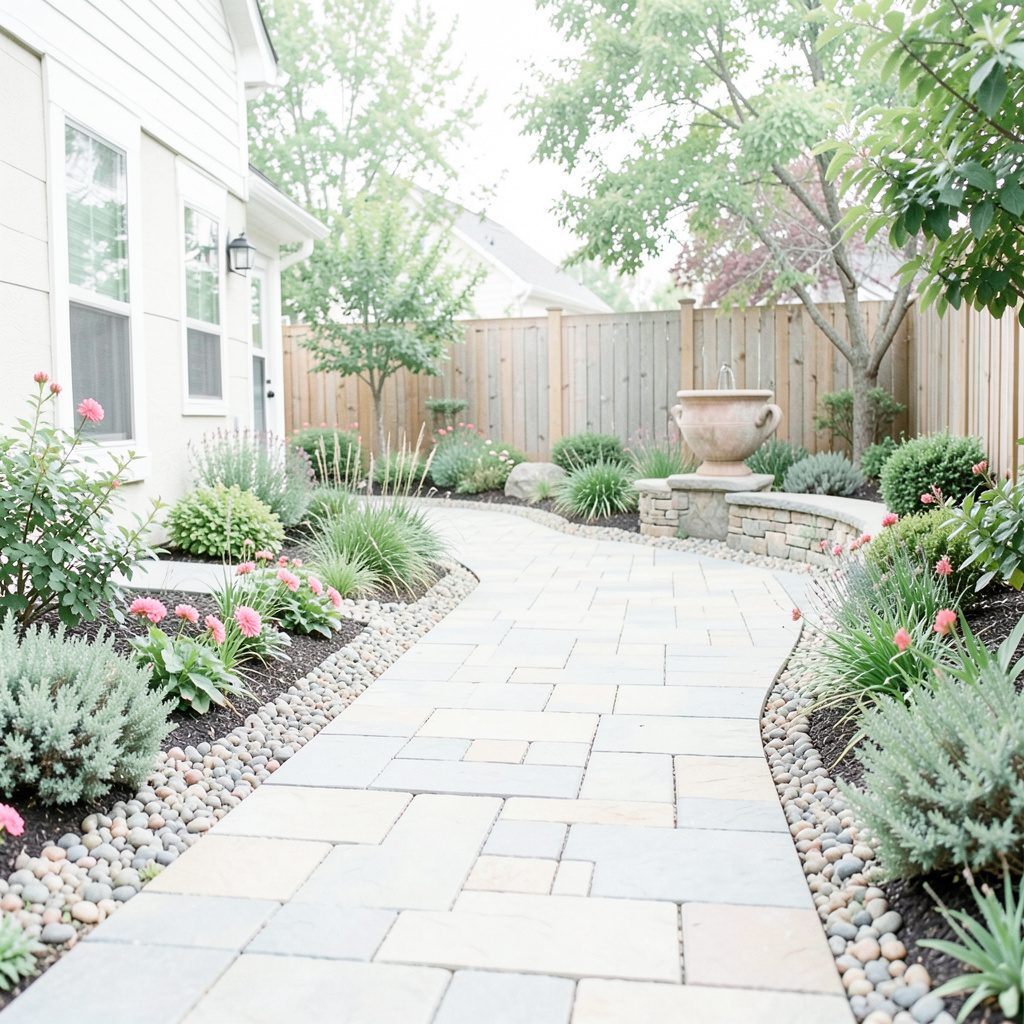
Using path lights to define garden borders
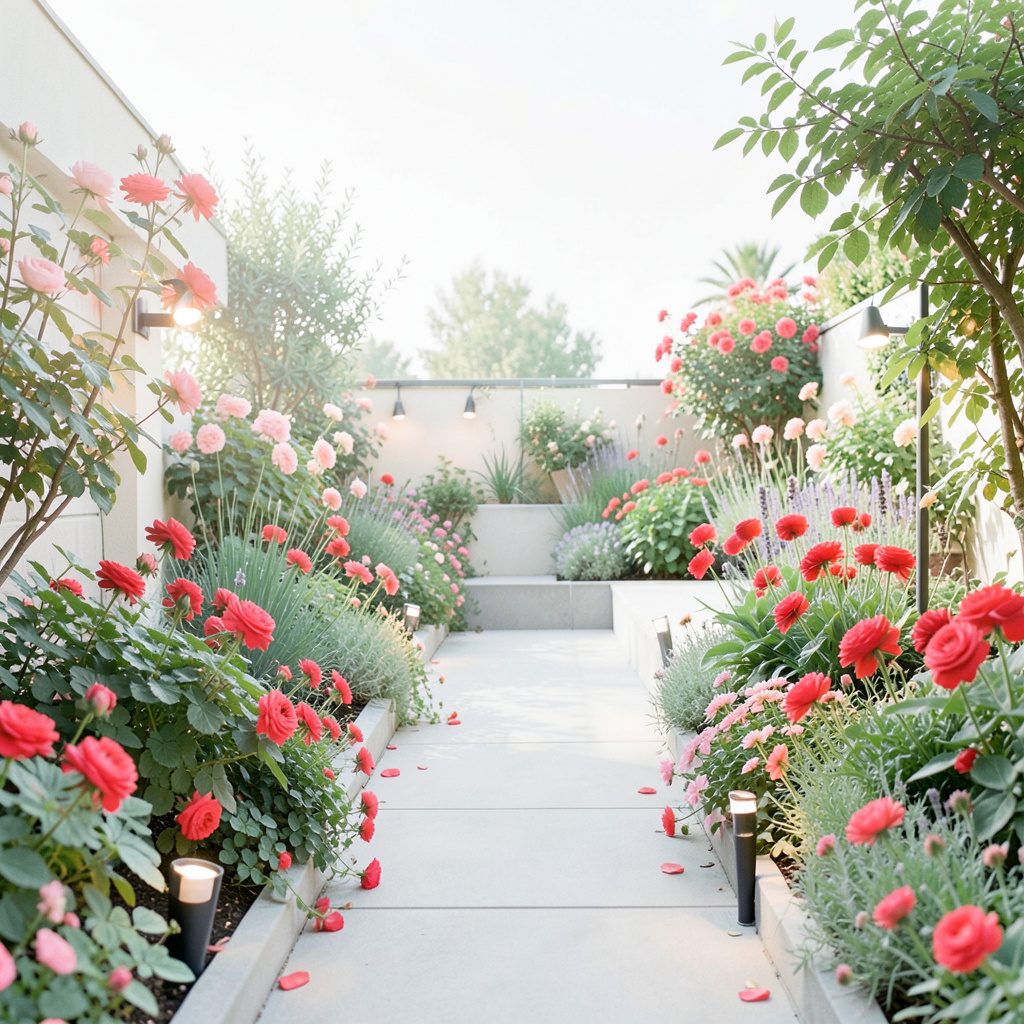
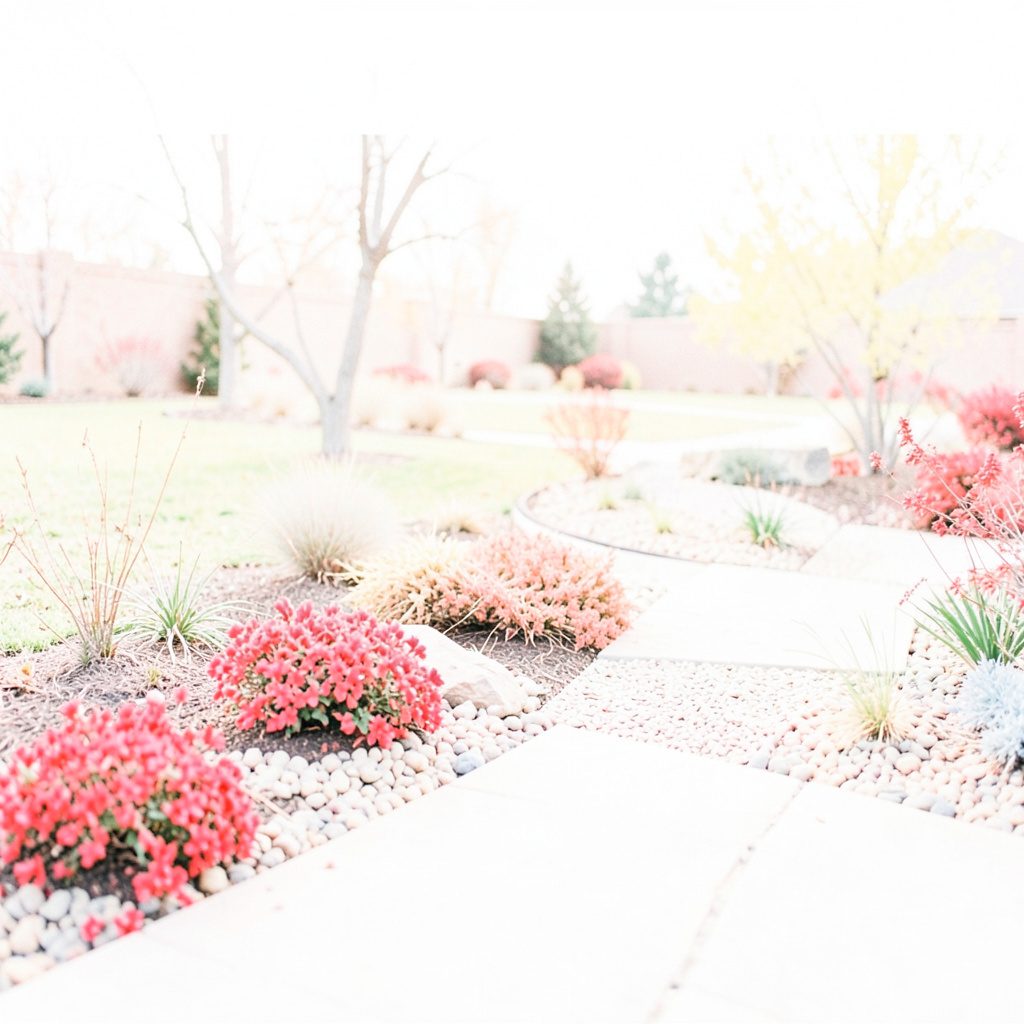
Garden borders in Australian homes often do double duty, separating lawn from patio, lawn from veggie patch, or path from garden bed. Path lights tucked into these edges serve as quiet markers that show where one area ends and another begins. They guide the eye, the foot and the wheel of the wheelbarrow after sundown, without the need for floodlights that wash the whole yard in glare.
A border lit with low-level fixtures becomes a soft runway of light that draws people out into the garden. The trick is choosing the right luminaire, placing it at the right height, and wiring it safely to Australian standards. The next sections walk through planning the layout, picking fixtures, spacing them correctly, sorting out power, and keeping the system in shape through summer storms and winter frosts.
Planning the border layout
Start by walking the border at dusk with a torch held low. Notice where the edge actually runs, because what looks straight in daylight often bends around a tree root or a sprinkler head. Mark these points with pegs or spray paint, then measure the total run so you know roughly how many lights you need. A typical suburban block in Brisbane or Perth might have between fifteen and forty metres of border to illuminate, while a narrow courtyard in a Melbourne townhouse could be closer to eight.
Think about how the border is used. If it runs alongside an entertaining area, the lights should sit just behind the edge so guests do not kick them. If the border wraps a vegetable garden lighting guide, place fixtures where they will not shade leafy greens during the day, since solar panels need direct sun to charge. Keep clearance from overhead branches that may drop sap, and avoid spots that sit in puddles after heavy rain.
Choosing the right path light fixtures
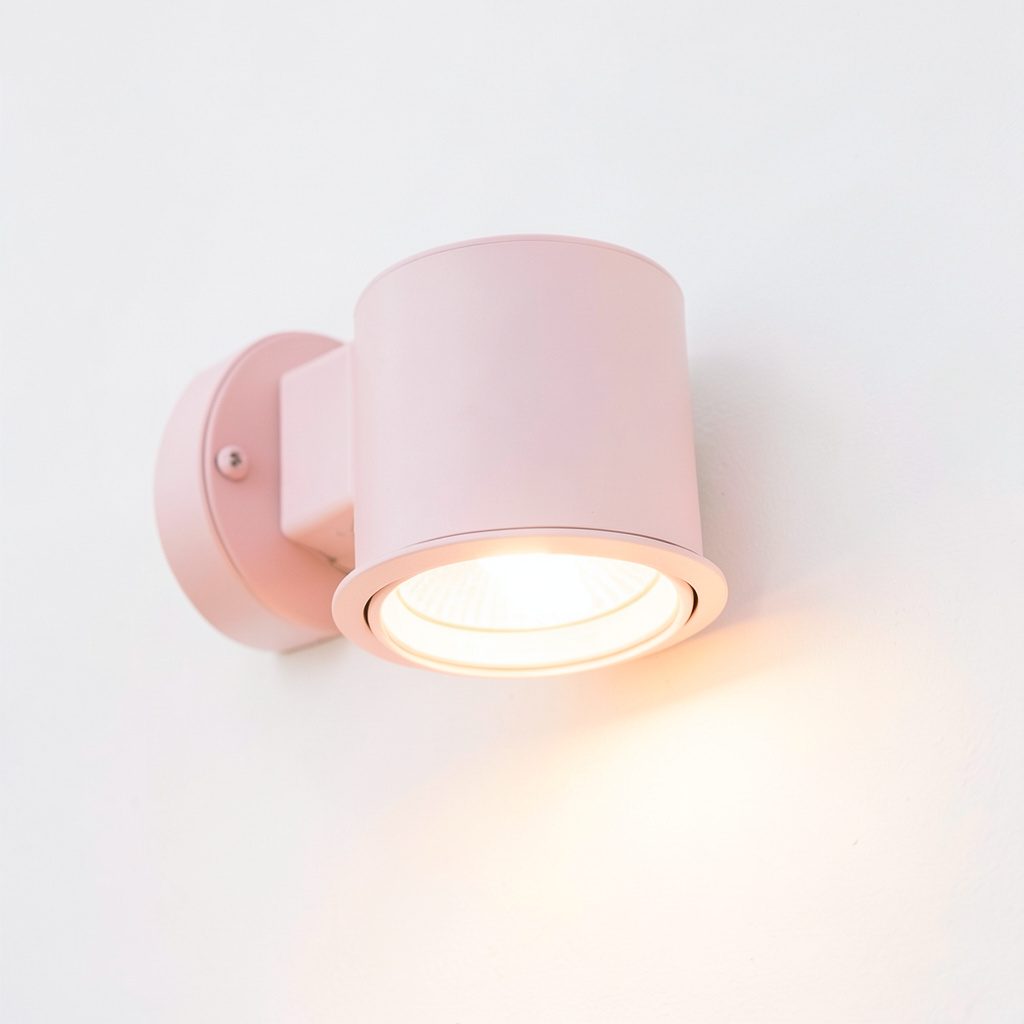
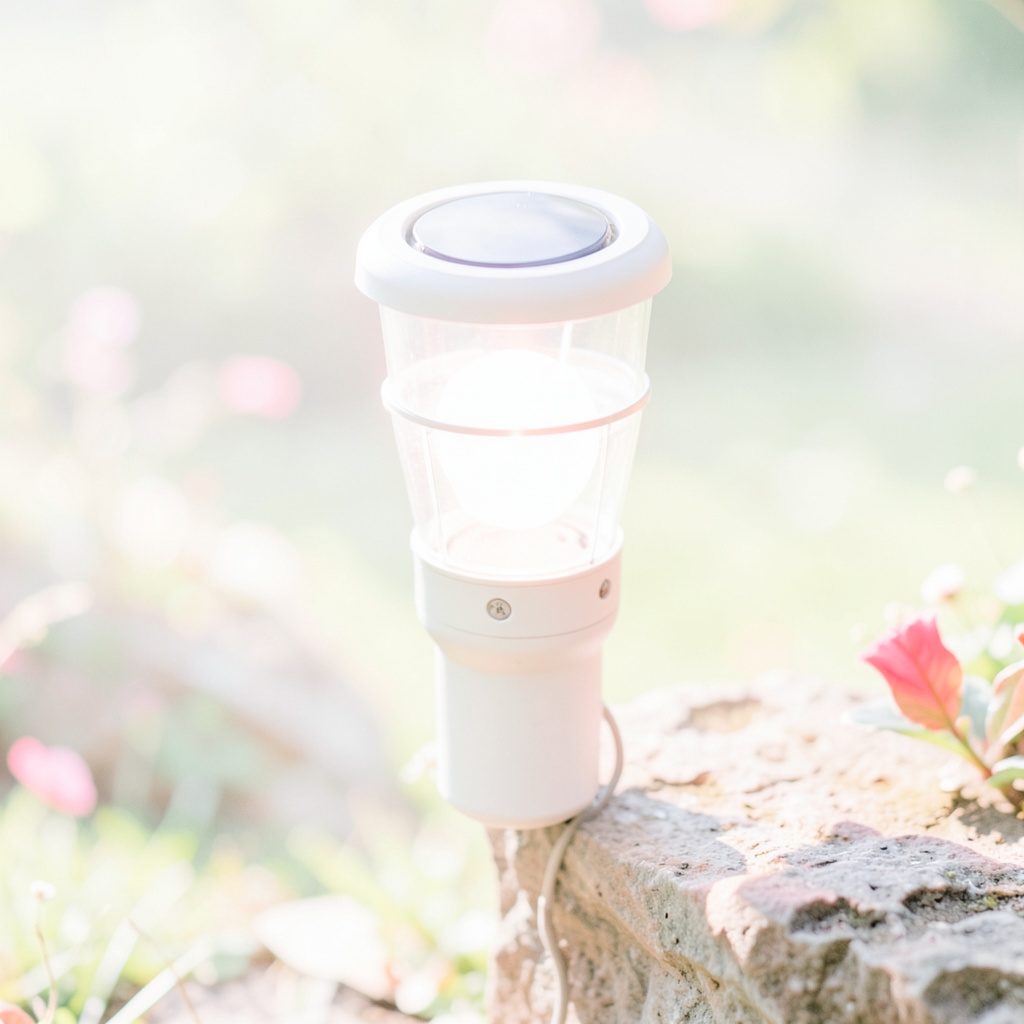
Path lights come in three main flavours: solar stake lights, low-voltage LED kits, and 240-volt hardwired models. For most Australian home gardens, low-voltage LED or solar is the easiest path. Solar units from brands sold at Bunnings have improved a great deal, and modern LED panels hold their brightness for several hours after sunset. If the border runs under established trees or a wide eave, solar charging drops sharply and a wired 12-volt system becomes the better bet.
Materials matter in our harsh UV and salt-spray conditions. Look for fixtures with a body rated at IP44 or higher for general outdoor use, and IP65 if the light will sit close to the soil or near a saltwater pool. Stainless steel or powder-coated aluminium finishes hold up best along the coast in places like Sydney's Northern Beaches or Adelaide's coastal suburbs. When comparing landscape lighting designs, pick a head style that throws light downward and slightly forward, not upward into the night sky.
Spacing and height for clear edges
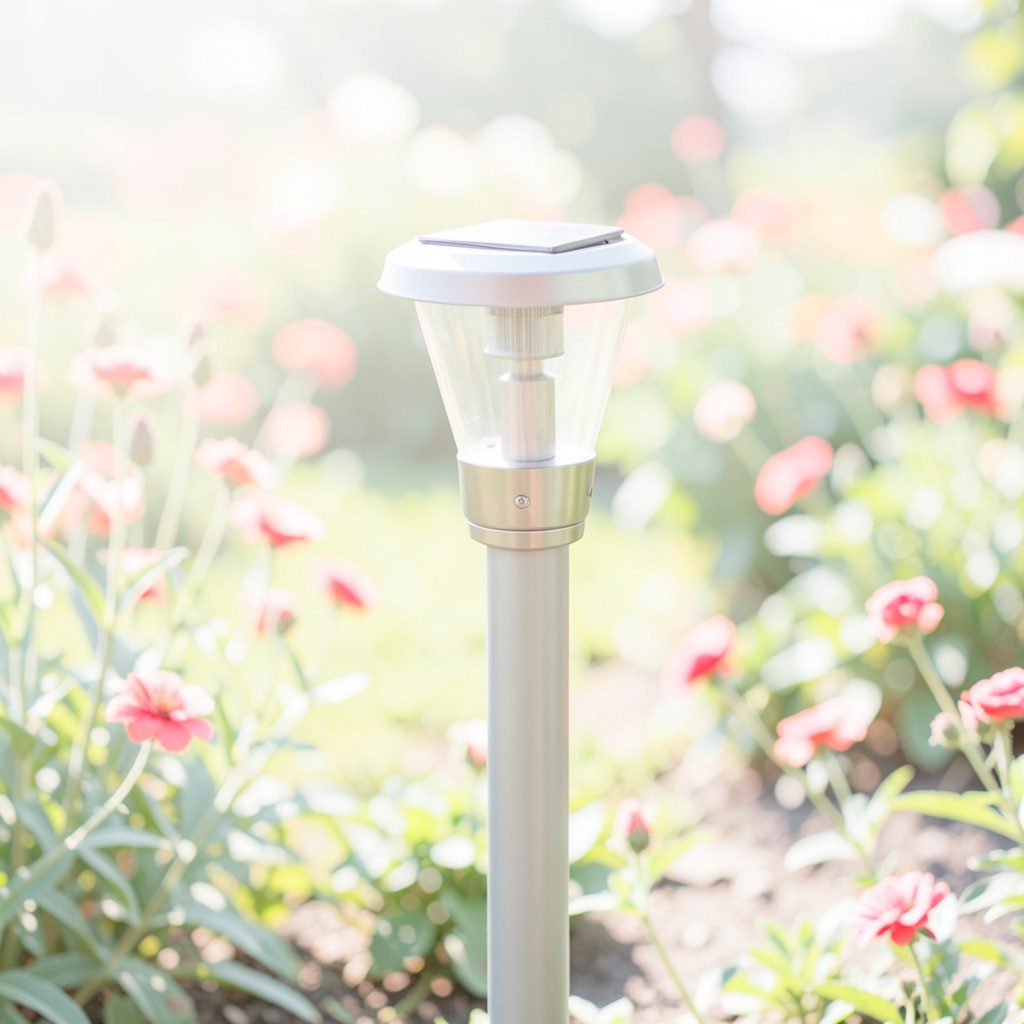
Spacing is where most DIY borders go wrong. Lights placed too far apart leave dark gaps that read as random dots rather than a continuous edge; lights placed too close create a runway effect that feels more like an airport taxiway than a garden path. As a rule of thumb, space fixtures between one-half and two-thirds of the height of the light itself. A 400-millimetre bollard works well at roughly 2.5-metre intervals, while a 200-millimetre stake light looks balanced at about 1.2 metres apart.
Height affects how the border reads. Anything taller than about 600 millimetres starts to block sightlines across the garden, which can be a problem in narrow courtyards where every view counts. Lower fixtures keep the landscape open while still casting useful light onto the ground. If the border separates a path from a lawn, aim the head so the beam grazes the path surface rather than blasting across the grass.
Power, wiring and Australian standards
Any 240-volt work in the garden falls under AS/NZS 3000 and must be done by a licensed electrician. The good news is that most residential path lighting can run on a 12-volt plug-in transformer, which sits indoors and feeds a low-voltage cable out to the lights. This setup still requires an RCD on the circuit, and the cable should be run in conduit or buried below the depth specified in the standard. Solar lights bypass the sparkie entirely, but they still need a weatherproof controller box if the panel is separate from the lamp.
Before buying, check the packaging for the ingress protection rating. In Australia, IP44 is the legal minimum for any outdoor light fitting, but IP65 is the practical minimum for anything that sits low to the ground where sprinklers, rain and leaf litter collect. Cheap fittings without a rating will fail quickly in the first summer storm. Quality units from Philips, InnoGear or Beacon Lighting carry the rating on the box and often include a multi-year warranty that covers corrosion.
Maintenance and seasonal adjustments
Once installed, path lights need a small amount of attention each season. Wipe the solar panels with a soft cloth every few months, especially after the dusty build-up that comes with a hot Adelaide or Perth summer. Trim back any plant growth that starts to cover the panel or block the beam, since fast-growing natives like lomandra or westringia can swallow a low stake light within a season.
Check the fixtures after major weather events. A coastal garden will see salt corrosion on metal parts within a year or two; a freshwater rinse every couple of months keeps the finish bright. Inland gardens near bushland should look for fittings rated for high ambient temperatures, since a black metal stake in full sun can reach sixty degrees and shorten the life of cheap LEDs. In fire-prone zones, keep the area around each light clear of leaf litter and use fixtures that do not trap dry grass against the housing.
Over time, the border will shift. A native garden bed will spread, a new retaining wall will move the edge, or a freshly planted hedge will change the line of the path. Relocate a few lights each winter to follow the new edge, and treat the layout as a living sketch rather than a permanent fixture. A few hours of adjustment each year keeps the definition crisp and the garden looking intentional from every angle.
Years of refining these techniques across Australian backyards, as the author's background shows, suggest that the most useful starting point is one short run of border, perhaps three to five metres long, lit with a simple solar kit. Spend a week watching how the edge reads at dusk, how the shadows fall, and where family members actually walk. Once that first stretch feels right, the rest of the garden tends to follow the same logic, and the path lights become the quiet skeleton that holds the whole outdoor room together.