Featured Topics

Best Solar Light Stakes for Flower Beds and Borders
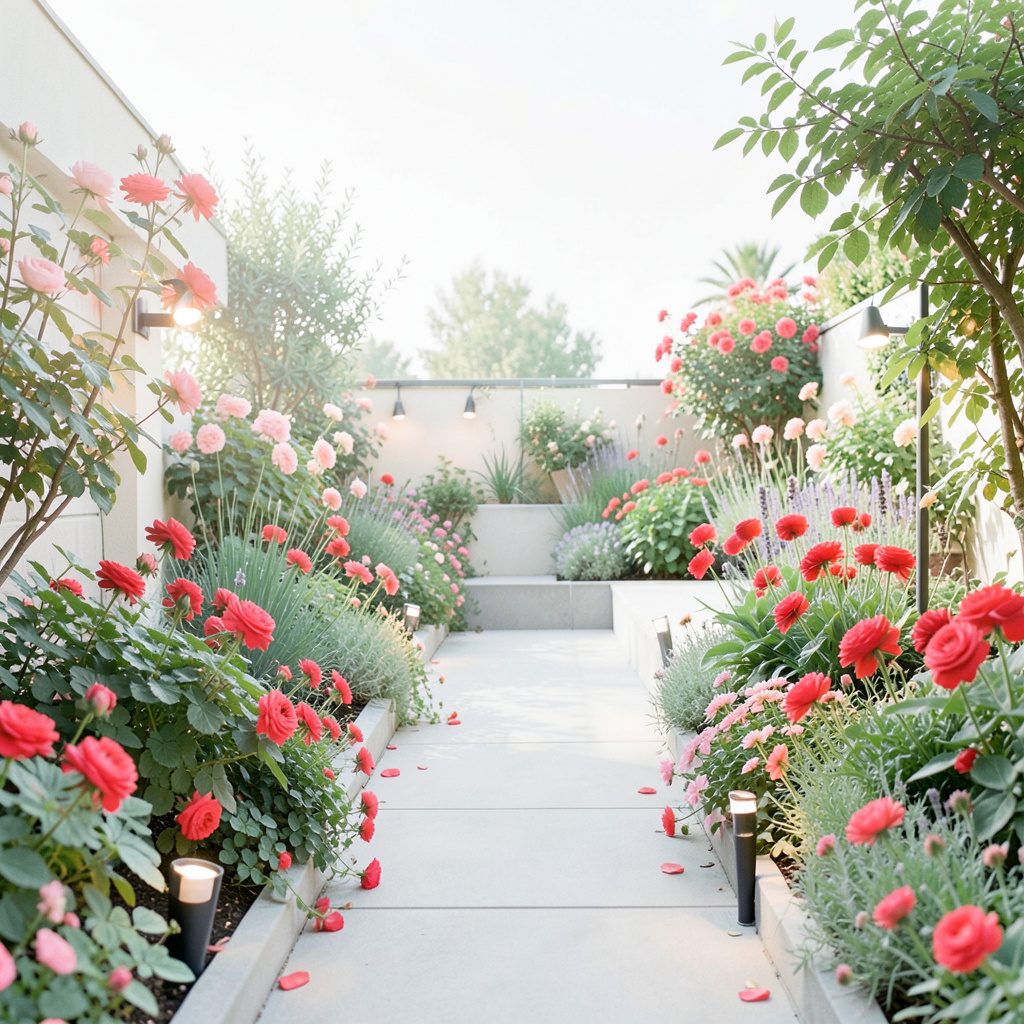
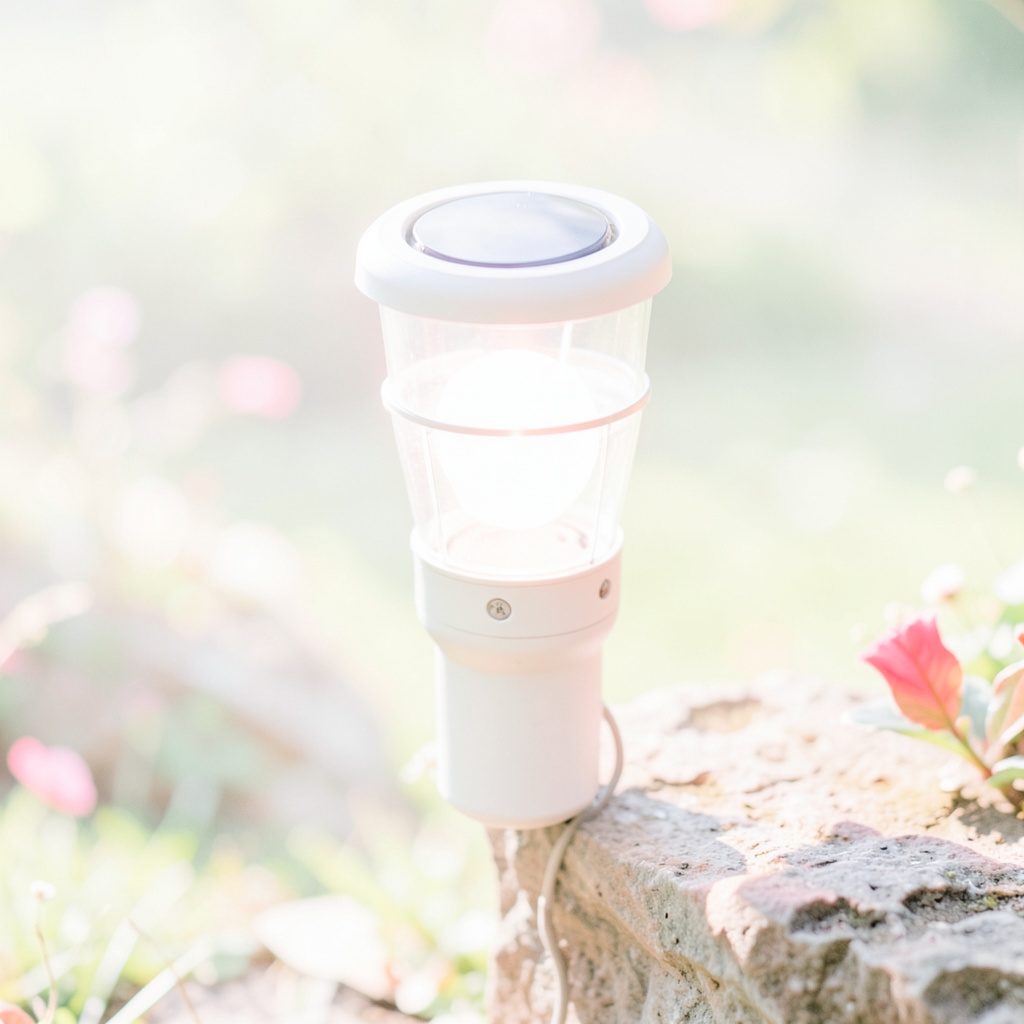
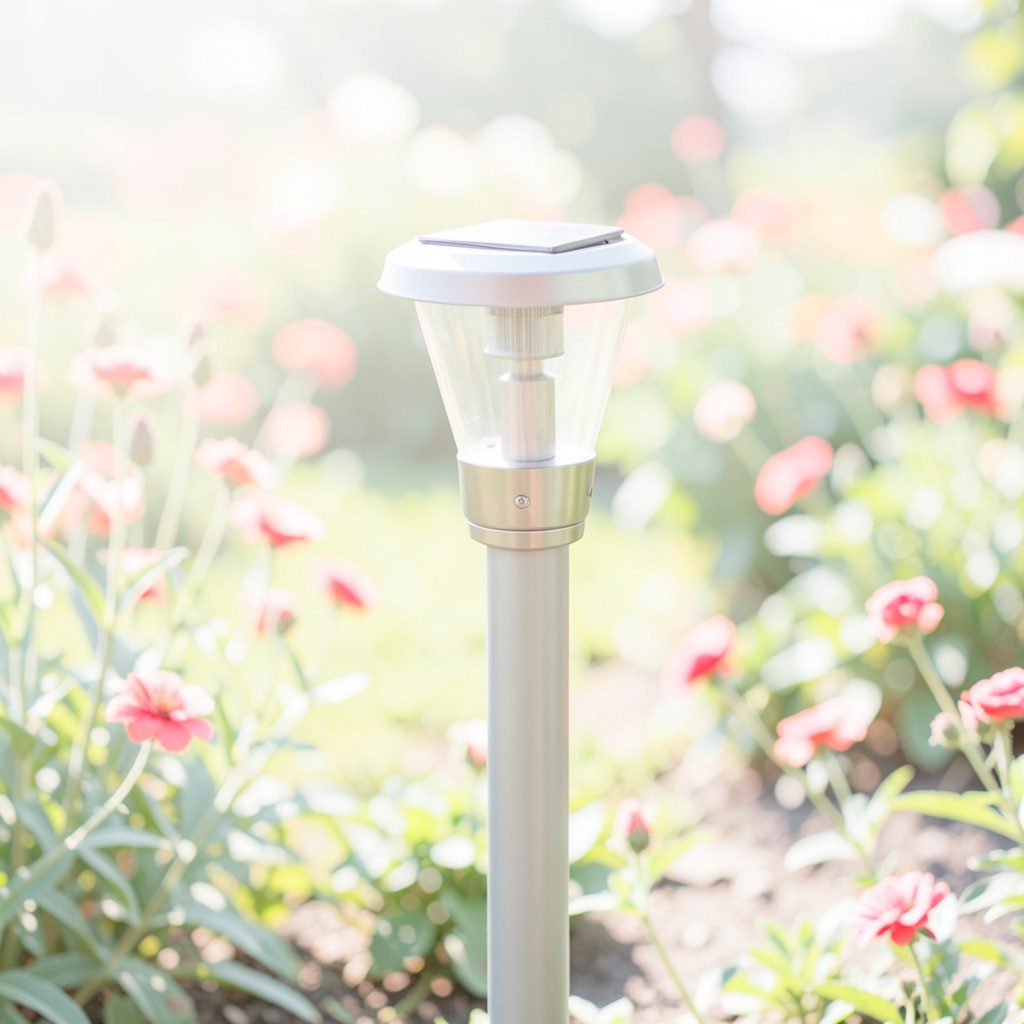
Solar-powered light stakes can turn a flower bed into a softly defined nighttime scene without cable runs or mains lighting. Small pools of warm light reveal leaf shapes, highlight a favourite bloom and give paths a clear edge. Their appeal lies in simple installation, although dependable performance depends on matching each fixture to its planting, sunlight and weather.
The strongest results come from planning a border rather than scattering identical poles. Decorative lights work among flowers, while brighter directional models suit entrances and security. Choosing the best solar light stakes for flower beds and borders means balancing appearance, runtime and construction instead of judging brightness alone.
Start With the Light’s Job
Decide what each light should do before choosing a product. A soft ambient glow belongs among foliage, where it can pick out textures without flattening the planting. Path and security lights need a tighter, brighter beam, but should point downwards to spare nearby windows and seated areas.
Height affects appearance and practicality. Stakes around 25–40 cm blend into dense beds, while 50–75 cm models outline a mixed border above groundcovers. Very tall poles catch wind and may light plants they should feature, so fewer well-placed fixtures often look better than a crowded row.
Check stated lumens, beam distance, charging time and battery type instead of relying on a brightness claim. Warranty and spare-part availability matter for lights left in soil for years. When using an unfamiliar online seller, reading its privacy policy before registering keeps personal details and marketing choices under your control.
What Makes a Stake Worth Buying
A usable panel should sit above foliage and remain unobstructed for most of the day. Compare the maker’s charging time with the runtime needed for an evening, and look for a sensor that restores your chosen setting after a cloudy night. A panel hidden by a shrub will disappoint however attractive the stake looks in a showroom.
Small rechargeable cells vary in voltage, chemistry and charge control, so capacity alone does not guarantee longer operation. A guide to replacement mower batteries shows why matching cell format and charger matters; the same checking applies before fitting replacement cells to solar lighting.
Outdoor housings need protection from water, dust and ultraviolet light. IP44 can suit a sheltered, splash-prone bed, while IP65 is a stronger choice for exposed planting. Coastal properties benefit from corrosion-resistant stakes. Warm-white LEDs around 2200–3000K also tend to flatter flowers more gently than cool-white floodlighting.
Australian Weather and Garden Conditions
In much of Australia, a northerly-facing panel captures useful winter sunlight, although east- and west-facing panels can work in summer. Follow the maker’s orientation instructions, since some panels are fixed to the stake top. A shaded border may need a different position or a side-mounted panel; extra fixtures will not compensate for panels that receive little light.
Weather varies considerably. Sydney’s humid summers and salty coastal breezes test seals and metal, while Brisbane’s downpours reward drainage-friendly positioning. Melbourne’s frosty winters reduce charging hours, and Perth’s dry summers can make soil hard and watering restrictions relevant. These differences favour locally suitable products over a universal ranking.
Australian water-wise gardening also benefits from targeted lighting. Low-level illumination preserves the garden’s daytime character and avoids the demand of a fully wired scheme. Shielded heads can graze paths and borders without glaring into neighbouring homes, while downward light reduces disturbance for insects and pedestrians.
Planting Without Damaging Roots
Fit stakes around existing roots rather than through them. Position each unit roughly 10–15 cm from the main root ball, check for buried irrigation lines, and press the spike in with firm pressure. Avoid levering against stems or driving through bulbs and shallow roots; a rubber mallet can help in compacted soil.
Allow room for growth. A stake beside a fast-growing perennial may disappear by summer, while one too close to a crown can damage emerging leaves. Keep the panel clear of mulch and foliage, check that the unit remains upright after watering, and space lights far enough apart to define the bed’s outline.
If the soil needs loosening, work carefully around established roots. A manual tiller guide can help match a tool to the bed’s depth and width, though a hand fork is usually sufficient around flowers. Fit the stakes after the soil settles and before new mulch hides their placement.
Comparing Brands and Retailers
Philips is a familiar name in garden lighting, and InnoGear offers a broad range of outdoor solar products, making both sensible starting points for research. Their catalogues cover different formats, and not every decorative lantern is a ground stake. Compare the exact model’s panel area, battery specification, sensor and mounting method rather than assuming a brand determines the result.
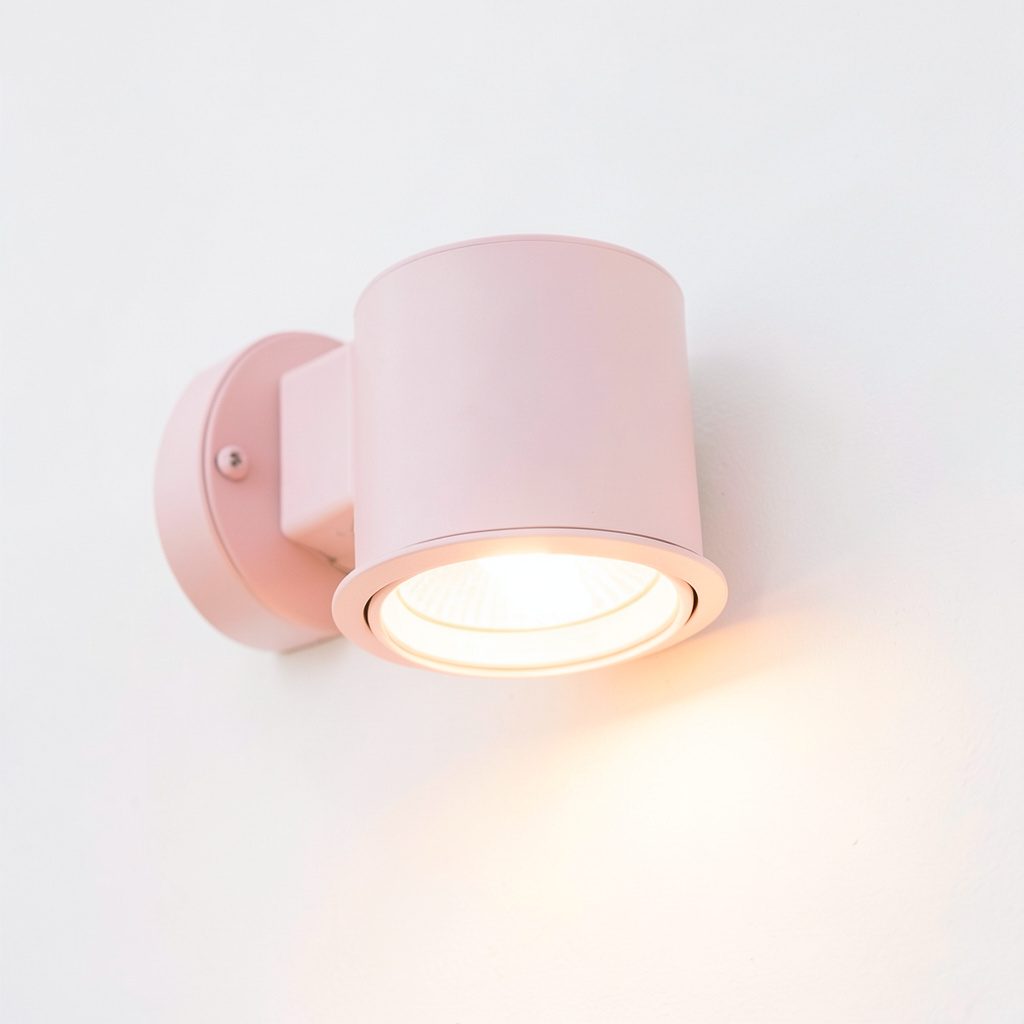
Some borders suit spotlights better than small path lights. For a feature tree, wall or patio edge, this solar spotlight comparison offers a useful basis for judging beam angle and brightness. Spotlights need careful aiming and secure mounts, whereas a stake can be repositioned as seasonal planting changes.
Amazon and Home Depot listings can broaden the comparison, but Australian buyers should confirm delivery to their postcode, the fulfilment party and local warranty arrangements. Australian stockists and home-improvement retailers may be more convenient for replacement parts, even when an overseas listing appears cheaper.
Practical Choices for Common Garden Spaces
For a small bed, visual restraint usually works better than maximum output. Proportions that disappear among flowers, warm colour that complements petals and a discreet head make useful selection criteria for planters and compact borders.
Small Beds and Planters
- Choose compact, warm-white stakes for edging beds of low perennials and bulbs.
- Use one brighter stake to feature a standout plant instead of clustering tiny lights.
- Favour narrow or hooded heads that leave stems, seed heads and foliage unobstructed.
- Check battery specifications and warranty coverage for a fixture that stays outdoors.
Longer borders benefit from a visible rhythm rather than uniform brightness. Alternate low accents with taller markers, keep spacing even, and secure tall stakes properly in loose soil. This balance works well beside paths, terraces and lawns where planting changes through the year.
Longer Borders and Path Edges
- Choose taller stakes, around 50–75 cm, to define borders behind dense planting.
- Favour downward-facing heads that illuminate the edge without glare across a path.
- Use dusk-to-dawn operation for security, provided the selected mode has adequate runtime.
- Select IP65 housings and robust spikes for exposed beds, sandy soil or summer storms.
These checklists remain useful when conditions change. A stake that looks subtle among soft foliage may be swallowed by a vigorous shrub, while a bright unit beside pale flowers can overpower their colour. Test one promising model in its intended position before buying a complete set.
A Reliable Lighting Plan
A successful border combines a low, even line with a few brighter accents. Keep the main route legible, leave dense planting in softer light and allow flowers to remain the daytime focus. In winter, favour positions with the fewest hours of shade.
Begin with a short trial rather than a whole-garden purchase. Charge the lights for the recommended period, note when each activates at dusk and check for panel obstructions the next morning. Adjustable timers can reconcile evening security with a softer decorative setting, provided the chosen mode retains enough battery reserve.
The next step is to measure the bed’s longest edge and mark three stake positions beside it, ready for a trial installation.