Featured Topics
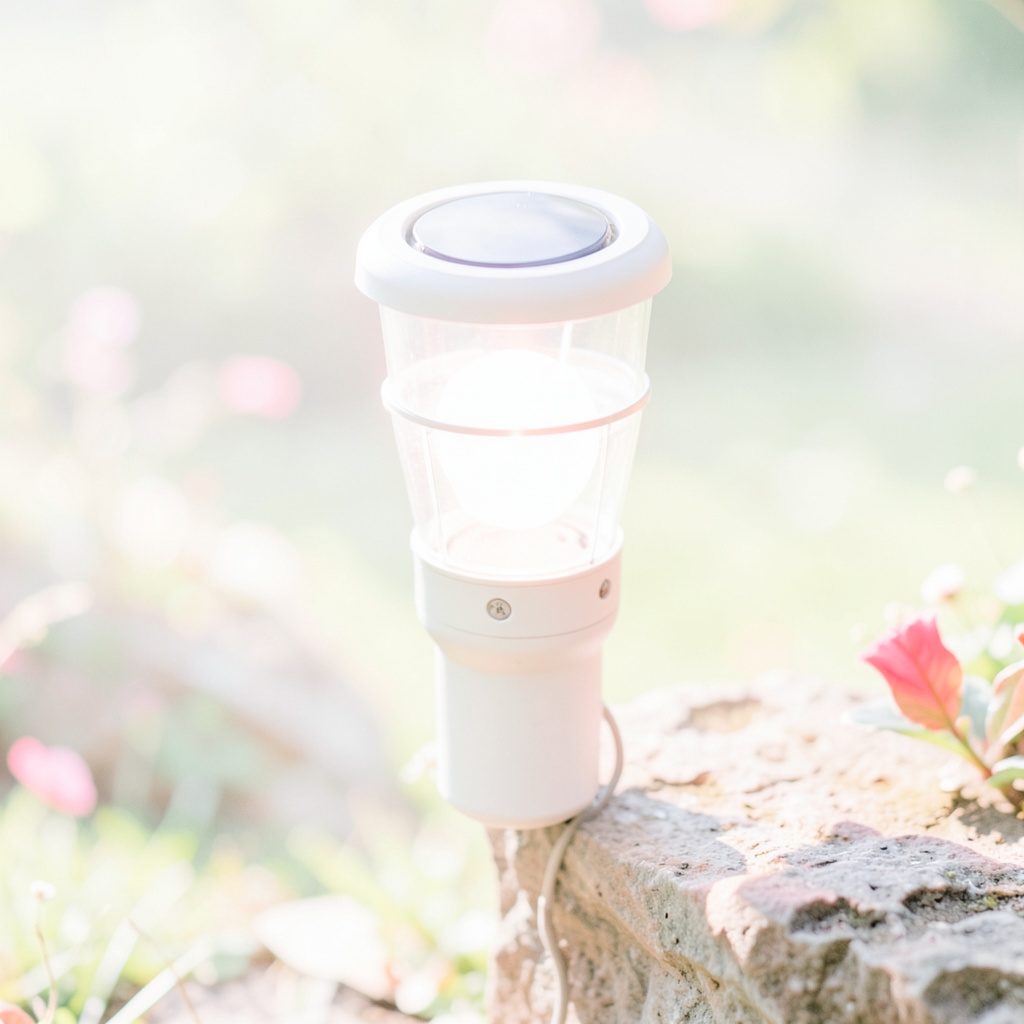
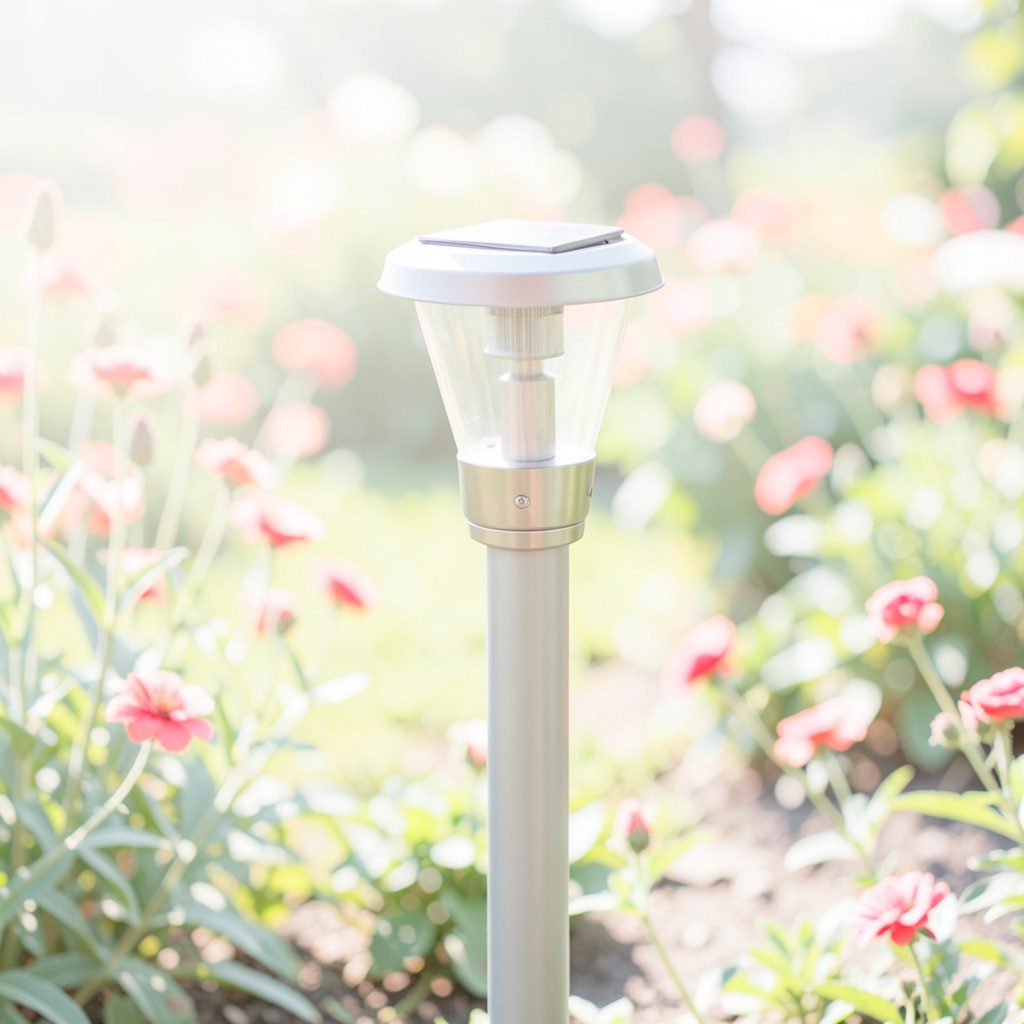

Best Solar Lanterns with Handles for Hanging or Carrying
Australians looking for top solar lanterns with handles for hanging or carrying usually want one lamp to move between several outdoor spaces. A lantern might illuminate the barbecue, sit beside a drinks table, light a garden path or follow the family from the back lawn to the front verandah. The handle therefore needs to be useful in both roles, rather than simply decorative.
Solar power removes the need for a mains connection or disposable batteries. After a day in the sun, a good model can provide LED light well into the evening, making it useful for summer barbie gatherings, quiet dinners on the patio and late walks from the carport to the back door. Models with folding handles or integrated hooks are especially convenient for these changing uses.
The best model is not necessarily the one with the highest headline brightness. Battery capacity, charging time, weather resistance and the strength of the handle all affect whether a lantern will work reliably outdoors. Australian conditions make those details particularly important, from intense summer heat to sudden rain and dusty gardens.
Where a handled lantern earns its place
Begin by considering how the lantern will travel. A compact model carried by a single handle is useful for moving around a lawn, while a balanced or dual-purpose handle is better for carrying over uneven ground. If it will hang from a hook, tree branch or shade structure, check that the bail or hanging loop locks securely and that the manufacturer has rated it for the intended load.
A carry handle and a hanging hook are not always the same component. Some folding metal handles also form a stand; others rotate without locking, which can be frustrating in a breeze. A lantern intended for permanent suspension may have a fixed loop but no comfortable grip, making it less useful for taking to the barbecue or down to the beach house.
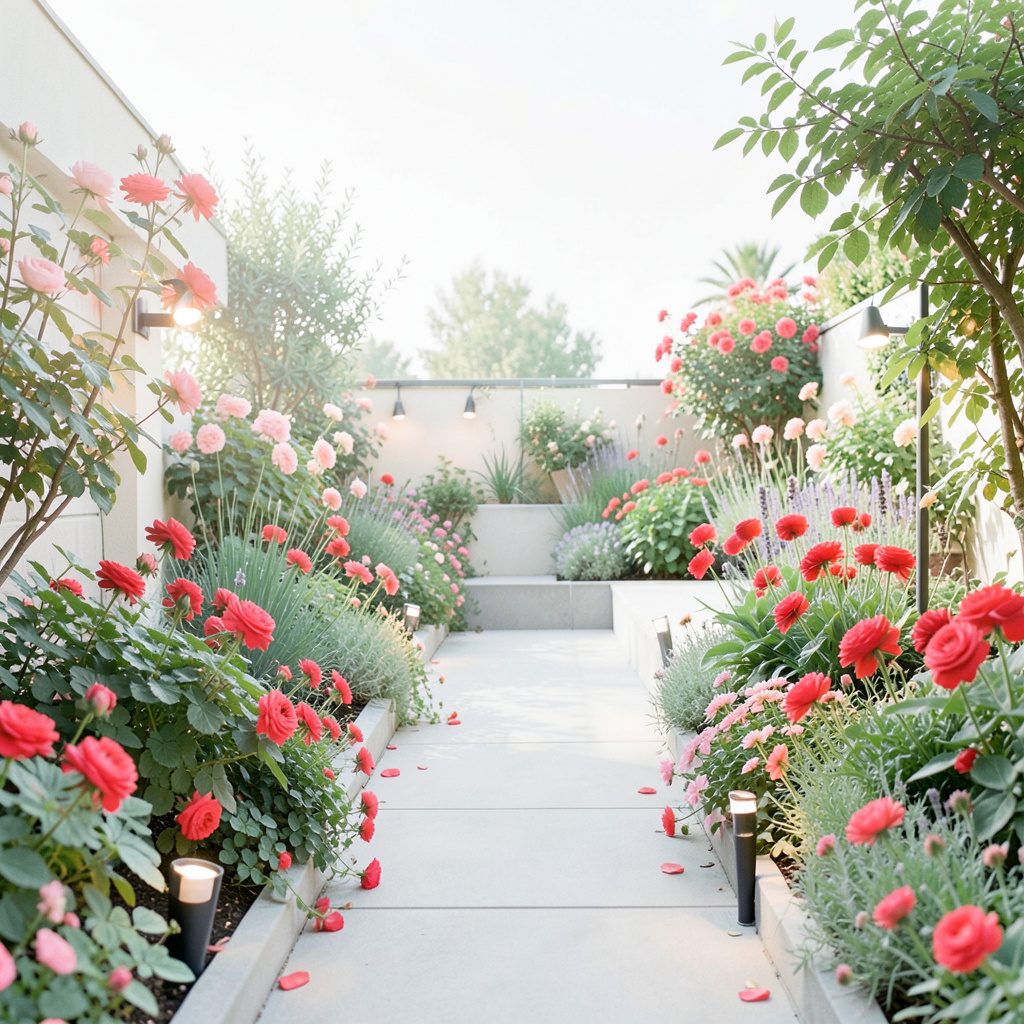
Mapping the route before shopping helps prevent buying a lantern for one location when it will really be used in several. Good practical project planning can help organise the garden, whether that means lighting a narrow side path, a terrace dining area or a laneway beside the house.
Brightness, battery life and charging
Treat brightness, runtime and charging time as one connected system. More lumens are useful for washing a workbench or lighting a table, but they also drain the battery faster. A warm-white output around 200–300 lumens is often sufficient for an Australian patio, while smaller path lights may need considerably less. Brightness figures should be compared using the same type of measurement rather than vague claims such as “super bright”.
The battery specification gives a better indication of likely runtime. Look for an LED lantern with a stated operating time at each brightness level, plus information about battery capacity and whether the battery is replaceable. Models that can also be charged through USB are useful when cloudy weather limits solar charging, although their port should be covered when the lamp is outside.
The solar panel needs direct daylight and should not remain shaded by leaves, patio roofs or garden walls. Position it where it can receive several hours of unobstructed sun, and clean the panel periodically because dust can reduce charging efficiency. A lantern placed under a tree may look attractive during the day but still arrive at dusk with an undercharged battery.
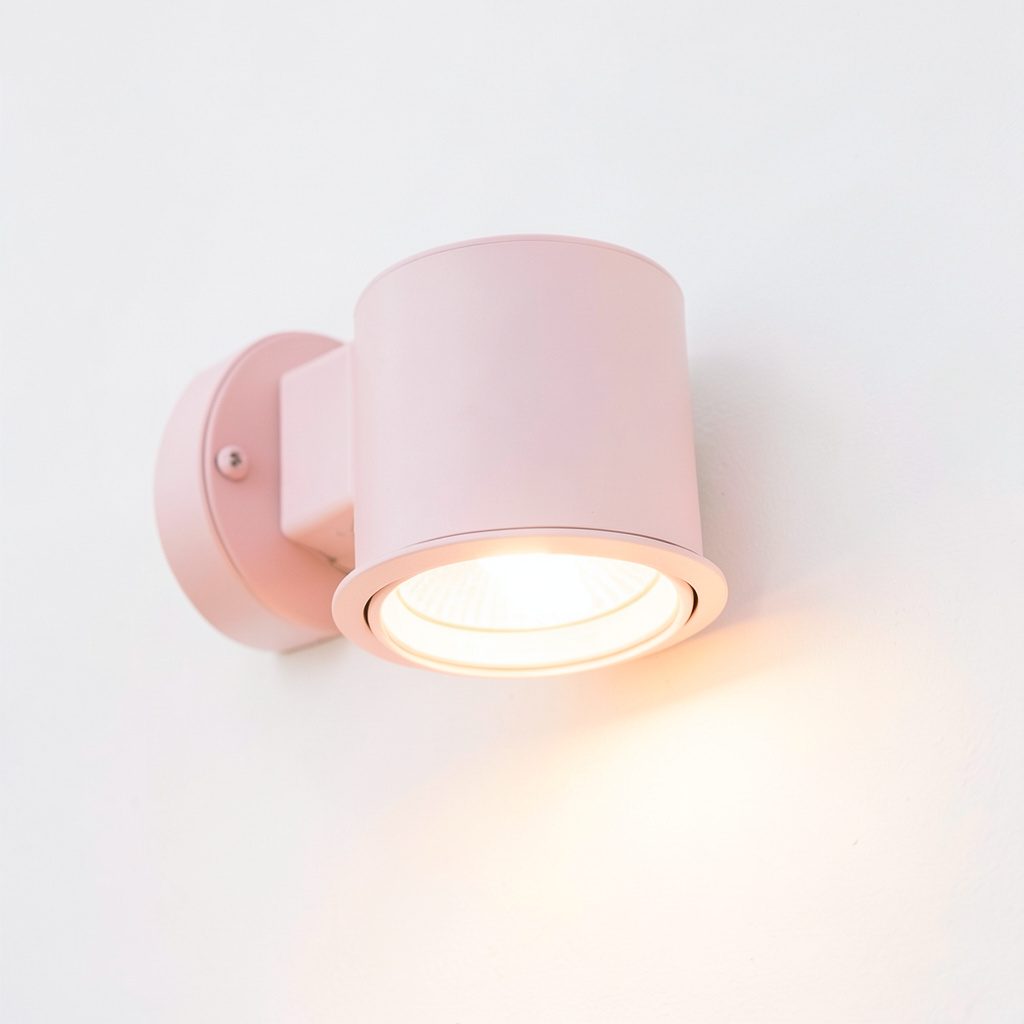
If the project also includes fixed lights, an outdoor lighting reference can help distinguish portable solar products from wall lamps, pathway markers and other permanent fittings. That comparison prevents a small rechargeable lantern from being expected to illuminate an entire garden.
Australian weather and battery performance
A weather-resistance rating is more meaningful when it is paired with sensible placement. An IP44-rated product is generally intended to resist splashing water, while a higher rating such as IP65 offers stronger protection against dust and jets of water. Even a well-rated lantern should not be left where hose spray routinely reaches its solar panel, charging port or battery compartment.
Local climate deserves attention. Melbourne’s changeable weather can turn a bright afternoon into cool, damp evening conditions, while Perth’s dry summer heat can expose a lantern left on a west-facing wall. Brisbane and other subtropical areas may experience humidity and intense summer storms, making sealed controls and a secure charging cover especially valuable.
Heat also affects stored energy. A lithium battery loses some performance when cold and can degrade faster if repeatedly exposed to excessive heat. Do not leave a rechargeable lantern inside a parked car during summer, as vehicle interiors can rise far beyond the temperature tolerated by many consumer batteries. Follow the specified charging temperature and avoid charging on a hot, combustible surface.
Keep the lantern away from the heat of a barbecue, fire pit or halogen work light. Solar charging is slow enough that it should never be treated as an overnight top-up beside an open flame. These precautions are especially important in dry Australian gardens, where even a small heat source can create a serious hazard.
Light quality for paths and outdoor rooms
Light colour changes the character of a garden. Warm white, commonly around 2700–3000K, blends naturally with timber decking, sandstone walls and most outdoor dining furniture. A slightly cooler output can make food preparation and pathfinding easier, but it may feel less relaxed beneath a verandah.
Beam angle and glare matter as much as colour. A narrow beam can highlight a planter, statue or wall texture, while a wider spread is better for a pathway or stair landing. For low-level path lighting, shield the LED source so the lamp is visible without shining directly into neighbouring windows. A high colour-rendering figure is also worthwhile around a dining table, where people will notice how food and skin tones look.
Consider the scale of each area. A single bright lantern hanging over a small table may create harsh shadows, while several softer lights placed lower down can reveal steps and uneven paving. Fixed strip lighting can complement this portable approach; under-bench LED guidance offers a way to examine that detail, provided any strip is rated for outdoor exposure.
Outdoor gatherings often involve activities inside as well as in the garden. A digital option such as free-spins video poker can occupy a lounge screen during a long evening, leaving the portable lanterns responsible for safe movement around the patio rather than entertainment.
Brands, retailers and Australian warranty checks
Philips and InnoGear are both useful names to explore when comparing portable LED equipment. Philips may appeal to households already familiar with its broader outdoor range, while InnoGear may suit buyers focused on compact portable lighting. The range changes frequently, so the individual model specification matters more than the logo on the box.
Australian shoppers can also check Amazon.com.au and Home Depot’s Australian stores for current availability, but should look closely at who is actually selling the product. Confirm that the listing is an Australian version, includes the correct battery and charging accessories and has local customer support. Prices can include GST, yet final delivery cost and the possibility of marketplace returns still affect the value of a deal.
Warranty terms deserve the same attention as brightness. Check the length of the manufacturer’s cover, whether replacement parts or batteries are available, and which company handles a claim. Under Australian Consumer Law, eligible products must meet promises made in advertisements and instructions, as well as satisfy relevant consumer guarantees. Keeping the listing, receipt and product packaging can make a complaint easier to resolve.
A practical selection checklist
A shortlist works better when every model is compared against the same requirements. Use these points to assess the leading solar lanterns with handles before checking appearance or promotional offers:
- Handle design: Choose a comfortable, lockable carry handle or a properly rated hanging bail that suits the intended locations.
- Measured performance: Compare published lumens, runtime at each setting, charging time and battery capacity rather than relying on vague brightness claims.
- Outdoor suitability: Select an appropriate IP rating, covered charging connections and an operating-temperature range suitable for the local climate.
- Light character: Match colour temperature, beam width and glare control to the path, table, terrace or entertaining area.
- Australian support: Prefer a seller offering clear local warranty service, credible reviews, accessible returns and replacement parts where possible.
Test the lantern outdoors before relying on it for an evening event. Charge it in the position it will normally occupy, switch on every brightness level and check for unstable stands, loose handles or reflections that could disturb neighbours. A lantern used only on a dining table may need a gentler output than one required to illuminate steps.
Remember that the best solar lantern is not simply the brightest model on the list. It is the one whose handle, light output, charging method, weather rating and local support match the exact way your garden is used after the sun goes down.