Featured Topics
Top outdoor lights with CRI 90+ for true color rendering
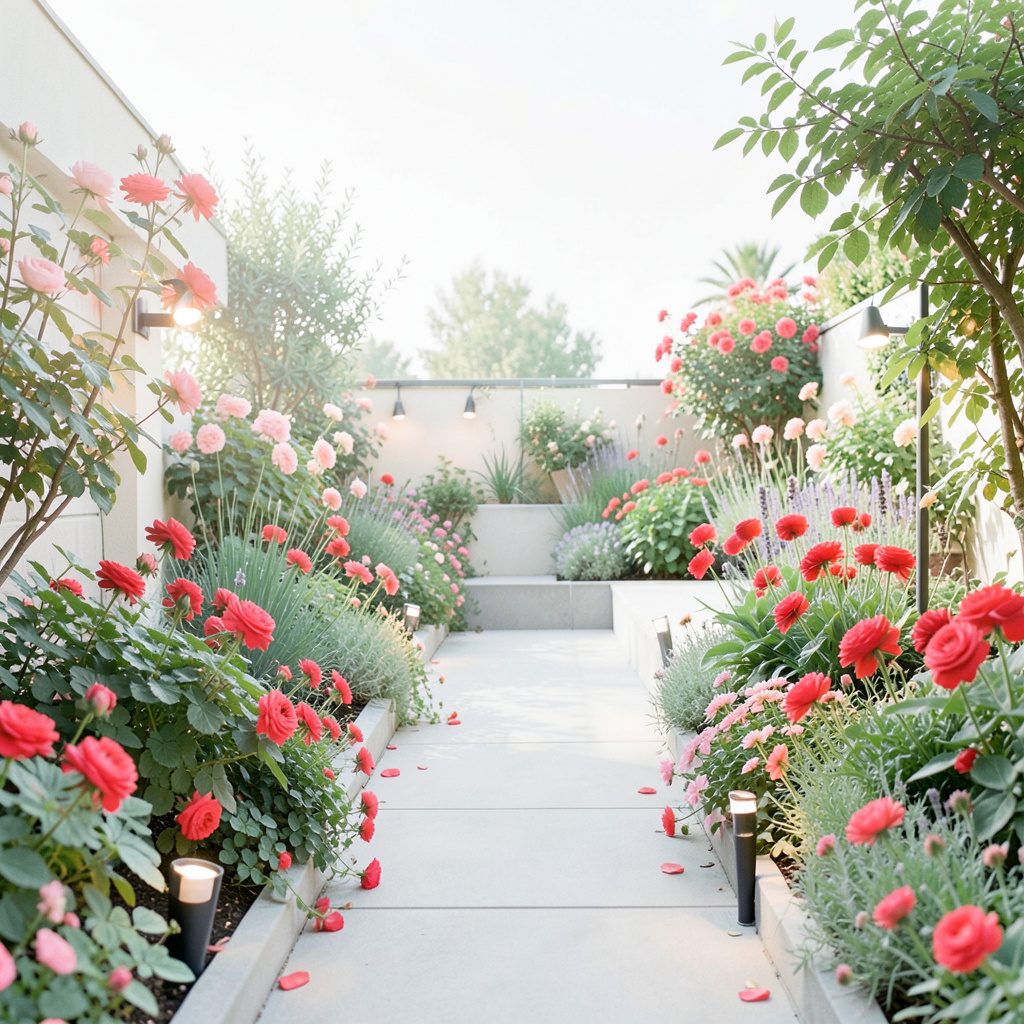
Outdoor lighting should do more than make a path visible. Strong colour rendering preserves differences between green leaves, red brick, timber grain, painted metal and skin, helping a garden feel layered after sunset. Beam, colour temperature and placement matter as much as the headline specification when a barbecue or terrace becomes an outdoor room.
Shopping for high-CRI outdoor lighting is easier when you separate measured performance from marketing language. This guide compares high-CRI LEDs across solar, mains and low-voltage options, explains Australian weather and electrical requirements, and places Philips and InnoGear products in a practical shortlist.
Understand CRI before comparing fixtures
Colour rendering index, or CRI, describes how faithfully a light source reveals object colours compared with a reference illuminant. The common Ra rating averages several colour samples. A fixture marked CRI 90+ reproduces those colours more accurately than a typical 80-rated lamp, revealing texture in foliage, masonry and natural timber.
A high average can still hide weak saturated reds. R9 influences how reds appear, which matters for brick, terracotta, timber and food. Check R9 as well as Ra when published. Pair high CRI with a suitable correlated colour temperature: 2700–3000K looks warm and domestic, while 3500–4000K gives cleaner whites and stronger definition on paths.
CRI describes the source, not the finished scene. Glare, ambient colour, frosted diffusers, low-battery modes and dimming can change the result. Compare lamps in the same place, look at people and planting rather than a white wall, and verify that CRI belongs to the specific lamp or luminaire supplied.
Match the light to Australian conditions
Sydney gardens can face driving rain, humidity and salt-laden air, while Melbourne brings cool, gusty conditions and sudden weather changes. Brisbane adds high heat, humidity and flying insects. A fixture suitable for a sheltered courtyard may still need a higher ingress rating and corrosion-resistant finish near a coastal fence.
Everyday use shapes the brief. Australians commonly light barbecue areas, terrace tables, front paths, gates and mailboxes for early-morning or evening routines. Good colour fidelity helps distinguish a fallen branch from paving, keeps timber decking natural and makes food inviting without harsh blue-white glare.
Lawns become large colour fields at night. A controlled beam can pick out a pale path across deep green grass instead of flooding the boundary. For environmentally minded lawn care, eco-friendly mower options can complement this plan by reducing fuel use or mower emissions while preserving a clear foreground.
Compare solar, mains and low-voltage systems
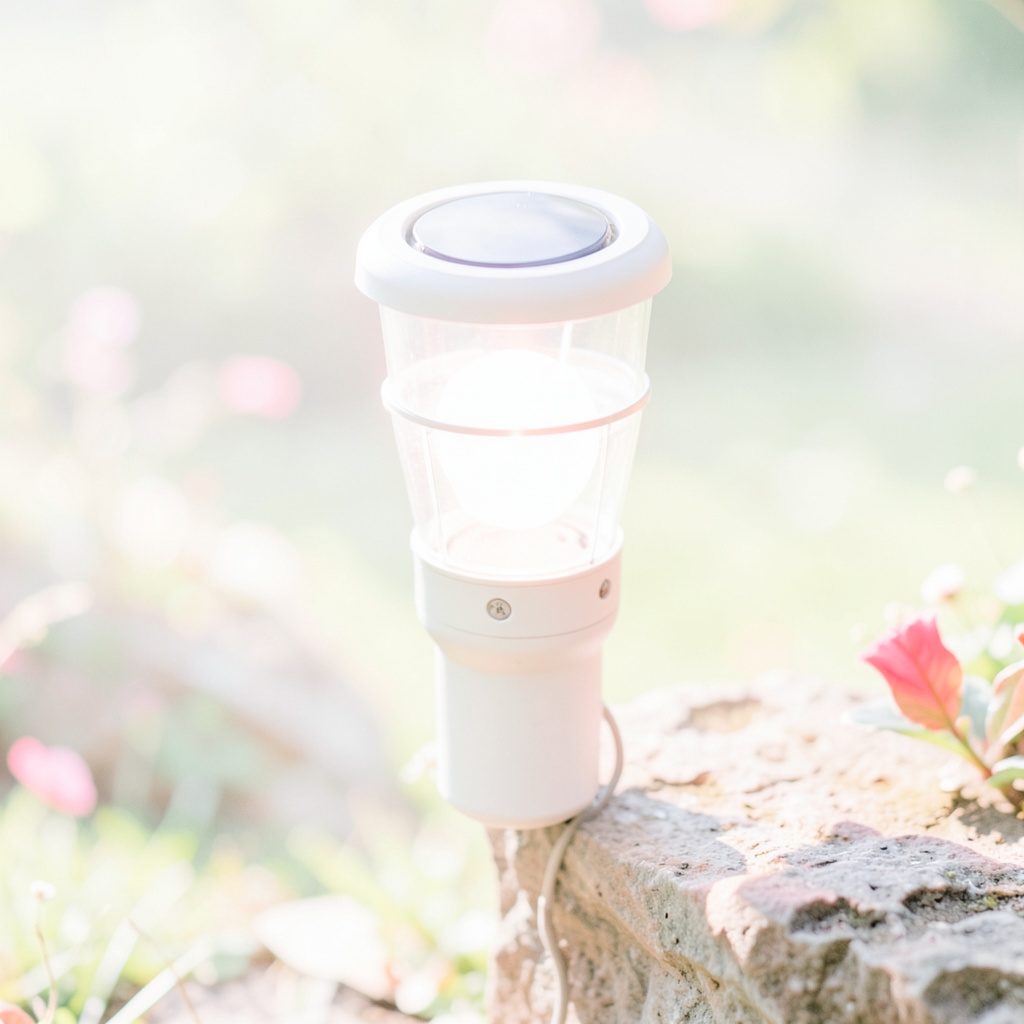
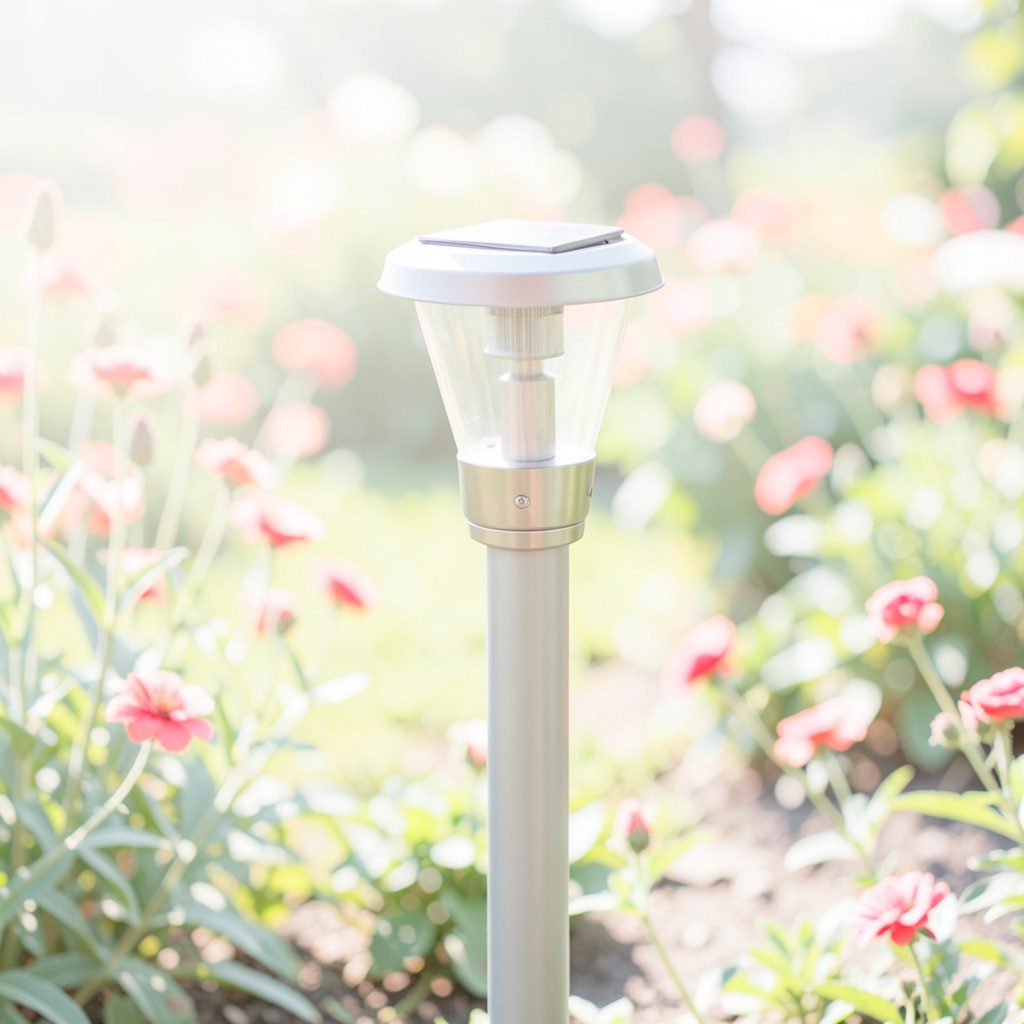
Solar lights suit remote beds, paths and features where cable would be disruptive, but performance depends on panel position and battery quality. In Australian gardens, the panel needs several hours of direct sun rather than shade from a tree or wall. For a mailbox post, solar mailbox lighting shows the range of compact designs available.
A high-CRI solar fitting should state the LED’s Ra value, not just its colour temperature. Some models reduce output as the battery falls, and a dimmed warm-white LED can look duller than at full power. Check runtime, charge indication, replaceability and operating conditions before judging a sample at dusk.
Mains-powered fittings provide consistent output for walls, gates and entertaining spaces, while 12V systems simplify repositioning around planting. Australian mains electricity is 230V at 50Hz, so choose products designed for the local supply and local compliance marks. Low-voltage systems also need a transformer with spare capacity and weather-resistant connections.
Check outdoor ratings and Australian compliance
An IP rating describes protection against solids and water, not UV, salt, insects or impact. IP44 suits sheltered splash exposure, while IP65 is a stronger starting point for exposed fittings; IP67 can cover temporary immersion. Confirm that the manufacturer’s installation guidance permits the location.
Electrical products sold in Australia generally require regulatory compliance. Look for an RCM mark and relevant Australian Standard claims, including applicable AS/NZS 60598 luminaire requirements and AS/NZS 3112 plugs where relevant. An overseas mark may provide information, but it should not replace local certification. Check that any driver, controller or plug-in transformer is covered.
Hardwired fittings and alterations to mains wiring in Australia must be carried out by a licensed electrician. Plug-in solar lights are easier to relocate but still need secure placement away from irrigation and mower spray. Outdoor extension leads, connectors and low-voltage cable should suit external use, with joints protected rather than buried under mulch.
Compare fixtures for paths, lawns and entertaining
The best shortlist follows the job each light must perform. An outdoor lighting range offers a starting point, but check every product’s exact specification.
Placement-led choices
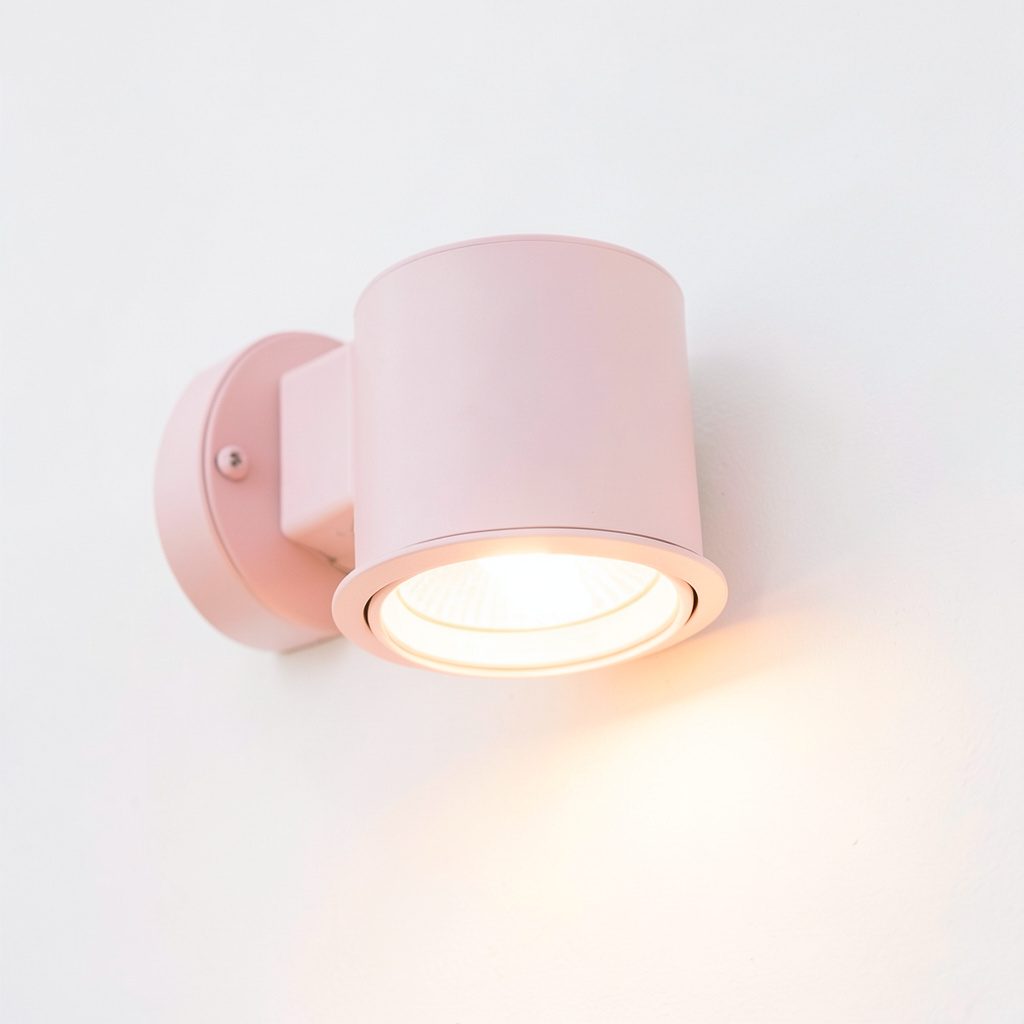
- Wall washers and architectural floods: a high-CRI, warm-neutral LED reveals brick, timber and foliage without flattening texture.
- Path and step markers: shielded bollards or downlights reduce glare and clarify edges around beds.
- Mailbox and feature accents: solar spotlights remove cabling, provided the panel receives sun and the model states Ra 90+.
- Dining and terrace zones: low, warm light flatters skin and food while separating the outdoor room from the house.
Specification-led priorities
- Verified CRI: require Ra 90+ in the datasheet for the exact lamp, not a brand-wide claim.
- Suitable CCT: 2700–3000K complements timber and most Australian homes; 3500–4000K suits paths and task lighting.
- Environmental protection: choose the rating and finish for actual exposure, not the largest IP number.
- Serviceable parts: replaceable lamps, standard 12V components and a documented driver or battery warranty extend useful life.
Beam angle and output must work together. A narrow spotlight may render colour beautifully but miss the tree, while a broad flood can reveal its housing and create neighbour glare. Check beam dimensions and lumens alongside CRI.
Shop the local market with better questions
Philips offers established outdoor wall, pathway and architectural ranges, while InnoGear is known for solar spotlights and garden accents. Treat these as starting categories because model specifications change. A Philips myGarden-style wall lantern can suit brick, and an InnoGear solar spotlight can light a feature without cabling, but only if the current listing confirms high CRI, suitable CCT and outdoor rating.
Australian buyers can compare lighting suppliers, Bunnings, Amazon.com.au and Home Depot where stocked locally. Listings often lead with brightness or runtime, so search the datasheet for CRI, CCT, IP rating, beam angle, warranty and replacement parts. Availability and included components vary, especially for imported solar fittings and plug-in supplies.
Retail listings also benefit from visual planning. For layout inspiration, garden lighting ideas can separate ambient tree lighting from task lighting over a barbecue or path markers. Reviews are most useful for panel charging, switch behaviour, cable length and brightness after several months; technical claims should still appear in a datasheet.
Make a measured final choice
Plan the garden in lighting layers: low ambient light establishes a route, shielded markers define steps, and focused light reveals trees, walls or seating. Decide where the eye should go before selecting fittings and note existing ambient light. This stops bright fixtures competing and makes high colour rendering easier to appreciate.
Commission the system at dusk, not from a lit room. Check glare from windows and neighbours, sharp beam edges, insect attraction and dark gaps along paths. Adjustable heads, timers, dimmers and motion controls each have a role. Motion sensors can save energy in less-used areas, while continuous low-level light often feels more comfortable on an everyday route.
The practical takeaway is to prioritise a verified Ra 90+ specification, then match colour temperature, beam, ingress rating and power source to the exact location before considering brightness or design.