Featured Topics

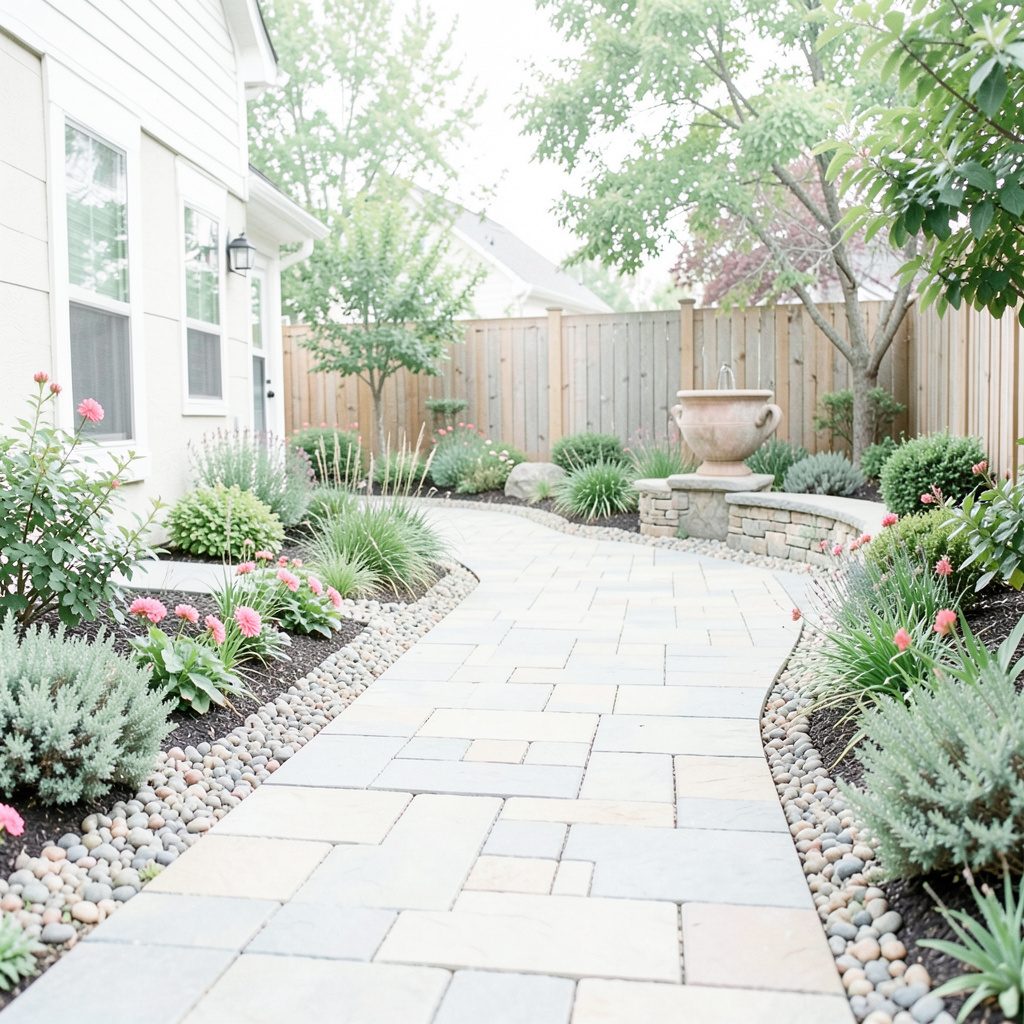
Solar pathway lights that last through winter
Solar pathway lighting can make a garden feel safer and more inviting, especially along a front path, side gate or route from the patio to the shed. The difficulty is finding fixtures that continue working when winter brings shorter days, weaker sunlight and long stretches of cloud.
A light that performs well in a sunny product photograph may struggle in a shaded Australian yard. Its small panel may collect little energy, while an inexpensive rechargeable battery can lose capacity after repeated cold nights. Water entering the housing or a stake bending in soft ground can shorten its useful life even further.
The best outdoor solar lights are designed as a complete system: an efficient panel, a dependable battery, weather-resistant seals, a sturdy body and sensible brightness. Longevity also depends on placement, cleaning and whether the light has a realistic operating time rather than an exaggerated marketing claim.
For Australian homes, the right choice varies by location. A path in Hobart faces colder winter nights than one in Brisbane, while a coastal garden near Perth or Sydney needs protection from salt air. Good pathway lights should cope with local weather rather than simply look attractive in the box.
Why winter exposes weak solar lights
Solar garden lights rely on energy collected during the day and stored for use after sunset. In winter, the sun sits lower in the sky, daylight hours are shorter and cloud cover can reduce charging dramatically. A fixture advertised for eight hours in summer may run for only a few hours after a grey July day.
Battery quality is often the hidden difference. Many budget products use small nickel-metal hydride cells, which are affordable and easy to replace, while better units may use a larger-capacity cell selected for repeated charging cycles. Lithium-ion batteries can offer strong capacity, but they still need protection from heat, moisture and unsuitable charging conditions.
Low brightness can be acceptable for marking a route, but a very dim LED may disappear beside lawn or dark paving. Look for a useful balance of output and runtime rather than the highest lumen figure. A soft 10 to 20 lumens can suit a relaxed garden path, while brighter lamps are better near steps or a driveway entrance.
The author profile behind a lighting guide can also help explain why advertised performance differs from real garden conditions. Product specifications matter, but installation and seasonal sunlight have just as much influence.
Choose hardware for Australian weather
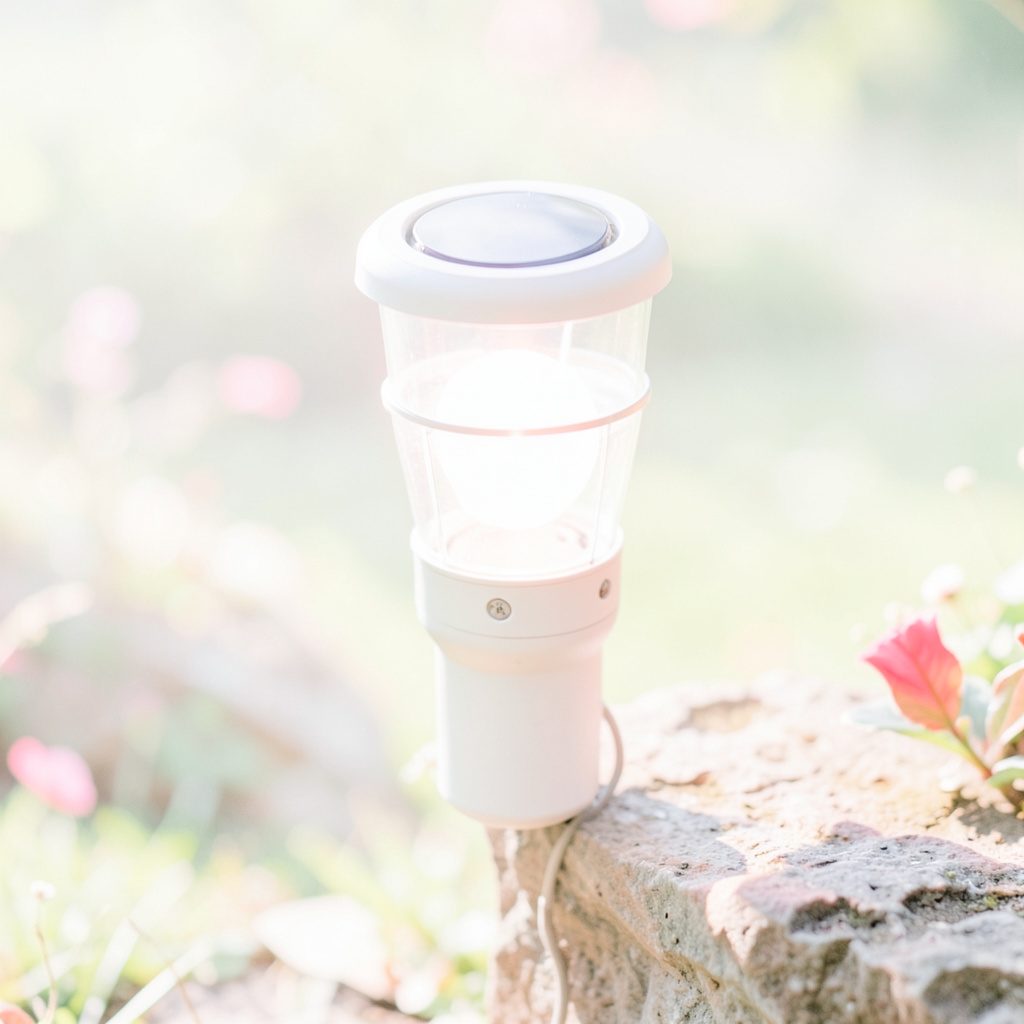
A weather rating is a useful starting point. An IP44 fixture can resist splashes, yet an IP65 or higher product offers stronger protection against rain and dust. For exposed paths, choose sealed housings with covered switches and a panel that does not leave gaps around the electronics.
Materials affect service life as well. Stainless steel can work well in many gardens, although lower-grade metal may stain or corrode near the coast. Powder-coated aluminium is light and attractive, while tough plastic can resist dents and accidental knocks from a mower. Avoid very thin decorative tops that flex when pushed into compacted soil.
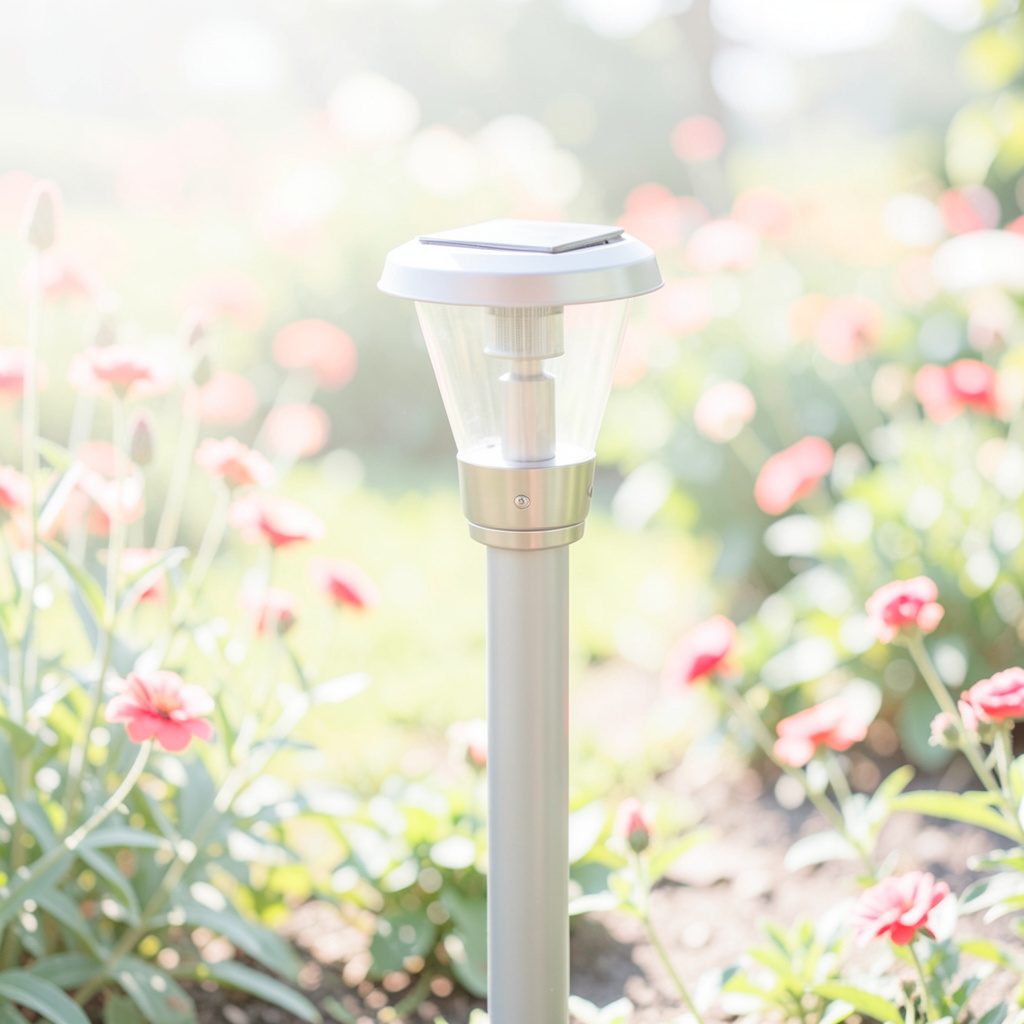
The stake deserves careful attention. A short, narrow spike may twist in dry clay or become loose after heavy rain. A broad, solid stake is easier to stabilise, especially along a sloping path in the Dandenong Ranges or a garden with sandy soil. Some lights include an extension stem, which helps keep the panel and lamp above mulch.
Get enough charge on short days
Place the solar panel where it receives direct sunlight for much of the day. A path beneath a pergola, beside a tall hedge or on the southern side of a house may look ideal but provide poor winter charging. In Australia, a north-facing position is often helpful, though the best angle depends on nearby buildings, trees and the season.
Keep each panel clear of leaf litter, dust and bird droppings. A quick wipe with a damp cloth every few weeks can improve charging, particularly in dry regions where fine dust settles on outdoor surfaces. Check that decorative caps, hanging branches or newly grown vines are not casting shade across the panel by mid-afternoon.
Spacing also changes how much light reaches the ground. Closely grouped lamps can create bright patches and leave darker gaps, while widely separated fixtures may fail to mark curves or steps. Test two or three lights at night before installing the full set. For longer paths, alternating lights on both sides usually gives a more even result than placing every lamp in a straight line.
Brands such as Philips often focus on consistent LED performance and clean, practical housings, while InnoGear products commonly appeal to shoppers seeking packs of decorative or security-oriented solar lights. Compare panel size, battery access, IP rating and warranty rather than choosing on brand name alone.
Install for rain, frost and movement
Push the stake into softened soil rather than forcing it through hard ground. If the earth is dry, water the area first and make a pilot hole with a narrow tool. Pressing directly on the light body can crack the housing or bend the stem, creating a weak point where water can enter.
Leave enough clearance around the lamp for mowing and trimming. Pathway lights positioned too close to the edge may be struck by a whipper snipper, while those placed in loose mulch can lean after heavy rain. In frost-prone areas around Canberra or the Victorian high country, allow for soil movement as it freezes and thaws.
Clean the lens when brightness drops, and inspect the stake at the start of each winter. Replace a cloudy lens, split seal or corroded battery compartment rather than waiting for the entire set to fail. If a model has a replaceable battery, use the specified type and capacity; mixing cells can reduce runtime or damage the charging circuit.
Australian buyers should also check delivery and returns carefully. Amazon Australia offers a broad selection, while Home Depot listings may describe products sold for the United States and may not provide practical local support. Standalone solar lights do not need household voltage, but spare parts, warranties and delivery costs still matter.
Features worth paying for
Long winter performance usually comes from a few unglamorous features. A larger panel gives the battery a better chance of recovering after cloudy weather, while a replaceable rechargeable cell can extend the product’s life beyond its first season. A warm-white LED is generally comfortable along entertaining areas, whereas neutral white can make steps and path edges easier to see.
Motion-sensor models can preserve stored energy by staying dim or off until movement is detected. They suit side passages and entrances, but fixed low-level lights are often more pleasant along a patio path. If security is the priority, combine pathway markers with a separate sensor floodlight rather than expecting small decorative lamps to illuminate a whole yard.
Use this buying checklist when comparing solar pathway lights:
- Choose IP65 or better for fully exposed paths and gardens.
- Look for a replaceable battery and clear information about battery type.
- Prefer a broad, adjustable panel over a tiny panel hidden beneath a decorative cap.
- Select sturdy stakes and corrosion-resistant materials for coastal locations.
- Match brightness to the task, using gentle light for ambience and stronger output near steps.
- Check the local warranty, spare-part availability and retailer return terms.
Make winter lighting look intentional
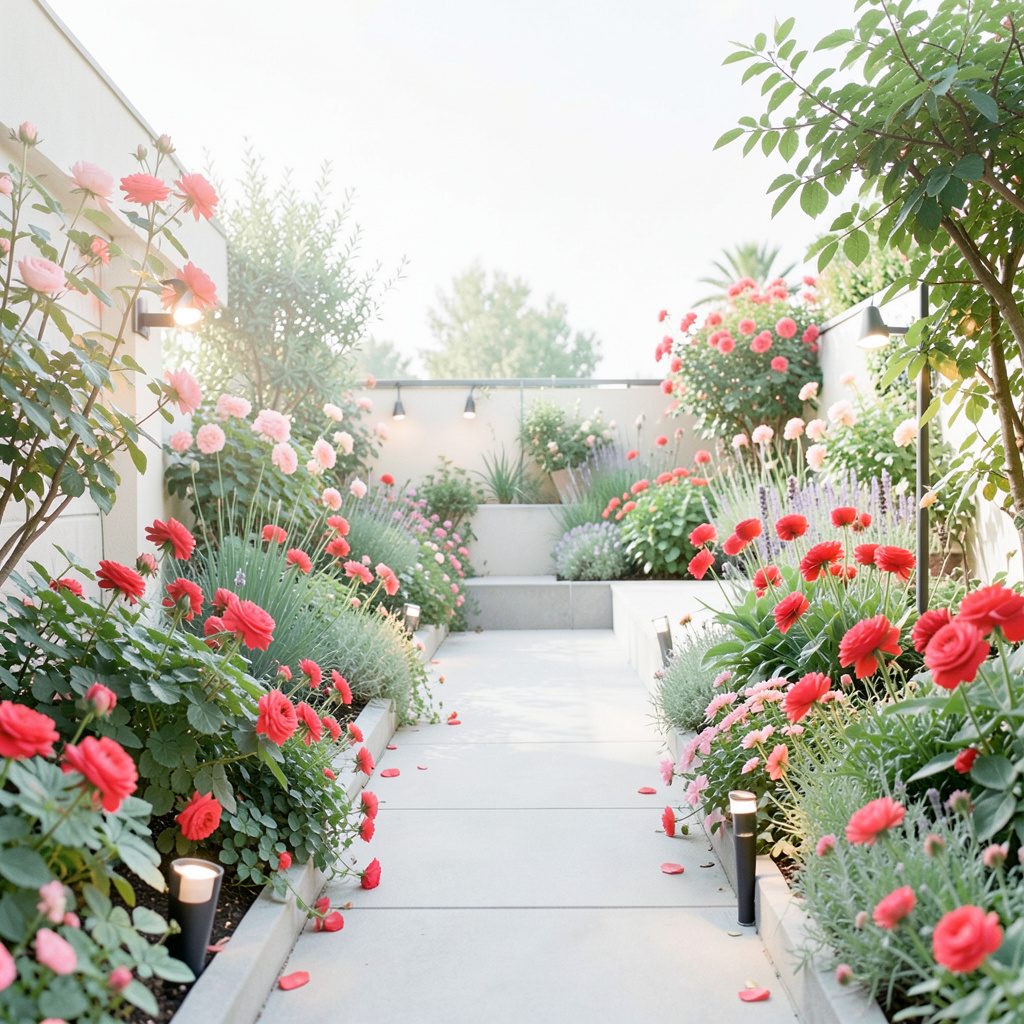
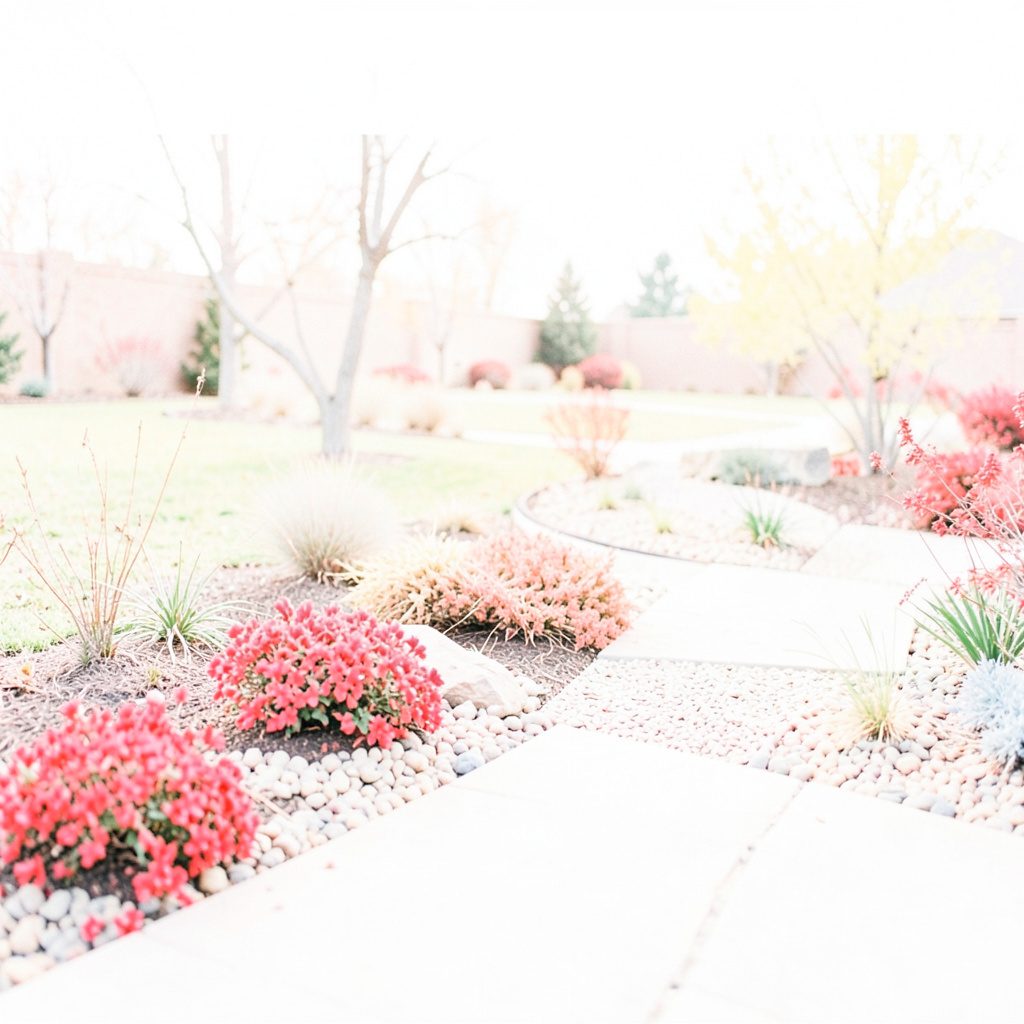
Reliable pathway lights should guide movement without turning the garden into a brightly lit car park. Place them at changes in level, bends, gates and the ends of paths. On a straight walkway, consistent spacing is more effective than adding a large number of cheap lamps close together.
Warm-white LEDs generally suit sandstone, timber decking and leafy planting, creating a softer appearance for an outdoor entertaining area. Cooler white light can work beside modern concrete or dark pavers, but too much blue-toned light may feel harsh at night. Keep the colour temperature consistent across the front garden so the result looks planned.
Solar lights can also be combined with low-voltage LED fittings where winter reliability is essential. Use solar markers for gentle edging and decorative interest, then install a properly rated mains or low-voltage fitting near stairs, bins or the front door. This layered approach avoids asking a small panel to provide all the illumination in a shaded location.
Read the retailer’s operating claims carefully and look for independent customer photographs. The privacy details of an online store, including its privacy policy, are separate from product quality, but transparent retailer information is still a useful sign when purchasing unfamiliar outdoor electronics.
A durable set of solar pathway lights should deliver steady guidance through wet weeks, cool nights and shortened daylight, not just shine brightly on its first evening. Prioritise weather sealing, battery access, panel size and strong stakes, then install the lights where winter sun can actually reach them. The detail to remember is simple: reliable solar lighting begins with matching the fixture to the garden’s real conditions.